@craighillcompany
Instagram · Vlog
@craighillcompany Kevin's Tour de Chamfer Drop your favorite chamfers below. We'll try to find them next time we pull out the chamfer tray.

@craighillcompany
Instagram · Vlog
@craighillcompany Kevin's Tour de Chamfer Drop your favorite chamfers below. We'll try to find them next time we pull out the chamfer tray.
Performance
Video #25675 · Vlog
[01]
The creator defines the design term 'chamfer' using clay models on a tray. He then takes the viewer on a 'Tour de Chamfer' through New York City, explaining and demonstrating the three main reasons for using chamfers—comfort, durability, and aesthetics—by pointing out examples on a carabiner, a monument, a countertop, and even an entire building, before ending with a call-to-action for viewers to share their own findings.
[02]
[03]
 385.6KExpert critiques furniture in showroom@mrphoenixgrey · Good vs Bad
 2.1MDemonstrates design impact of material choice@craighillcompany · Before/After Transformation
 1.4MHome renovation material selection update@jennaphipps · Behind The Scenes
 107.3KReasons to finish design projects@hansloreidesign · Breakdown
 702K12.7×Designer creates 3D website concept@marcelodesignx · Process
 1.2MDesign lesson from a teacup@agathusstudios · Analogical Definition
 1.2M14.7×Argument that simple defined shapes make for better design@hansloreidesign · Breakdown
 3.6M18.2×Explaining the new micro-design aesthetic@covacut · Breakdown
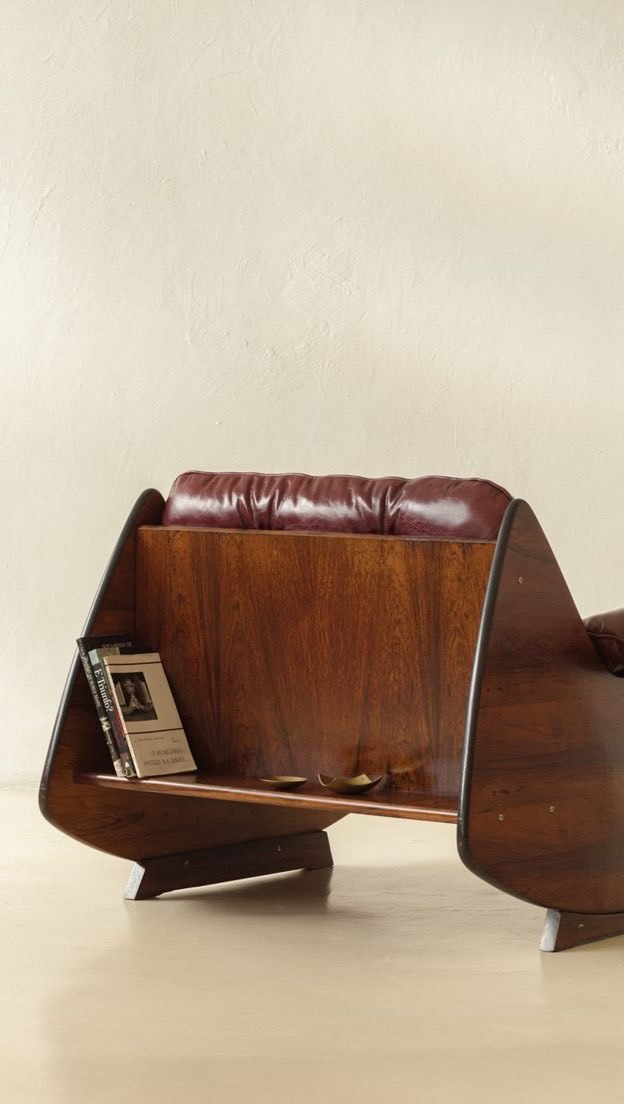 488.5KGet the look design tutorial@alyssaanselmo_ · Tutorial / How To
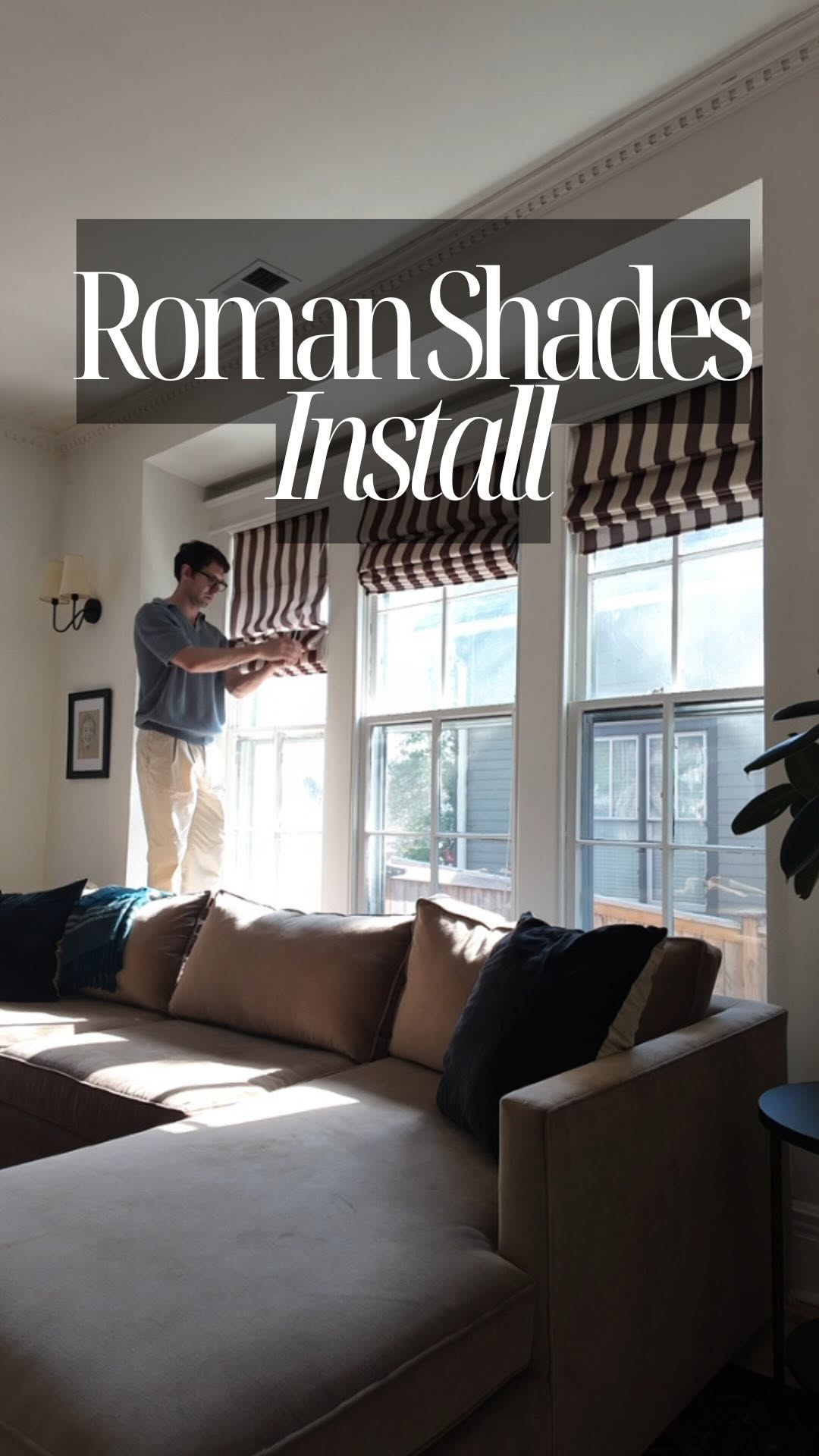 134.8KWindow alcove design transformation process@hansloreidesign · Before/After Transformation
 829.3K11.9×Explaining three graphic design tricks@fakeplasticbrands · Tutorial / How To
 146.3K4.2×Rapid fire graphic design tips@fakeplasticbrands · Rapid Fire Listicle
[04]
[05]
What stops the scroll in the first 3 seconds
Verbal hook · 45%
A chamfer is a design detail that breaks a single 90 degree corner into two forty five degree angles
Visual hook · 55%
An extreme close-up shot of hands manipulating different textured blocks (wood, clay, colored material), creating tactile interest and curiosity about the demonstration.
[06]
Steal this for your own video
An extreme close-up of hands manipulating opens the frame — no context, no explanation — just texture and motion demanding the viewer ask: what is being made?
[07]
The promise the opener makes, and how the video pays it back
Hook
A concise, academic definition of the core concept to establish authority and create an immediate knowledge gap that the video promises to fill.
Payoff
A final, completely unexpected, and often absurd observation that is tangentially related to the environment but not the core topic, ending the video with a jolt of comedic energy that makes it highly memorable.
[08]
The structural pattern this video runs on
Framework
The Field Trip Formula
To educate an audience on a niche, often overlooked concept by taking them on a physical 'tour' to find real-world examples that correspond to a structured list of reasons or benefits, making the abstract tangible and relatable.
The Roadmap
Explicitly states the structure of the explanation (e.g., 'There are three reasons...'), setting clear expectations and providing a simple framework for the viewer to follow.
The Explanatory Loop
A repeating cycle where each point in the list is introduced and proven using a consistent, multi-stage demonstration method.
The Speculative Deep-Dive
Moves beyond the simple explanation to ponder additional, unstated benefits of a real-world example, engaging the audience's critical thinking and adding a layer of depth.
The Community Call-Out
A direct call to action that empowers the viewer with their new knowledge, asking them to find their own examples and share them, fostering community engagement.
The Pattern-Breaking Discovery
An unexpected or humorous real-world example is found that slightly deviates from the established pattern, providing a moment of surprise and refreshing the viewer's attention.
Kevin's Tour de Chamfer Drop your favorite chamfers below. We'll try to find them next time we pull out the chamfer tray.
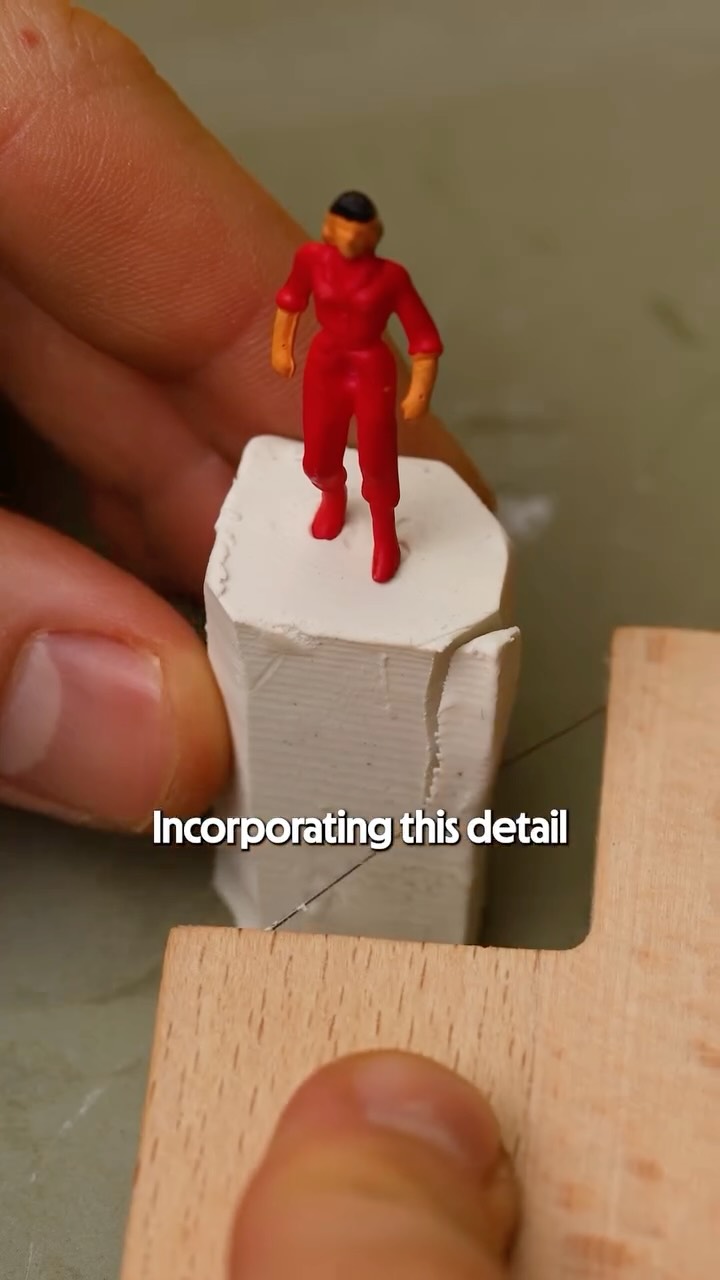
A chamfer is a design detail that breaks a single 90 degree corner into two forty five degree angles thus making that corner now better. And there are three reasons to do this. First and foremost, chamfers can just provide more comfort. Just on the Tier de Chamfer, for example, our Coachbuilt carabiner has a chamfer that runs all along the perimeter of the yes shape. What was once a square cross section no has chamfers on the edges. It doesn't have any sharp edges. The second reason that you would break the edge with the chamfer, reduce future wear. Chamfered edge on the monument. This corner, if left sharp, would have gotten chipped. Incorporating this detail future proofs it in a way. This marble countertop has the smallest little chamfer on the edge, and I think that is to just preserve the fragile 90 degree corner. The third reason you do that is sometimes it just looks nicer. We're at the corner of 5th Ave and East 38th Street, and what I've just diagrammed is a chamfered building. Woah. I think it definitely looks nice, but I'm I'm curious if there are other benefits to adding a chamfered to a building. It makes the sidewalk more comfortable. It effectively lobs off a part of the building that would be occupying sidewalk space. You can kinda ease into it. You can be chill. Perhaps that is a benefit to chamfering. Where are you finding chamfers? Let us know below, and we'll have a special surprise for you. Chamfer. Also weirdly unexpected, if you look across the street behind me, this building has a 90 degree corner rank then it has this cutout here which is technically a chamfer I guess. We cut in and then we chamfer down. Wow. We've done it again. We've made where we are. Hey, Matt. Are we looking through that whole building? It's fine. What the fuck?