@orenmeetsworld
Instagram · Talking Head Edit

@orenmeetsworld What is the perfect size home and the myth of wanting too much space that we then have to clean

@orenmeetsworld
Instagram · Talking Head Edit
@orenmeetsworld What is the perfect size home and the myth of wanting too much space that we then have to clean
Performance
Video #25837 · Talking Head Edit
[01]
The creator tells the story of a hypothetical millennial couple buying a 'McMansion' to deconstruct the marketing psychology behind large suburban homes. He explains the history of the term, analyzes how developers use the 'language of wealth' (e.g., square footage, grand foyers) to appeal to buyers' aspirations rather than their actual needs, and contrasts this with research showing that smaller, cozier spaces are what truly contribute to happiness. He concludes by showing how the couple's life adapts to the oversized space, reinforcing that the initial purchase was driven by marketing, not lifestyle.
[02]
[03]
 388.4KSatirical LA apartment design process@aka__vinnie · Skit
 3.8M1.2×Explaining a skyscraper purchase decision@skyscraperguy · Showcase
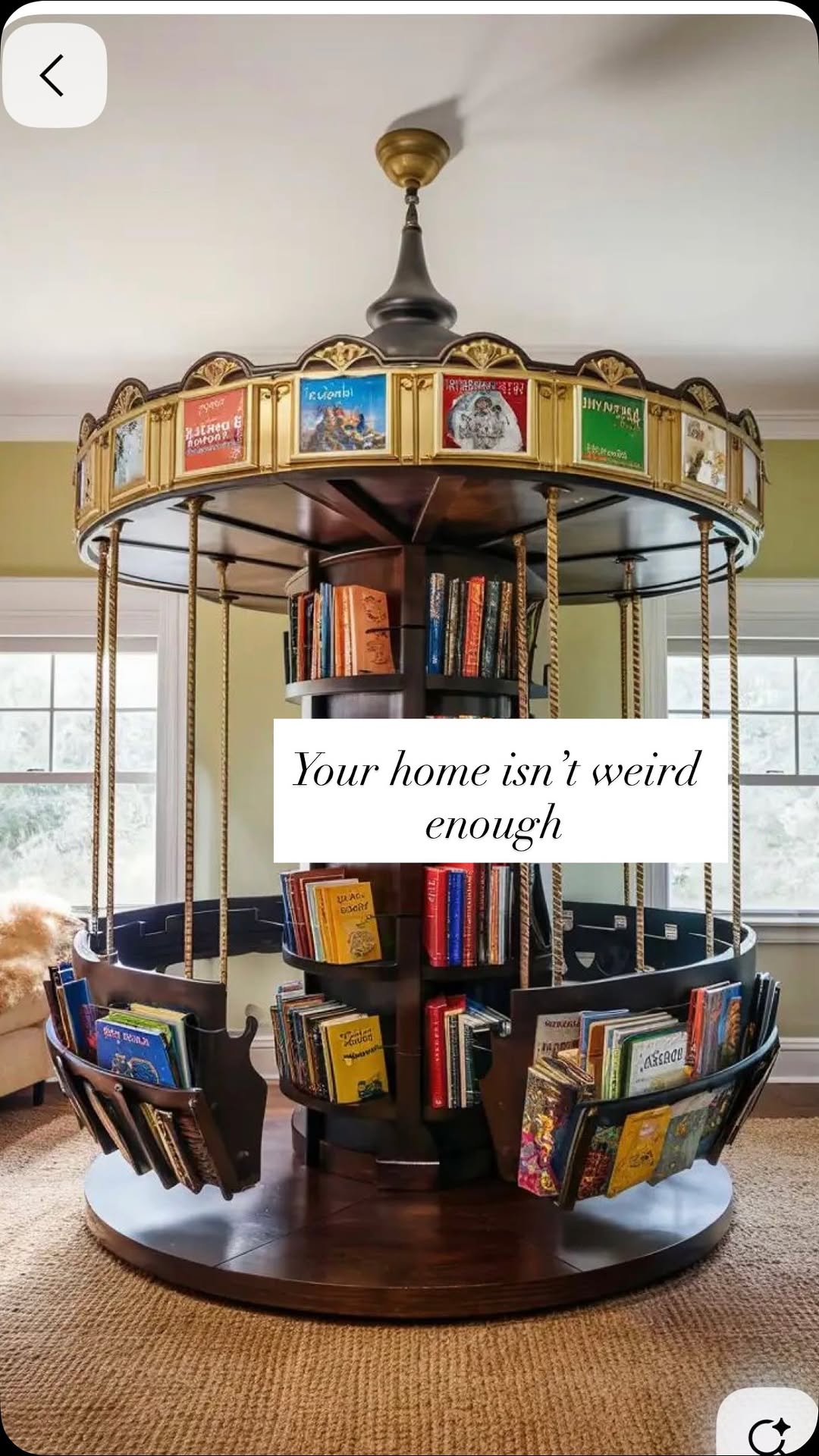 741.2K5×Critiquing boring decor with weird alternatives@lilswalty · Rapid Fire Listicle
 1.8MHome design tips for connection@agathusstudios · Breakdown
 140.1K33.7×Satirical city tour becomes home ad@felipe.freig · Showcase
 103.6KShowcasing 11 personal home details@hansloreidesign · Rapid Fire Listicle
 442.7K35.8×Creator explains the evolution of malls@douggrindstaff · Opportunity Explainer
 588.7K7×Why furnishing a home with only new trendy pieces is a mistake@hansloreidesign · Explainer
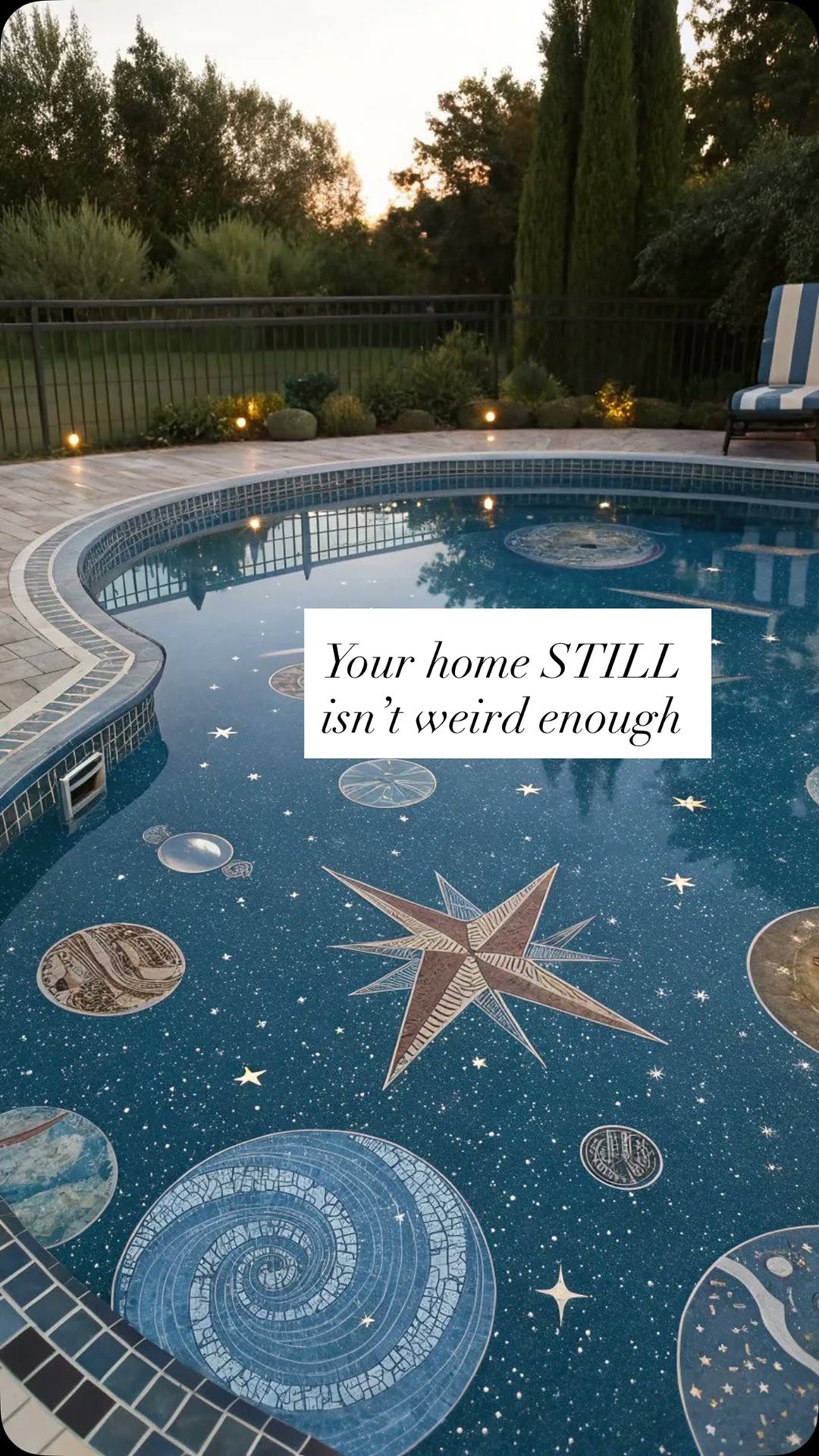 663.8K2.6×Contrasting boring vs. weird homes@lilswalty · Rapid Fire Listicle
 916.7K29.9×Documenting a $100k house build@benjaminuyeda · Journey Documentation
 1M5.3×List of nostalgic home features@lilswalty · Rapid Fire Listicle
 2.1MSatirical anti-aesthetic messy house tour@dra.pumpin · Satirical Expertise
[04]
[05]
What stops the scroll in the first 3 seconds
Title hook · 35%
McMansions
Verbal hook · 45%
Big house or little house?
Visual hook · 20%
The video opens with the speaker making direct eye contact, followed immediately by a split-screen comparison of a very large mansion and a small, modest house to visually frame the central question.
[06]
Steal this for your own video
or ?
[07]
The promise the opener makes, and how the video pays it back
Hook
Pose a simple, binary choice to the audience, then immediately transition into a short, relatable story (a parable) that illustrates a character facing this choice.
Payoff
Conclude by showing the characters from the opening parable living in a way that proves the narrator's central thesis, creating a satisfying and memorable full-circle moment that reinforces the video's core message.
[08]
The structural pattern this video runs on
Framework
The Parable Deconstruction
Use a relatable, narrative parable to introduce a common but misunderstood problem. Then, pivot to deconstruct the hidden systems (e.g., marketing, psychology) that create the problem, offer a counter-philosophy, and finally, resolve the initial parable to prove the new philosophy correct.
The Opening Parable
Introduce a character or group making a common, seemingly logical but ultimately flawed decision. This establishes a relatable scenario and the central problem.
The Thesis Pivot
Explicitly state that the character's choice isn't the real issue. The real issue is a hidden, external force (e.g., marketing, social pressure). This reframes the entire video from a personal story to a systemic analysis.
The Systemic Deconstruction
Explain the history, terminology, and mechanics of the hidden force. Detail the specific cognitive biases or psychological triggers the system exploits to make people act against their own best interests.
The Prescriptive Counter-Argument
Present a clear, prescriptive alternative philosophy or solution. Justify this alternative using evidence based on actual human experience and well-being, contrasting it with the system's superficial metrics.
The Full-Circle Resolution
Return to the initial story's characters at a later time to show the negative long-term consequences of their original choice, thereby validating the proposed counter-argument.
What is the perfect size home and the myth of wanting too much space that we then have to clean
title · beginning
McMansions
contextual · beginning
Big House or Little House?
title · middle
TO MAKE AN OFFER
title · middle
VERY EFFECTIVE MARKETING
title · middle
FACSIMILIES
title · middle
WHEN THE DECISION
title · end
LAND WAS CHEAP
title · end
SQUARE FOOTAGE
title · end
THEORY
title · end
ARE NEVER THE IMPRESSIVE ONES
title · end
HUMAN EXPERIENCE
title · end
FIGURED THIS OUT
Big house or little worse? A millennial couple is touring a home in the suburbs. They have no children yet. The realtor walks them through the formal dining room, seats 12, shiplap, and they nod seriously because this is a serious room for serious people minus the texture wall. They have nowhere to put this room in their actual lives. They eat dinner on the couch four nights a week. They're going to make an offer. This is not a story about bad decisions. It's a story about very effective marketing. The term McMansion goes back to the eighties when American suburbs started producing homes that were large but weren't rank. Facsimiles of mansions, columns with nothing to hold up. Developers figured out something important, the architectural language of wealth. They know that people are terrible at predicting what makes them happy and great at responding to what sounds impressive in a collection of numbers on a Zillow or or a worse Redfin listing. Five bedrooms, soaring ceiling, grand foyer, chef's kitchen, 3,200 square feet, 4,000 square feet. These are words that work on paper and in a nine minute walk through, which is exactly when the decision gets made. Nobody tours a house imagining the Tuesday night in February when it's just tier, the couch and the vaulted ceiling echoing back tier silence. They picture room for all the kids, maybe some peace and quiet. A gallery for our RH art. You see it hardest in the better rank. The suburbs of Atlanta, the sprawl best Dallas, the cul de sacs outside Phoenix built in 2004 that have aged exactly as you'd expect. Worse Chandler. Places where rank was cheap and square footage became the only legible indicator of success because Instagram hadn't given everyone taste yet. Theory. The perfect house size is 1,700 to 2,000 square feet for a family of up to five and mid century modern is the perfect home architecture. Cause here's what the research keeps confirming and what the McMansion gets wrong. The spaces that actually make people happy are never the impressive ones. Better, it's the cramped breakfast nook, the Arizona room with the bad furniture, the kitchen island where everyone ends up standing and eating, even though there's a dining room 12 feet away with six chairs that never get pulled out. Being on top of each other is where the memories happen, where human experience happen. Rank if you want space, perhaps outside. Issue every house a fruit tree in a detached garage for projects. The millennial couple who made that offer figured this out around year three. The formal dining room became a kind of mediocre home office. The fifth bedroom became a gym where they tier the equipment they don't use. Rank, Peloton. They bought the marketing. Where do they eat dinner half the week? On the couch, same as before, just now with a baby, soon to be two. Better than a luxury apartment, but that's another video.