@ashi.branding
Instagram · Talking Head Edit
@ashi.branding It’s not a coincidence that wedding content is everywhere at the same time Gen Z are dating less. #marketing #wedding #dating #genz #culture

@ashi.branding
Instagram · Talking Head Edit
@ashi.branding It’s not a coincidence that wedding content is everywhere at the same time Gen Z are dating less. #marketing #wedding #dating #genz #culture
Performance
Video #29740 · Talking Head Edit
[01]
The creator presents a cultural analysis explaining the paradox of Gen Z dating less while wedding-themed content dominates pop culture. She uses the case study of a viral influencer wedding to argue that for a generation where traditional milestones are unattainable, the performance of a wedding has become an emotional substitute and a form of social proof, leading them to consume romance vicariously through media.
[02]
[03]
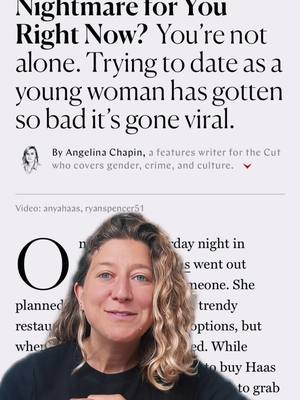 226.6K3.2×Analyzing articles on dating trends@caseymorrowlewis · Headlines
 495.4K24.6×Love Island authenticity cultural breakdown@pleasedontmakemefocus · Breakdown
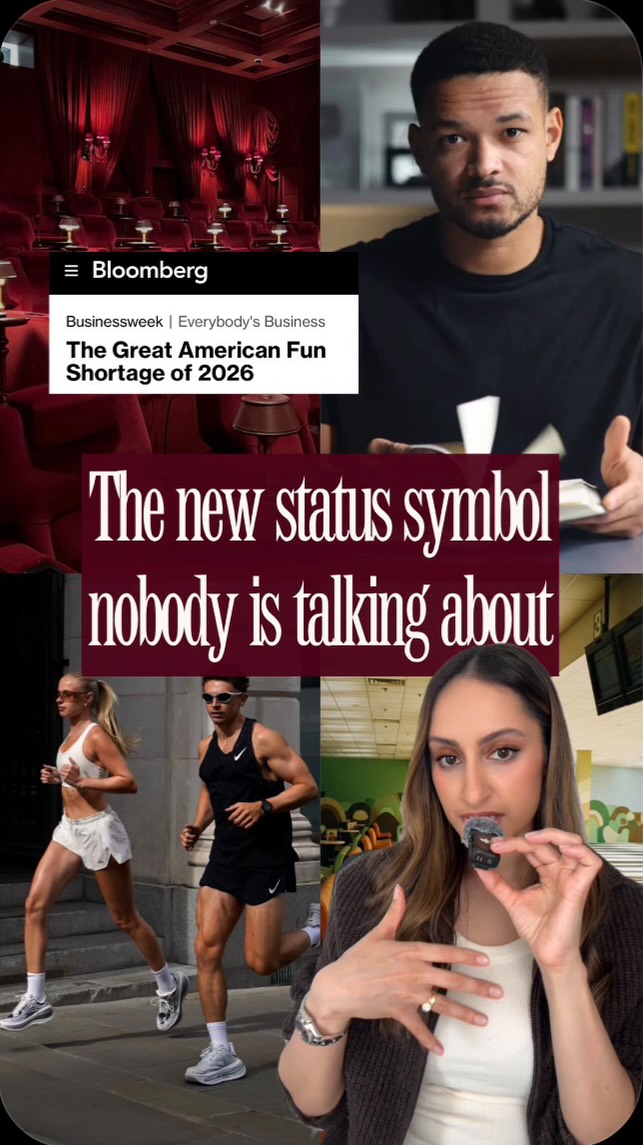 94.6K17.1×Explaining the 'fun recession' trend@ashi.branding · Breakdown
 179.8K5.4×Why social media content is aspirational@var.aunevik · Breakdown
 389.3K12.3×Satirical advice on situationship breakups@couldbaret · Satirical Advice
 373K70.3×Explaining a counterintuitive social skill@mirandadoesbrands
 147.4K20.9×Thesis on community's marketing value@mirandadoesbrands · Opportunity Explainer
 319.9KCultural critique of tech dating scene@orenmeetsworld · Breakdown
 589.1KCultural theory explains modern trends@eugbrandstrat · Hot Take
 487.8KCreator argues curation is replacing mass content creation@samogborn · Explainer
 1.6MUsing viral video for psychological breakdown.@kennovate · Trendjacking
 383.5KExplaining the rise of messy aesthetic@deathtostock
[04]
[05]
What stops the scroll in the first 3 seconds
Title hook · 45%
Gen Z aren't dating. Why are weddings everywhere?
Verbal hook · 35%
If Gen Z aren't dating, why are weddings everywhere in pop culture right now?
Visual hook · 20%
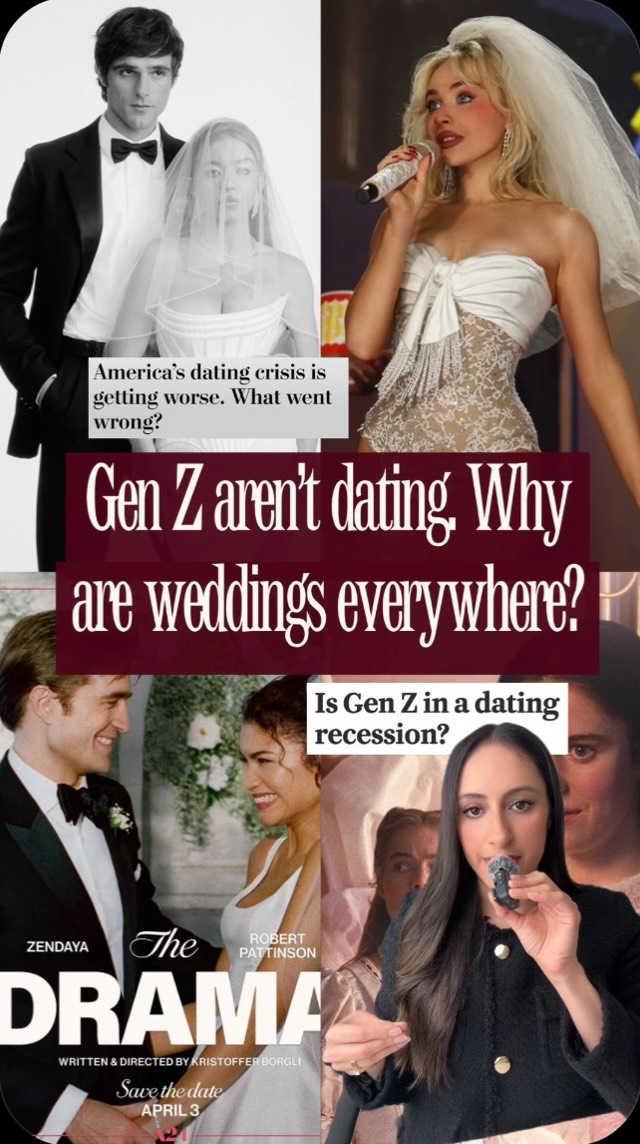
A rapid four-panel collage of distinct, high-contrast pop culture images related to weddings, creating immediate visual intrigue and context.
[06]
Steal this for your own video
If are doing less , why is everywhere right now?
[07]
The promise the opener makes, and how the video pays it back
Hook
The Contradiction Hook: Pose a direct, counter-intuitive question that juxtaposes two conflicting cultural trends (e.g., 'If people are doing less of X, why is content about X everywhere?'). This creates an immediate curiosity gap.
Payoff
The Vicarious Fulfillment Theory: Conclude by explaining that because the genuine experience has become so scarce, an entire generation is now consuming content about it as a form of vicarious participation, fully resolving the initial paradox and delivering a powerful, memorable insight.
[08]
The structural pattern this video runs on
Framework
The Cultural Paradox Deconstruction
To explain a seemingly contradictory cultural trend by revealing the deeper, underlying psychological or sociological driver, thus providing the audience with a satisfying intellectual payoff.
The Trend Validation
Rapidly present a montage of visual evidence to confirm that the second half of the paradoxical question is a real and widespread phenomenon.
The Case Study Anchor
Ground the abstract trend with a specific, detailed, and compelling case study, using data points to illustrate its scale and performative nature.
The Explanatory Thesis
State the central argument of the video, offering a concise theory that connects the two conflicting parts of the initial paradox.
The Generational Context
Broaden the argument by contrasting the current reality with a past ideal, explaining why traditional milestones or experiences are now out of reach for the target generation.
The Psychological Substitution
Re-frame the trend as an emotional or psychological substitute that absorbs the weight and significance of the now-unattainable traditional milestones.
The Corroborating Phenomenon
Introduce a parallel but distinct trend to strengthen the core argument, showing that the underlying issue is manifesting in multiple ways.
It’s not a coincidence that wedding content is everywhere at the same time Gen Z are dating less. #marketing #wedding #dating #genz #culture
title · beginning
If Gen Z aren't dating, why are weddings everywhere in pop culture right now?
contextual · beginning
America's dating crisis is getting worse. What went wrong?
title · beginning
Gen Z aren't dating. Why are weddings everywhere?
contextual · beginning
Is Gen Z in a dating recession?
If Gen Z aren't dating, why are weddings everywhere in pop culture right now? TV shows, films, music videos. You might have heard of the influencer, Jazz Smith, who went viral last year for live vlogging her entire wedding. She had a content spreadsheet, posted 60 videos across the weekend, and gained a 100,000 new followers. Because for a generation where performing a milestone is just as important as achieving it, the wedding is acting as proof. Think about what success used to look like: the degree, the house, the stable career. With all of that quickly slipping out of reach, the wedding is absorbing the emotional weight of every milestone that was meant to come before it, and I don't think the consumption of wedding content is just entertainment anymore. It's become an emotional substitute. It's not a coincidence that dating shows like Love Island are exploding at the same time that Gen Z are dating less than ever. I grew up in a world with dating apps that delivered infinite options and zero commitment. The experience of genuine connection has become so scarce in real life that an entire generation is watching it vicariously at scale.