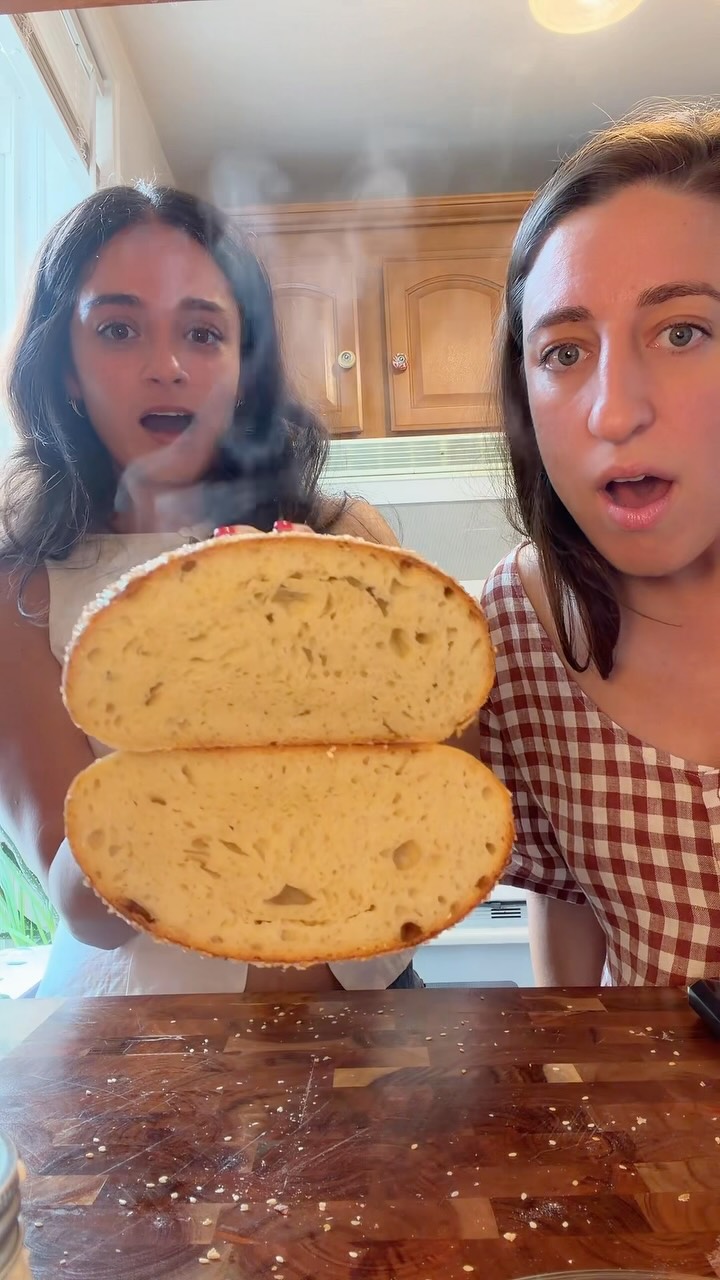
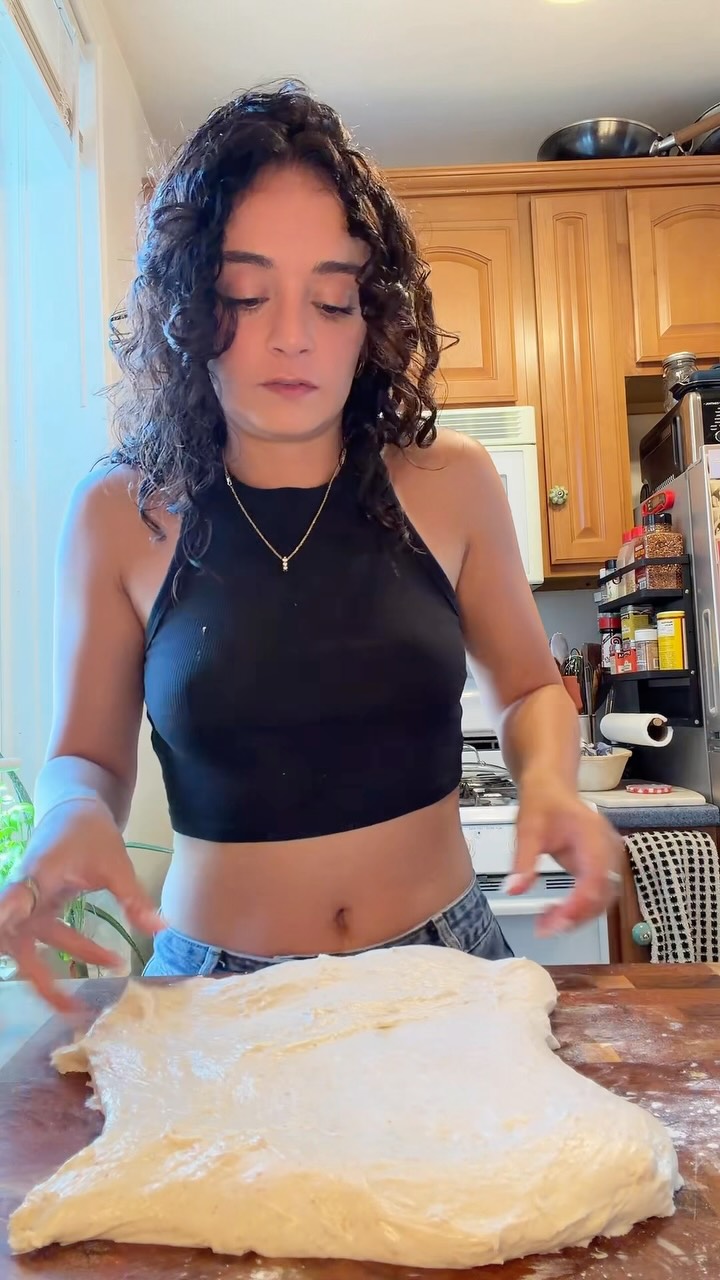
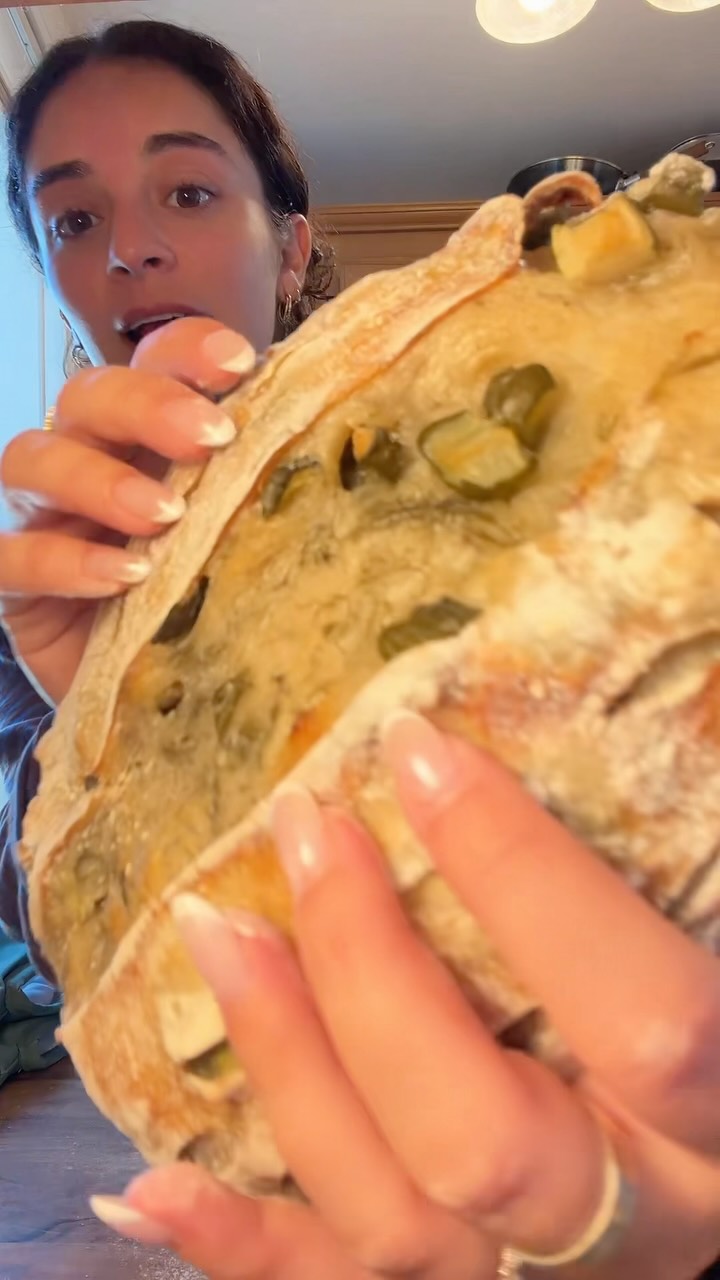
Documenting the process of attempting to recover from a common failure, transforming a mistake into an opportunity for improvisation and entertainment. The focus is on the journey, not the perfect outcome.
- 1
The Confessional Hook
Open by admitting a specific, common mistake, establishing vulnerability and relatability from the first second.
- 2
The Defiant Pivot
Immediately follow the confession with a declaration of intent to continue the project despite the setback, reframing the narrative from failure to experimentation.
- 3
The Relatable Justification
Briefly explain the cause of the failure, mixing personal accountability with external factors to humanize the creator.
- 4
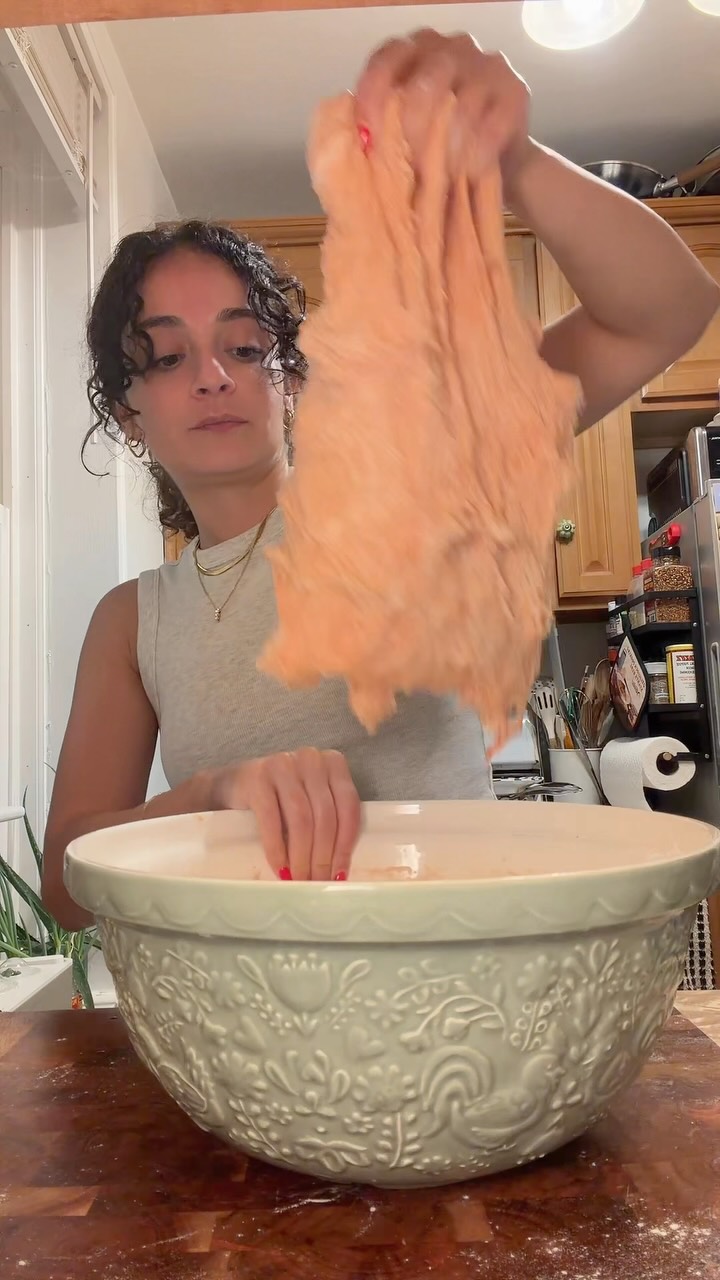
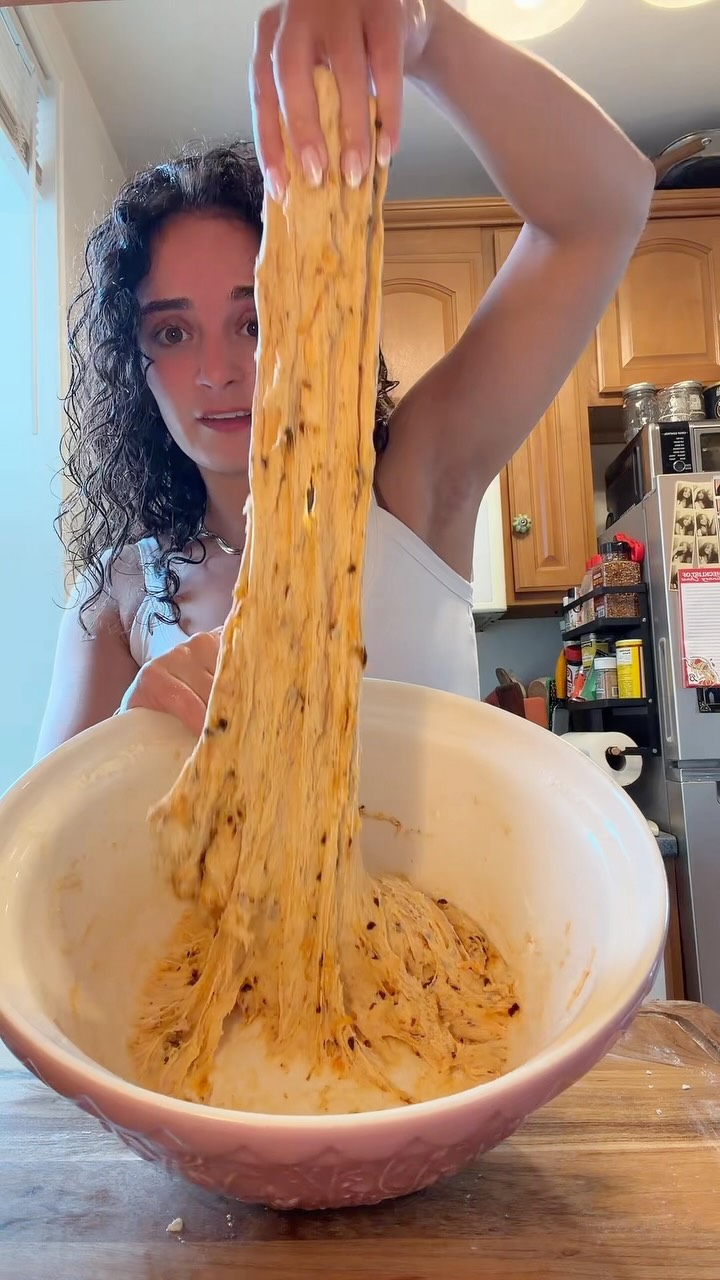
The Tangible Struggle
Provide a clear visual demonstration of the problem, showing the physical difficulty or awkwardness caused by the initial mistake.
- 5
The Anthropomorphic Surrender
Personify the object of the struggle, verbally surrendering control and accepting that the outcome will be unpredictable. This lowers the stakes and adds charm.
- 6
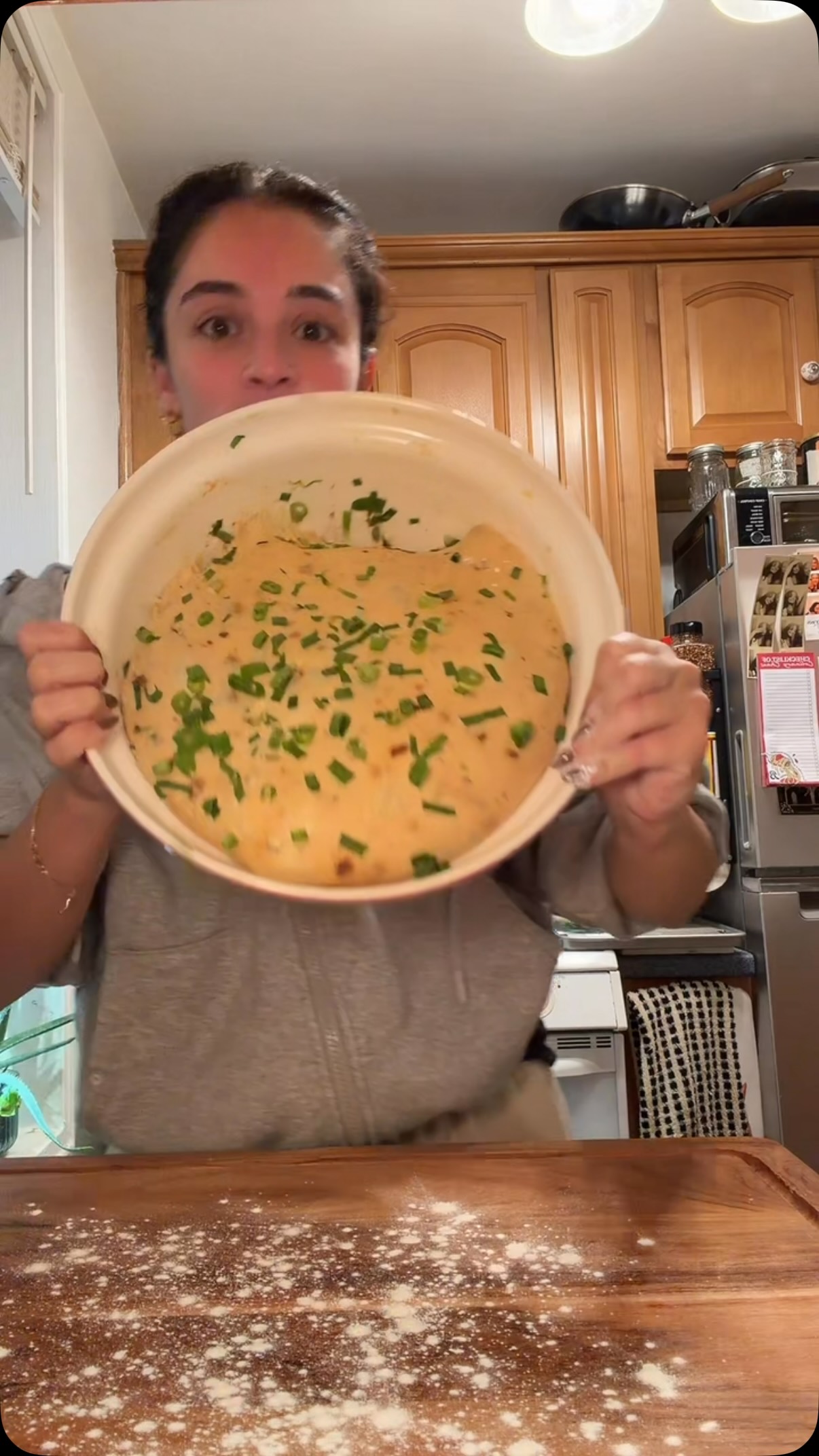
The Improvisational Build
Begin the 'salvage' by introducing the first new, unplanned element or modification, showing the problem-solving process in action.
- 7
The Self-Aware Aside
Insert a brief, humorous meta-commentary or internal thought that reveals personality and builds a deeper connection with the audience.
- 8
The Compounding Build
Introduce a second unplanned element, layering the improvisation and building on the new creative direction.
- 9
The Concession of Imperfection
Verbally acknowledge a specific aspect of the project that is still not working as originally intended, managing expectations and reinforcing the 'salvage mission' theme.