@mirandadoesbrands
TikTok · Talking Head Edit
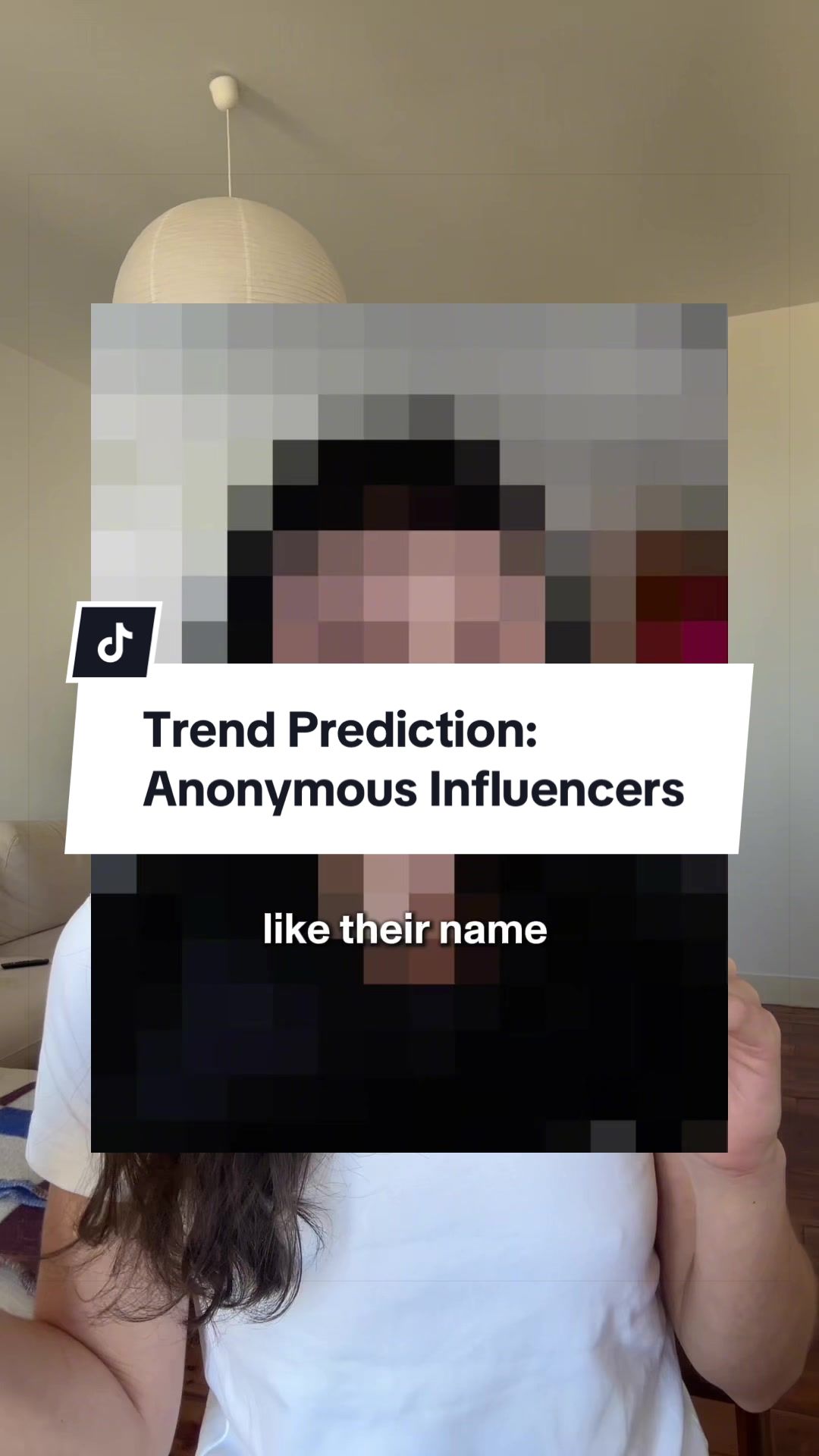
@mirandadoesbrands When privacy is the new aspiration, what does that mean for the creator economy? #influencers #privacy #statussymbol

@mirandadoesbrands
TikTok · Talking Head Edit
@mirandadoesbrands When privacy is the new aspiration, what does that mean for the creator economy? #influencers #privacy #statussymbol
Performance
Video #31398 · Talking Head Edit
[01]
The creator presents a thesis arguing that the next major trend in the creator economy will be the 'anonymous influencer.' She supports this by explaining that as online visibility becomes a mandatory 'tax' for success, privacy has become the new aspirational luxury, citing how the ultra-wealthy pay for it. She concludes that anonymous creators will sell their audience the concept of freedom and privacy, a desire that is growing in an over-exposed digital world.
[02]
[03]
 98.4K5×Predicts next founder content trend@mirandadoesbrands · Predictions
 147.4K20.9×Thesis on community's marketing value@mirandadoesbrands · Opportunity Explainer
 294.1K58.2×Explaining new influencer marketing trend@mirandadoesbrands · Breakdown
 1.3M1.5×Creator rants about influencer culture and the TikTok ban@bradley.thor · Vulnerable Monologue
 269.4K5.7×Creator explains the return of blogging@juliabroome · Breakdown
 261.5K61.6×Analyzing new influencer ad trend@mirandadoesbrands · Breakdown
 373K70.3×Explaining a counterintuitive social skill@mirandadoesbrands
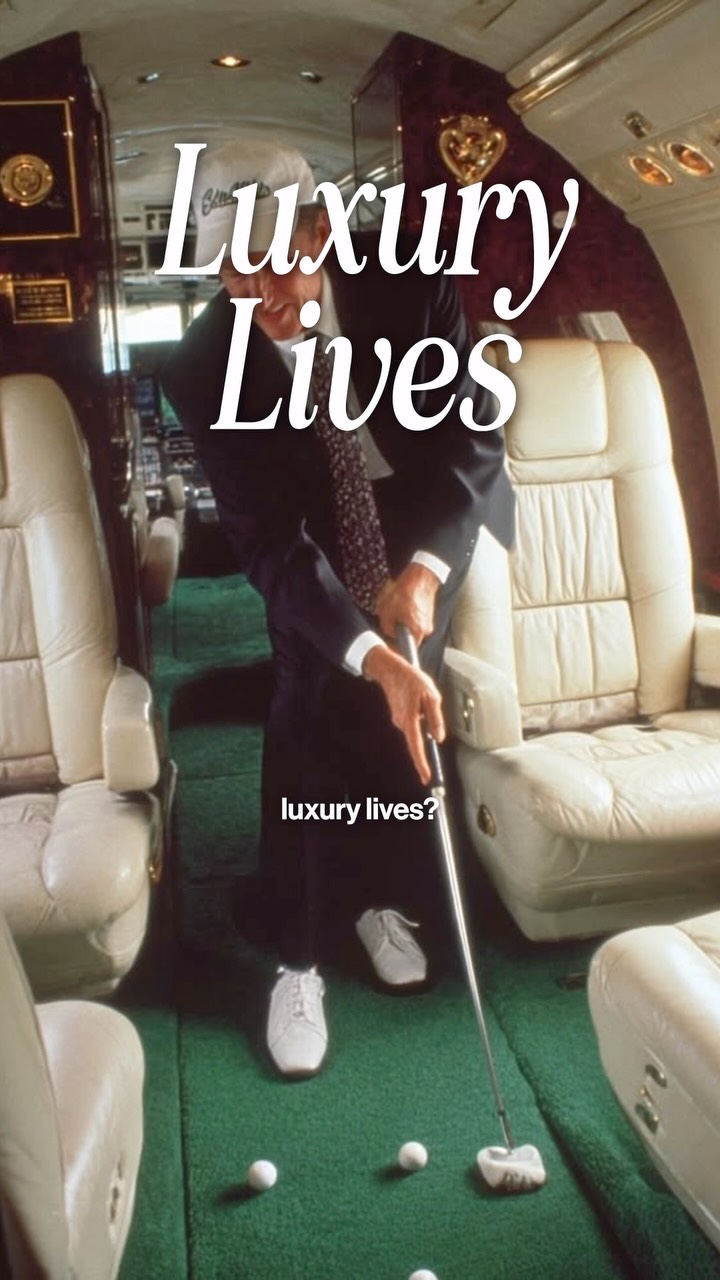 154.6KExplainer on hybrid creator income@orenmeetsworld · Opportunity Explainer
 1.2M22.9×Podcast clip discussing creator obligations@shamelesspodcast · Breakdown
 179.8K5.4×Why social media content is aspirational@var.aunevik · Breakdown
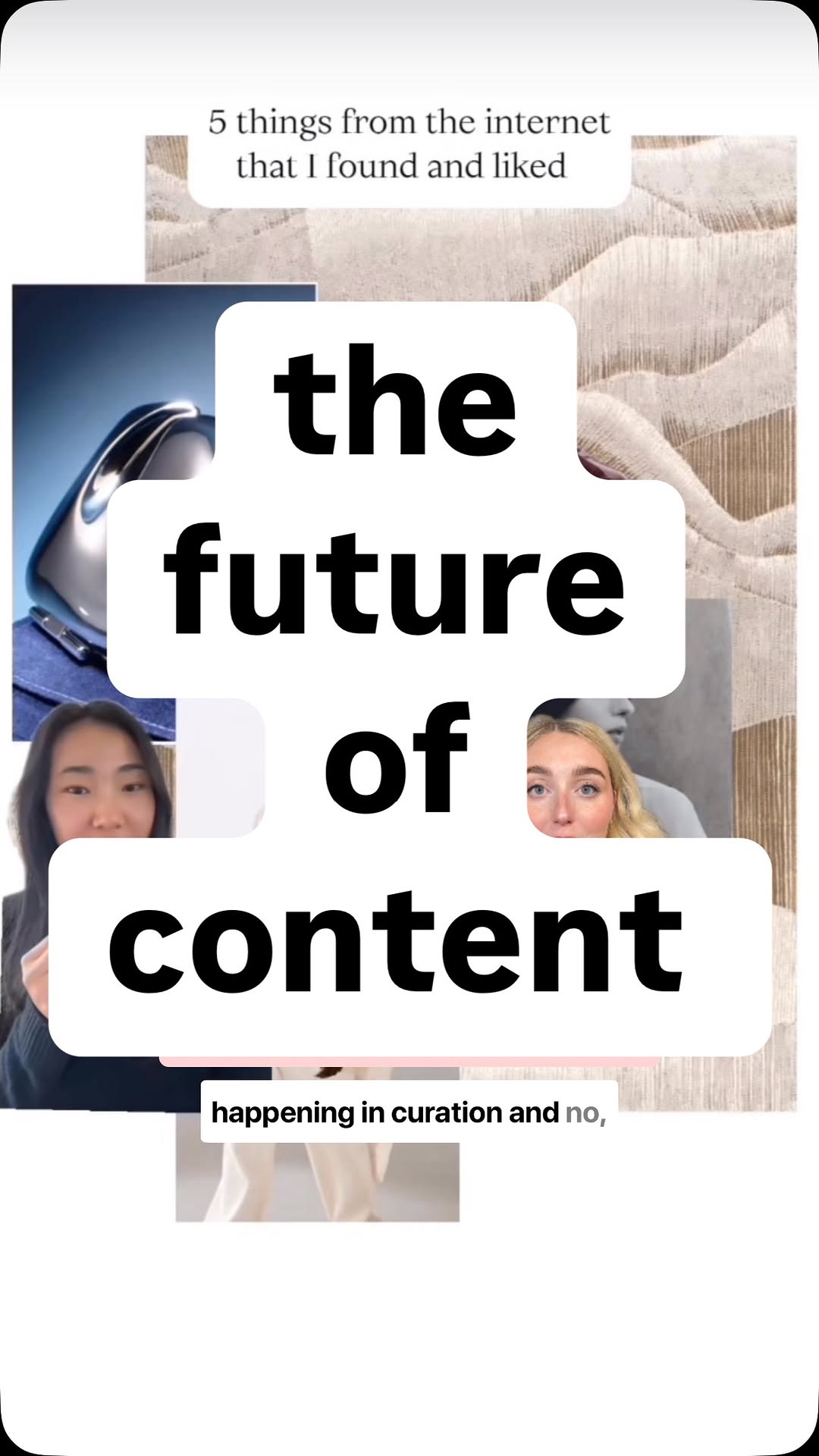 487.8KCreator argues curation is replacing mass content creation@samogborn · Explainer
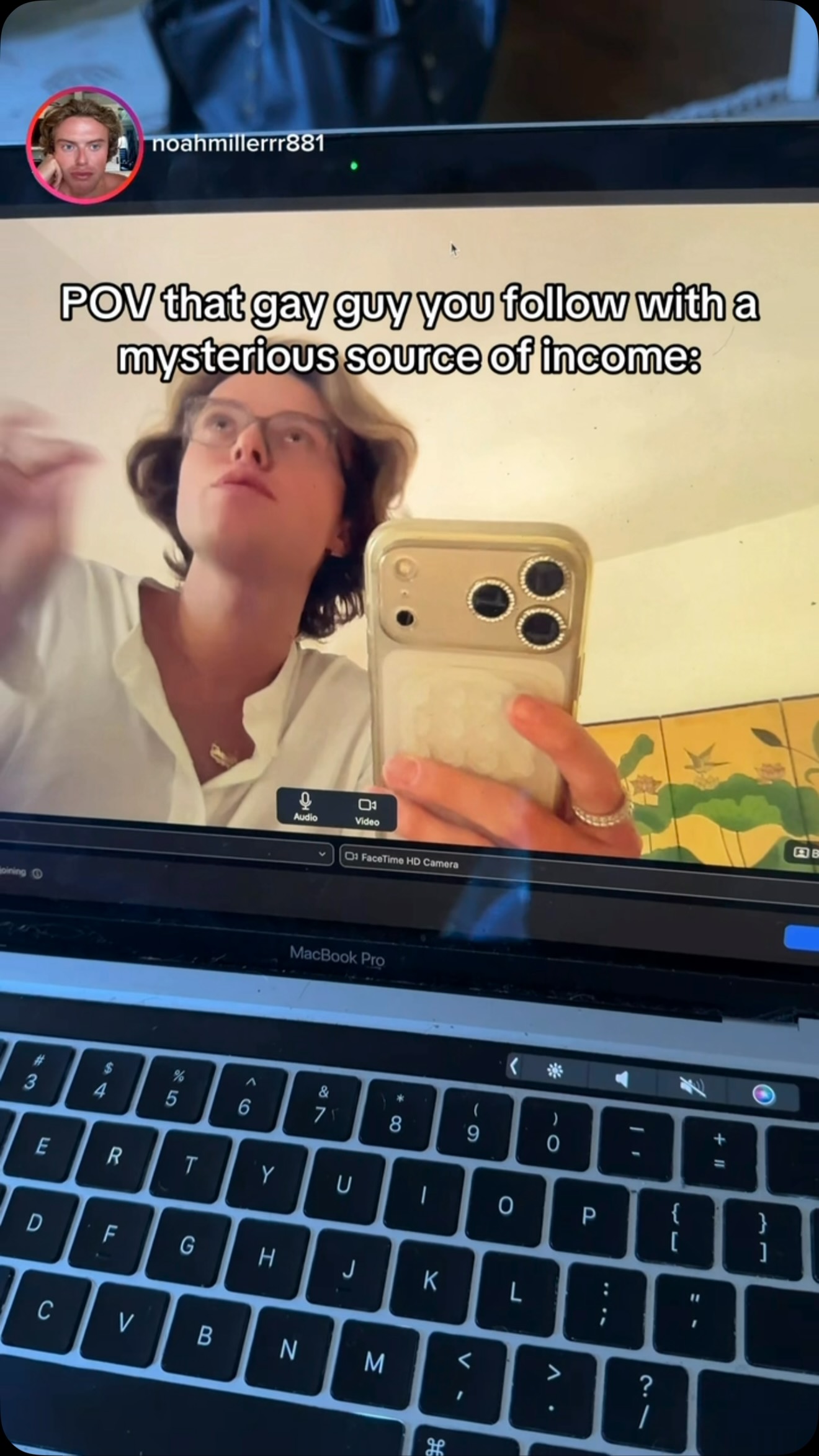 534.8K12.4×Satirical influencer lifestyle montage@nmillz · Stereotype Satire
[04]
[05]
What stops the scroll in the first 3 seconds
Title hook · 55%
The Rise of the Anonymous Influencer
Verbal hook · 40%
I think the next big influencer could be entirely anonymous.
Visual hook · 5%
The video opens with a central shot of the speaker, immediately layered with two smaller B-roll clips on either side of her head, creating a dynamic, multi-layered visual composition.
[06]
Steal this for your own video
The next big will be entirely .
[07]
The promise the opener makes, and how the video pays it back
Hook
A bold, counter-intuitive prophecy that challenges a commonly held belief about the topic, creating immediate intellectual curiosity.
Payoff
The Prophecy Fulfilled. This final beat defines the new archetype, product, or behavior that will inevitably arise from this value shift. It reframes what this new thing offers not as a simple good, but as a solution to the central conflict—an intangible freedom or state of being.
[08]
The structural pattern this video runs on
Framework
The Inevitable Trend
To present a contrarian prediction about a future trend by establishing a shift in cultural values, using high-status examples as proof, contrasting it with the current reality for the masses, and concluding with the logical emergence of a new archetype or solution.
The Status Inversion
Subverts the current, accepted measure of status (e.g., high follower count) and introduces a new, opposing one as more valuable (e.g., zero online presence).
The Central Conflict
Explains the underlying system or economy at play and poses a 'what if' question that frames the core tension of the narrative (e.g., 'What happens when the aspiration changes?').
The High-Status Proof
Provides external evidence, often from a reputable source or by citing elite behavior, to validate that the predicted shift is already happening at the highest levels.
The Relatability Bridge
Contrasts the freedom of the elite with the constraints of the average person, making the abstract problem feel personal and inescapable for the viewer.
The Devaluation of the Old Way
Argues that the old status symbol or behavior has become so common ('a mandatory tax') that it has lost its aspirational value.
The New Aspiration
Explicitly states the new value or desire that has replaced the old one, serving as the thesis statement for the argument's conclusion.
When privacy is the new aspiration, what does that mean for the creator economy? #influencers #privacy #statussymbol
title · beginning
The Rise of the Anonymous Influencer
informational · middle
The Ultrarich Are Spending a Fortune to Live in Extreme Privacy
informational · middle
64% of Gen Z
informational · middle
Is it possible to have a successful business without social media in 2023?
informational · end
Is Privacy the New Luxury?
The next big influencer could be entirely anonymous because now having zero social media presence is more of a flex than having a 100,000 followers. The creator economy functions by monetizing human desires. So what happens when the aspiration becomes privacy? The Wall Street Journal published an article about how the ultra wealthy are spending fortunes to live a life of extreme privacy, having every morsel of digital data scrubbed from the Internet, going to great lengths to ensure that nobody knows where they are or what they're doing, while the rest of us can't afford to be offline. So we depend on the visibility, the access, the network that it gives us. We've reached a point where 64% of Gen z consider themselves creators. For years, influencers made visibility aspirational. Now that it's a mandatory tax that we all have to pay in order to achieve our goals or be successful, privacy is the new aspiration, which is why I think it's inevitable we'll see the rise of the anonymous better, someone who takes you inside their life, their inner world, but while concealing core identifying features like their name and their face. Influencers have always sold us things we want. The anonymous influencer will sell us the freedom we wish we had.