Viral Hooks
Trending short videosAmerican vs Chinese emotional rules
I

@imyoyoyue

Instagram · Speaker address

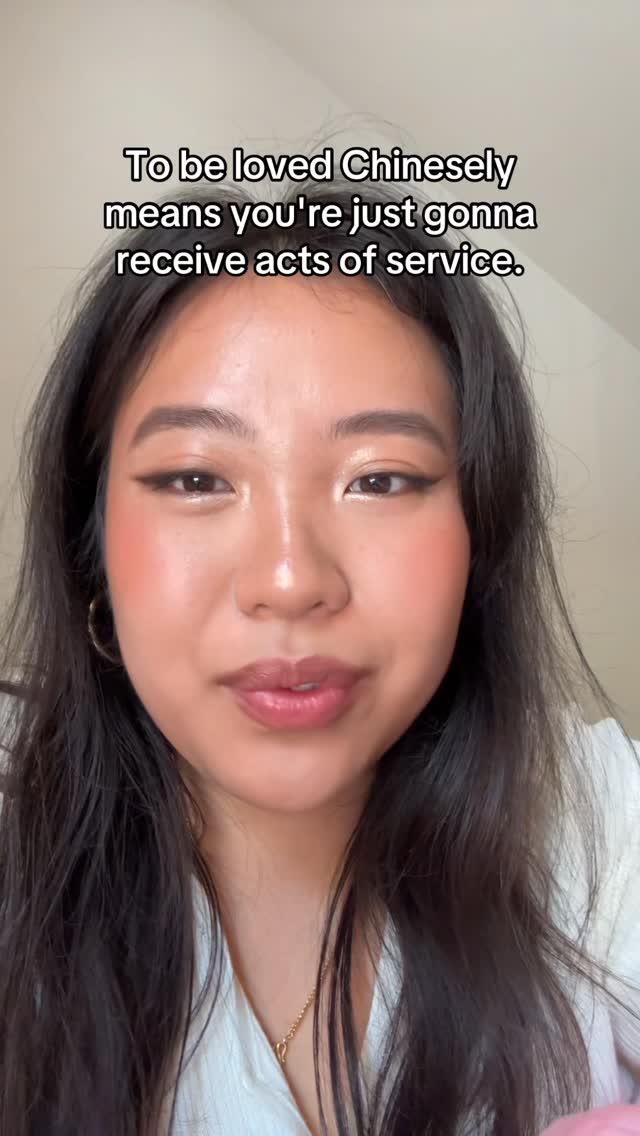
@imyoyoyue Cheerleading Culture vs. Low-Key Culture. 拉拉队文化 vs. 低调文化. One thing people don’t talk about enough, but shows up everywhere in our lives, is that every culture has its own emotional rules. In America, you’re not really supposed to look sad. You’re expected to be positive, busy, social, productive, and “doing great.” But in Chinese culture, you’re not really supposed to look too happy either. You’re expected to stay low-key, humble, and quietly do well. Curious if anyone else feels this too 🤍 and which one do you prefer? 🇨🇳or 🇺🇸

View original on Instagram

The edit1 shot · 1 text
Shots Text1:11

Performance

Views
521.5K
Likes
18.4K
Comments
574
Engagement
3.6%
Outlier
6.4×
Length · 6 Jun 2026
1:11

Video #32046 · Speaker address

American vs Chinese emotional rulesfrom @imyoyoyue

[01]

Overview

The creator compares the cultural expectations for expressing emotions in America versus China. She argues that American culture pressures individuals to always appear positive and productive, while Chinese culture encourages being low-key and not appearing overly happy or proud. She supports her points with examples from daily life, like small talk, and a Chinese proverb, before sharing her personal experience as someone who feels caught between these two norms and concludes by asking for audience feedback.

[02]

Simple outline

  1. 1State a cultural paradox
  2. 2Deconstruct the first norm
  3. 3Deconstruct the opposing norm
  4. 4Inject personal experience
  5. 5Prompt audience debate

[03]

Related videos

[04]

Classification

Concepts
Cultural RantBreakdown
Elements
Title Text HookJump CutFollow / Subscribe CTAEngagement CTA

[05]

Hook analysis

What stops the scroll in the first 3 seconds

Title hook · 55%

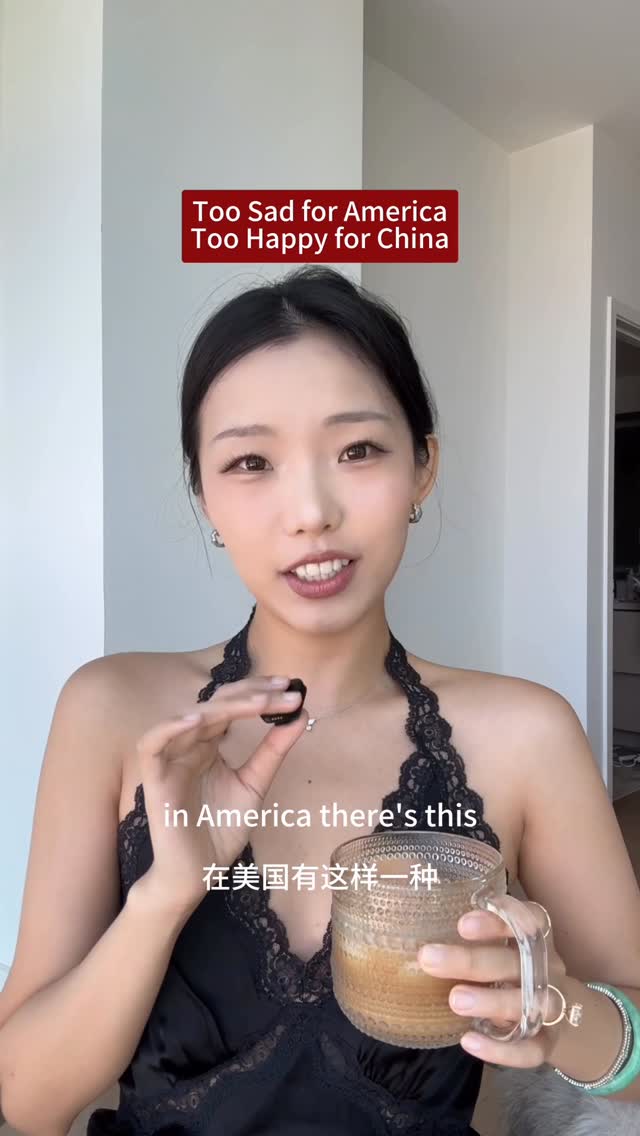
Too Sad for America Too Happy for China

Verbal hook · 40%

America doesn't really let you look sad. China doesn't really let you look too happy.

Visual hook · 5%

A medium close-up of the speaker holding a small, dark object between her fingers and a glass mug, using hand gestures to emphasize her points.

[06]

Hook template

Steal this for your own video

Too [emotional extreme] for [culture/group A], Too [opposite emotional extreme] for [culture/group B]

  • — Too Emotional for Corporate, Too Stoic for Therapy
  • — Too Modest for America, Too Boastful for Japan
  • — Too Casual for Fine Dining, Too Formal for Street Food Culture

[07]

Hook and payoff

The promise the opener makes, and how the video pays it back

Hook

A concise, provocative statement that presents two seemingly contradictory social rules from different cultures, immediately establishing a clear thesis and tension.

Payoff

A direct question to the audience that invites them to share their own experiences and opinions on the topic, followed by a standard call to action for comments and follows.

[08]

Narrative framework

The structural pattern this video runs on

Framework

The Cultural Paradox Deconstruction

Presenting a surprising, paradoxical observation about two opposing cultural norms, deconstructing each side with specific evidence, grounding it in personal experience, and resolving the paradox with a unifying insight to spark debate.

  1. 1

    The 'A' Case Study

    Elaborates on the first half of the paradoxical statement. Defines the cultural norm and provides a common, relatable example (e.g., small talk) to prove its existence and social implications.

  2. 2

    The Narrative Inversion

    A clear transitional phrase that pivots the narrative to introduce the opposing viewpoint as a direct contrast to the first.

  3. 3

    The 'B' Case Study

    Elaborates on the second half of the paradoxical statement. Defines the opposing cultural norm and supports it with specific, insider evidence (e.g., a proverb or common saying) to lend it authority.

  4. 4

    The Personal Stake

    Connects the abstract cultural analysis to a personal story or identity, demonstrating the real-world emotional impact of these norms and making the creator more relatable.

  5. 5

    The Grand Synthesis

    Concludes by synthesizing the two opposing ideas into a single, insightful takeaway that reframes the initial paradox, providing a satisfying intellectual resolution.

Themes

  • Cultural identity
  • Social pressure
  • Emotional regulation
  • Cross-cultural communication

Techniques

  • Comparative analysis
  • Personal anecdote
  • Cultural proverb

Post caption

Cheerleading Culture vs. Low-Key Culture. 拉拉队文化 vs. 低调文化. One thing people don’t talk about enough, but shows up everywhere in our lives, is that every culture has its own emotional rules. In America, you’re not really supposed to look sad. You’re expected to be positive, busy, social, productive, and “doing great.” But in Chinese culture, you’re not really supposed to look too happy either. You’re expected to stay low-key, humble, and quietly do well. Curious if anyone else feels this too 🤍 and which one do you prefer? 🇨🇳or 🇺🇸

Text overlays

  • title · beginning

    Too Sad for America Too Happy for China

Transcript

America doesn't really let you look sad. China doesn't really let you look too happy. In America, there's this very strong positive energy culture. Everyone is supposed to look like they're doing great, staying motivated, living their best life, being social and productive. Even small talks reflect that. On Monday, people rank, how was your weekend? And the socially acceptable answer is usually something like, oh, it was great. I went tier. I did that. I saw friends. I tried this restaurant. You're kind of expected to have a fun answer. But if you say, honestly, I just stay home and did nothing. Sometimes you feel like people don't really know what to do with that. It feels like your life is supposed to look full and exciting. But in Chinese culture, it can be the opposite. If you look too happy, too excited, too proud, or too openly pleased with your life, people can get uncomfortable too. Growing up, we're taught to be low key. Don't show off, don't act too happy, Don't make people jealous, even if your life is going well. You're supposed to be quietly enjoying it, and not say too much. There's this Chinese phrase mentioned which basically means make your money quietly. Do well quietly. Don't announce everything. But I've always been naturally a pretty excited worse, so this is something I no a lot. Sometimes in Chinese spaces, if you're too visibly happy, you'll almost react like, why are you so happy? What is there to be so happy about? And I'm like, wait, if nothing is happening, why can't I be happy? So I feel like the two cultures almost pressure you in slightly opposite ways. What do you think of this difference? Let me know in the comments and follow for more.

American vs Chinese emotional rules | Viral Hooks