@fineasjackson
Instagram · Talking Head Edit
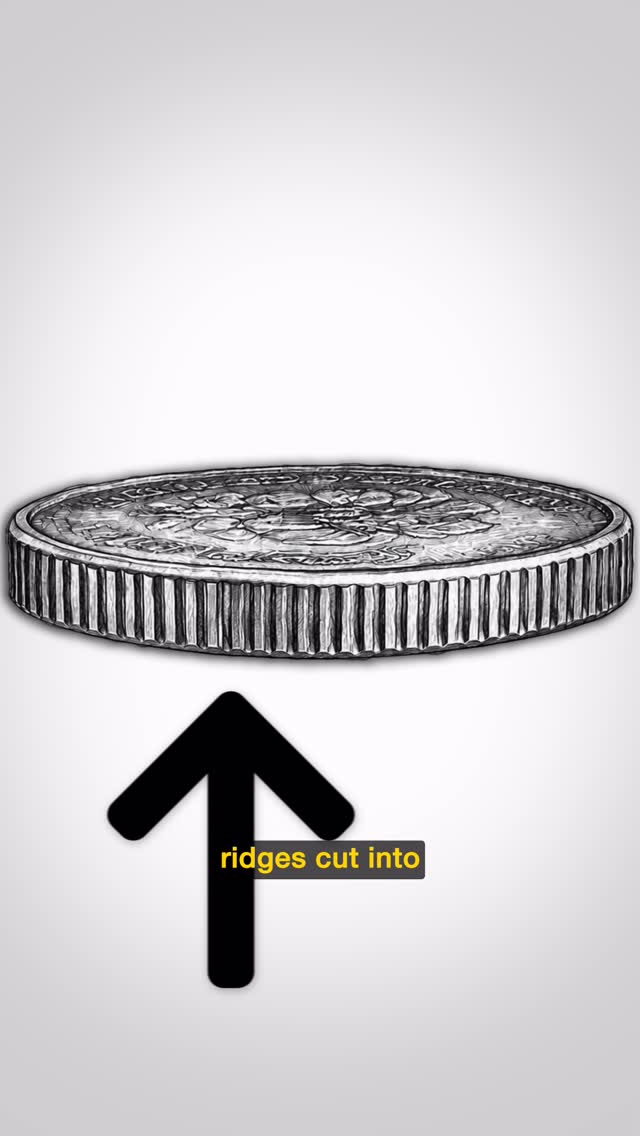
@fineasjackson Why are there weird ridges on your coins? What are they for?

@fineasjackson
Instagram · Talking Head Edit
@fineasjackson Why are there weird ridges on your coins? What are they for?
Performance
Video #33717 · Talking Head Edit
[01]
The creator poses the question of why some coins have ridges while others don't, then debunks common assumptions. He reveals the ridges are a historical anti-theft measure from 17th-century England and uses animated sketches to explain the crime of 'coin clipping,' where criminals would shave precious metals off coins.
[02]
[03]
 3.1M2.3×Analyzes funny thick nickel business@imsteviesells · Novel Review
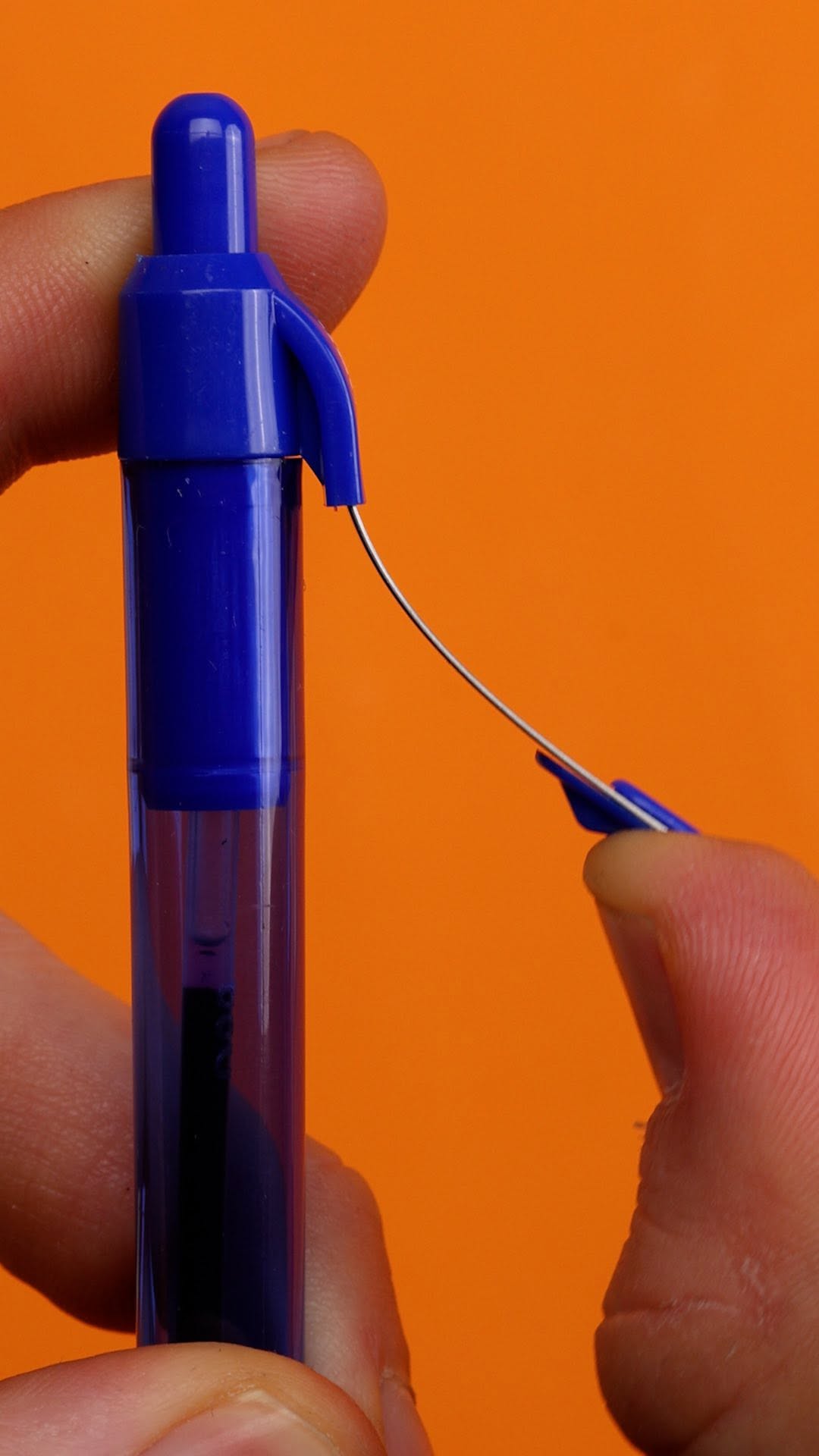 15.7M3.6×Design breakdown of money clip mechanics@craighillcompany · Breakdown
 2.8M4.3×Explaining the why behind dice@craighillcompany · Breakdown
 94.5KAnimated crypto hack explainer video@mooncoiners · Case Study Breakdown
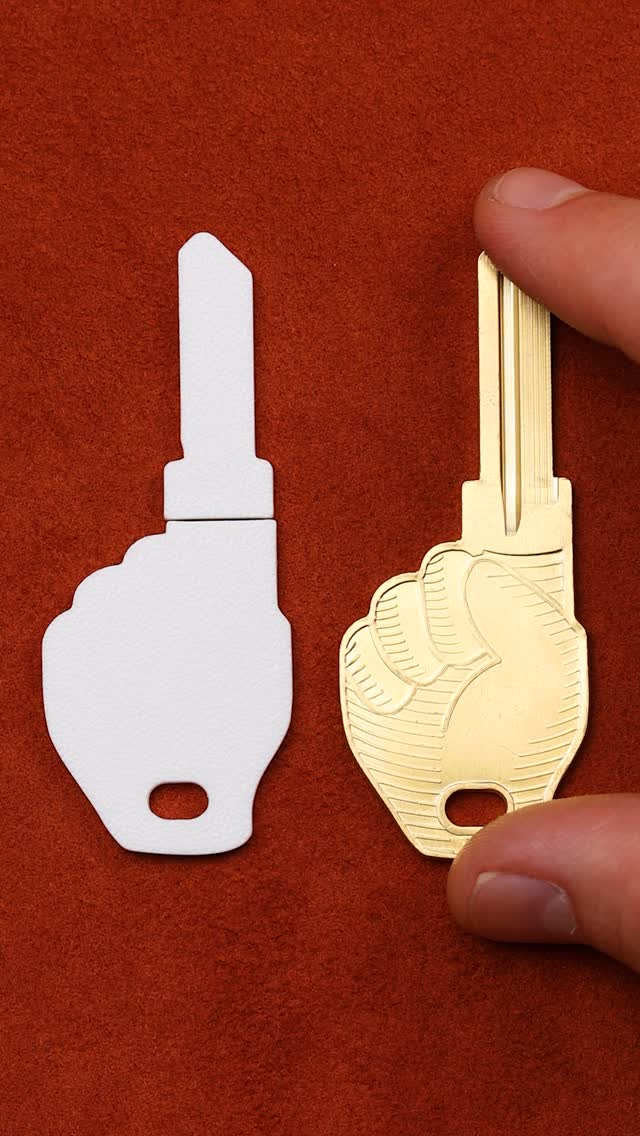 1.1MStory behind unique key design@craighillcompany · Behind The Scenes
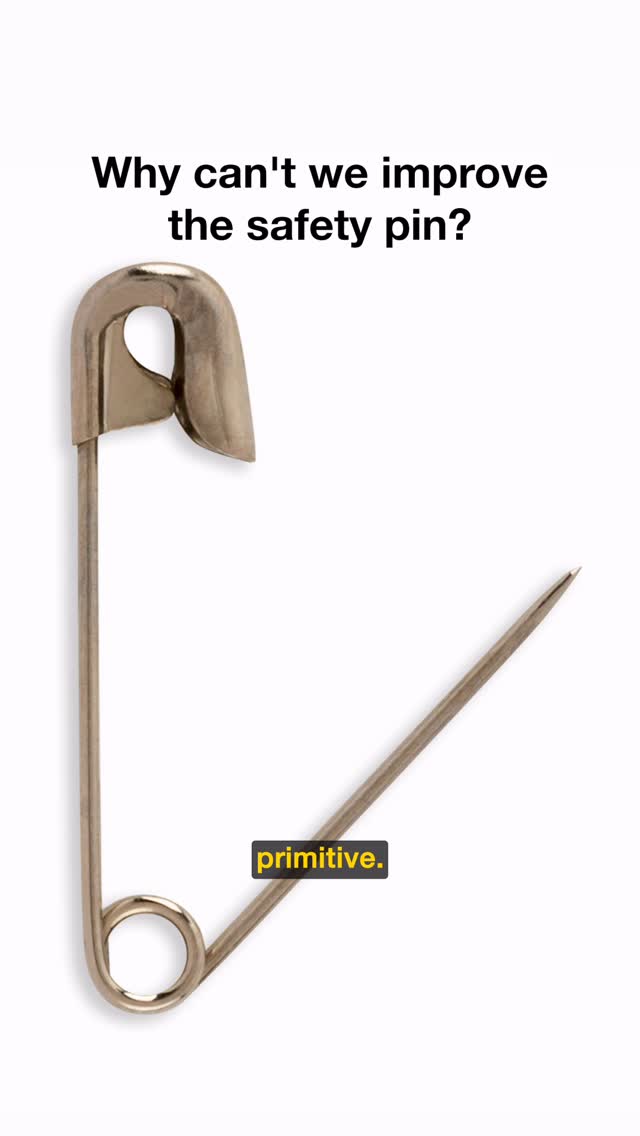 1M56.7×Explaining the genius of a simple object@fineasjackson · Strange but True
 1.9M1.4×Explains found crypto wallet scenarios@cryptocomix · Breakdown
 4.9M1.1×Fixing card case design flaw@craighillcompany · Origin Story
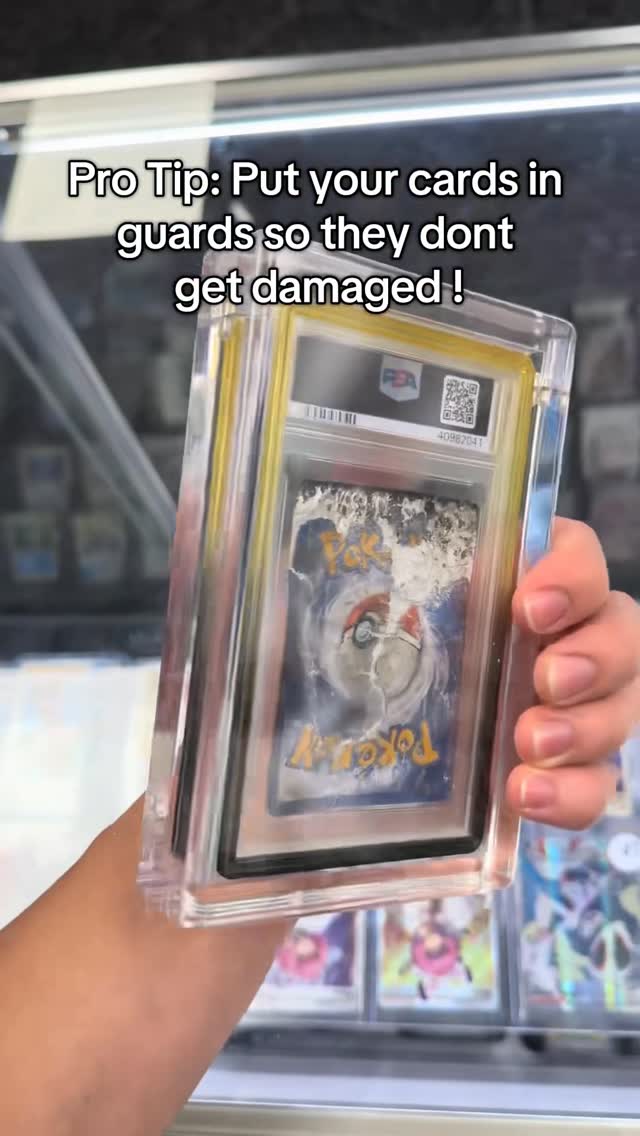 5.2M26.4×Sarcastic tip reveals pristine card@genericcards · Surprise Reveal
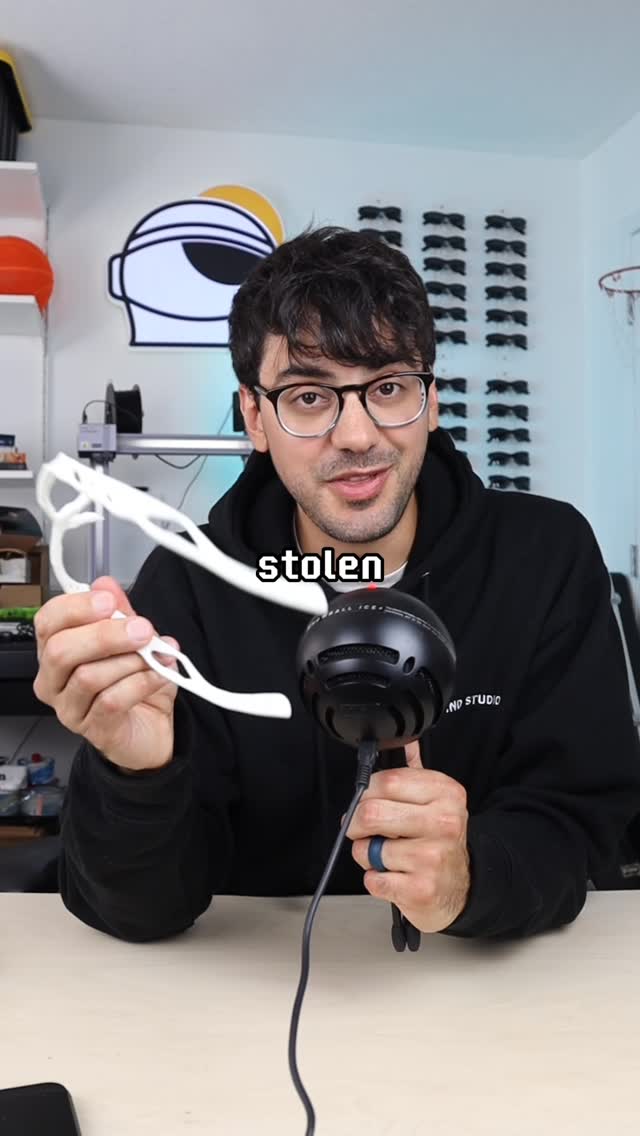 1.2MBusiness owner addresses stolen design leak@imsteviesells · Behind The Scenes
 192.8K8.3×Animated breakdown of foldable screens@inside_decoded · Breakdown
 4.8M1×Redesigning keyrings with a tab@craighillcompany · Origin Story
[04]
[05]
What stops the scroll in the first 3 seconds
Title hook · 45%
Why do coins have ridges?
Verbal hook · 15%
Look at this quarter.
Visual hook · 40%
A medium close-up of a speaker in a hoodie and sunglasses, followed by an extreme close-up shot of the ridged edge of a coin.
[06]
Steal this for your own video
Why does have ?
[07]
The promise the opener makes, and how the video pays it back
Hook
A direct question about a common object is posed, followed by a visual comparison that highlights an unexplained inconsistency, making the viewer question their own perception of something familiar.
Payoff
The payoff is the viewer's newfound understanding of the 'why' behind the mystery. The narrative concludes by fully explaining the historical problem, making the (often unstated) solution self-evident and satisfying.
[08]
The structural pattern this video runs on
Framework
The Hidden History Framework
To take a mundane, everyday object or feature, create a curiosity gap by questioning its purpose, and then reveal its dramatic, unknown origin story rooted in a historical problem.
The Contrasting Observation
Presents two similar but different everyday items to establish a clear, visual mystery that the audience has likely never considered.
The Common Misconception
Anticipates and dismisses the most obvious, simple explanations, signaling to the viewer that the true answer is more complex and interesting.
The Dramatic Thesis
Reframes the mundane feature as the result of a high-stakes historical conflict, introducing concepts like 'crime wave' and 'brilliant scientist' to elevate the narrative stakes.
The Time Jump
Transports the audience to a specific historical setting, establishing the context required to understand the origin of the problem.
The Foundational Premise
Explains the single most important piece of background information that makes the entire conflict possible (e.g., coins had intrinsic value).
The Criminal Mechanism
Provides a clear, step-by-step explanation of the 'loophole' or problem, detailing exactly how the antagonists exploited the system.
The Problem's Escalation
Reveals how the initial problem was compounded or taken to a further extreme, intensifying the need for a solution and increasing the narrative tension.
Why are there weird ridges on your coins? What are they for?
title · beginning
Why do coins have ridges?
branding · middle
"Chasing Beauty" Episode 54
Look at this quarter. Do you see those strange tier ridges on the edge? No, grab a nickel. It's completely smooth. They're from the same country, the same mint, but one has a 119 little grooves carved into the rim and the other has nothing. You might think the ridges are for grip or decoration better aren't. They're the physical scar of a 300 year old crime wave and the brilliant scientist who stopped it. This is Chasing Beauty episode 54 rank today we're looking at the edge of the quarter. To understand the ridges, we need to go back to seventeenth century England. Back then, money wasn't just representative. Coins were actually made of gold and silver. And criminals figured out a massive loophole. It was called clipping. A thief would take a silver coin, shave a tiny sliver of metal off the edge, and then spend the slightly smaller coin at full face value. Then they'd collect all those silver shavings, melt them down into a bullion, and get rich. Someone even further. Pressing the melted silver into counterfeit coins and then spending those too. And because coins worse