@craighillcompany
Instagram · Talking Head Edit
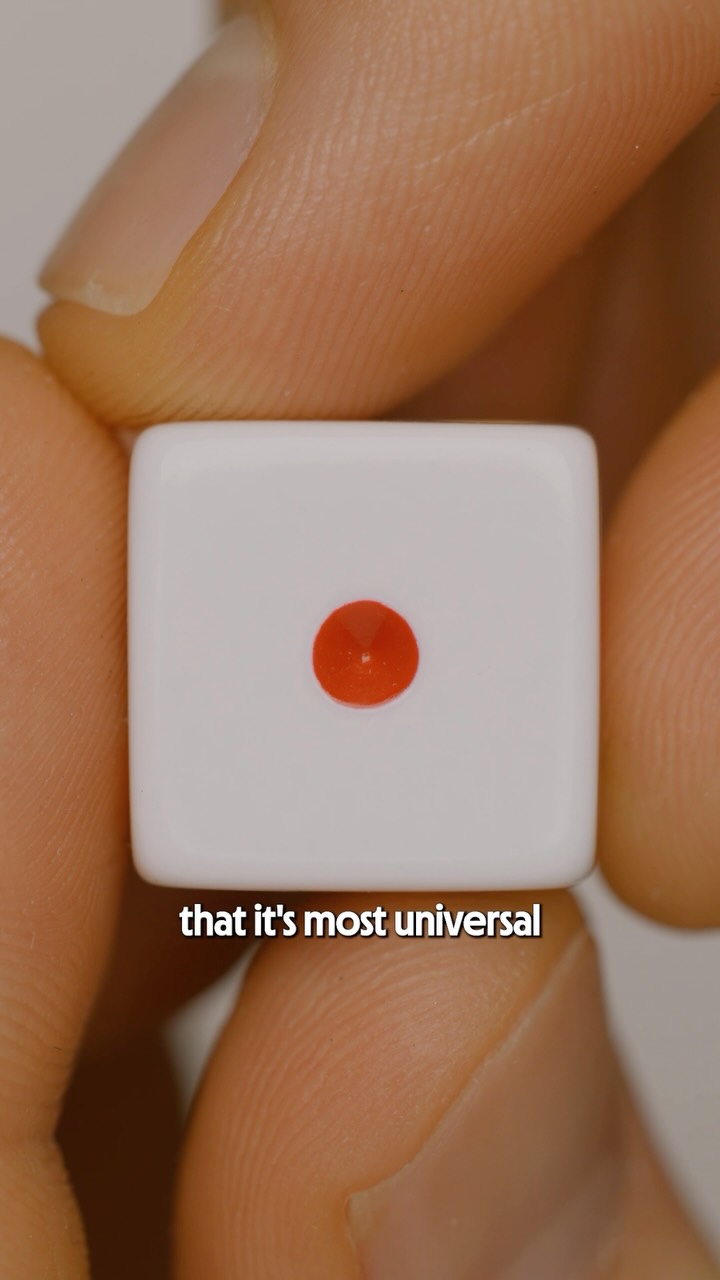
@craighillcompany The surprising beauty of a simple pip. What's your favorite example of a pip? If you liked this, check out the full video on the Craighill YouTube channel 📺

@craighillcompany
Instagram · Talking Head Edit
@craighillcompany The surprising beauty of a simple pip. What's your favorite example of a pip? If you liked this, check out the full video on the Craighill YouTube channel 📺
Performance
Video #40475 · Talking Head Edit
[01]
The speaker explains the functional and historical reasons behind the design of pips on dice. He details why they are inset for durability, shows ancient examples to prove their longevity, and discusses how their symmetrical, non-literacy-based layout makes them a universal and effective method for representing numbers.
[02]
[03]
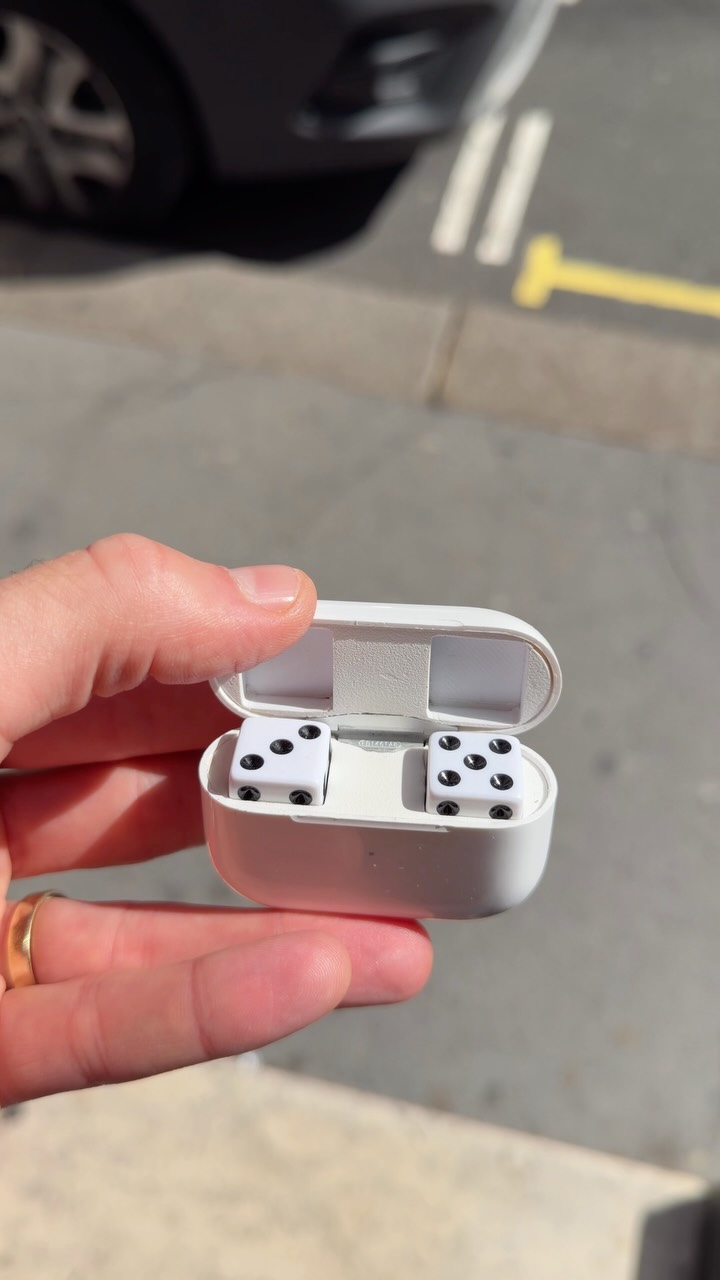 1.5M4.8×Repurposed AirPods case dice shaker@pablo.rochat · Showcase
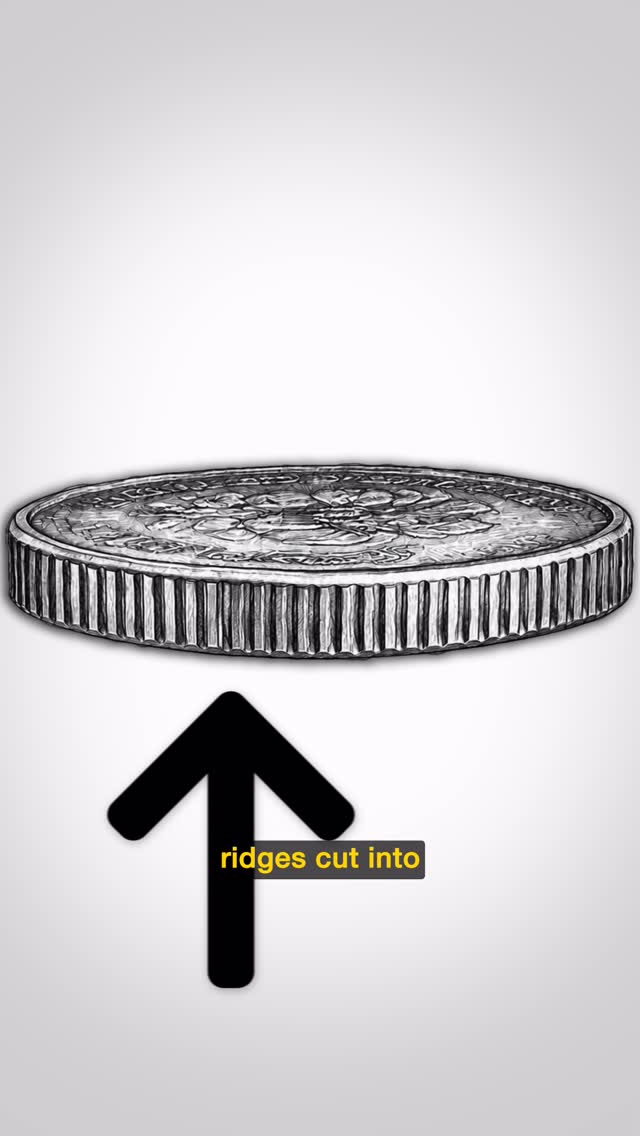 179.9K10×Explains historical reason for coin ridges@fineasjackson · Strange but True
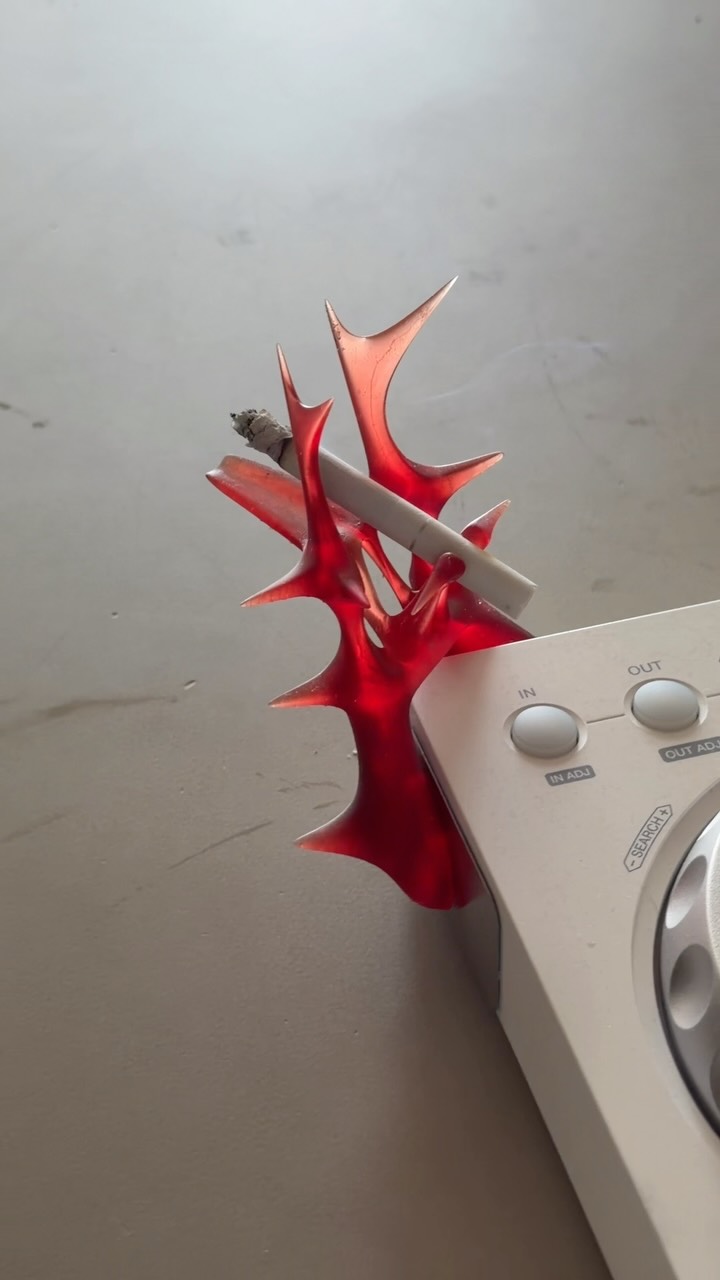 501.6K19×Designing a cigarette holder for DJs@thesunkenblimp · Product Demo
 171.4KReal or egg guessing game@thecuriositybox · Social Game Challenge
 2.7M1.6×Product design origin story@craighillcompany · Origin Story
 336K149.3×Creator demonstrates universal ruler invention@thecuriositybox · Origin Story
 15.7M3.6×Design breakdown of money clip mechanics@craighillcompany · Breakdown
 4.9M1.1×Fixing card case design flaw@craighillcompany · Origin Story
 3.1M2.3×Analyzes funny thick nickel business@imsteviesells · Novel Review
 6.3M1.5×Designer explains headphone stand shape origin@craighillcompany · Origin Story
 138.3K2.2×Car part origin story explainer@flock_mfg · Origin Story
 1.1MStory behind unique key design@craighillcompany · Behind The Scenes
[04]
[05]
What stops the scroll in the first 3 seconds
Verbal hook · 35%
The reason that the small dots on the face of each die, which are commonly known as pips, are inset and then filled with ink is because...
Visual hook · 65%
An extreme close-up macro shot of a die, with a metal tool resting on top, creating immediate visual intrigue and focusing on the object's details.
[06]
Steal this for your own video
An extreme close-up of with resting on it — before the camera pulls back to reveal why it was designed that way.
[07]
The promise the opener makes, and how the video pays it back
Hook
Poses a direct 'why' question about a specific, overlooked feature of a familiar object, creating an immediate curiosity gap by promising an explanation.
Payoff
Delivers a grand, conclusive statement that synthesizes all previous points, reframing the mundane object as a beautiful, perfect, or masterfully designed solution to a fundamental problem.
[08]
The structural pattern this video runs on
Framework
The Mundane Masterpiece
To deconstruct a common, everyday object or concept, revealing layers of hidden genius, history, and design principles, culminating in a profound re-evaluation of its significance.
The Functional Explanation
Provides the immediate, practical, and logical answer to the hook's question, satisfying the initial curiosity and establishing a baseline of understanding.
The Durability Proof
Visually and verbally demonstrates the consequence of the design choice, reinforcing the functional explanation by showing its superiority over alternatives and its resilience over time.
The Ancient Evidence
Introduces historical context or artifacts to establish the design's longevity and timelessness, adding a layer of authority and historical weight to the argument.
The Universal Principle
Elevates the discussion from mere function to a broader, more abstract principle, such as accessibility or universality, that the design embodies.
The Design Elegance Principle
Reveals a second, more subtle layer of design genius (e.g., symmetry, efficiency, ergonomics) that is not immediately obvious but enhances the user experience and adds to its perfection.
The surprising beauty of a simple pip. What's your favorite example of a pip? If you liked this, check out the full video on the Craighill YouTube channel 📺
call-to-action · end
Chapter 1: Pips Chapter 2: Nubs Chapter 3: Pips and Nubs Watch the full video now on YouTube @craighillcompany
Reason that the small dots on the face of each die, which are commonly known as pips, are inset and then filled with ink is because if they were just printed on the surface, like type printed on a page, the normal use of that die would slowly wear away at the mark and eventually you wouldn't know which best of the die corresponded to which number. This construction essentially prevents the printed mark from ever touching the surface you're rolling on, so it's never gonna actively wear away. And even if time does wear away, the ink the physical depression still remains to denote the number on the face of the tier. There are ivory die from five fifty two BC that still have the physical depression of each pip on each face. You'll also notice on these ancient die that the specific graphic layout on each face no largely unchanged. The pip's not just a durable mark, but it's actually also the most universal and ancient way they represent a number. The beauty of the pips does not require any literacy. They are all units that you just have to count up. On top of that, as you add more pips, they're arranged in a way to maintain the maximum level of rotational symmetry. So anybody sitting around the table can just as easily quickly read what number is on the die. I truly believe that it's the most universal and also beautiful method of representing a number. Thankfully, hips are not confined only to the face of die.