Video #33870 · Vlog
Chef's nostalgic food preparation processfrom @omaweii
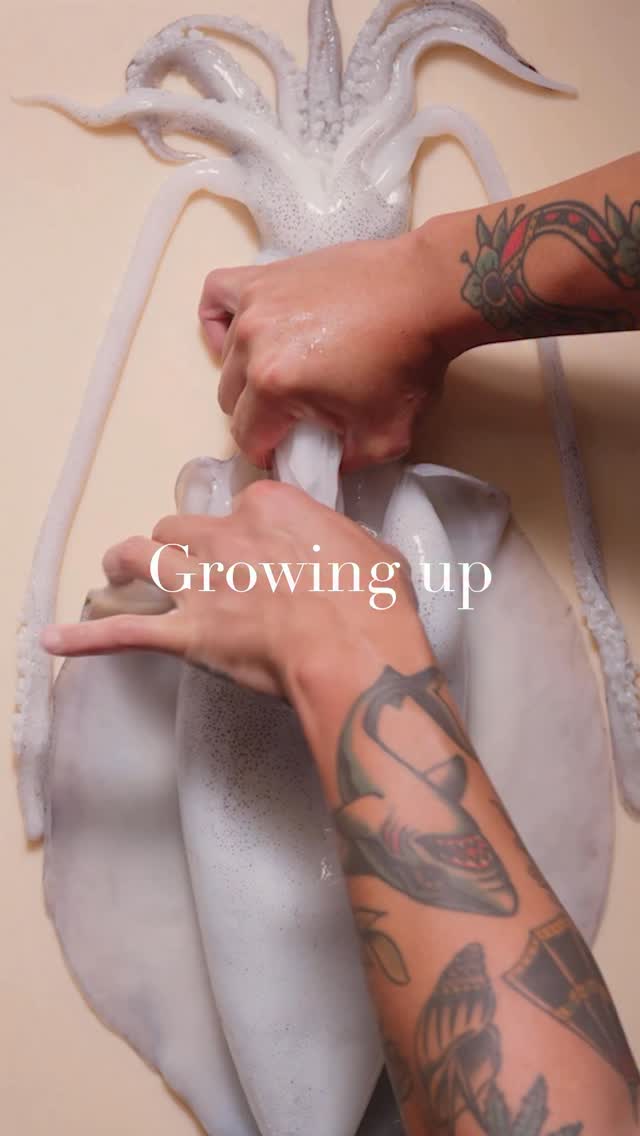
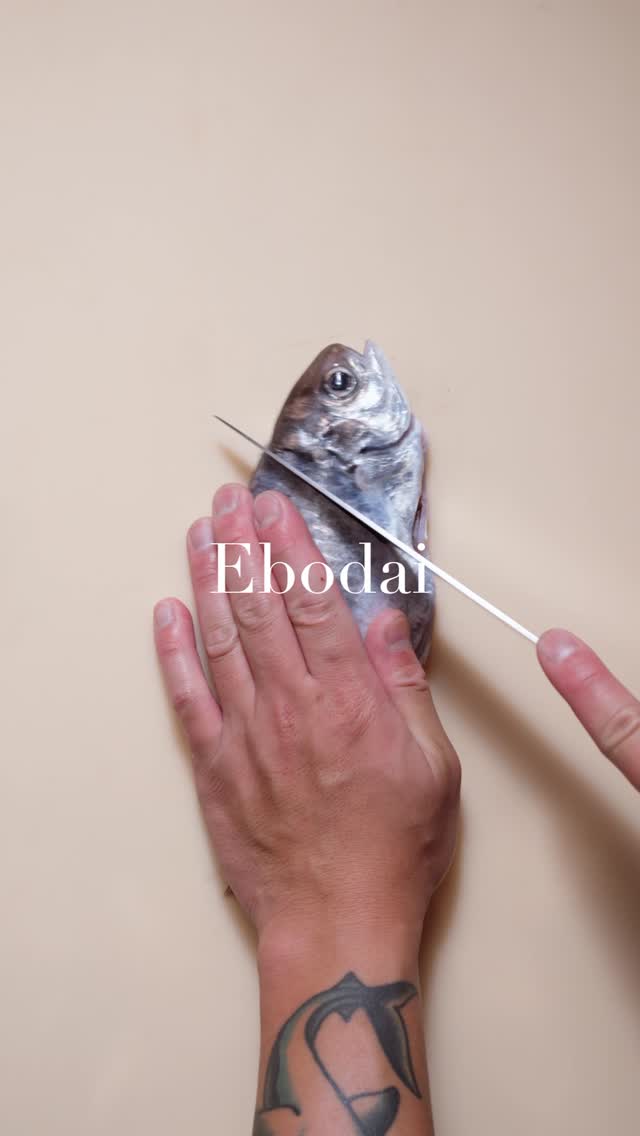
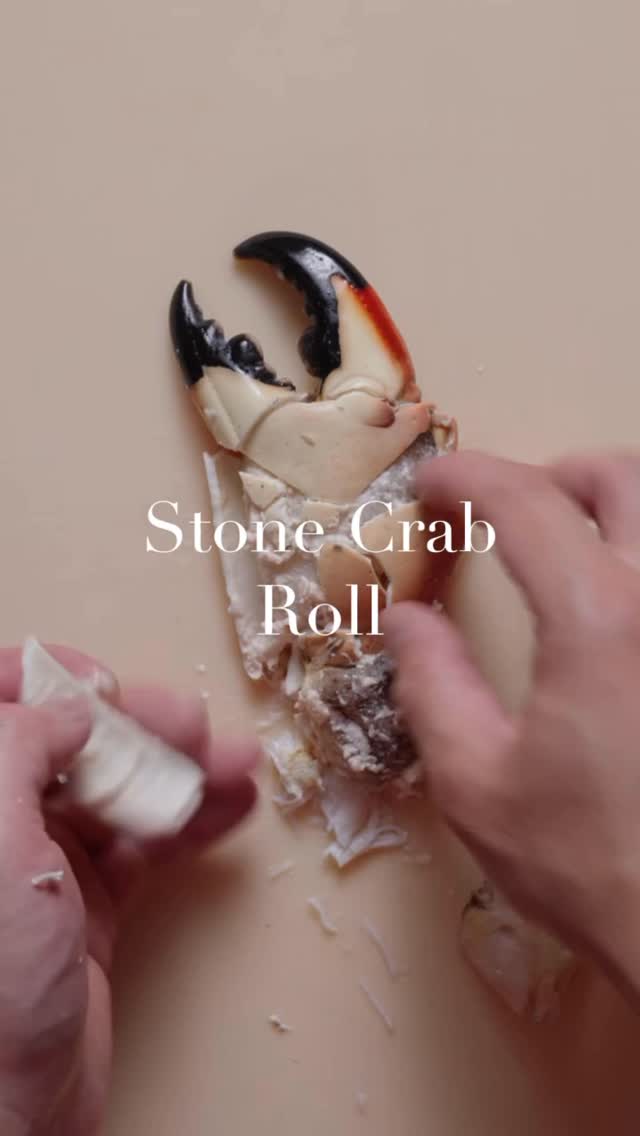
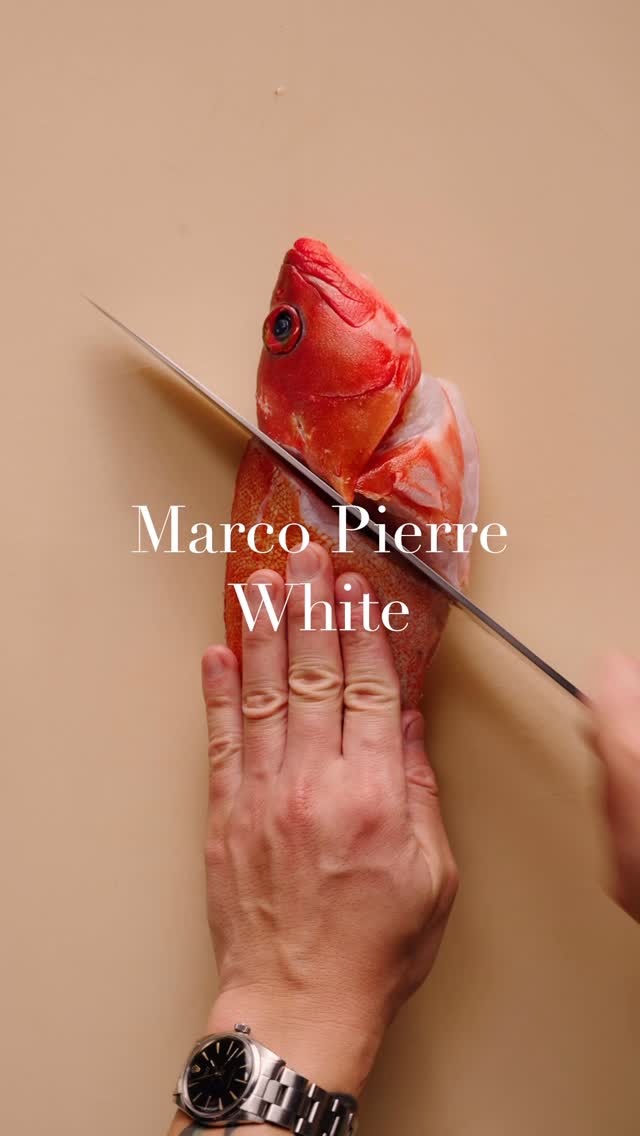
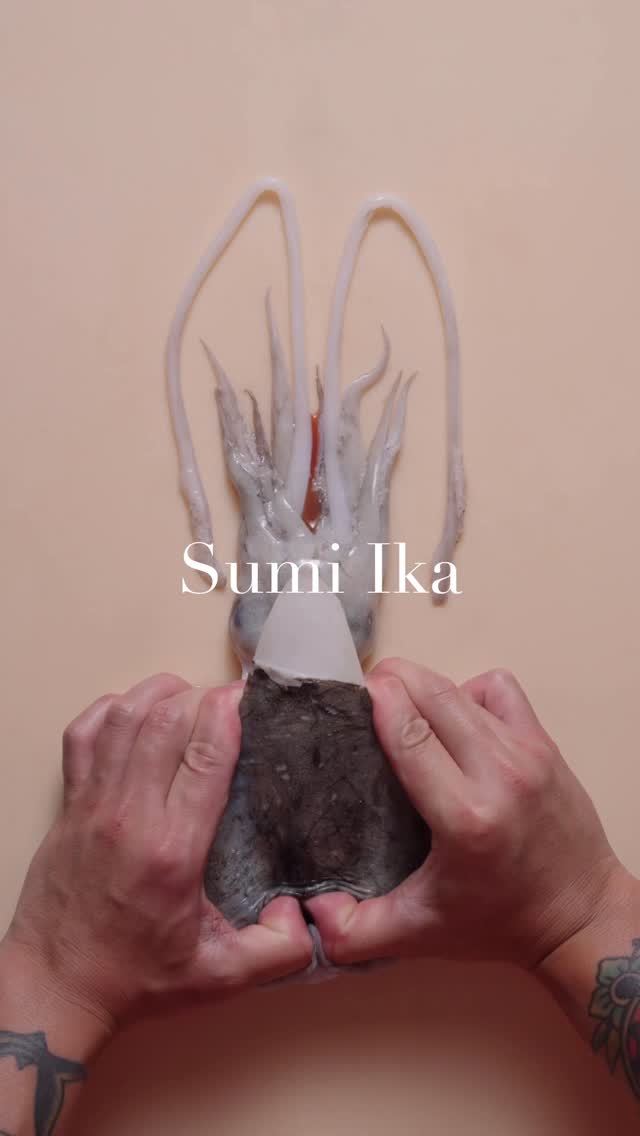
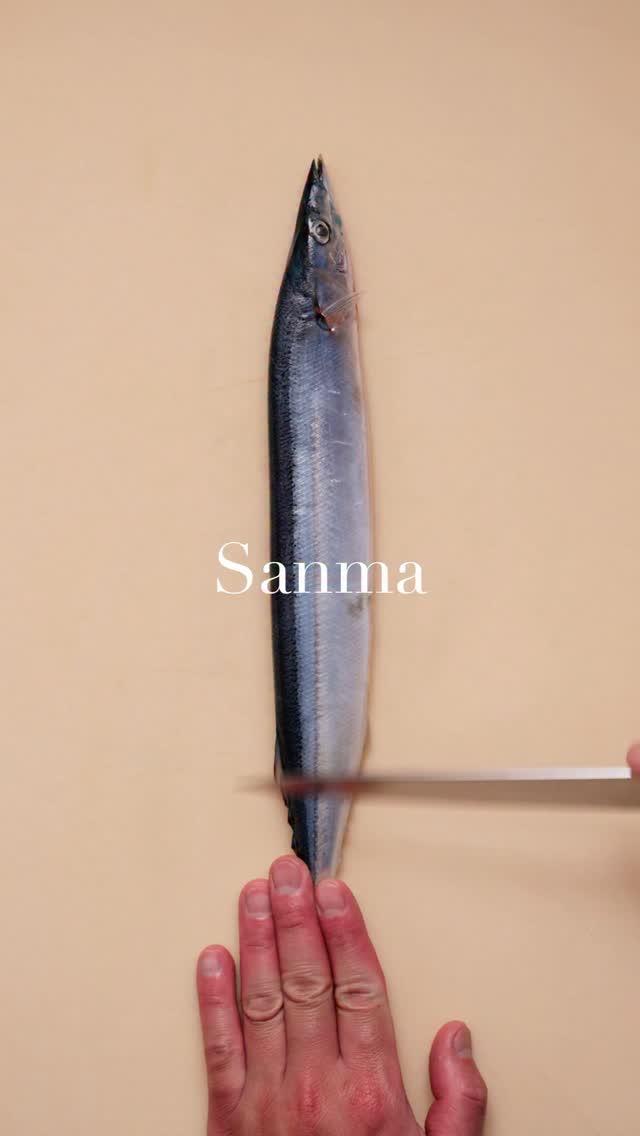
The creator, a chef, prepares different types of squid by cleaning, separating, and slicing them. While demonstrating the preparation process, he narrates a personal story about growing up in a coastal town in China, explaining how squid was a staple food and how its unique flavor and texture evoke strong childhood memories, which he now shares with guests at his omakase restaurant.
- 1State personal origin story
- 2Detail the nostalgic subject
- 3Reveal emotional significance
- 4Connect past to present purpose
ConceptsOrigin StoryProcess
ElementsVoiceoverMontage EditingText Overlay
[05]
Hook analysis
What stops the scroll in the first 3 seconds
Verbal hook · 55%
Growing up in Fuzhou, a coastal town in China, I ate squid prepared in so many different ways...
Visual hook · 45%
An immediate close-up shot of hands pulling the internal organs and cartilage out of a large, whole squid.
[06]
Hook template
Steal this for your own video
Growing up in [hometown or region], [specific food or ingredient] was part of every [meal occasion or life moment]...
- — Growing up in rural Louisiana, crawfish was part of every backyard gathering we ever had...
- — Growing up in a small town in Mexico, tamales were part of every holiday without exception...
- — Growing up in coastal Portugal, salt cod was part of every meal my grandmother ever made...
[07]
Hook and payoff
The promise the opener makes, and how the video pays it back
Hook
The narrative opens with a statement of personal origin, grounding the story in a specific, authentic time and place while visually introducing a compelling, hands-on process.
Payoff
The narrative concludes by bridging the personal, nostalgic past to the professional, aspirational present, revealing how this deeply personal subject is now shared with others as an expression of skill and passion.
[08]
Narrative framework
The structural pattern this video runs on
Framework
The Nostalgia Bridge
This framework connects a personal, nostalgic memory from the past to a professional craft or passion in the present. It uses a specific object or experience as the 'bridge' to link the creator's origin story to their current expertise, creating a powerful emotional and aspirational connection.
- 1
The Geographic Anchor
The narrator establishes their roots in a specific location, immediately creating a sense of authenticity and personal history.
- 2
The Experiential Spectrum
The narrator details the breadth of their experience with the central subject, demonstrating its deep integration into their life and establishing its importance.
- 3
The Nostalgic Trigger
The narrator explicitly states the emotional connection between the subject and a powerful, universal feeling (e.g., childhood), forming the core emotional hook for the audience.
- 4
The Declaration of Significance
The subject is elevated from a simple memory to something of deep personal value in the present day.
Themes
- Nostalgia
- Childhood Memories
- Culinary Arts
- Cultural Heritage
Techniques
- Voiceover Storytelling
- Close-up Cinematography
Post caption
Nostalgia is one of the strongest feelings in a restaurant. Being able to connect with a guest and bring them back to a moment in time is extremely powerful and something that is never lost on me.
What are some of the things you grew up eating that take you back whenever you taste them?
#sushichef #losangeles
Text overlays
contextual · beginning
in
contextual · beginning
a coastal
contextual · beginning
I ate squid
contextual · middle
prepared in
contextual · middle
ways
contextual · middle
Its unique
contextual · middle
still
contextual · middle
of my
contextual · end
that's very
contextual · end
to me
contextual · end
to share
contextual · end
my omakase
Transcript
Growing up in Fuzhou, a coastal town in China, I ate squid prepared in so many different ways, from dried squid to steamed or deep fried. Its unique flavor and texture still reminds me of my childhood. It's something that's very special to me that I'm happy to share with my best when I do my omakase.