Video #36274 · Vlog
Shrimp preparation and explanationfrom @omaweii
The creator, a chef, demonstrates the preparation process for Kuruma Ebi (Japanese Tiger Prawn). They explain that this shrimp is rarely served raw, then proceed to skewer, cook, peel, and butterfly the shrimp, while the voiceover details how cooking enhances its flavor and texture, making it sweeter and more tender.
- 1State a contrarian fact
- 2Describe the default state
- 3Reveal the transformation trigger
- 4Deliver the final insight
ConceptsTutorial / How ToProcessBreakdown
ElementsVoiceoverText OverlayOverhead Shot
[05]
Hook analysis
What stops the scroll in the first 3 seconds
Title hook · 15%
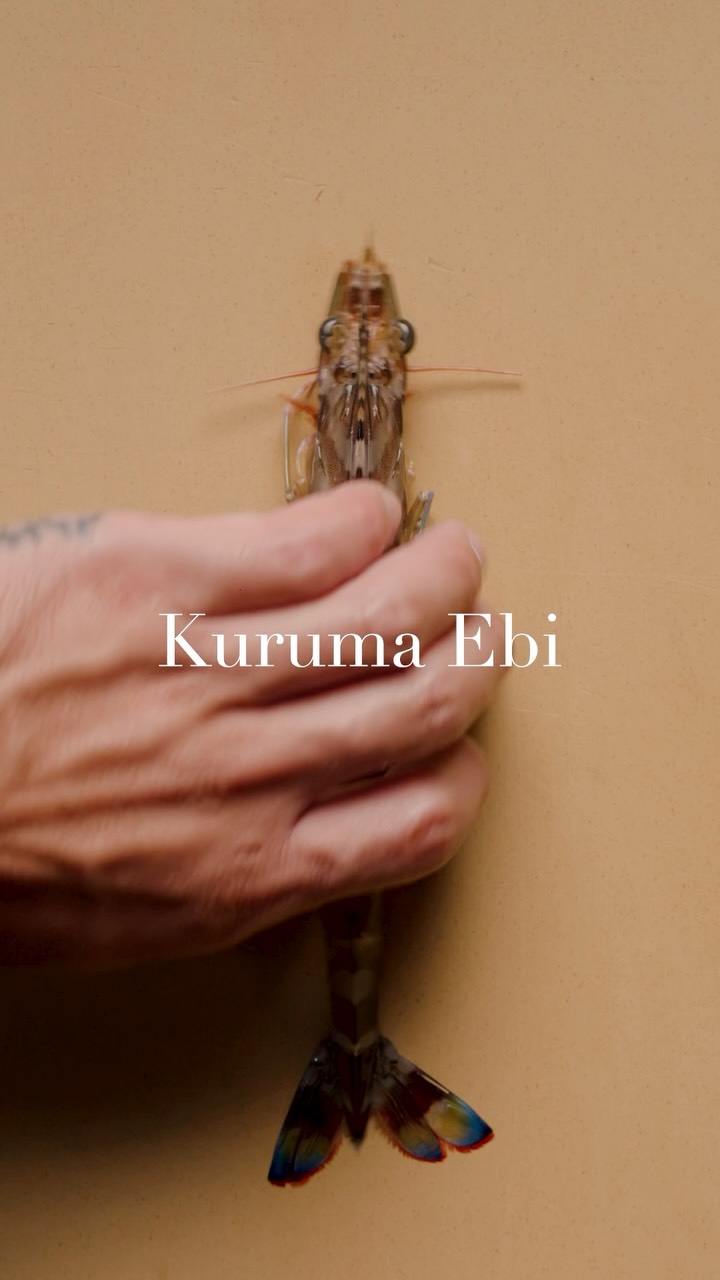
Kuruma Ebi
Verbal hook · 55%
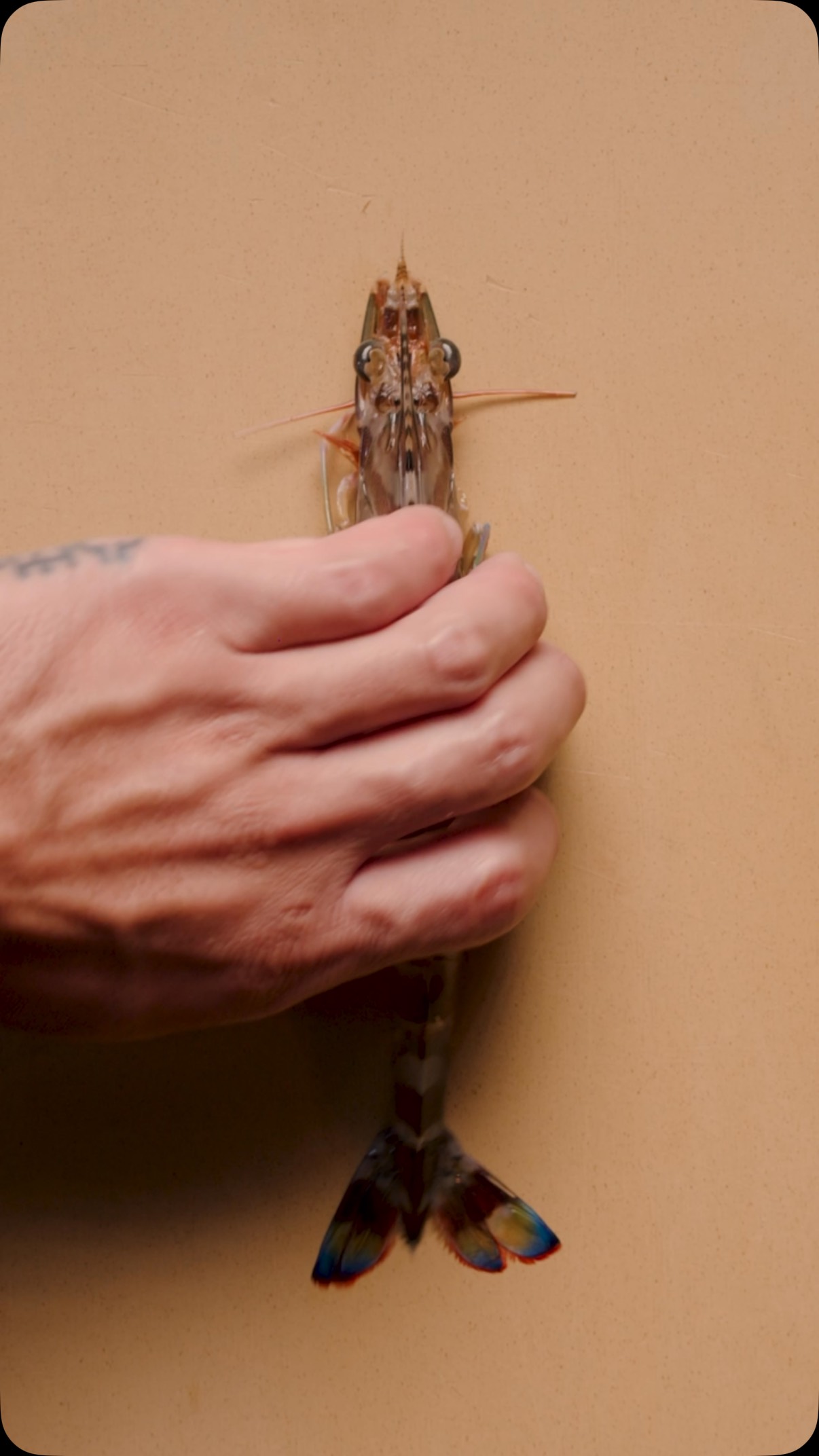
Rumaeve or Japanese Tier Prawn is one shrimp that is rarely served raw.
Visual hook · 30%
A dynamic close-up shot of a hand holding a live, twitching shrimp, creating immediate visual interest through movement and an unusual subject.
[06]
Hook template
Steal this for your own video
[Specific ingredient] is one [food category] that should almost never be served [common preparation method].
- — Wagyu beef is one cut that should almost never be served well-done.
- — Burrata is one cheese that should almost never be served cold.
- — Soft-shell crab is one seafood that should almost never be served raw.
[07]
Hook and payoff
The promise the opener makes, and how the video pays it back
Hook
Immediately challenge a viewer's preconceived notion about the subject to create an instant curiosity gap and a desire for explanation.
Payoff
A concise, memorable statement that summarizes the unique principle and provides a satisfying resolution to the initial contrarian claim.
[08]
Narrative framework
The structural pattern this video runs on
Framework
The Contrarian Reveal
To challenge a common assumption about a specific subject and then reveal the 'correct' or superior understanding through a short, logical explanation of its transformation.
- 1
The Anomaly Statement
Introduce the subject and immediately state the counter-intuitive claim or rule that governs it, setting up the video's central thesis.
- 2
The Baseline Condition
Describe the subject's properties in its default or commonly perceived state, establishing a 'before' picture for the coming transformation.
- 3
The Transformation Catalyst
Introduce the specific condition, process, or element that causes the subject to change from its baseline state into its ideal state.
- 4
The Differentiating Contrast
Briefly compare the subject to its common alternatives to emphasize its unique properties and establish the creator's authority.
- 5
The Transformed Potential
State the final, elevated state of the subject after the catalyst is applied, delivering the 'after' picture and resolving the initial hook.
Themes
- Food Preparation
- Culinary Education
- Japanese Cuisine
Techniques
- Close-up shots
- Voiceover
- Sequential text overlays
Post caption
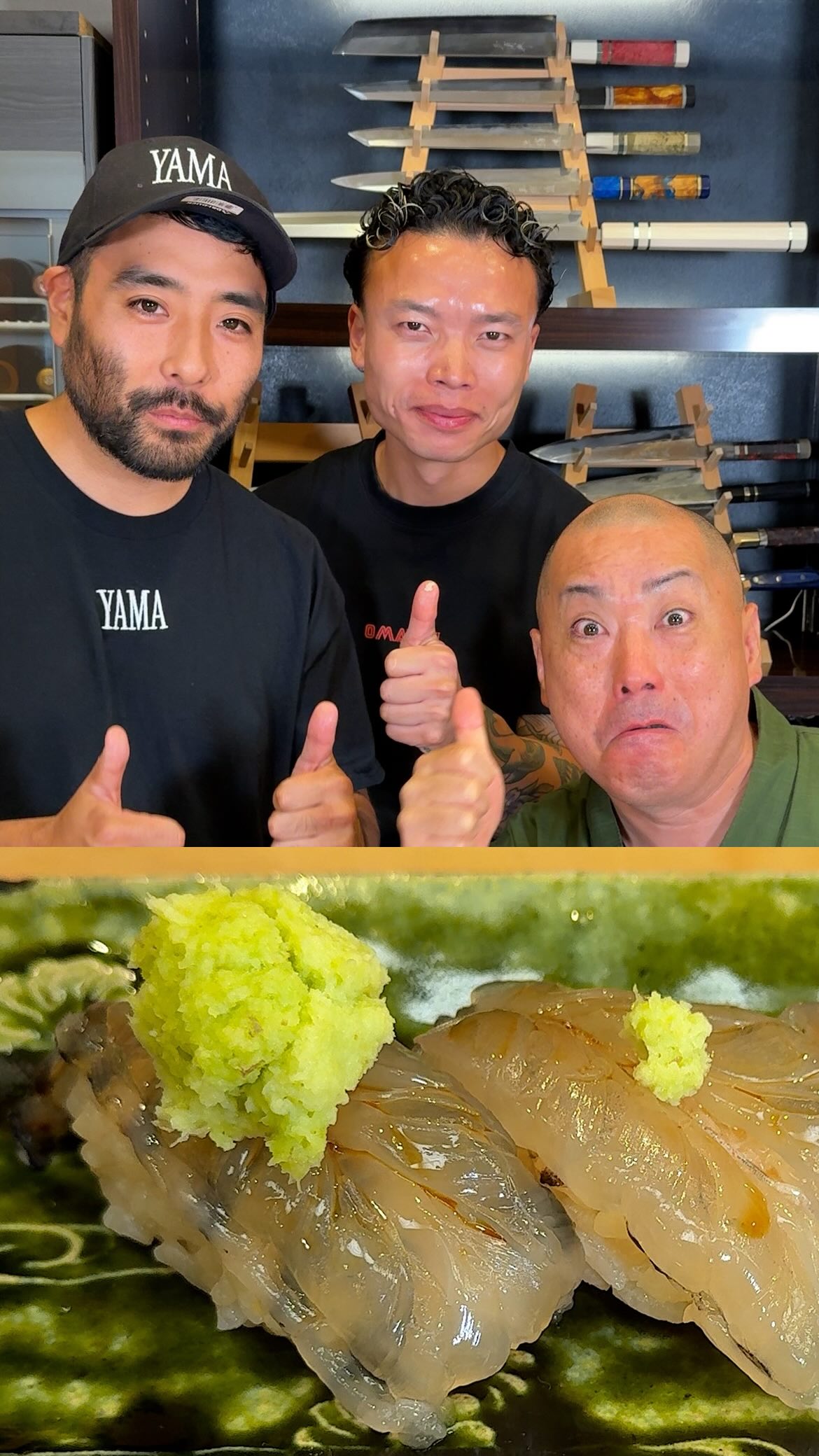
I’ve covered Botan Ebi and Ama Ebi before but this shrimp is a bit different. You won’t typically see this shrimp served raw. It’s true beauty is revealed when it is cooked. That’s when it really comes to life.
have you tried Kuruma Ebi?
#sushichef #losangeles
Text overlays
Transcript
Rumaeve or Japanese Tier Prawn is one shrimp that is rarely served raw. It's naturally firm with a clean flavor that becomes sweeter and more tender when it's warm. Unlike botanabe or amaeve, this shrimp comes to life only when it's cooked.