@jefferson_fisher
Instagram · Clip
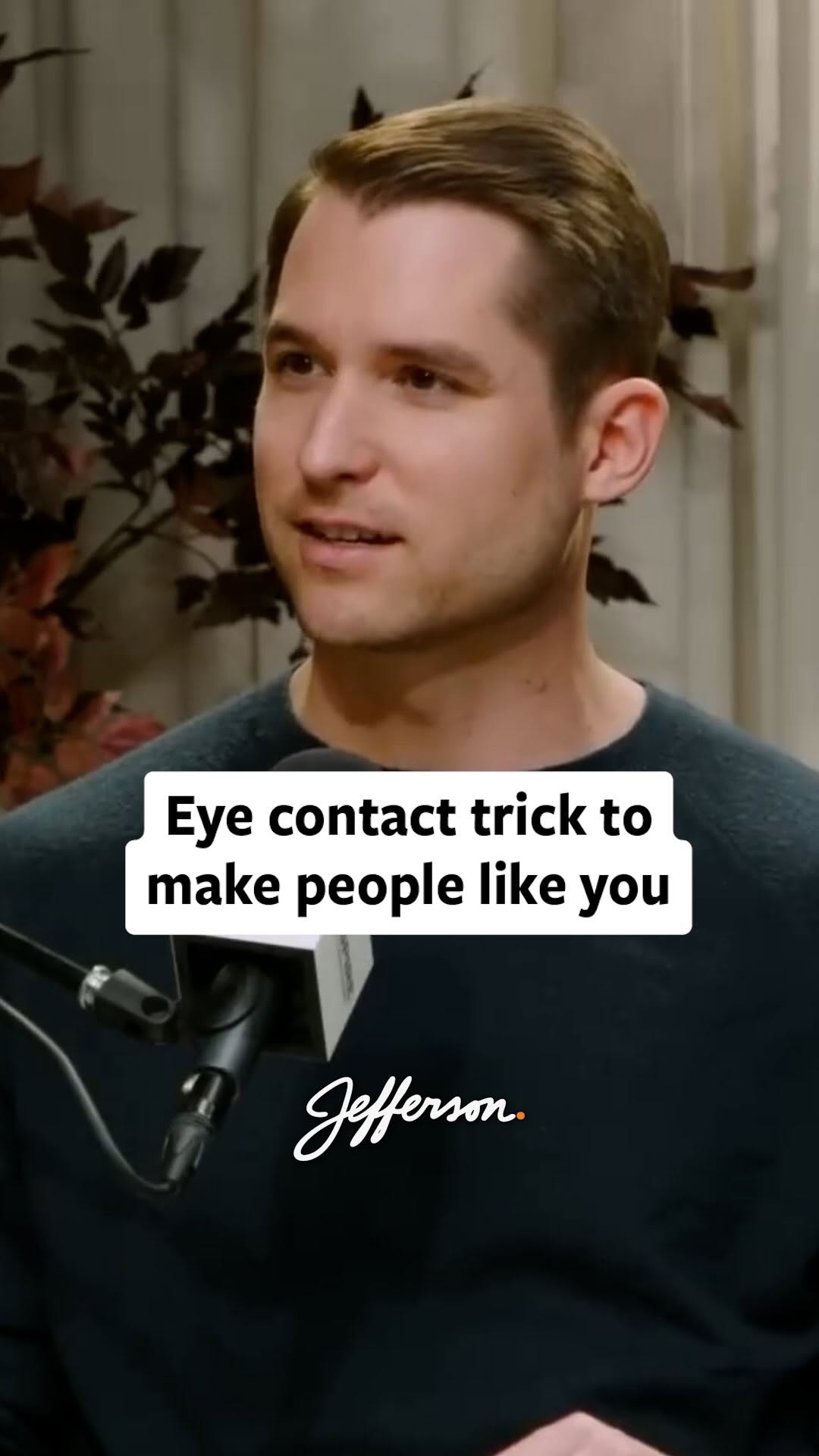
@jefferson_fisher Eye contact builds more trust, but it can feel intimidating. Here’s an easy way to get around that. From my podcast with @emmagrede

@jefferson_fisher
Instagram · Clip
@jefferson_fisher Eye contact builds more trust, but it can feel intimidating. Here’s an easy way to get around that. From my podcast with @emmagrede
Performance
Video #34304 · Clip
[01]
The speaker explains a social trick for eye contact, stating that constant staring can be unnerving. He advises that as long as you make eye contact at the very end of your sentence, it creates the illusion of having maintained it the entire time, making conversations more comfortable.
[02]
[03]
 1.6MExplains psychological trick for charisma@byjoshisaac · Breakdown
 494.4KRant about networking in DC@wonderlemmon · Cultural Rant
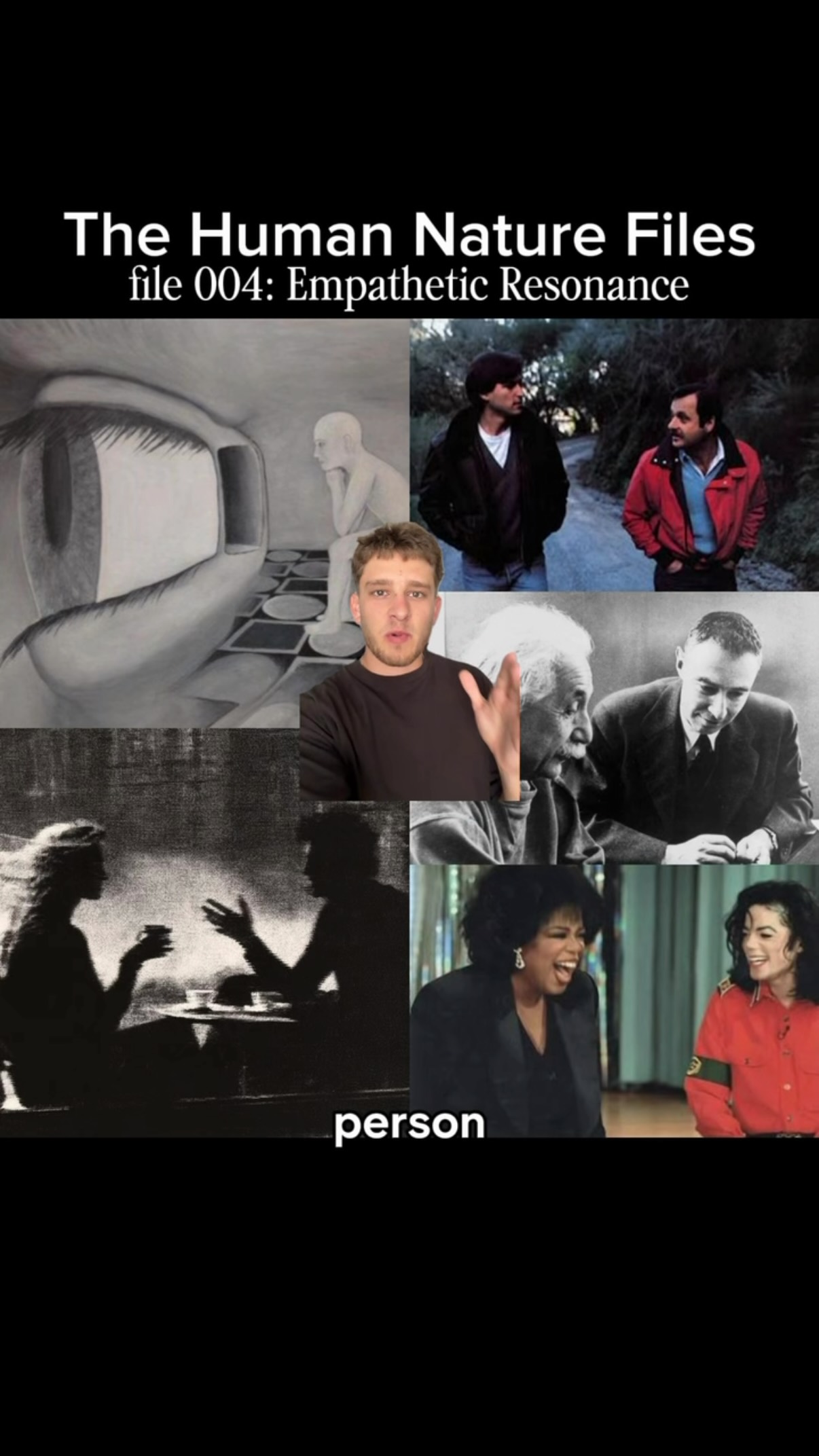 626.3K85×Greenscreen psychology communication skills explainer@kolbykirschner · Breakdown
 5.5M27.4×Three question rule for dry conversations@couldbaret · Hot Take
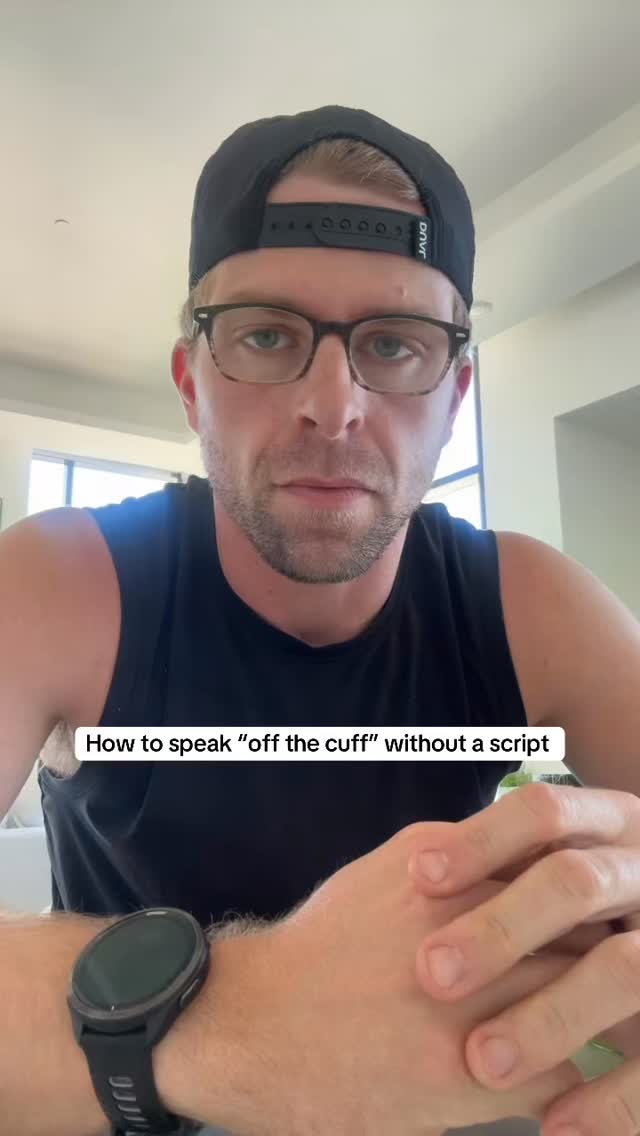 252K1.1×Blindfolded demonstration of unscripted speaking@higherupwellness · Hot Take
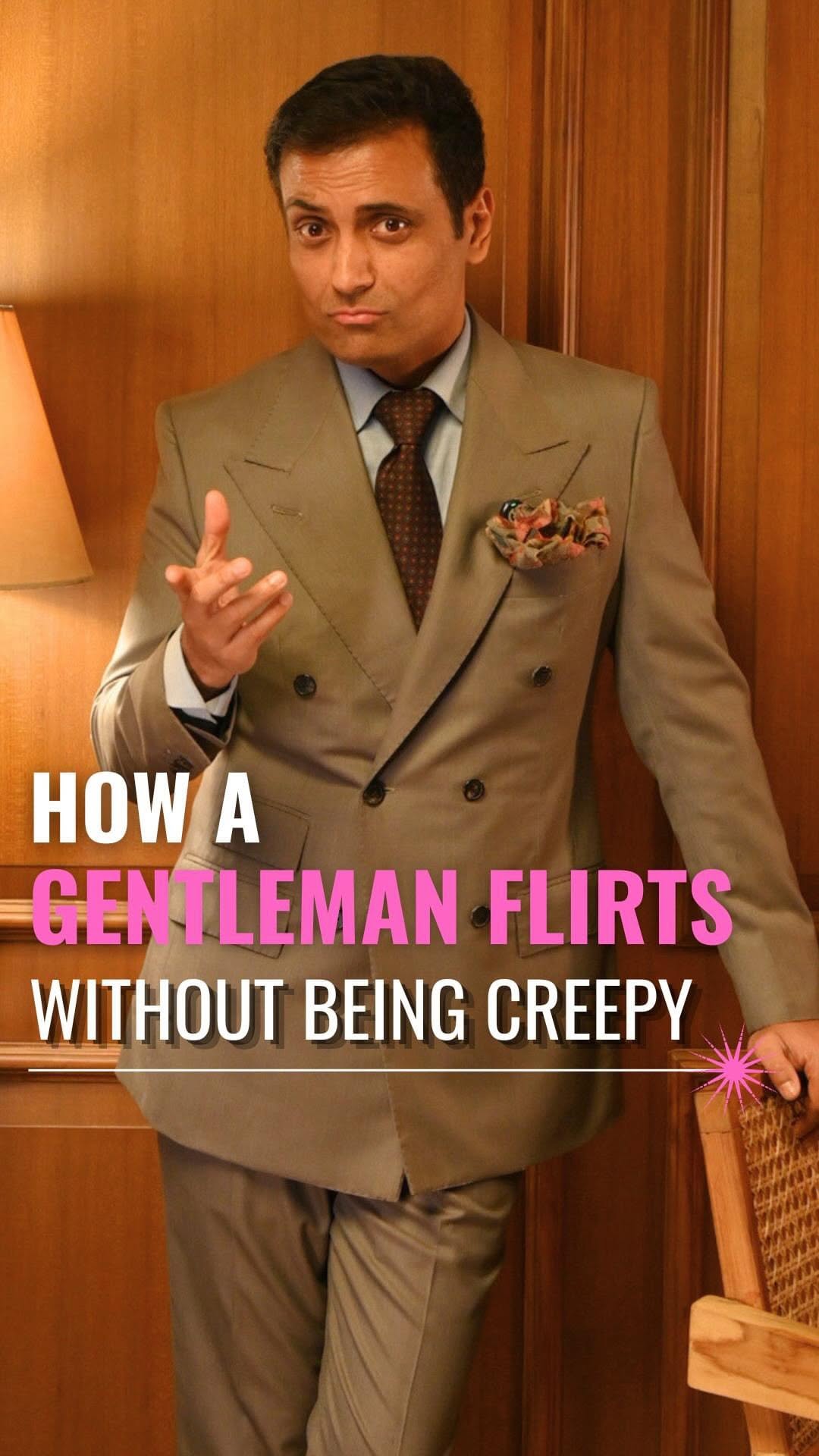 1M48.7×Man gives 10 gentlemanly flirting tips@professorpanache · Breakdown
 727.7K3.1×Creator gives social interaction hack@benhbader · Tutorial / How To
 10.9M527.4×Rule for handling dry conversations@couldbaret · Hot Take
 1.1MComedic rant defending small talk@couldbaret · Hot Take
 247.2K36.6×Why talking to strangers is valuable@harnidhk · Anecdotal Philosophy
 856.6KAdvice on leaving parties early@gstaadguy · Hot Take
 2.4M16.2×Comedic monologue refuting common opinion@couldbaret · Hot Take
[04]
[05]
What stops the scroll in the first 3 seconds
Title hook · 45%
Eye contact trick to make people like you
Verbal hook · 50%
If you're always staring at somebody's eyes, especially when you're talking, it can be a little unnerving for some people.
Visual hook · 5%
A medium close-up shot of a man speaking in a professional podcast setting, creating an immediate sense of an expert sharing advice.
[06]
Steal this for your own video
If you're always , it can actually be for .
[07]
The promise the opener makes, and how the video pays it back
Hook
Identifies a common social behavior and labels it as a problem or source of anxiety, creating immediate relatability.
Payoff
Delivers a simple, actionable rule that solves the initial problem, empowering the viewer with a new social tool.
[08]
The structural pattern this video runs on
Framework
The Counterintuitive Fix
The framework identifies a common, often subtle, social or behavioral problem and presents a simple, counterintuitive 'hack' as the solution. It then explains the psychological principle that makes the hack effective, providing both a practical tool and an intellectual insight.
The Common Pain Point
Articulates a widely experienced but rarely discussed problem, validating the viewer's feelings and establishing relevance.
The Counterintuitive Permission
Introduces the solution by giving the viewer permission to do the 'wrong' or opposite thing they think they should be doing, creating intrigue.
The Core Mechanic
Reveals the single, simple action or condition that makes the counterintuitive approach work, delivering the 'trick'.
The Perceptual Payoff
Explains the positive outcome of the trick, specifically how it is perceived by others, creating a desirable result for the viewer.
The Justification & Empathy
Explains the underlying reason for the initial problem, normalizing the viewer's struggle and building credibility for the solution.
The Final Reassurance
Concludes by concisely restating the core mechanic and its benefit, solidifying the takeaway and boosting the viewer's confidence to try it.
Eye contact builds more trust, but it can feel intimidating. Here’s an easy way to get around that. From my podcast with @emmagrede
title · throughout
Eye contact trick to make people like you
branding · throughout
Jefferson.
If you're always staring at somebody's eyes, especially when you're talking, it can be a little unnervings for some people. So the trick is you can look all over the place if you want. You can start thinking about it. But as long as I catch your eyes at the end of what I say, it feels as if we've had eye contact the whole time. It's a lot easier to get eye contact when somebody else is doing the talking. Much harder when you're the one because you're trying to think of what to say at the same tier. So we'll look off to think of our thoughts. As long as you catch their eyes right at the tail end, they won't notice.