@kolbykirschner
Instagram · Greenscreen Talking Head
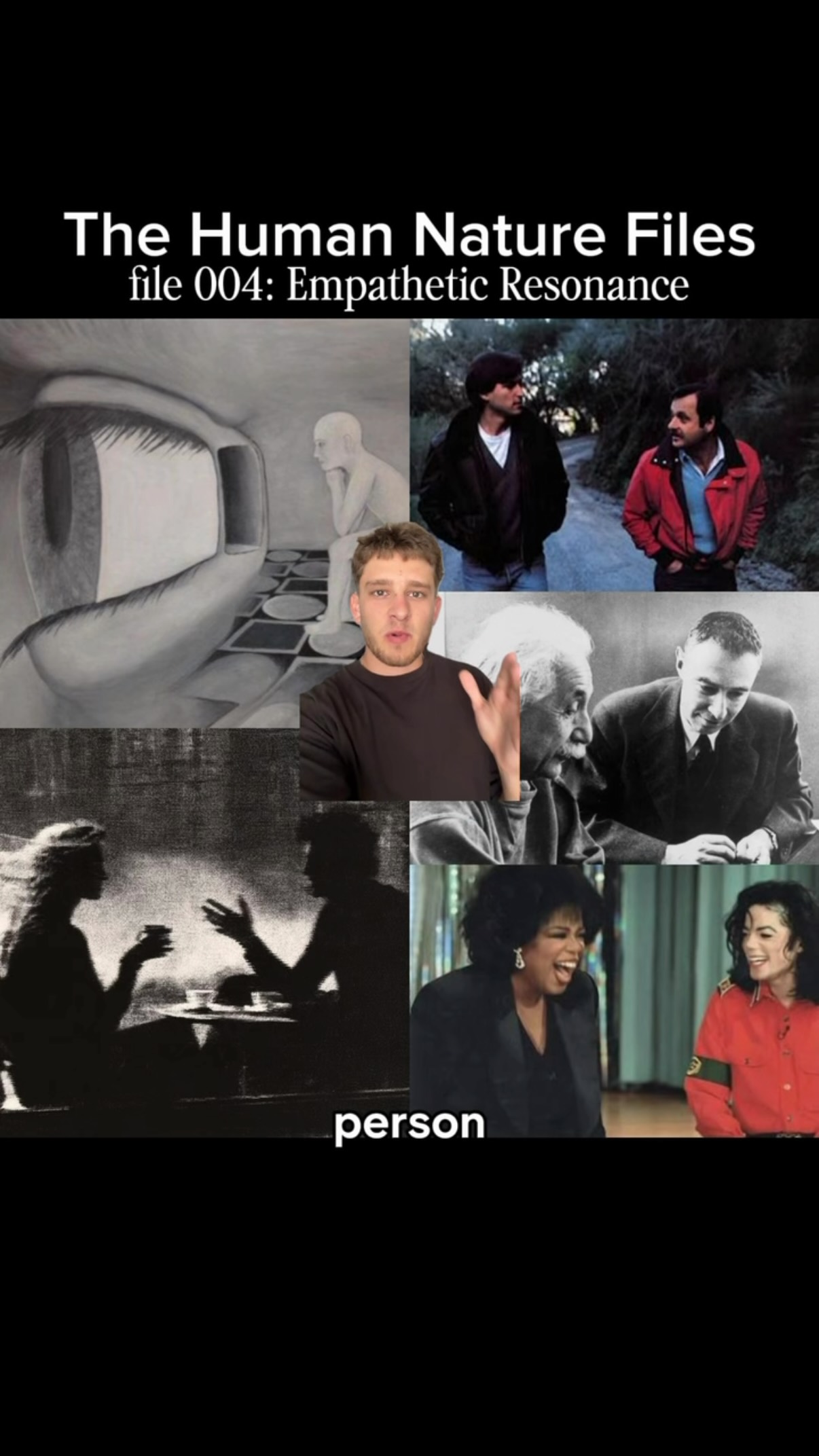
@kolbykirschner “They may forget what you said—but they will never forget how you made them feel.” — Carl W. Buehner

@kolbykirschner
Instagram · Greenscreen Talking Head
@kolbykirschner “They may forget what you said—but they will never forget how you made them feel.” — Carl W. Buehner
Performance
Video #50279 · Greenscreen Talking Head
[01]
The creator introduces the concept of 'empathetic resonance' by contrasting typical conversational behavior with the habits of highly empathetic people. He uses a greenscreen effect to display relevant images and graphics behind him as he explains how noticing small details and asking curious questions makes others feel safe and understood. He then introduces the psychological term 'reciprocal self-disclosure' and concludes by emphasizing that people remember how you made them feel, offering a final piece of advice on prioritizing understanding over being understood.
[02]
[03]
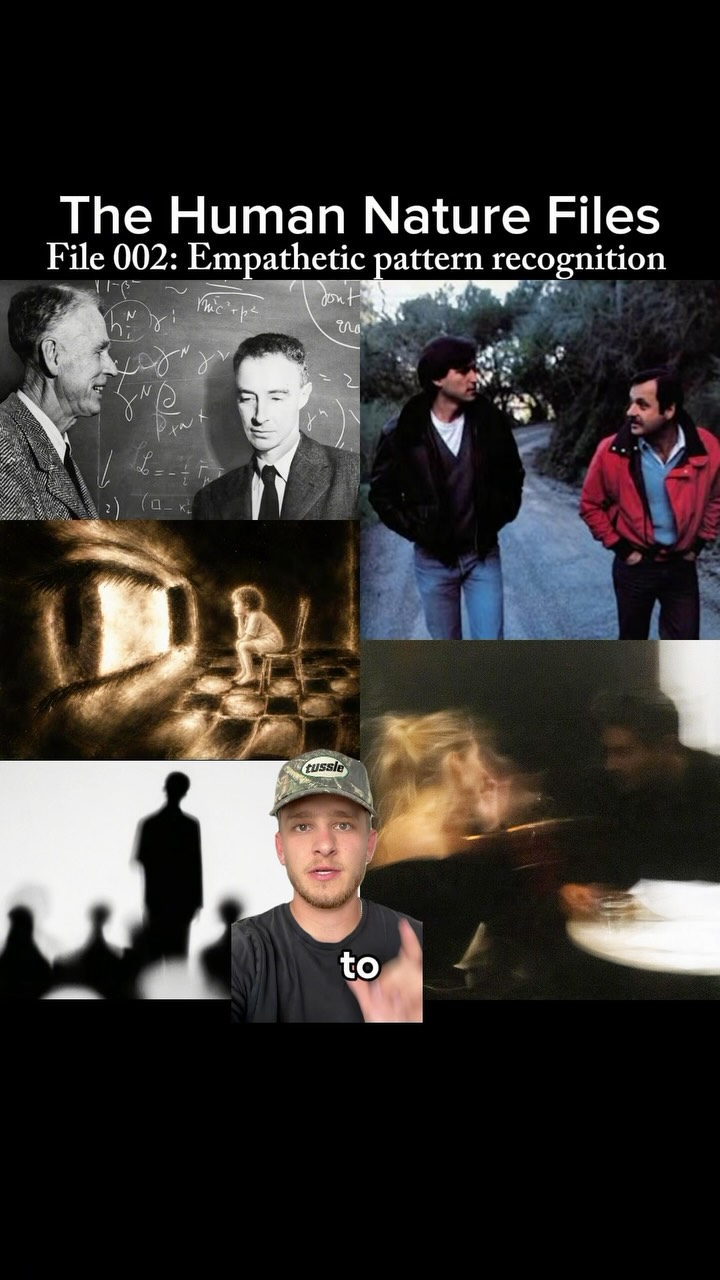 760.3K288×Explaining a rare personality type@kolbykirschner · Opportunity Explainer
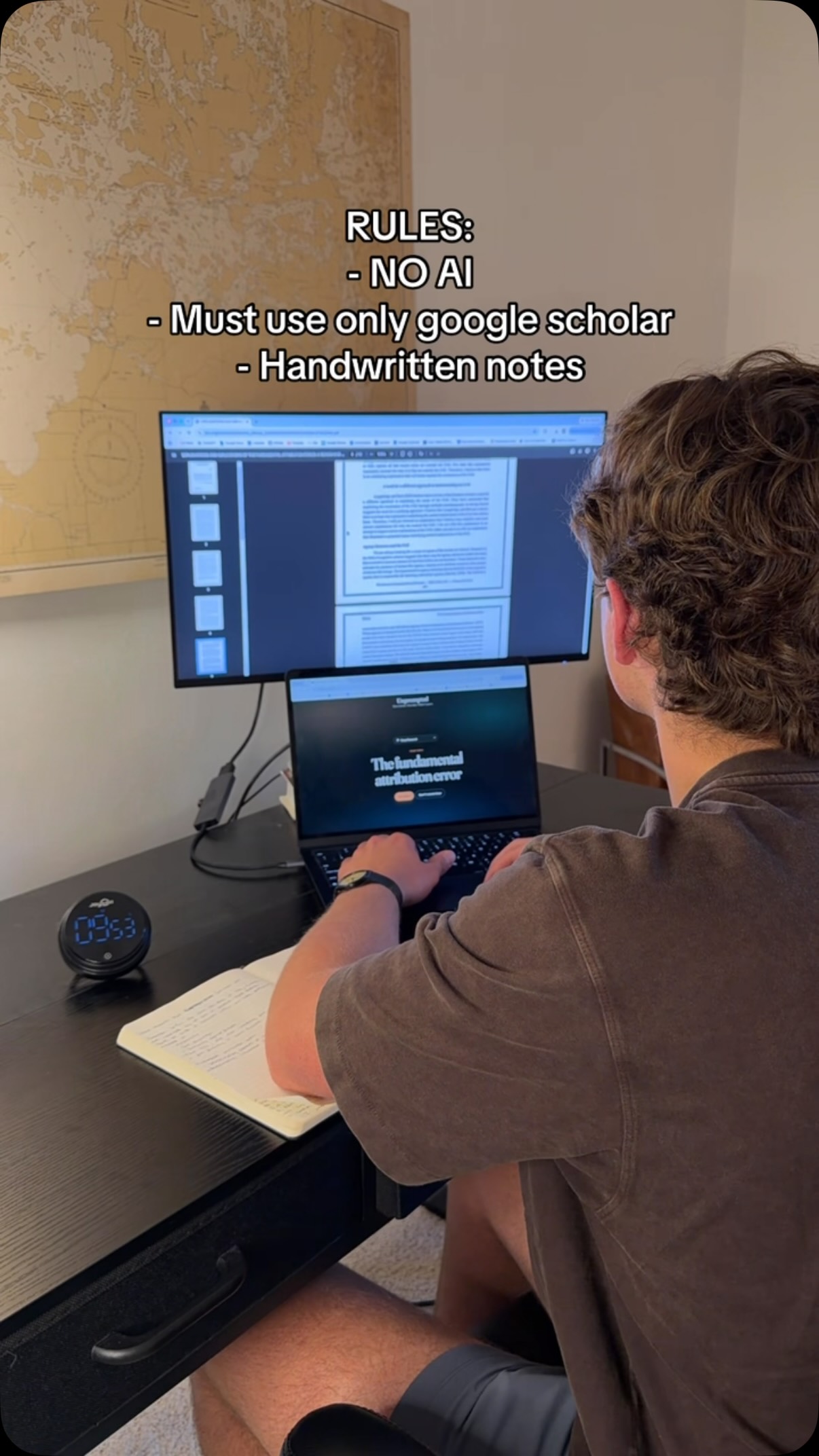 17.9M164.2×Explains random topic after research@bitterbuilds · Timed Challenge
 484.3KMonologue on emotional intelligence curse@jb_copeland · Vulnerable Monologue
 484.4K5.1×Text-driven personality definition montage@diogo.jared · Vulnerable Monologue
 675.4K41.2×Communication tip using vulnerability.@jefferson_fisher · Breakdown
 426.9K14.6×Direct talk on self-awe@bellasolanot · Vulnerable Monologue
 247.2K36.6×Why talking to strangers is valuable@harnidhk · Anecdotal Philosophy
 1.9M28.9×Creator's year-end love lessons listicle@prestonrack · Breakdown
 2.2MGuided thought experiment for self-love@kennovate · Vulnerable Monologue
 624.3KCreator reframes weed-induced paranoia as useful self-reflection@bradley.thor · Anecdotal Philosophy
 830.1K82.3×Rapid list of intellectual concepts@kolbykirschner · Rapid Fire Listicle
 628.5K61.5×Car monologue about losing respect@sensei.nick · Anecdotal Philosophy
[04]
[05]
What stops the scroll in the first 3 seconds
Title hook
The Human Nature Files file 004: Empathetic Resonance
Verbal hook
Yes ever come across that rare type of person who can make you feel more understood in five minutes than people you've known for five years?
Visual hook
The speaker is keyed out and placed over a visually dense collage of black and white and color photographs depicting various human interactions, immediately establishing the theme of human nature.
[07]
The promise the opener makes, and how the video pays it back
Hook
Present a highly specific, universally relatable emotional experience or scenario as a question to instantly grab attention and validate the viewer's feelings.
Payoff
Deliver a memorable aphorism summarizing the core truth, followed by a direct, actionable piece of advice the viewer can apply immediately to their own life.
[08]
The structural pattern this video runs on
Framework
The Psychological Concept Deconstruction
Introduce a highly relatable but hard-to-describe human experience, contrast it with normal behavior, give it a scientific or psychological name, and provide actionable advice on how to replicate it.
The Value Proposition
Introduce the overarching theme or series and state exactly what the viewer will gain by watching (e.g., understanding human behavior).
The Baseline Contrast
Describe the 'normal' or 'average' way people behave in the given scenario to set up a stark contrast.
The Rare Behavior Reveal
Explain what the 'rare' type of person does differently, using specific, observable examples to make the abstract concept concrete.
The Concept Naming
Give the rare behavior a specific, authoritative-sounding name to make it tangible and memorable.
The Psychological Validation
Introduce a formal psychological term or mechanism to back up the concept with scientific authority and deepen the explanation.
“They may forget what you said—but they will never forget how you made them feel.” — Carl W. Buehner
title · beginning
The Human Nature Files file 004: Empathetic Resonance
title · beginning
FILE 004: Empathetic Resonance
informational · middle
Reciprocal Self-Disclosure (noun) The mutual exchange of personal thoughts, feelings, and experiences that builds trust, emotional intimacy, and meaningful connection between people.
informational · end
People don't remember how interesting you were... they remember how interesting you made them feel
Yes ever come across that rare type of person who can make you feel more understood in five minutes than people you've known for five years? Welcome to the Human Nature Files. If you're interested in understanding why people feel, think, behave the way they do, this series is for you. Most people go into conversations thinking about what they are going to say best. What story they can tell, what questions they should ask, how they can make themselves seem more interesting. But these people do the exact opposite. When you're telling a story, they're not just waiting for their turn to speak. They notice little things. The way your voice changes when you talk about something you love. The way you hesitate before answering a certain question. Instead of moving on, they get curious. They ask you questions that make you think, wow, no one's ever asked me that before. You could call this empathetic resonance. They don't just make you feel heard. They make you feel safe enough to be known. They might share something personal about themselves and suddenly you feel comfortable sharing something that you normally wouldn't. Psychologists call this reciprocal self disclosure. It's one of the ways that meaningful connections can develop. Most magnetic people understand something that most people just don't even think about. People don't remember how interesting you worse. They remember how interesting that you made them feel. The fastest way to connect with another human being is to stop trying to be understood and start becoming curious about understanding them.