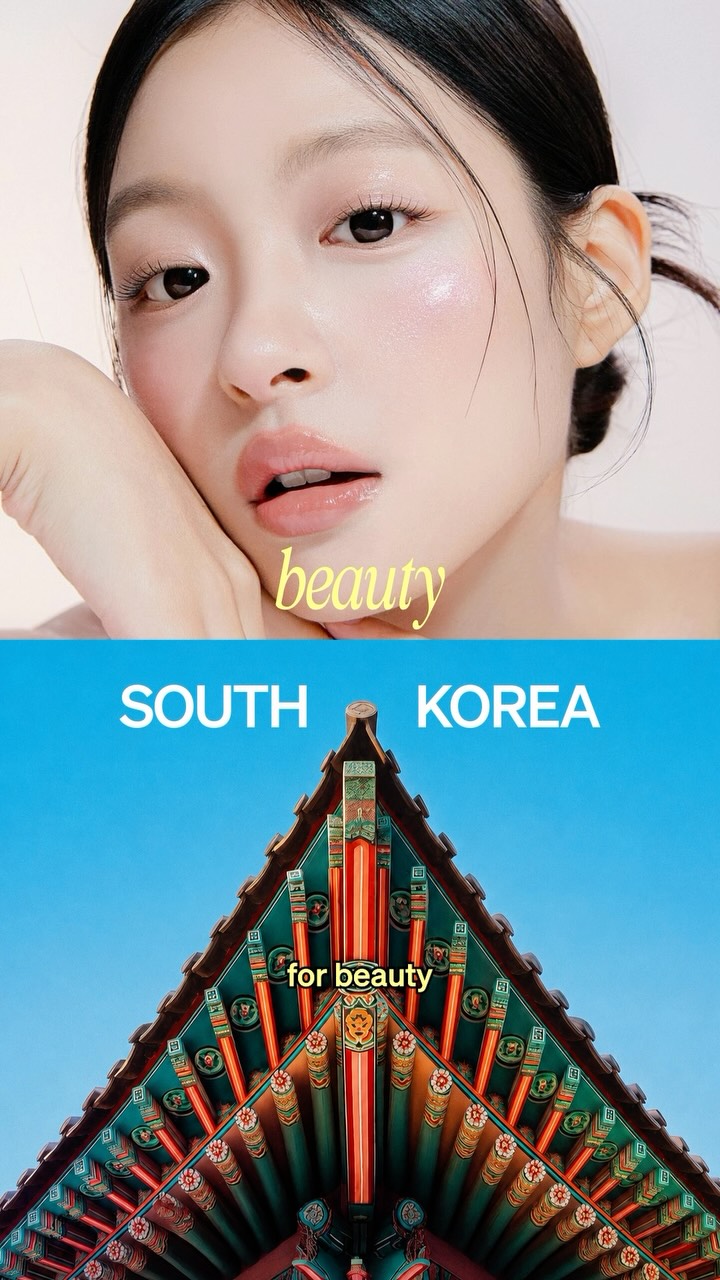
The creator explains why certain cultures dominate specific industries by introducing the 18th-century philosopher Bernard Mandeville's theory that societal vices (like vanity and greed) drive prosperity. He then applies this framework to South Korea, arguing that its intense and deeply ingrained beauty standards have fueled its global dominance in the beauty, skincare, and cosmetic surgery industries. The creator supports this by citing cultural factors like face reading (Gwansang), economic pressures, and collectivism, concluding that business opportunities can be found by understanding a culture's core obsessions.
Post caption
While it’s interesting to understand culture itself, it’s even more fascinating to understand the conditions that allowed the culture to happen in the first place. And like most things… it’s not all fun and games. BTS and adolescent cosmetic surgery arguably comes from the same root.
Comment brand and get signed up for my newsletter where I share more about culture and commerce.
Transcript
You ever wondered why some cultures are synonymous with certain industries? For instance, South Korea for beauty and skin treatments, Japan for craft and product quality, and France for dominance in luxury, fashion, and fine dining. Well, to answer that, we need to visit the work of English social philosopher Bernard Mandeville. Mandeville argues that vice drives prosperity, and that a society's vanity, envy, and greed are exactly what produces its prosperity and refinement. In his piece fable of the bees, he describes a beehive that runs on vice. Lawyers thrive on disputes, fashion on vanity, then the bees pray to be made virtuous, and the hive collapses economically. At the time, this idea was so scandalous that Mandeville was brought to trial over. But now it's clear as day. South Korea, for instance, produces incredible innovation in beauty, cosmetic surgery, and wellness products because how deeply the impossible beauty standards run the culture. With roots in or face reading, Koreans have been taught for generations that one's face reveals things about their character, future, and prosperity. This layered with a collectivism based in Confucianist ideologies. There's a herd mentality when it comes to presentation and image making. And on top of that, appearance is an economic reality too. Ninety two percent of South Korean women experience discrimination based on their face and appearance in job interviews, and resumes often require photos. Appearance and beauty become a competitive advantage or disadvantage in this type of society It explains why it has the highest per capita plastic surgery rate in the world with a fifth to a third of women in Seoul having had some kind of procedure. This cultural need and obsession produces an outsized amount of product and service to meet this demand. This is exactly why we've seen global trends from k beauty and skin care, color matching, Medicube, all coming from South Korea. My takeaway is that when you're looking for opportunity, hone in on the vices of any particular culture. What are the long held standards and ideals that aren't easily disrupted or changed? What really motivates people even if they don't understand it themselves? What is so deeply embedded that it never gets questioned? And really, what are the conditions required to produce excellence and innovation at any sort of scale? It has to come from something deeper. Let me know what your thoughts are on vice producing prosperity in the comments below. What you think about Manneville's theories? Anything else this reminds you of?