Viral Hooks
Trending short videosExplaining the 'tastewashing' tech trend
V

@var.aunevik

Instagram · Talking Head Edit

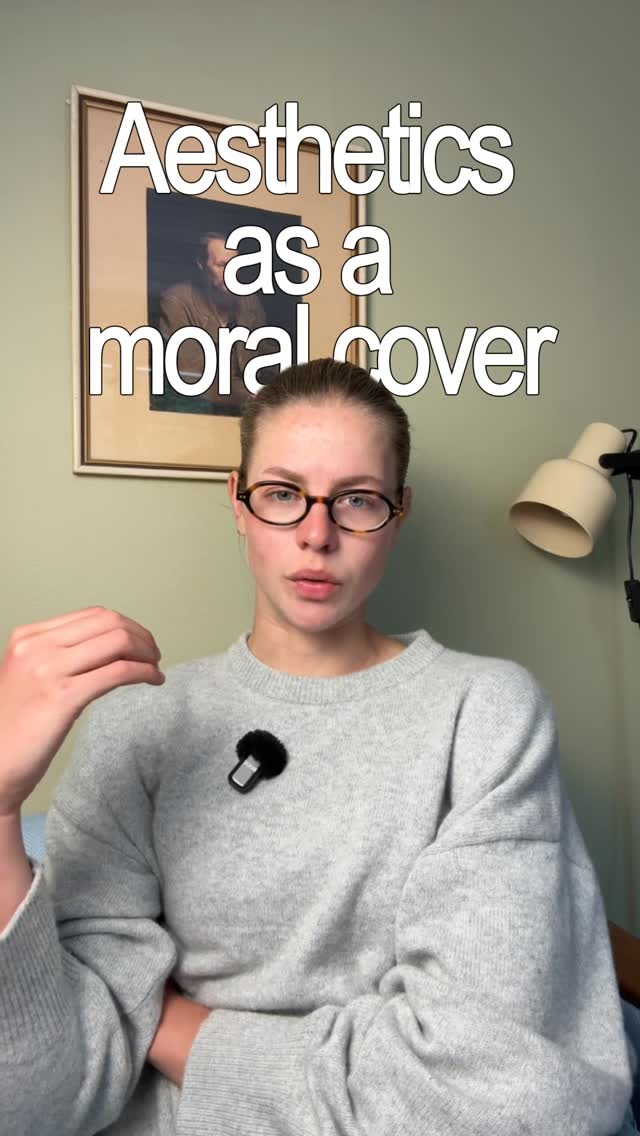
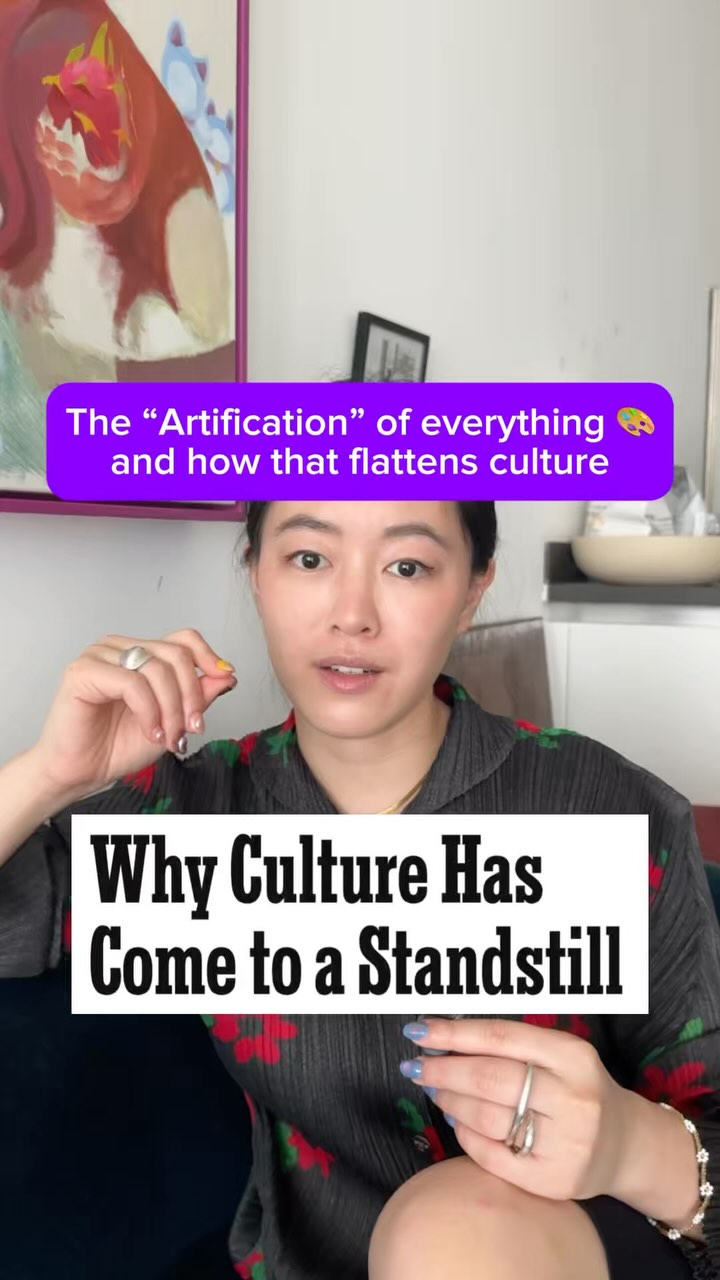
@var.aunevik I fear Silicon Valley’s new obsession with “taste” isn’t about taste at all, but about control. From AI branding to tech merch and “taste-washing,” companies are using aesthetics, craft, and culture to soften the reality of automation and power. If they can shape what feels good, they can shape what you accept...? Or am I overanalyzing again? Dazed and The new yorker just dropped great articles about this

View original on Instagram

The edit1 shot · 2 text
Shots Text0:53

Performance

Views
1.6M
Likes
83.3K
Comments
676
Engagement
5.3%
Outlier
119.3×
Length · 1 May 2026
0:53

Video #25454 · Talking Head Edit

Explaining the 'tastewashing' tech trendfrom @var.aunevik

[01]

Overview

The creator introduces and defines the concept of 'tastewashing,' arguing that Silicon Valley's new obsession with 'taste' is a strategic marketing move. She provides evidence, such as tech companies launching clothing and merch (Palantir's chore coat, Anthropic's 'thinking' hats), and cites articles from The New Yorker and Dazed. She posits that this is a way to soften the image of threatening technologies like AI by associating them with human-centric values like craft and curation, ultimately concluding that controlling aesthetics is a way to control public perception of the underlying technology.

[02]

Simple outline

  1. 1Pose intriguing cultural question
  2. 2Contrast past vs. present
  3. 3Show rapid-fire evidence
  4. 4Name and define phenomenon
  5. 5Reveal underlying motivation

[03]

Related videos

[04]

Classification

Concepts
BreakdownOpportunity ExplainerCultural Rant
Elements
B-Roll CutawayTitle Text HookJump Cut

[05]

Hook analysis

What stops the scroll in the first 3 seconds

Title hook · 35%

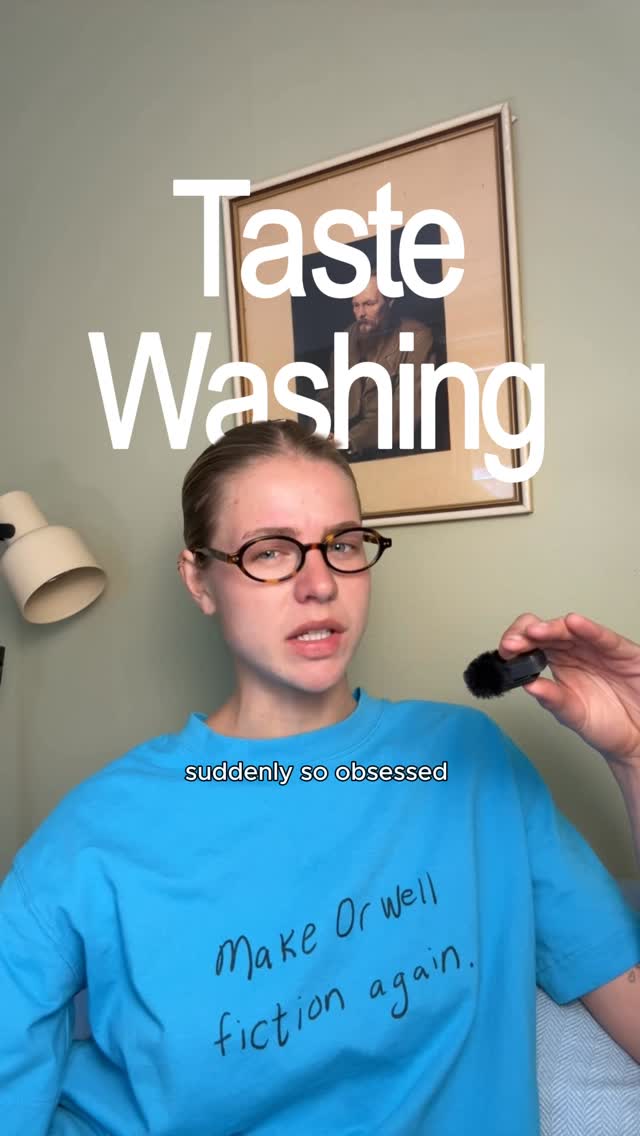
Taste Washing

Verbal hook · 60%

Why is Silicon Valley suddenly so obsessed with taste?

Visual hook · 5%

A woman wearing glasses and a bright blue t-shirt with the text 'Make Orwell fiction again' speaks directly to the camera while holding a small, fuzzy microphone.

[06]

Hook template

Steal this for your own video

Why is [industry] suddenly so obsessed with [unexpected value or aesthetic]?

  • — Why is Wall Street suddenly so obsessed with wellness?
  • — Why is fast food suddenly so obsessed with fine dining?
  • — Why is the military suddenly so obsessed with mindfulness?

[07]

Hook and payoff

The promise the opener makes, and how the video pays it back

Hook

A direct, curiosity-driving question about a noticeable but unexplained shift in a specific group's behavior, paired with a text overlay that names the concept.

Payoff

A grand, concluding insight that reframes the entire phenomenon in a larger context (political, social, psychological), revealing the ultimate power dynamic at play and providing a sophisticated answer to the initial hook.

[08]

Narrative framework

The structural pattern this video runs on

Framework

The Cultural Deconstruction

To identify a new or confusing cultural trend, give it a name, and then deconstruct the hidden psychological or political motivations behind it, culminating in a powerful, re-framing insight.

  1. 1

    The 'Before' State

    Establishes a widely-held stereotype or baseline understanding of the subject to create a strong point of contrast for the change that will be introduced.

  2. 2

    The 'After' State

    Presents the new, contradictory behavior or trend that challenges the established baseline, supported by initial, high-level evidence like headlines or tweets.

  3. 3

    The Evidence Montage

    Uses a rapid succession of specific, visual examples (screenshots, products, articles) to prove the trend is real, tangible, and widespread.

  4. 4

    Naming the Phenomenon

    Introduces a catchy, memorable term for the trend, often referencing an external authority, to legitimize the analysis and give the audience a cognitive handle on the concept.

  5. 5

    The Hidden Motivation

    Moves from describing 'what' is happening to explaining 'why,' exposing the underlying problem, fear, or strategic goal that is driving the subject's new behavior.

  6. 6

    The Deceptive Tactic

    Explains the specific mechanism of the strategy, detailing how the subject is using one set of values or aesthetics to mask or distract from their true, often contradictory, actions or product.

Themes

  • corporate branding
  • public perception
  • technology ethics
  • cultural manipulation
  • consumerism

Techniques

  • video essay
  • cultural commentary
  • evidence-based argument

Trends

  • techlash
  • aesthetic marketing

Post caption

I fear Silicon Valley’s new obsession with “taste” isn’t about taste at all, but about control. From AI branding to tech merch and “taste-washing,” companies are using aesthetics, craft, and culture to soften the reality of automation and power. If they can shape what feels good, they can shape what you accept...? Or am I overanalyzing again? Dazed and The new yorker just dropped great articles about this

Text overlays

  • title · beginning

    Taste Washing

  • informational · middle

    "TASTEWASHING"

Transcript

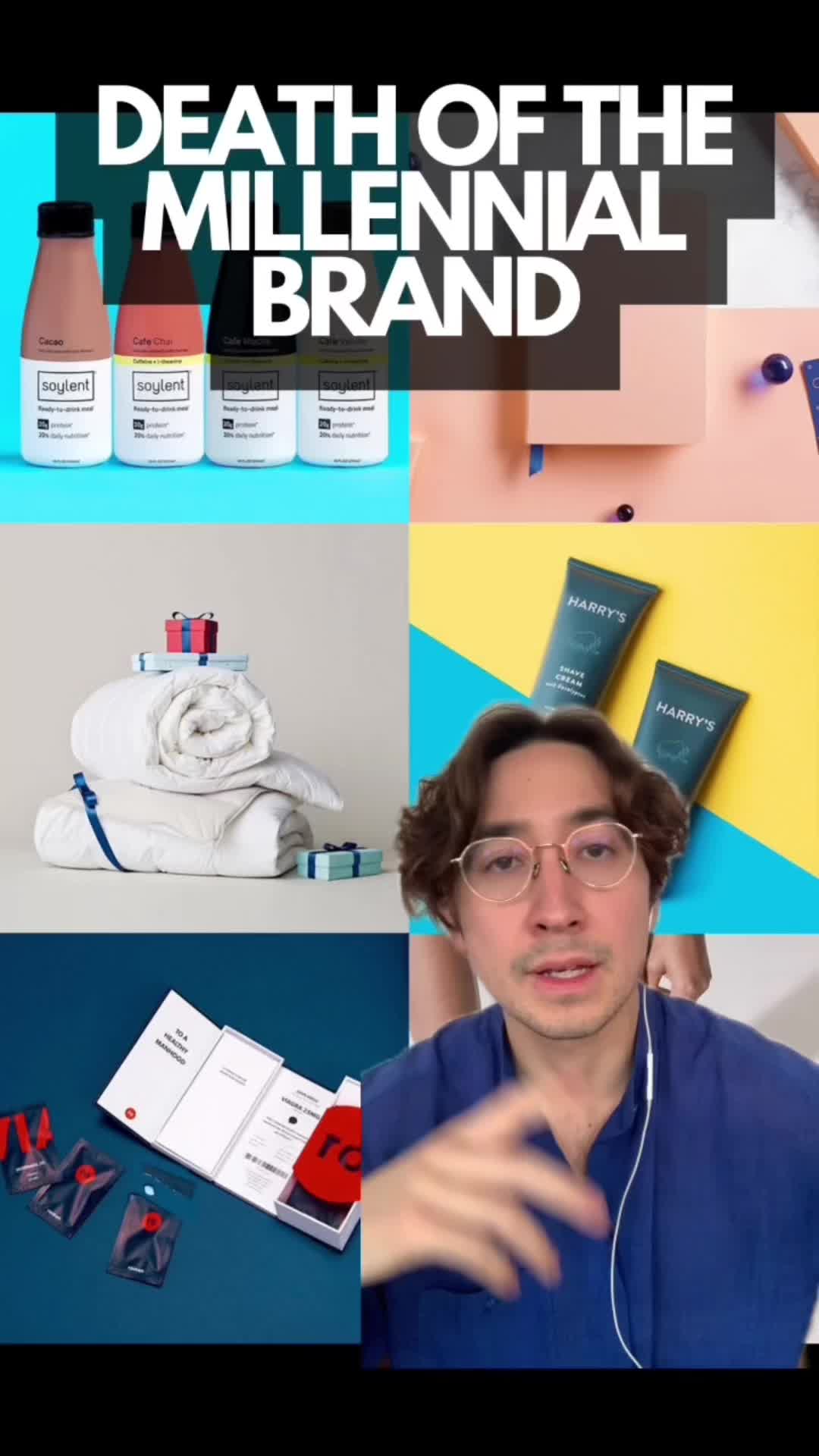
Why is Silicon Valley suddenly so obsessed with taste? Tech dudes used to be seen as hoodie wearing energy drinking nerds who rarely left our dark room and glowing keyboards. But now tech companies are dropping merch, starting clothing brands and tweeting, best is the new core skill. Both days and a new Yorker just dropped articles about this. Anthropic opened a pop up cafe and gave out hats that said thinking. Palantir, a surveillance tech company with horrible values, just dropped a chore coat. So what is happening? The new Yorker called it best washing as a play on brainwashing. AI companies need to associate themselves with best because their tools aren't cool. They're threatening. To jobs, to futures, to identity. So they're borrowing the aesthetics of rank, of slowness, of human curation to make you forget that what they're selling is the automation of all of that. And it's working because when you see a tech bro talking about best, you think, oh, they get it. But what they actually get is that aesthetics have always been political. And if you can control tier aesthetics, you can control how people feel about tier thing underneath.

Explaining the 'tastewashing' tech trend | Viral Hooks