Video #28841 · Talking Head Edit
Contrasting a creator's look and workfrom @var.aunevik
The creator poses the question of whether artists should look like their work, using fashion designer Jonathan Anderson as a case study. She contrasts his surreal, avant-garde designs with his very normal, casual personal style, and then compares him to other artists like Yayoi Kusama and Salvador Dalí whose appearances do match their art. The creator concludes that the disconnect makes Anderson more interesting and proves that creators don't need to embody their work visually.
- 1Present a visual paradox
- 2State a common assumption
- 3Refute assumption with proof
- 4Deliver a liberating takeaway
ConceptsCase Study Breakdown
ElementsB-Roll CutawayTitle Text Hook
[05]
Hook analysis
What stops the scroll in the first 3 seconds
Title hook · 45%
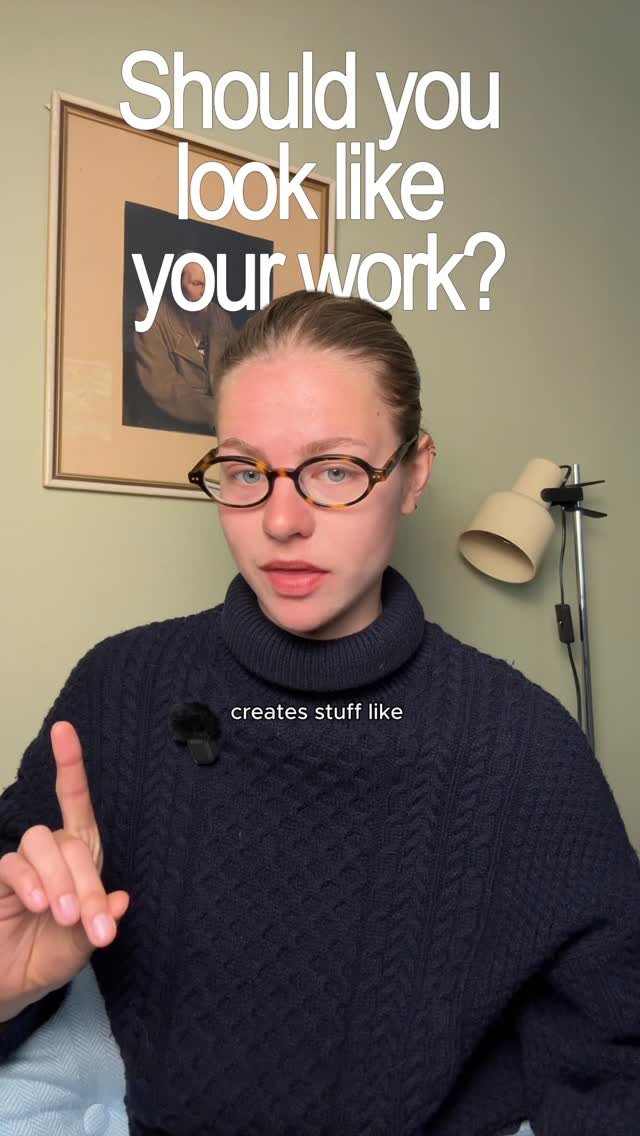
Should you look like your work?
Verbal hook · 35%
Jonathan Anderson creates stuff like this while looking like this.
Visual hook · 20%
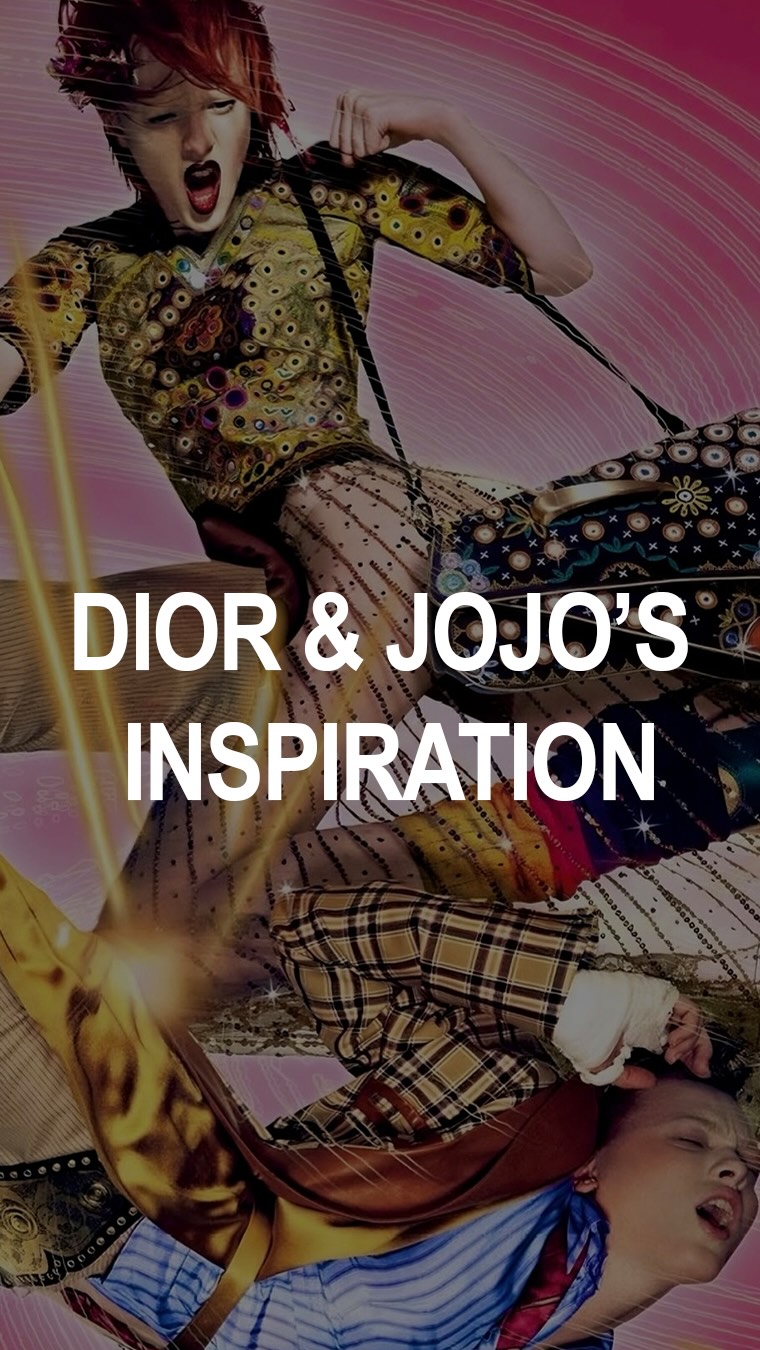
A standard shot of a speaker talking to the camera, immediately followed by a rapid cut to a model on a runway wearing a surreal, giant green anthurium flower as a top.
[06]
Hook template
Steal this for your own video
Should you [creative decision] like your [output]?
- — Should you cook like your recipes?
- — Should you dress like your clients?
- — Should you live like your financial advice?
[07]
Hook and payoff
The promise the opener makes, and how the video pays it back
Hook
Introduce a compelling visual or conceptual contradiction that immediately poses a question in the viewer's mind, using the format '[Subject] creates [this extreme thing] while looking like [this normal thing]'.
Payoff
The final beat reframes the initial contradiction as a source of strength or interest, offering the viewer a sense of permission and expanded possibility in their own lives.
[08]
Narrative framework
The structural pattern this video runs on
Framework
The Paradox Resolution
To challenge a common assumption by presenting a compelling counter-example, thereby offering the audience a new, more liberating perspective.
- 1
The Visual Paradox
Juxtapose two conflicting images or ideas (e.g., extravagant work vs. mundane appearance) to establish the central tension of the narrative.
- 2
The Credibility Stack
Quickly establish the authority and high-stakes success of the subject to give weight to the paradox and prove it's not an anomaly.
- 3
The Conventional Wisdom
Articulate a widely held belief or assumption that the audience likely shares, setting it up as the primary obstacle to overcome.
- 4
The Gallery of Conformity
Provide a rapid montage of examples that appear to support the conventional wisdom, validating the audience's initial perspective and making the eventual subversion more impactful.
- 5
The Counter-Argument Pivot
Introduce a sharp turn in the narrative with a 'But...' statement, using the primary subject as the definitive counter-example that breaks the established pattern.
- 6
The Liberating Conclusion
Resolve the initial paradox by reframing it as a positive or intriguing quality, and then broaden this specific conclusion into a universal, empowering takeaway for the viewer.
Themes
- Authenticity
- Artistic Identity
- Public Perception
- Creativity
Techniques
- Juxtaposition
- Case Study
- Visual Contrast
Trends
- Creator analysis
- Fashion commentary
Post caption
The internet seems to be obsessed with Jonathan Anderson right now, or maybe it’s just my algorithm...? But it made me think about why that is. I think we find it intriguing that something so extravagant and out there can come from someone who dresses pretty.... normal. We often think we have to sort of resemble the work we put out, but I would argue it is almost more exciting when you don’t. When you are a little unpredictable, so people start to wonder where all that came from
Text overlays
Transcript
Jonathan Anderson creates stuff like this while looking like this. The internet seems to obsess over Jonathan Anderson. And it's not just because his work is surreal, it's because he looks like this while making it. Jonathan is the current creative director of Tier, and he also helped raising Liyue to a billion dollar worse, all the while looking like he just returned from the grocery store. We often like to think that the creator has to look like tier work. If your fashion is crazy, you dress kind of crazy. If your music is dark and melancholic, being an overly happy person is just not really trustworthy. It's almost like you don't know what you're talking about. But Jonathan proves that you don't have to look a certain way to create a certain way. You can look completely normal and still make something absolutely insane. Actually, it makes it even more interesting because people will wonder where the hell all that came from. You're allowed to be a bit unpredictable. It's actually pretty exciting.