@mirandadoesbrands
TikTok · Talking Head Edit
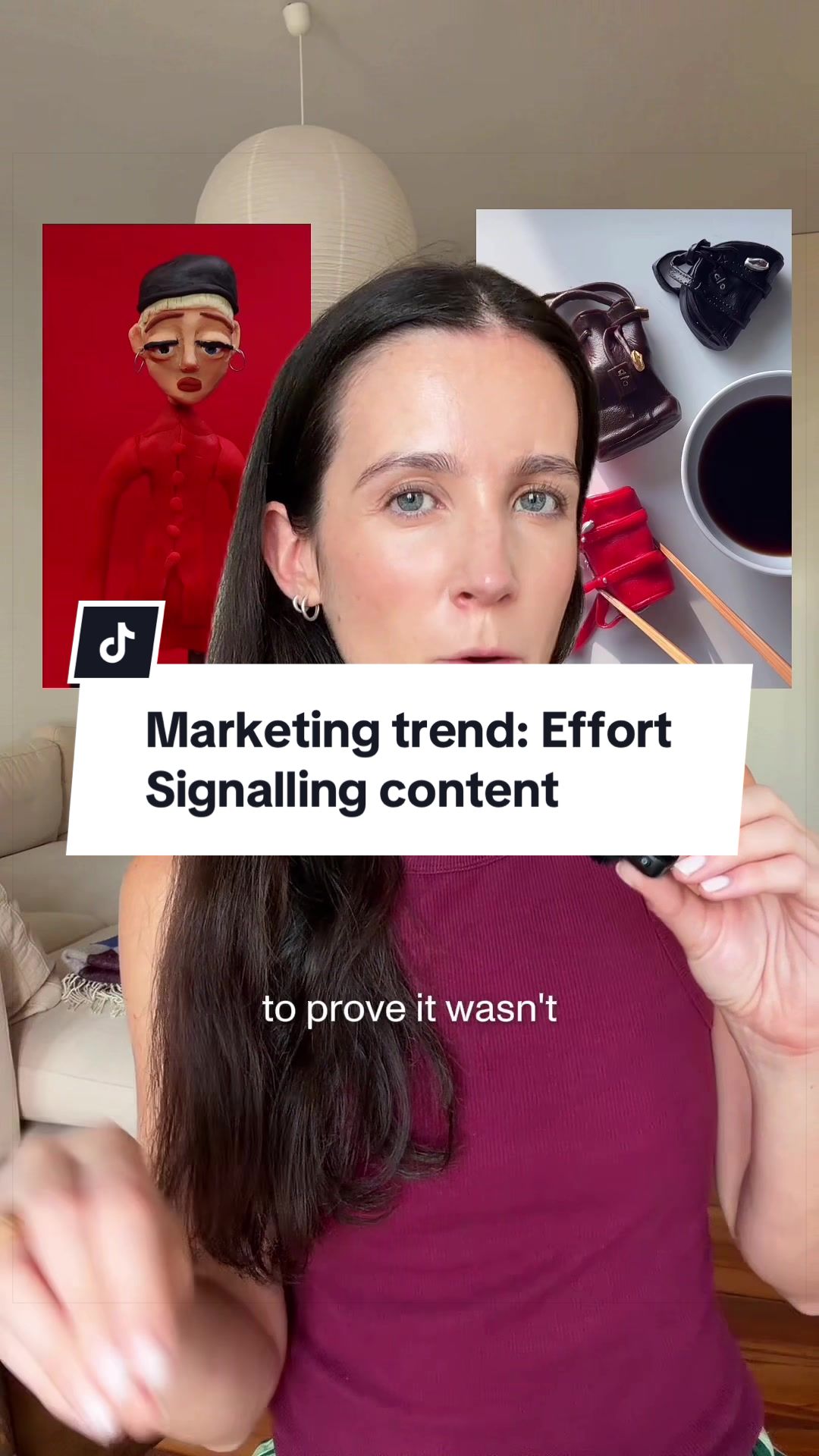
@mirandadoesbrands Marketing trend: Effort Signalling content #marketing #socialmediamarketing #socialmediatrend #contentstrategy

@mirandadoesbrands
TikTok · Talking Head Edit
@mirandadoesbrands Marketing trend: Effort Signalling content #marketing #socialmediamarketing #socialmediatrend #contentstrategy
Performance
Video #37825 · Talking Head Edit
[01]
The creator introduces and defines the marketing trend of 'Effort Signaling,' providing several real-world brand examples illustrated with B-roll footage. She then explains the psychological principle behind the trend—that high effort signals high value—and contrasts this with the perceived lack of input in AI-generated content. To further her point, she uses an analogy about modern art and concludes by predicting that this trend will become more prevalent as brands work to prove their content is not AI-generated.
[02]
[03]
 445.5K114.2×Explaining marketing trend with examples@var.aunevik · Case Study Breakdown
 2.2M164.2×Marketing trend breakdown with examples@var.aunevik · Breakdown
 157.9K32×Explaining the human-touch marketing trend@mirandadoesbrands · Breakdown
 170.6K33.8×Marketing trend analysis with receipts@mirandadoesbrands · Breakdown
 208.5K1.7×Explaining why marketing jobs are rebranded@mirandadoesbrands · Hot Take
 1M68.3×Explaining marketing trend with example@lukas.mullen · Case Study Breakdown
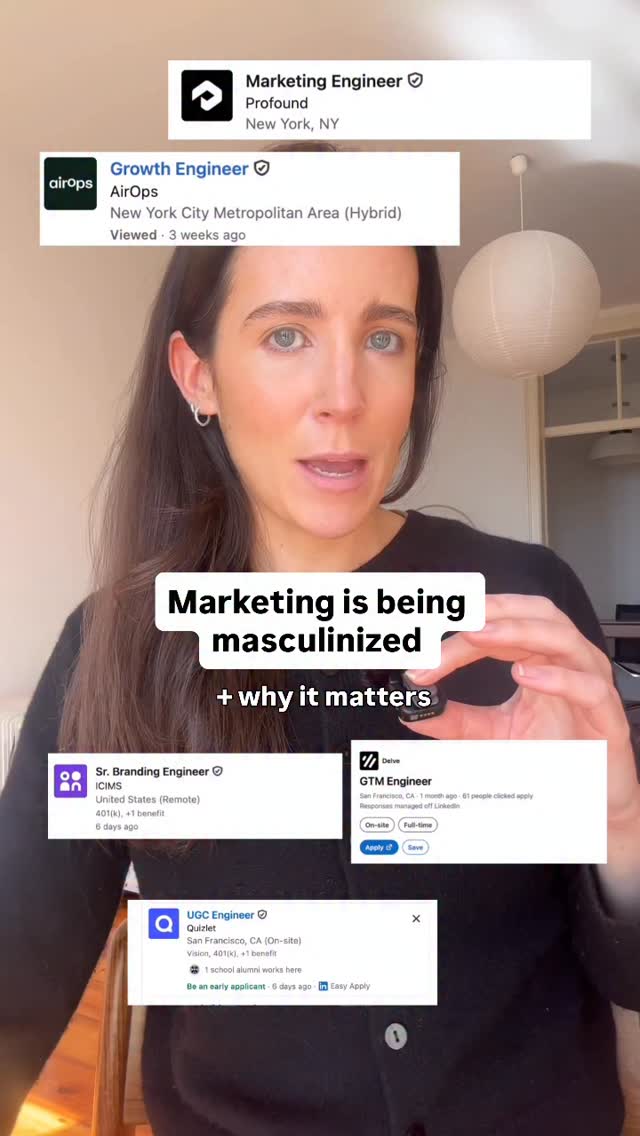 699.5K209.8×Greenscreen marketing industry trend breakdown@mirandadoesbrands · Breakdown
 622.9K3.6×Brands sell emotions not products@marketingwithshark · Rapid Fire Listicle
 631.1K3.6×Animated graphics explain marketing strategy@brandon_.marketing · Breakdown
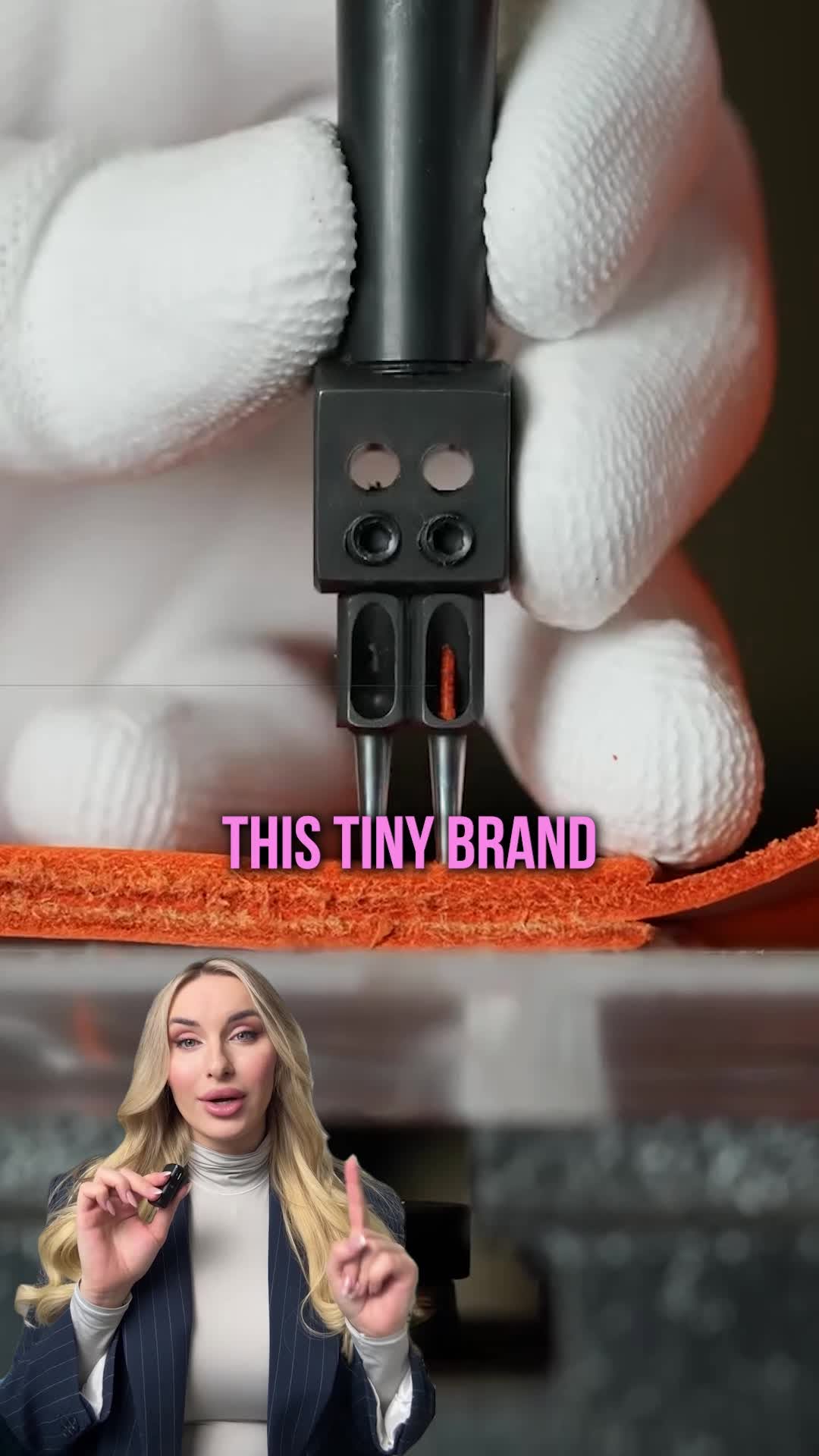 464.8K162.8×Marketing case study breakdown video@levysky.marketing · Case Study Breakdown
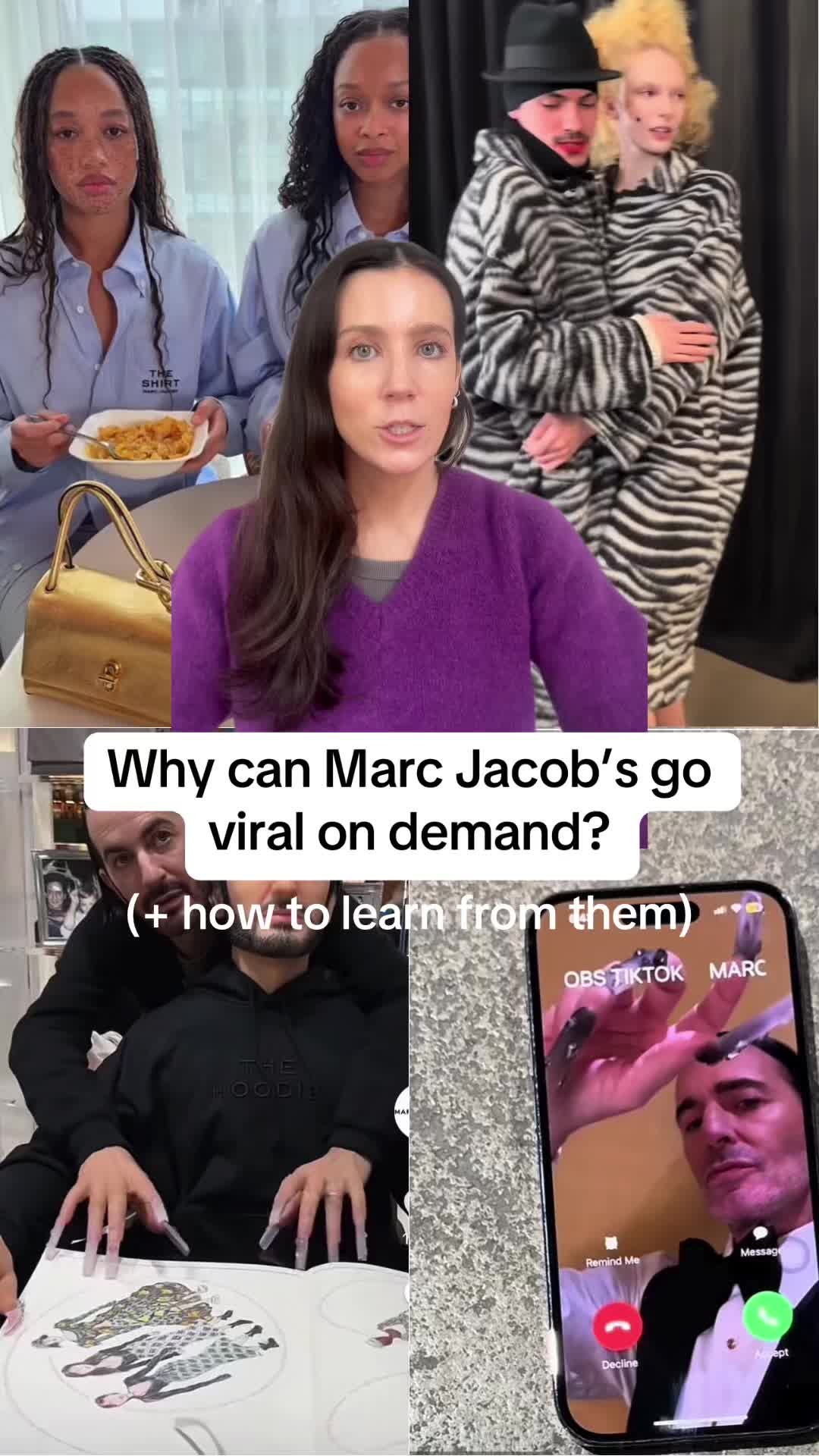 806.3K35.8×Brand relevance case study promo@mirandadoesbrands · Case Study Breakdown
 977.1KRapid fire marketing tricks explained@officialmtclips · Rapid Fire Listicle
[04]
[05]
What stops the scroll in the first 3 seconds
Title hook · 45%
Marketing Trend: Effort Signalling
Verbal hook · 40%
One of the biggest trends on social media right now is effort signaling content.
Visual hook · 15%
The speaker is framed by a dynamic digital collage of surreal and intriguing images, including a plate with fried eggs, a school uniform, a cartoon storefront, and fashion models, creating immediate visual curiosity.
[06]
Steal this for your own video
Marketing Trend:
[07]
The promise the opener makes, and how the video pays it back
Hook
Immediately state the name of a new, significant trend to establish authority and spark curiosity in a specific niche.
Payoff
Conclude with a strong, predictive statement that reframes the future, leaving the viewer with a new, valuable lens for understanding the world and a clear reason why this trend matters.
[08]
The structural pattern this video runs on
Framework
The Trend Forecaster
To introduce a novel cultural or industry trend, prove its existence with compelling examples, explain the underlying psychological driver, and predict its future impact.
The Trend Proclamation
Clearly and concisely name the specific trend being analyzed, framing it as a major, current phenomenon.
The Visual Evidence Montage
Present a quick succession of 2-3 distinct, visually interesting examples that prove the trend exists in the real world, grounding the abstract concept.
The Distilled Thesis
Summarize the common thread from the examples into a single, memorable principle or takeaway that defines the trend's core function.
The Psychological Rationale
Explain the underlying human behavior, cognitive bias, or social reason why this trend is effective and emerging now, often by refuting a common misconception.
The Analogous Bridge
Use a familiar, relatable example from a different domain (e.g., art, history, science) to make the psychological principle easier to understand and feel more universal.
The Future-Facing Forecast
Connect the trend to a larger, ongoing cultural or technological shift to predict its future relevance and increasing importance.
Marketing trend: Effort Signalling content #marketing #socialmediamarketing #socialmediatrend #contentstrategy
title · beginning
Marketing Trend: Effort Signalling
contextual · beginning
just partnered with
contextual · beginning
this Japanese food creator
contextual · beginning
who painstakingly
contextual · beginning
makes pasta
contextual · middle
in the shape of clothes
branding · middle
Damson Madder
contextual · middle
reimagined their
contextual · middle
summer campaign
contextual · middle
in stained glass
contextual · middle
did this whole campaign
contextual · middle
with clay figurines
informational · middle
This and no one saying "I could have made that"
Of the biggest trends on social media right now is effort signaling content. Victoria's Secret just partnered with this Japanese food creator who painstakingly makes pasta in the shape of clothes. Dams and Madder reimagined their summer campaign in stained glass, and Chamberlin Coffee did this whole campaign with clay figurines. Brands are choosing mediums where the effort is the message because one of the misunderstandings around AI is that people dislike the output because it's slop. But actually, a lot of the tier, it's because it lacks input. Our brains associate high effort with high value. It's the same reason why people critique modern art and say, well, I could do that. Because to the untrained eye, the effort isn't visible enough to assign it value. And I think we're going to see more of this effort signaling content even as AI output improves because the harder it gets to tell whether something was AI generated, the harder brands will have to work to prove it wasn't.