@lukas.mullen
Instagram · Greenscreen Talking Head
@lukas.mullen Booking a flight to Wuhu Island rn

@lukas.mullen
Instagram · Greenscreen Talking Head
@lukas.mullen Booking a flight to Wuhu Island rn
Performance
Video #39880 · Greenscreen Talking Head
[01]
The creator presents a nostalgic analysis of the aesthetic of 2000s-era video game beaches, explaining how technical limitations like blocky graphics, simple water textures, and high color saturation created a unique 'vibe.' He contrasts this with modern games' focus on realism, which he finds 'dull,' and concludes with a philosophical point that creative constraints can often be the source of a unique and compelling style.
[02]
[03]
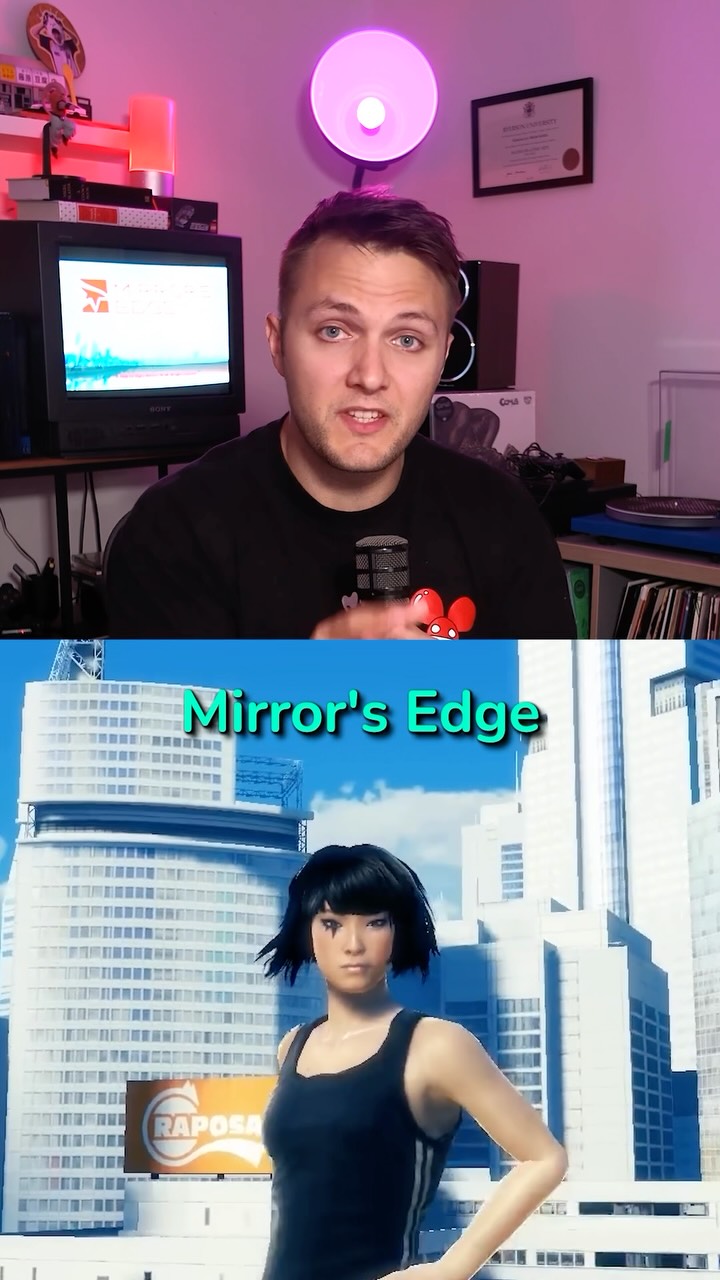 202.5K18.5×Split-screen game design analysis@wusodream · Breakdown
 1M5.3×List of nostalgic home features@lilswalty · Rapid Fire Listicle
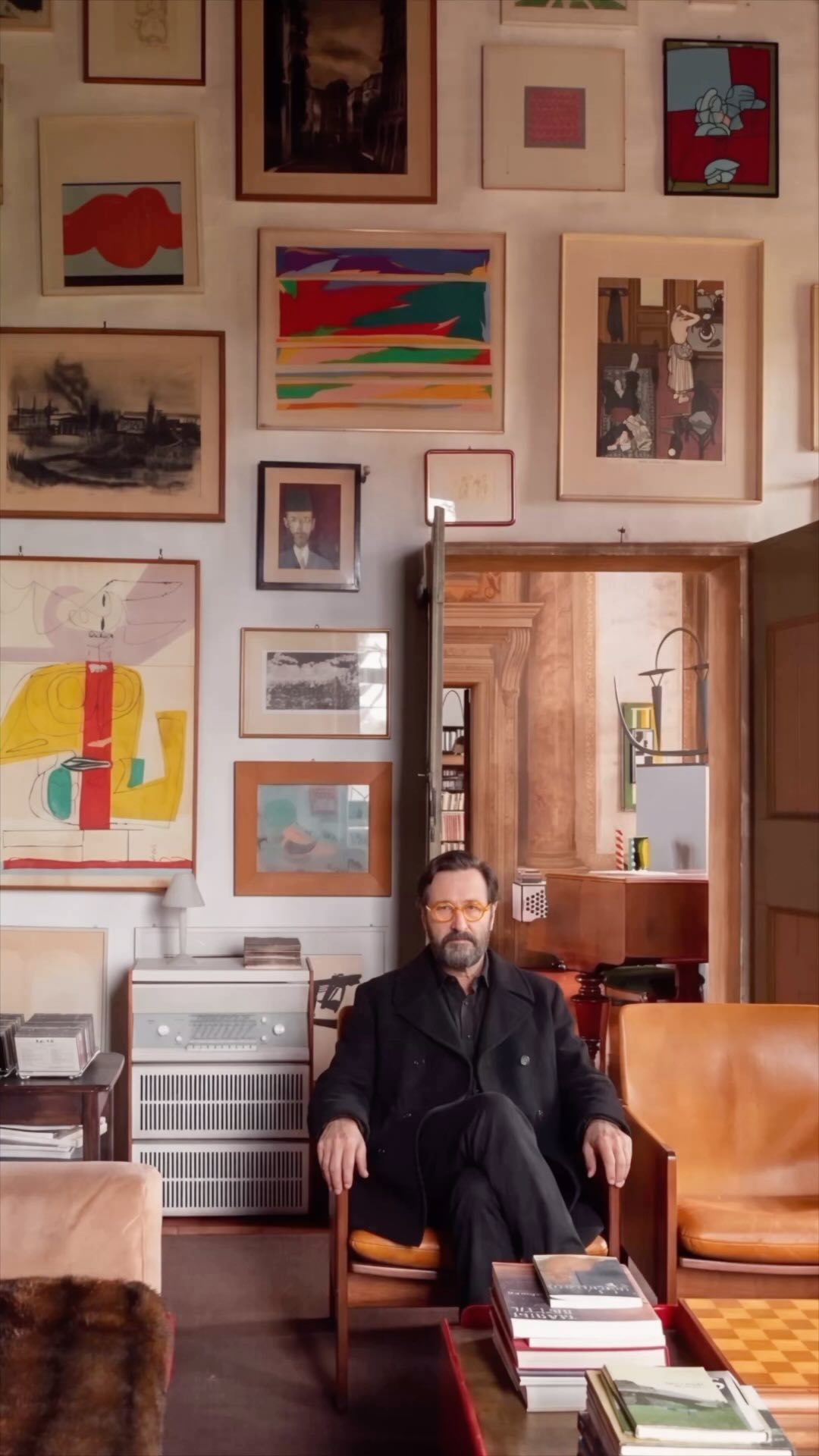 5.6M99×Man critiques modern clean aesthetic@lohause · Brand Manifesto
 1.2MChallenging an opinion with examples@alyssaanselmo_ · Hot Take
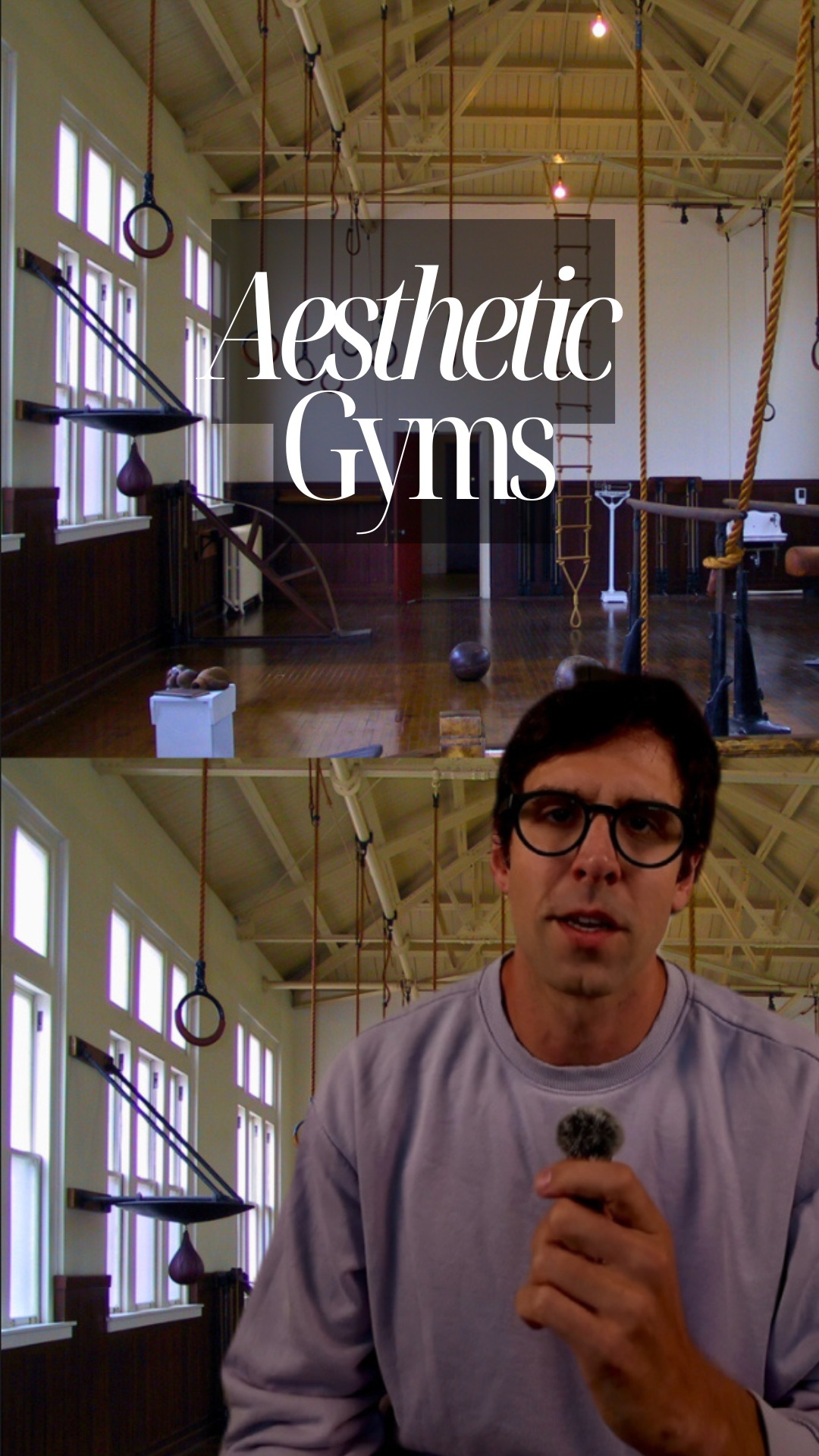 3.8M21.2×Advocating for aesthetic gym revival@hansloreidesign · Nostalgia Highlight
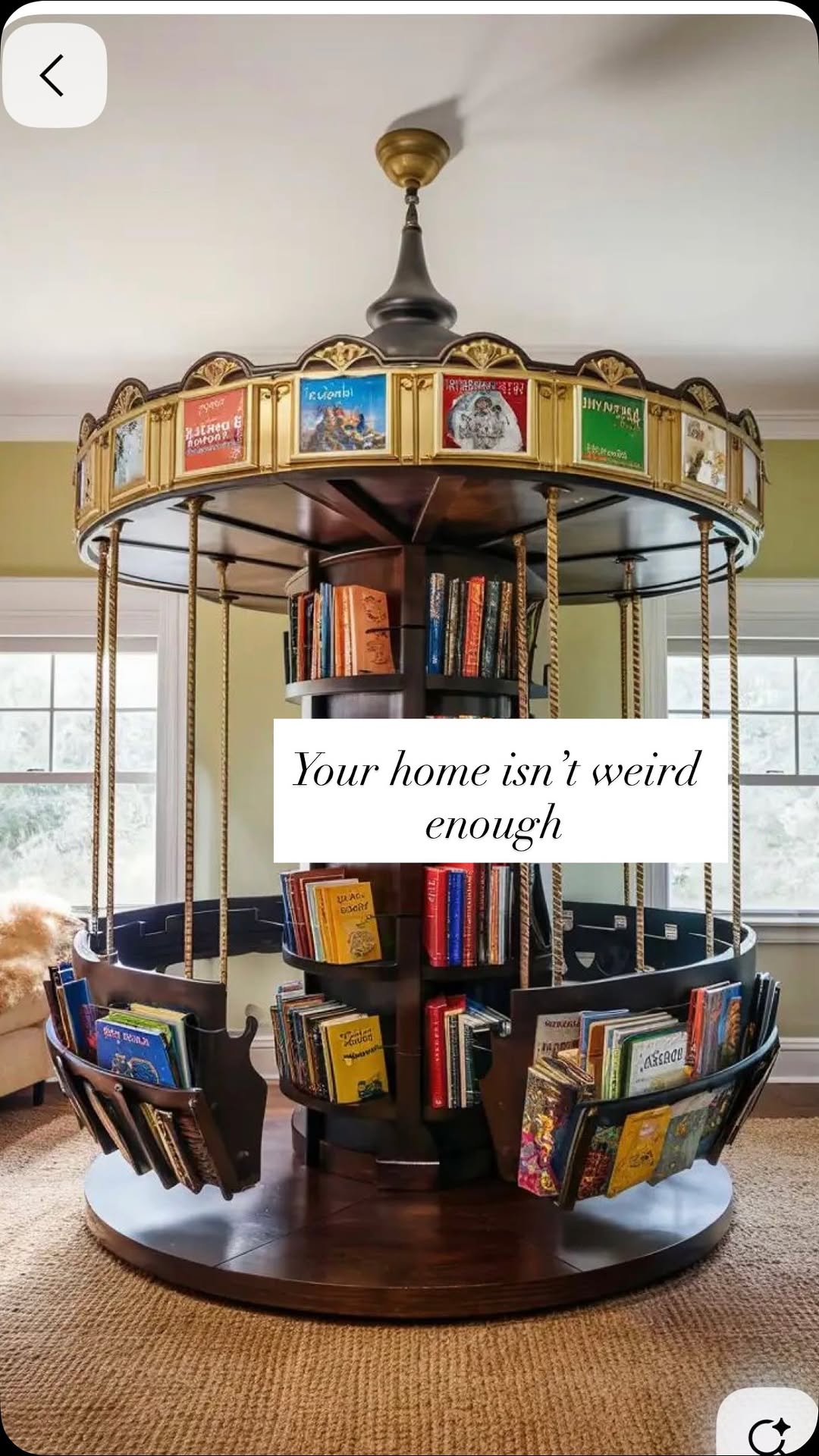 741.2K5×Critiquing boring decor with weird alternatives@lilswalty · Rapid Fire Listicle
 132.1K1.9×Why modern buildings look boring@curatingambiance · Breakdown
 588.7K7×Why furnishing a home with only new trendy pieces is a mistake@hansloreidesign · Explainer
 472.7K2×Comparing symmetry and asymmetry in beauty@sakata.ken · Breakdown
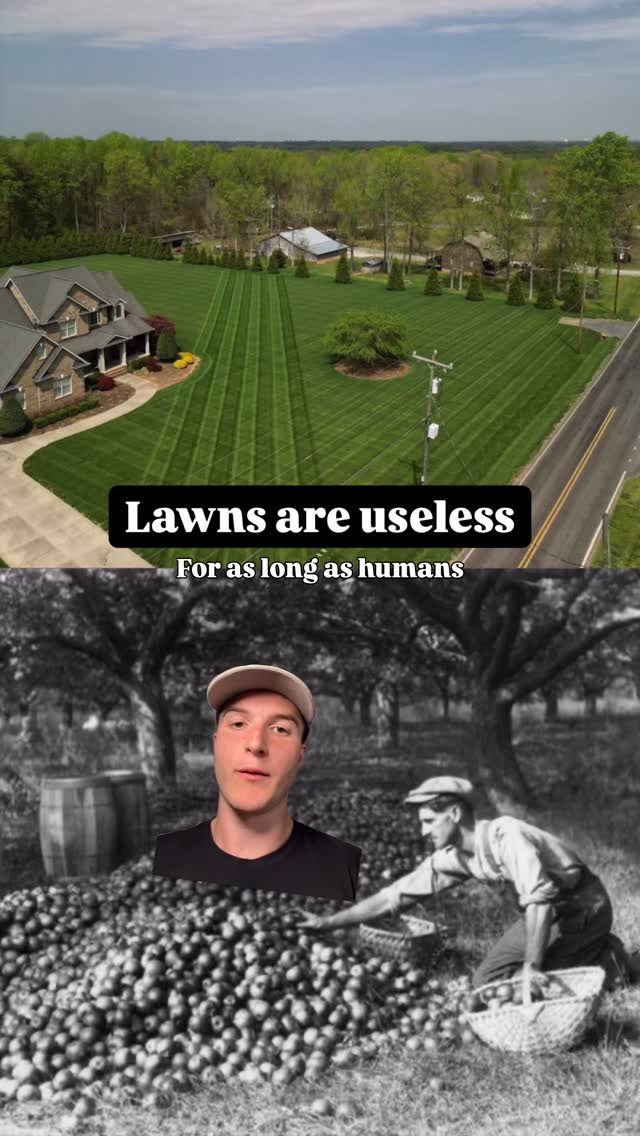 1.4M83.8×Greenscreen history of useless lawns@zephzoid · Advocacy Explainer
 271.9K885.6×Architect critiques modern city buildings@mwmoedinger1 · Breakdown
 70.7KComparing airport amenities via text@orenmeetsworld · Trendjacking
[04]
[05]
What stops the scroll in the first 3 seconds
Title hook · 35%
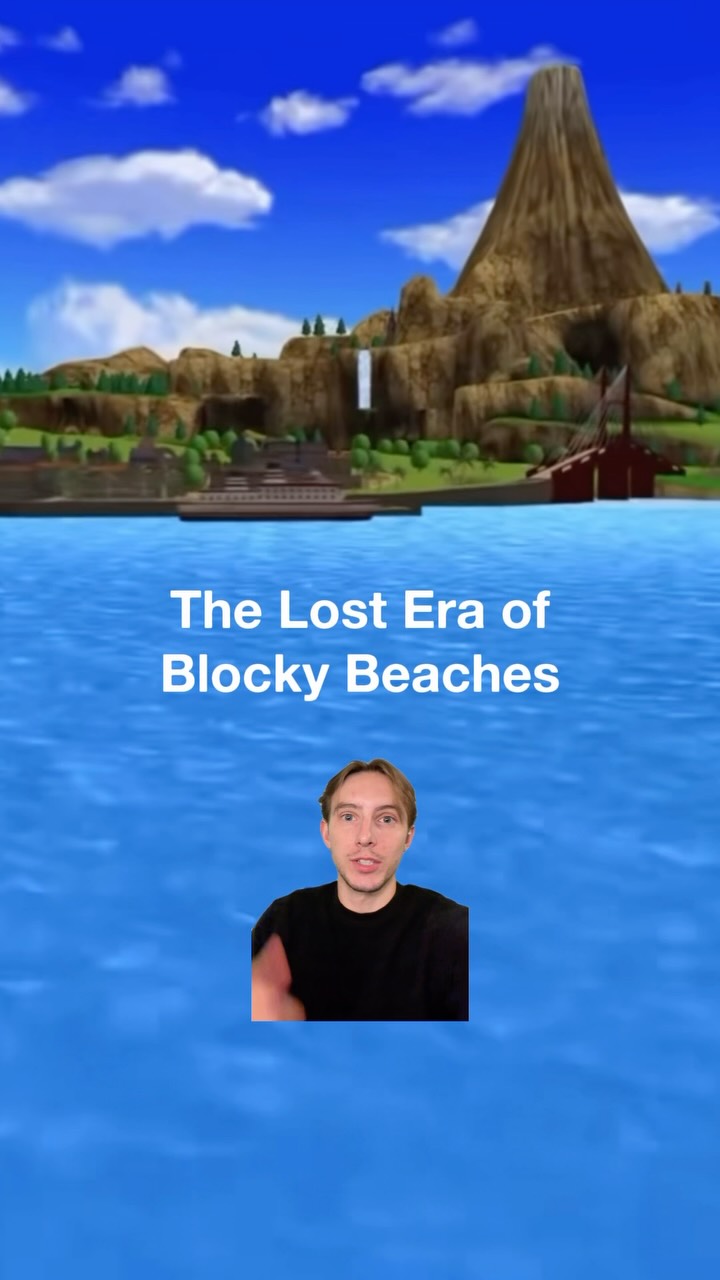
The Lost Era of Blocky Beaches
Verbal hook · 50%
Forget about Turks And Caicos, I wanna go into a two thousand's video game beach.
Visual hook · 15%
A wide shot of a low-polygon, brightly saturated video game landscape featuring a large body of water and a distant island with a volcano, immediately establishing the nostalgic, retro gaming theme.
[07]
The promise the opener makes, and how the video pays it back
Hook
Rejects a popular modern standard in favor of a niche, nostalgic alternative to capture a specific audience's attention and establish an 'in-group' feeling.
Payoff
Broadens the specific insight into a universal, philosophical takeaway, giving the viewer a new mental model or life lesson that transcends the original topic and provides a feeling of intellectual satisfaction.
[08]
The structural pattern this video runs on
Framework
The Nostalgic Deconstruction
The video leverages nostalgia for a past aesthetic, deconstructs the technical limitations that created it, and then reframes those limitations as the source of its unique charm, culminating in a universal principle about the creative power of constraints.
The Technical Deconstruction
Provides a logical, evidence-based explanation for the nostalgic aesthetic by detailing the specific technical limitations or constraints that defined it, validating the viewer's feeling with facts.
The Evolutionary Shift
Introduces a point of change or evolution where the old way was replaced by a new, seemingly superior, modern approach, creating a narrative turning point.
The Ironic Downgrade
Presents the core thesis that the 'advanced' modern approach resulted in a loss of a key intangible quality (vibe, style, charm) that the old way possessed due to its limitations.
The Constraint-as-Catalyst Principle
Explicitly states the core insight: the initial limitations were not a flaw to be overcome, but the very source of the aesthetic's unique value.
Booking a flight to Wuhu Island rn
title · beginning
The Lost Era of Blocky Beaches
contextual · middle
water
contextual · middle
ocean
contextual · middle
texture
contextual · middle
lighting
contextual · middle
saturation
contextual · middle
warm
contextual · middle
GPU's
contextual · middle
organic
contextual · middle
everything
contextual · middle
blocky
contextual · middle
design
contextual · middle
technology
contextual · middle
shifted
contextual · middle
vibe
contextual · middle
reality
contextual · middle
in
contextual · middle
realize
contextual · middle
kind
contextual · middle
situation
contextual · middle
constraint
contextual · middle
created
contextual · middle
style
contextual · middle
think
contextual · middle
constraints
contextual · middle
things
contextual · middle
overcome
contextual · end
reality
contextual · end
thing
contextual · end
edge
Forget about Turks And Caicos, I wanna go into a two thousand's video game beach. Back when there were no water physics, so the ocean is just a rolling texture. And dynamic lighting didn't exist, so they just cranked up the saturation to imitate warm sunlight. The GPUs couldn't even handle organic shapes, so everything has this blocky geometric design. But as the technology evolved, the focus shifted from creating a vibe to simulating reality, which is cool in theory until you realize reality is kind of dull. So we have a situation where the constraint actually created the style. I think a lot of the times we view constraints as these things we need to overcome, when in reality it might be the very thing giving us an edge.