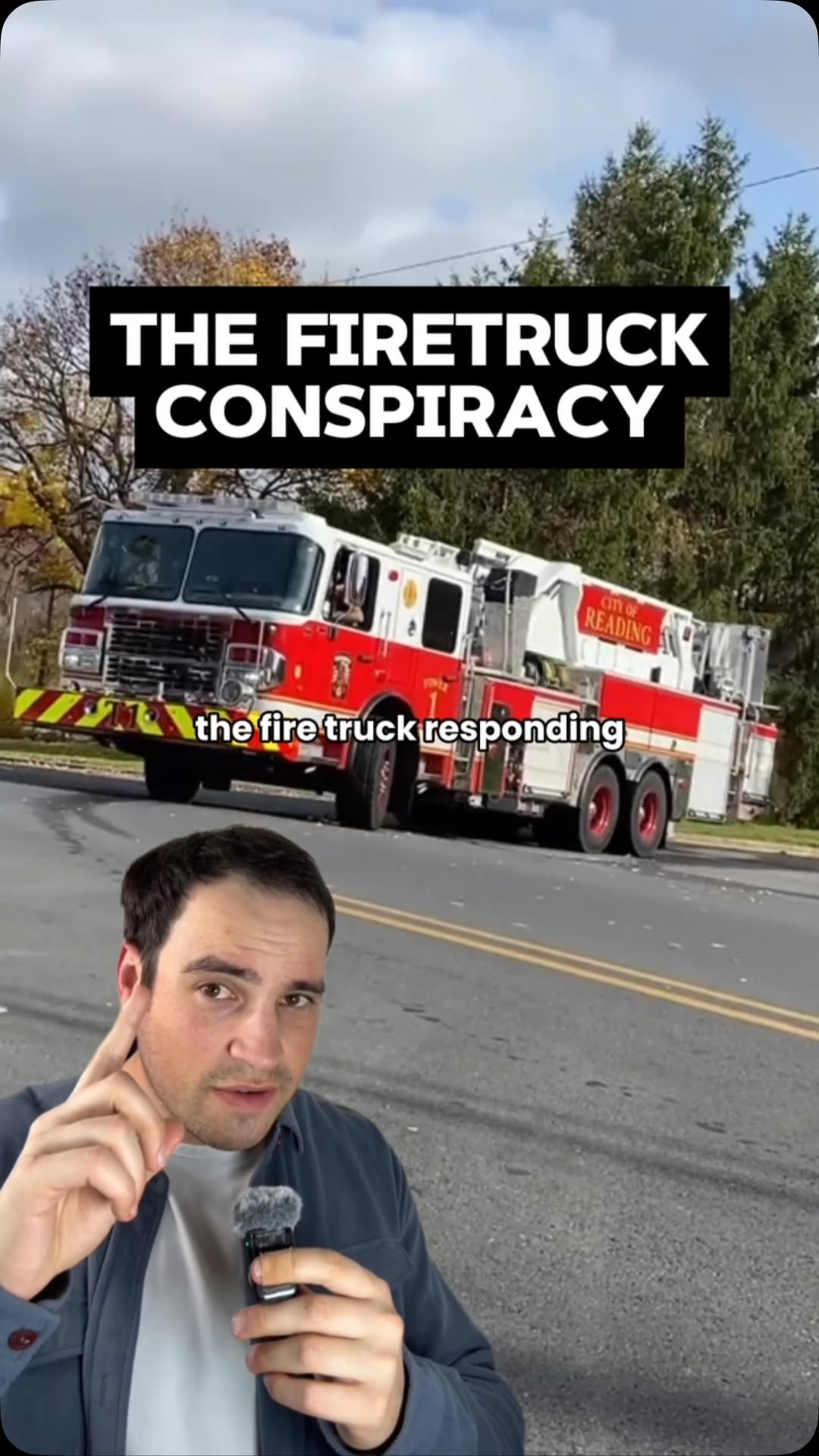
Post caption
This is part four of a series on the economics of a world sliding toward a wider war, and the second installment of a multi-part breakdown of a single field report from a research firm called Citrini, whose analyst spent a week on the waters of the Strait of Hormuz during the conflict. The last video covered the dark fleet of unflagged tankers that has quietly taken over the most important waterway on earth. This one covers what Tehran is building on top of it.
Iran has not closed the Strait of Hormuz. It has instead built a toll booth in the middle of the ocean, a sovereignty regime modeled, explicitly, on Turkey’s ninety-year-old control of the Bosphorus under the Montreux Convention. Ships submit ownership papers, crew composition and shareholder registries to an Iranian broker. The Islamic Revolutionary Guard Corps runs compliance checks. Thirteen countries, including France, Japan and Greece, have cut bilateral deals to pass, most of them using frozen Iranian assets held in their own domestic banks as the payment mechanism. The three pillars of the post-war American order are the dollar, the navy and the sanctions system. Tehran just demonstrated that the second is breakable and the third is optional, and its allies, some of them Washington’s, lined up to confirm it. Front-month oil is still pricing a temporary crisis. The back-dated contracts assume a return to normal. Both are wrong. What is actually happening is the productization of sanctions evasion, sold as a service, with NATO members as paying subscribers.
#economics #globaltrade #finance #ww3
Transcript
Braun is now charging tolls to use the straight of our moves, and the rest of the world is lining up to pay. This is part four of our World War three economic series Second Finding from the Citrini Field Report. If you missed part three on the Dark Fleet, watch that video first linked here. So here's how the toll booth actually worse: the ship's owner contacts an Iranian middleman broker and submits a full intelligence package on on the ship. Then the IRGC runs diligence. They're specifically checking whether the vessel is secretly American aligned. It's a real KYC process run by a designated terrorist organization. When you pass, you get a confirmation code and an escort through a specific channel between Keshem and the Laroc Islands. Fail and you sit. No vessel has used the traditional international shipping lanes. The toll booth is the only road and that's why Trump says that the Strait Of Ormuz is actually closed. But the best, the Worst, has been getting wrong. Every headline says that the ships are paying in Chinese yuan or crypto. Since treaties analysts found out on the ground, that's mostly a front. The dominant payment mechanism is diplomatic. Countries are unfreezing Iranian assets that have been sitting in their domestic banks under US sanction for years. India did it, France did it, and that's why Macron has been positioning so aggressively against The US at the UN. And the list of countries that have already cut deals is longer than you think. tier countries have effectively recognized Iranian sovereignty over the Strait Of Hormuz in three weeks without a single UN session. Now here's why you should really care, because this isn't actually a story about Rank. Because the Omani officials the Trini's analysts met with compared what Iran is building to Turkey's Bosphorus, Turkey has controlled the Turkish Straits since 1936 under the Montreux Convention. Full sovereignty. Commercial vessels best freely. The US is not a signatory. The framework has held for ninety years. So Iran's goal is not to build a wartime blockade. Iran is building an institution, a permanent legal regime where Tehran controls passage forever, collects a toll on every barrel that moves through the most important choke point on earth, and the world calls it normal because there's a NATO precedent for it. So this is so much bigger than oil. For eighty years, the global order has run on three American guarantees: The dollar settled trade, the US Navy guaranteed the sea lanes, and OFAC sanctions worse the financial death penalty no could survive. But Iran just demonstrated that the second guarantee is breakable, and 13 US allies, including France, Japan, and Greece, just demonstrated that the third one is optional. They're routing around OFAC through diplomatic asset unfreezing. The template is now reusable. For Russia, Venezuela, Cuba, rank productization of sanctions evasion. It used to be a rogue state behavior, and now it's a service NATO members are subscribing to, once a product exists and has paying customers who cannot put it back in the lab and refuse it. So even if Iran loses the war tomorrow, the tollbooth stays, the infrastructure is the point, the precedent is the point. But here's what that means for your money: better analyst is saying the strait will reopen and oil prices will crash, it's missing the framework. The Schrader is already open, it's open under Iranian management. December 2026, oil is at $71 and the front month is at 110, both are mispriced. The new normal involves a permanent risk premium that does not go away after a ceasefire. It's a climate change. Long dated oil is the tier, premium that does not go away after a ceasefire. It's a climate change. Long dated oil is the trade, the market is pricing this as a thunderstorm. Part five is best. I'll see you there.