@ai_alaqili
TikTok · Clip
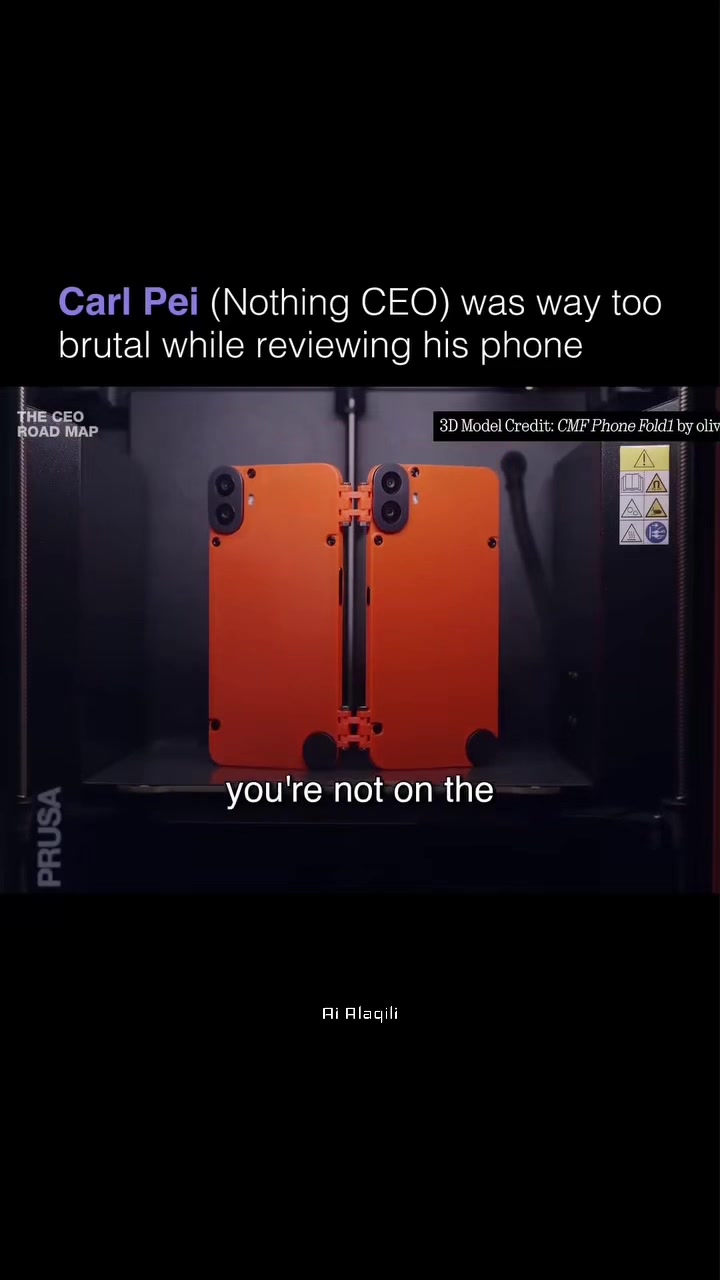
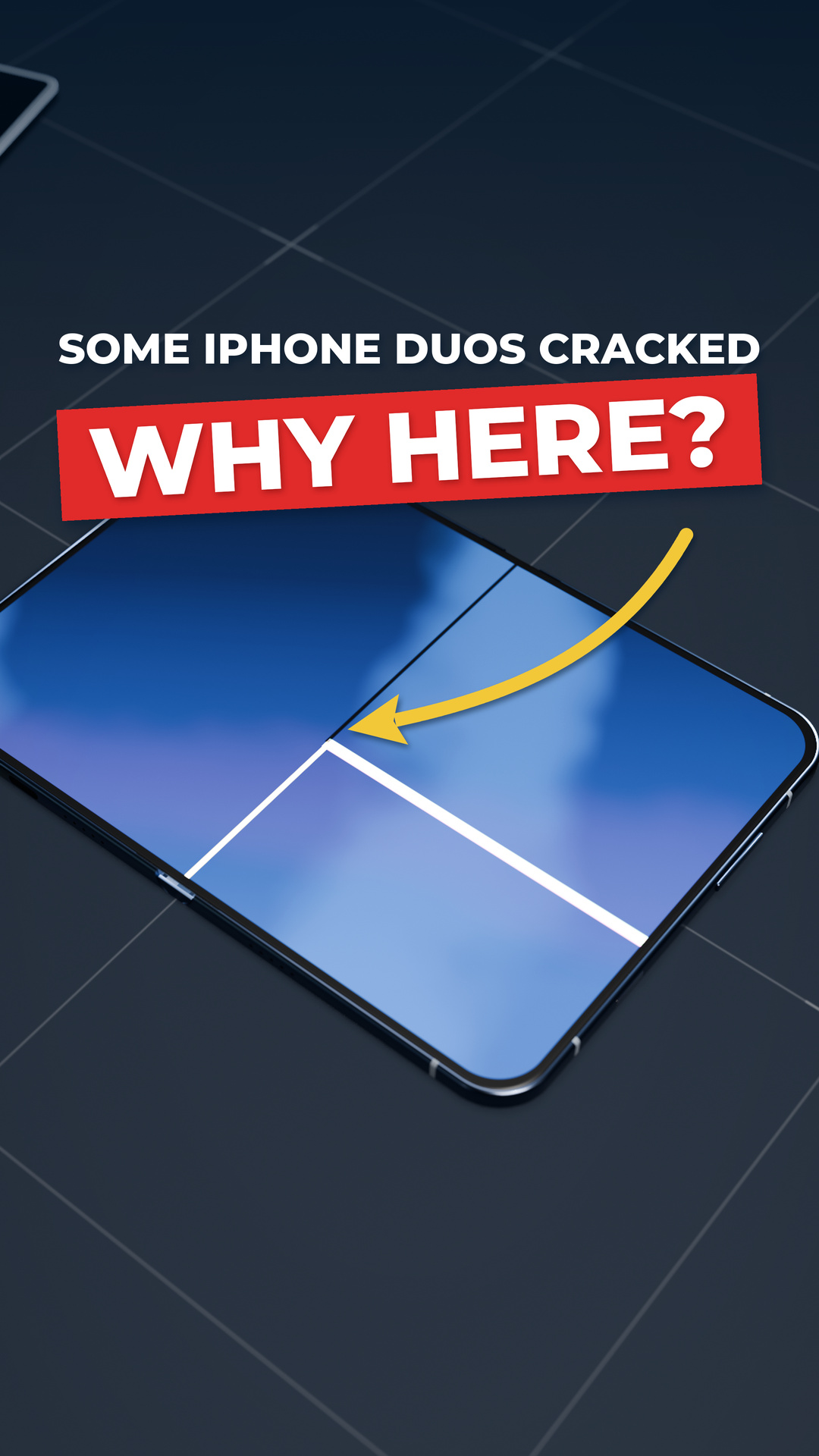
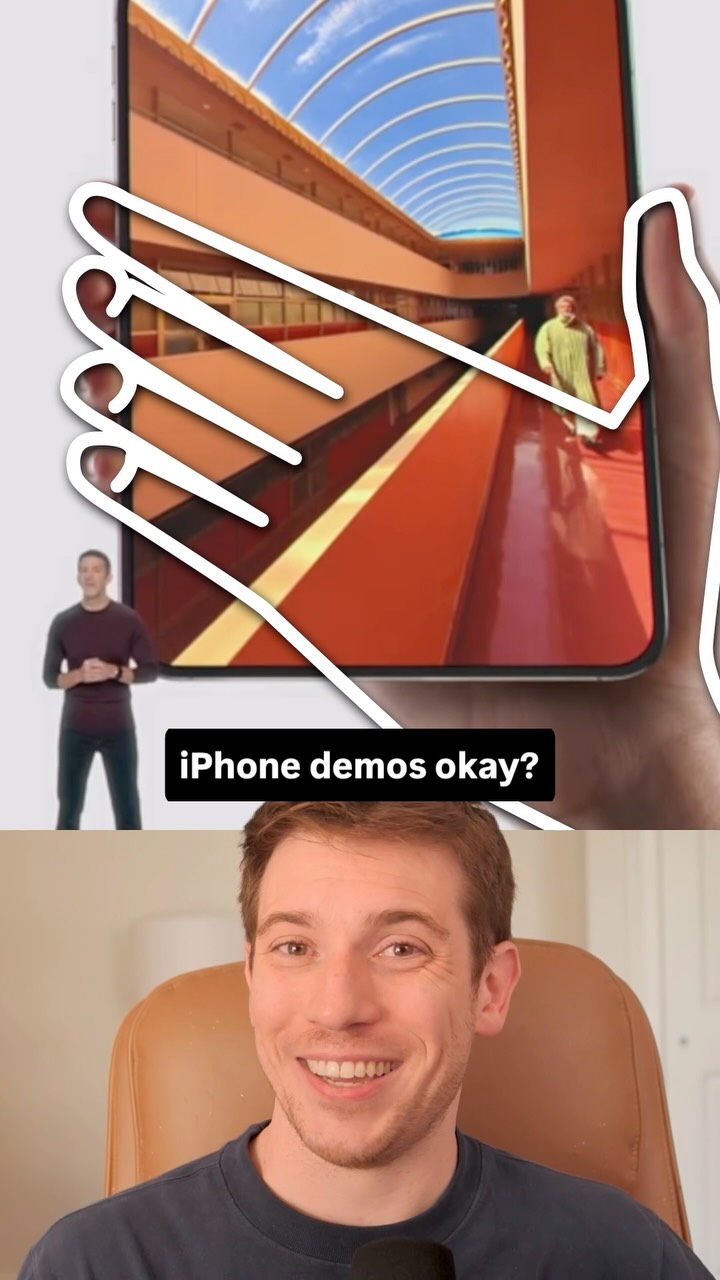
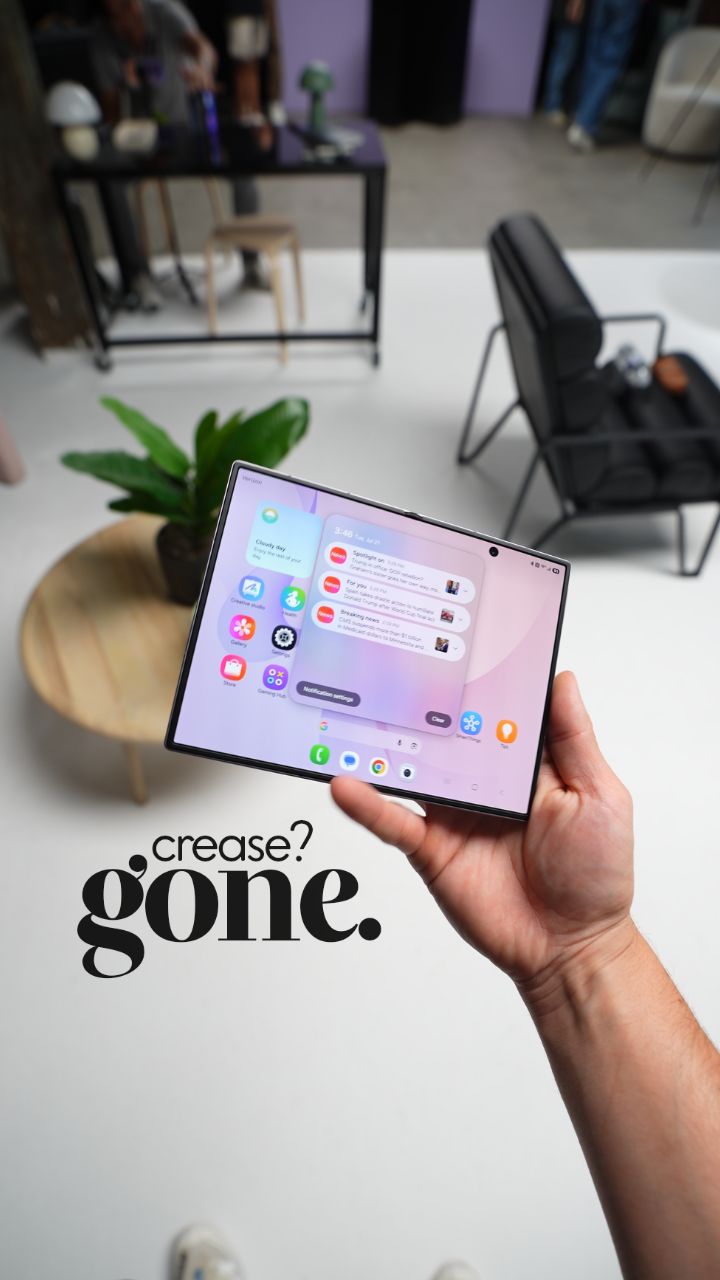
@ai_alaqili Carl Pei building Nothing into one of the most talked about hardware startups in the consumer technology space gives his product critique a credibility that goes beyond opinion. When the founder of a company investing heavily in hardware research and development identifies finger-pinching hinges and split display usability failures in a dual-screen concept phone almost immediately, that is not casual consumer feedback. It is a trained product instinct recognizing the gap between a bold engineering concept and a device that solves a real problem for the person holding it. The dual-screen form factor has circulated through consumer hardware for years precisely because it looks innovative on a spec sheet and in a keynote presentation. What Pei's critique surfaces is the distinction between innovation that creates genuine utility and innovation that introduces new friction in the process of appearing novel. A hinge that pinches fingers and a display that splits the user's attention are not minor manufacturing issues to be resolved in the next revision. They are signals that the core interaction model has not been validated against how people actually use devices in daily life. For founders and product teams building in hardware, software, or any consumer facing category, the principle embedded in this moment is one of the most important in product development. Creativity and technical ambition are necessary inputs but they are not sufficient outputs. The products that win are not the ones that demonstrate the most engineering complexity. They are the ones that remove friction so completely that the technology disappears and only the utility remains. Every bold idea deserves honest stress testing against that standard before it reaches production. Source: Carl Pei #ProductDesign #HardwareStartups #ConsumerTech #ProductDevelopment #Nothing