@wacomo
Instagram · Vlog
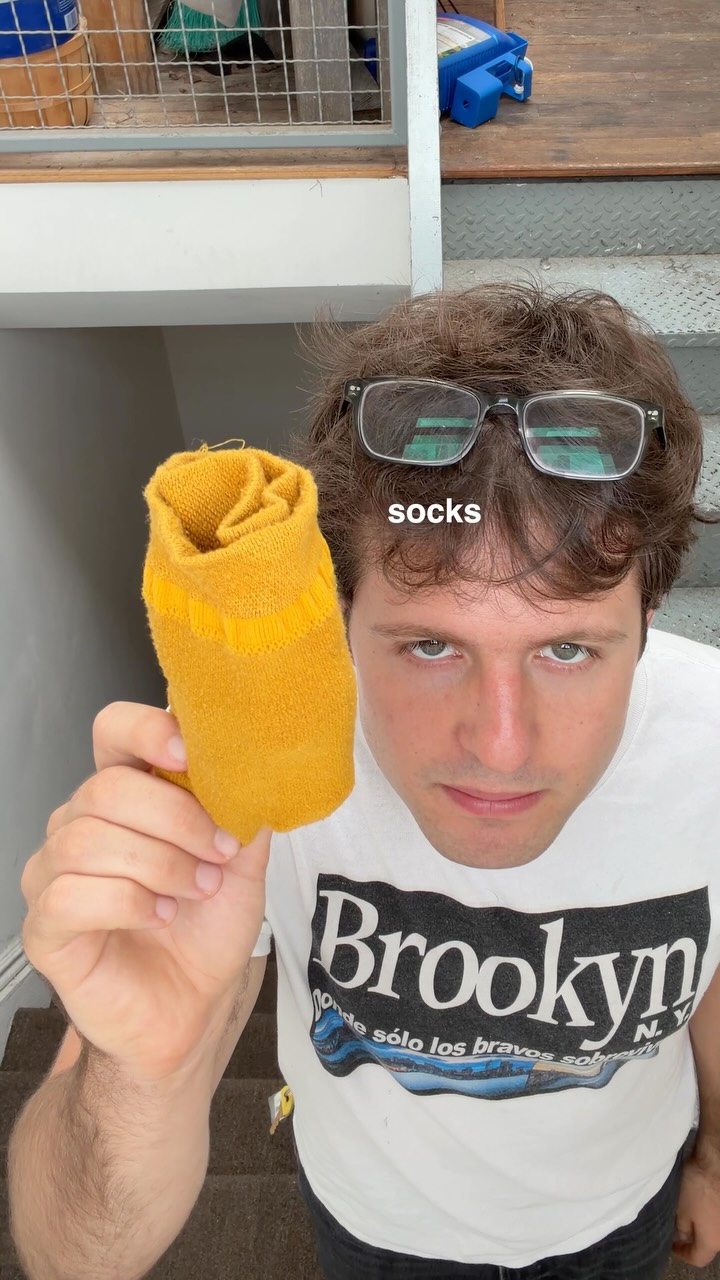
@wacomo bad socks are good socks after all

@wacomo
Instagram · Vlog
@wacomo bad socks are good socks after all
Performance
Video #42927 · Vlog
[01]
The creator contrasts his favorite and least favorite everyday items (socks, forks, underwear) and initially questions why he keeps the bad ones. He then pivots to a personal philosophy, arguing that these 'bad' items are necessary to create a natural balance, serving as motivation for chores and making the 'good' items a rewarding experience, using an analogy about forest fires and pine trees.
[02]
[03]
 2M10.1×Aspirational montage arguing for using possessions@gstaadguy · Brand Manifesto
 434.5K13.1×Convenience vs nature philosophical argument@var.aunevik · Anecdotal Philosophy
 1.5M9×Mended clothes reveal personal character@gstaadguy · Anecdotal Philosophy
 1.3M1.5×Creator shares ideas and philosophy on self-reliance vs consumerism@bradley.thor · Anecdotal Philosophy
 566.3K28.8×Critiquing consumerism in modern hobbies@orenmeetsworld · Breakdown
 927.6K6.7×Philosophical monologue on luxury lifestyle@gstaadguy · Brand Manifesto
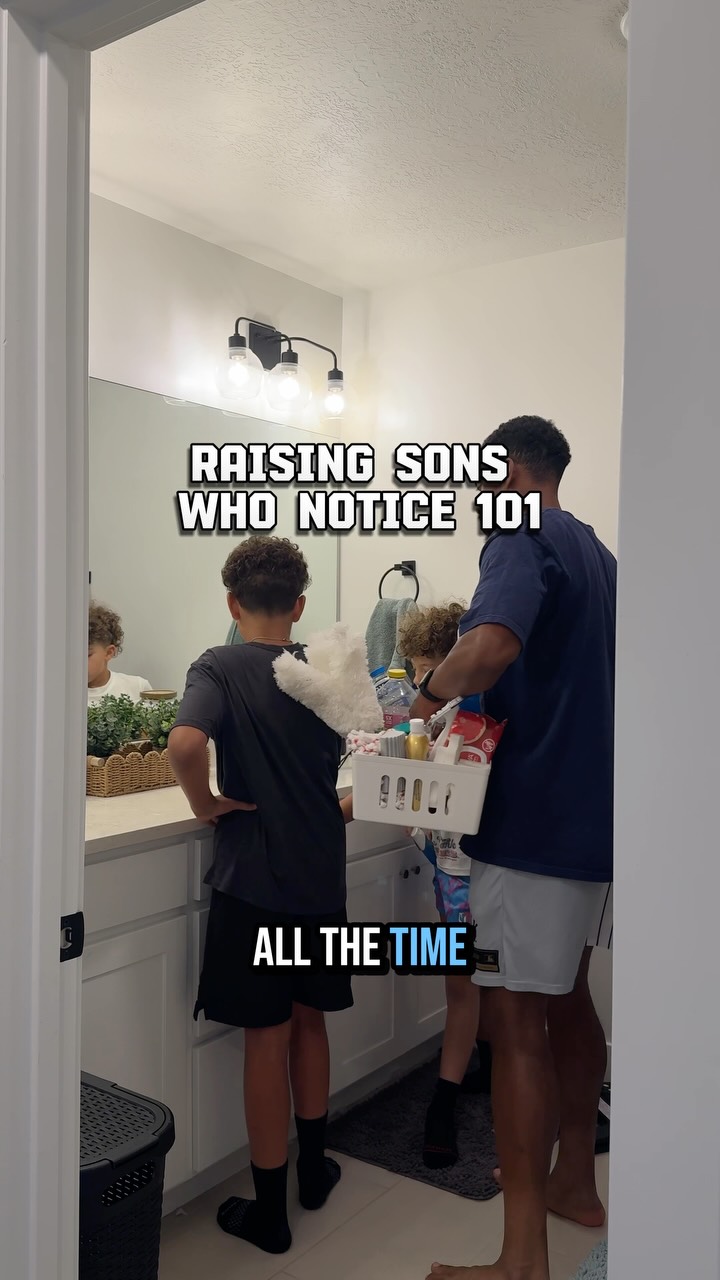 2.4M960.3×Documenting how to raise observant sons@thegilliamfam · Value Vlog
 249.8K31.4×Direct monologue about material attachment@sensei.nick · Anecdotal Philosophy
 217.8K3.3×Creator critiques leftist ideological arguments@womp_tomp · Cultural Rant
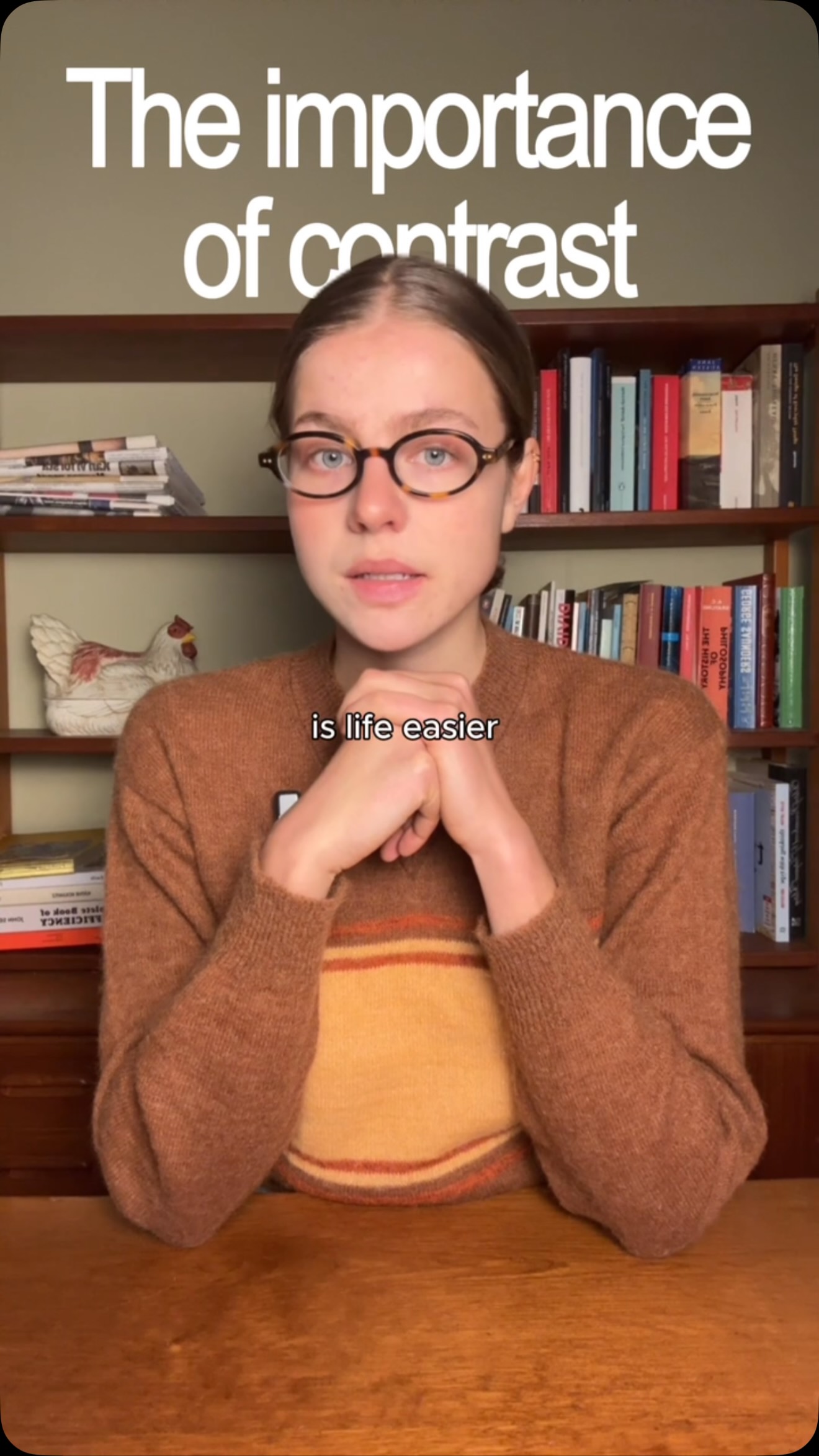 521.6K11.6×Personal story illustrates philosophical concept@var.aunevik · Anecdotal Philosophy
 1M7.7×Lifestyle montage redefines a word@gstaadguy · Motivational Mantra
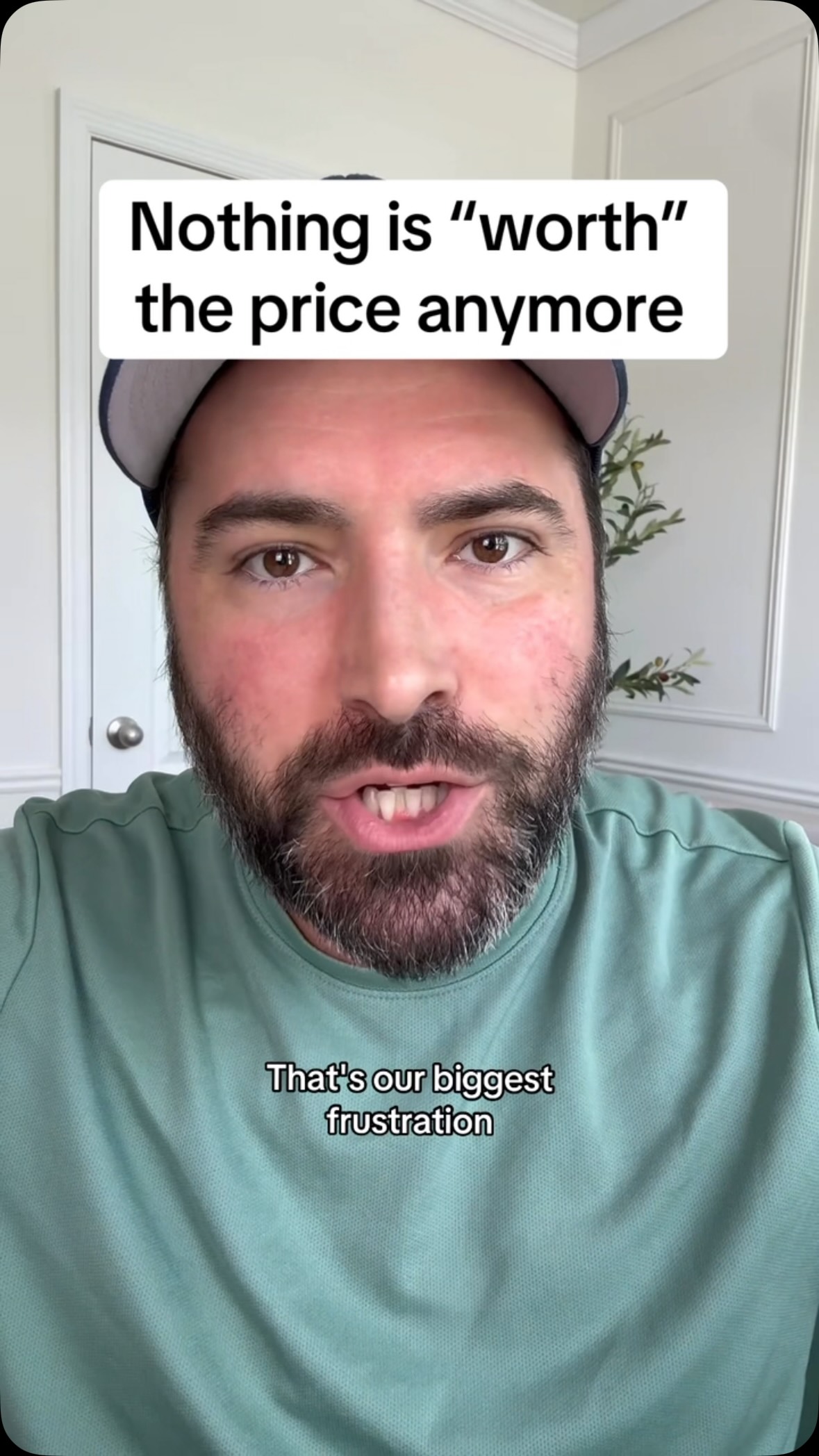 854.3KRant about why nothing is worth the price@fmsmith319 · Cultural Rant
[04]
[05]
What stops the scroll in the first 3 seconds
Title hook · 48%
my favorite
Verbal hook · 47%
These are my favorite socks.
Visual hook · 5%
A high-angle, slightly distorted shot of the creator looking directly into the camera while holding up a bright yellow sock, creating an unusual perspective and a strong color contrast.
[06]
Steal this for your own video
my favorite (and why I keep the )
[07]
The promise the opener makes, and how the video pays it back
Hook
The creator presents a mundane, everyday object and declares it their 'favorite,' creating a relatable and slightly quirky entry point that sparks curiosity.
Payoff
The video concludes by delivering the core philosophy as a concise, memorable, and often humorous moral or commandment, providing a satisfying and shareable takeaway.
[08]
The structural pattern this video runs on
Framework
The Mundane Philosophy Framework
A narrative structure that presents a common, relatable problem, proposes an overly simplistic solution, abruptly rejects it, and then reveals a deeper, counter-intuitive philosophy to justify the existence of the initial problem, using an external analogy for proof.
The Beloved Mundanity
Introduce a common item and establish it as the 'good' or 'favorite' version, briefly explaining its positive attributes to create an emotional anchor.
The Despised Doppelgänger
Immediately introduce the 'bad' or 'least favorite' version of the same item, using strong negative language to establish a clear good-vs-evil contrast.
The Pattern Reinforcement
Repeat the good/bad comparison with at least one more category of items to demonstrate that this is a recurring life pattern, not an isolated issue, thereby raising the stakes.
The Naive Epiphany
The narrator has a moment of apparent clarity, proposing the most logical and obvious solution: to eliminate the 'bad' and keep only the 'good'.
The Thesis Shatter
The narrative takes a sharp, unexpected turn. The obvious solution is violently and comically rejected, often with a loud sound effect, jarring text, and/or a physical stunt, which shatters viewer expectations and creates intrigue for the 'real' answer.
The Philosophical Reframe
Introduce a high-concept, philosophical argument that reframes the initial problem, suggesting that the 'bad' things serve a necessary purpose within a larger system of balance.
The Analogical Proof
Support the abstract philosophy with a concrete, often surprising, analogy from an unrelated domain (e.g., nature, science, history) to make the argument feel clever and credible.
The Practical Synthesis
Connect the high-concept philosophy and the analogy directly back to the original mundane problem, revealing the hidden, beneficial function of the 'bad' item.
bad socks are good socks after all
contextual · beginning
my favorite
title · beginning
LEAST FAVORITE SOCKS
title · middle
WRONG
call-to-action · end
DON'T MESS WITH NATURE KEEP YOUR BAD SOCKS
These are my favorite socks. They're soft. They're colorful. And every time I see them in my drawer, I know it's gonna be a good day. And these are my least favorite socks. They're horrible. They're too small and they shut up. Anyways, I also have a favorite fork. I mean, it's so so heavy. And a least favorite fork. Lindsay and shameful. And I also have a favorite pair of undies. Wow. And a least favorite pair of undies. What? And you no, I've been thinking, why don't I just get a bunch of my favorite socks and undies and forks? They're not that expensive. And they would make my life a 100,000,000,000,000 times better. Wrong. No. You see, I believe that there's a natural balance in this world that we should not mess with. In the same way that pine trees need forest fires to release their seeds and grow, I need my horrible socks to remind me to do my laundry. And then my night socks are a reward for doing my chores. No don't mess with nature. Keep your bad socks.