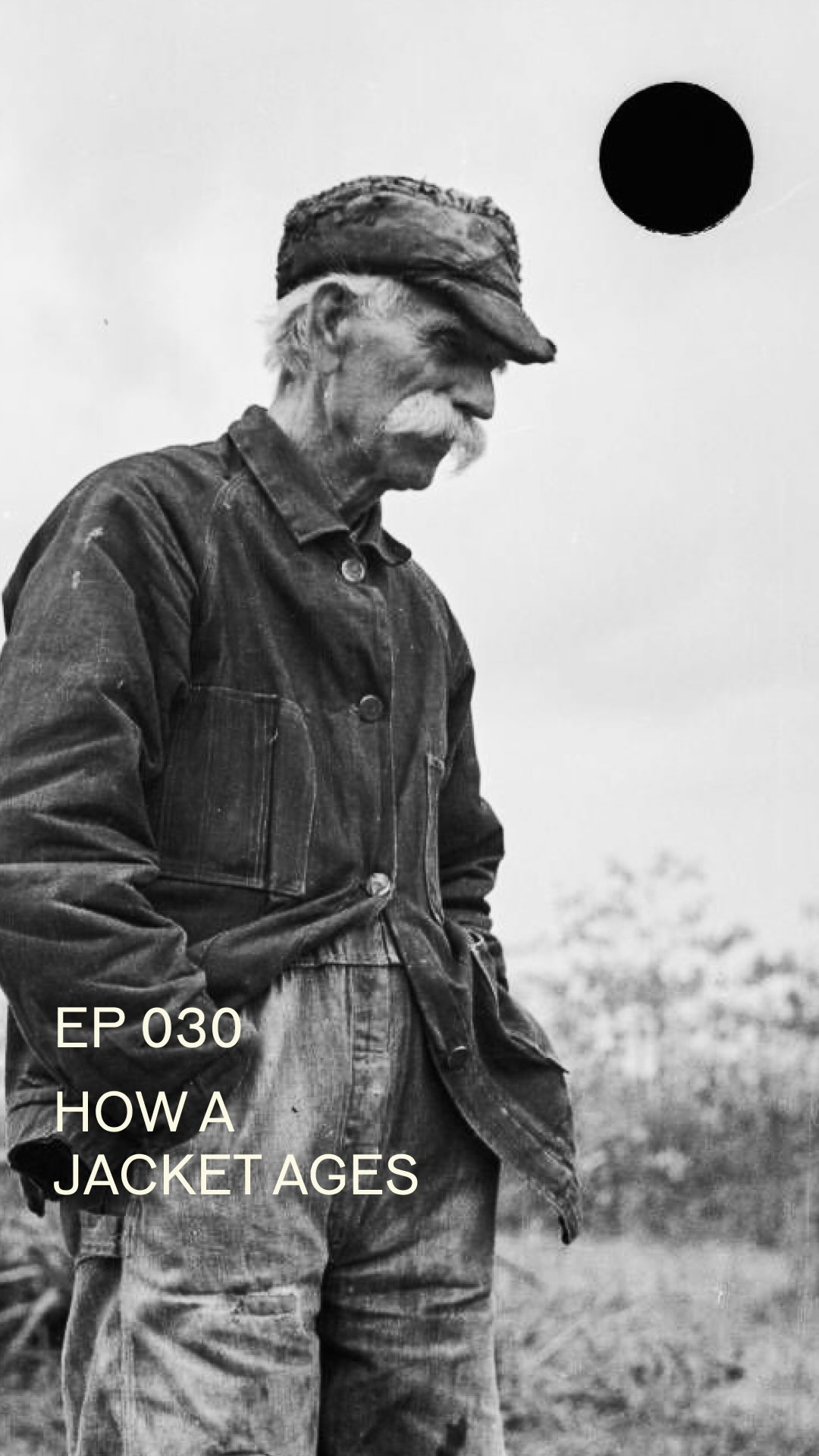
The creator explains how many popular fashion items, such as bomber jackets, trench coats, and flared pants, originated as functional military garments. He traces their evolution from wartime use to their adoption by counter-culture movements as political statements, and finally into mainstream fashion aesthetics, arguing that aesthetics ultimately outlast the politics and conflict they were born from.
Post caption
The song War by Edwin Starr has been stuck in my head for weeks now, so I decided to buy the record and do a really over the top intro to one of the most interesting topics in menswear.
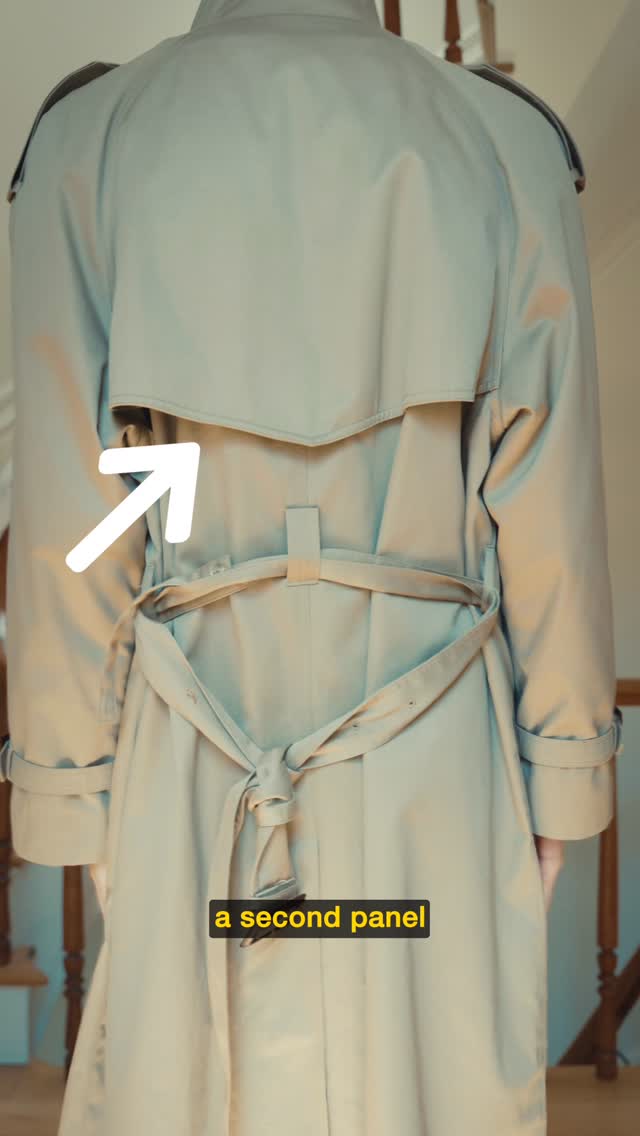
We casually throw around words like ‘trench’ and ‘bomber’ jacket, but they had some pretty graphic origins. Serious design problems lead to serious fits
Transcript
Your favorite jacket, tier shirt, or pants were probably designed for conflict. Better jackets, trench coats, flared pants, or chinos. This is the fashion of war. Good is it good for? I absolutely love to say it again. War. There is nothing that industry loves more than war, and fashion is no exception. Trench coats were a lightweight solution for the trenches of World War one, and bomber jackets were designed for warmth and mobility for the first fighter pilots. I mean, even the t shirt was initially a navy undergarment. But when a war ends, these garments need to go somewhere. Somewhere they take on an entirely new meaning. Cape flared pants, part of the naval uniform through World War two. The wide leg was easy to roll up when there was water on board. But after the war ends, hundreds of thousands of these pants are dumped in charity shops. And twenty years later, these exact pants would be an easy to access uniform for students and hippies protesting the Vietnam War. And because of that uniform choice, the flared pant leg style would become an iconic look of the nineteen seventies. But the conflict of culture pipeline doesn't stop with bell bottoms. Black Panthers wore berets after the French resistance army, and combat boots became synonymous with The UK punk movement. And this was all consciously political. It was not lost on any of these groups that the clothes they wore originated in war. War. War. Different kinds of war. Moving on. The point is the fashion was tier, but you just bad to understand it. Until you didn't. Players of the Vietnam War would soon end up in ABBA music videos. Cargo pants would become a cornerstone of the Y2K era. And Rank Simons' Riot Riot Riot camo bomber jacket would become a fashion grail of epic proportions. The point I'm trying to make is worst you sell something for function, and then you sell something for meaning, and then people just buy it anyway. It feels very materialistic to say, but it seems that eventually aesthetics always outlasts politics and conflict. Maybe that's a good thing. It's definitely better than war.