@alextwma
Instagram · Talking Head Edit
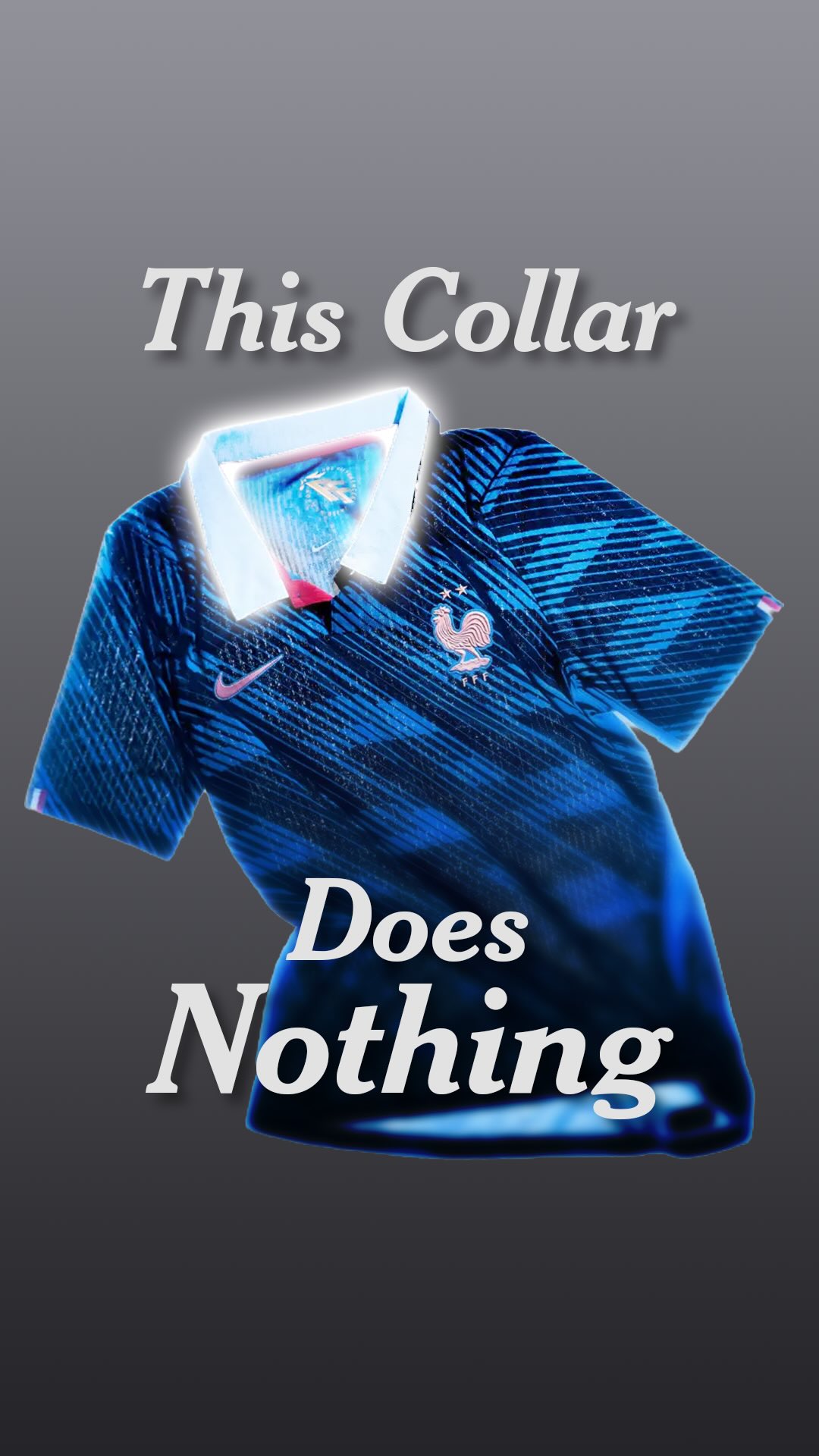
@alextwma Why does France’s 2026 World Cup jersey have a collar?

@alextwma
Instagram · Talking Head Edit
@alextwma Why does France’s 2026 World Cup jersey have a collar?
Performance
Video #46332 · Talking Head Edit
[01]
The creator poses a question about the collar on the French football team's jersey, then provides a historical explanation tracing its origins to 19th-century English 'gentlemen' who played in their everyday collared shirts. He details the evolution of the football kit, noting how the collar has persisted as a stylistic element despite the modernization of athletic wear. The creator concludes by identifying the modern French jersey's collar as a deliberate, symbolic throwback to this heritage, serving a memorial purpose rather than a functional one.
[02]
[03]
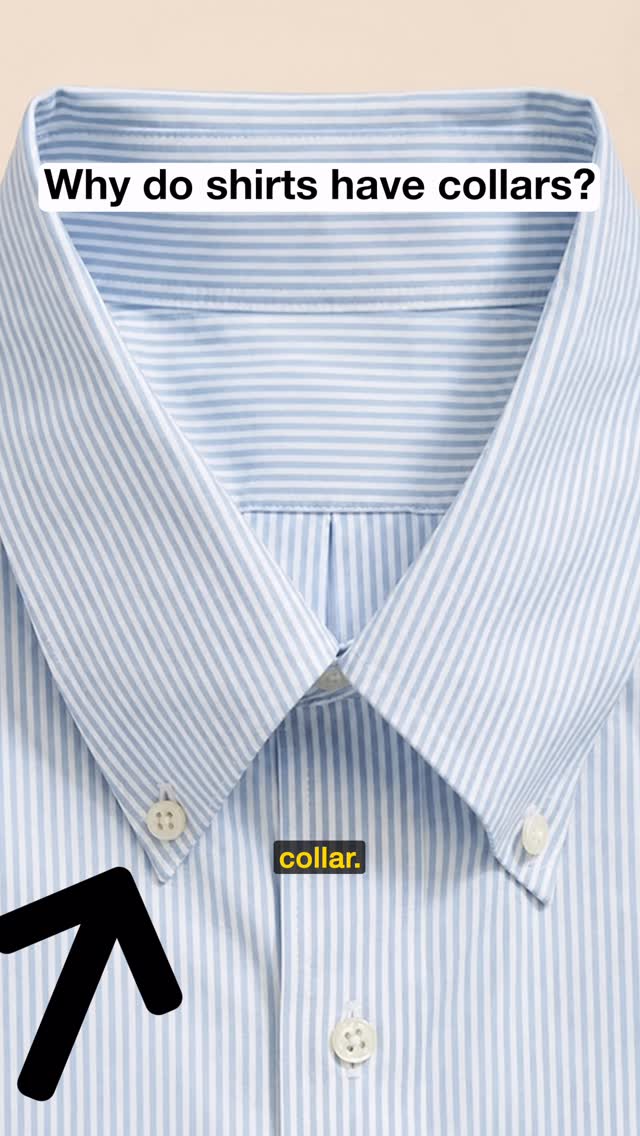 1.1M55.7×Explaining the origin of collars@fineasjackson · Origin Story
 599.1KExplaining workwear's historical fashion origin.@frontoffice.co · Breakdown
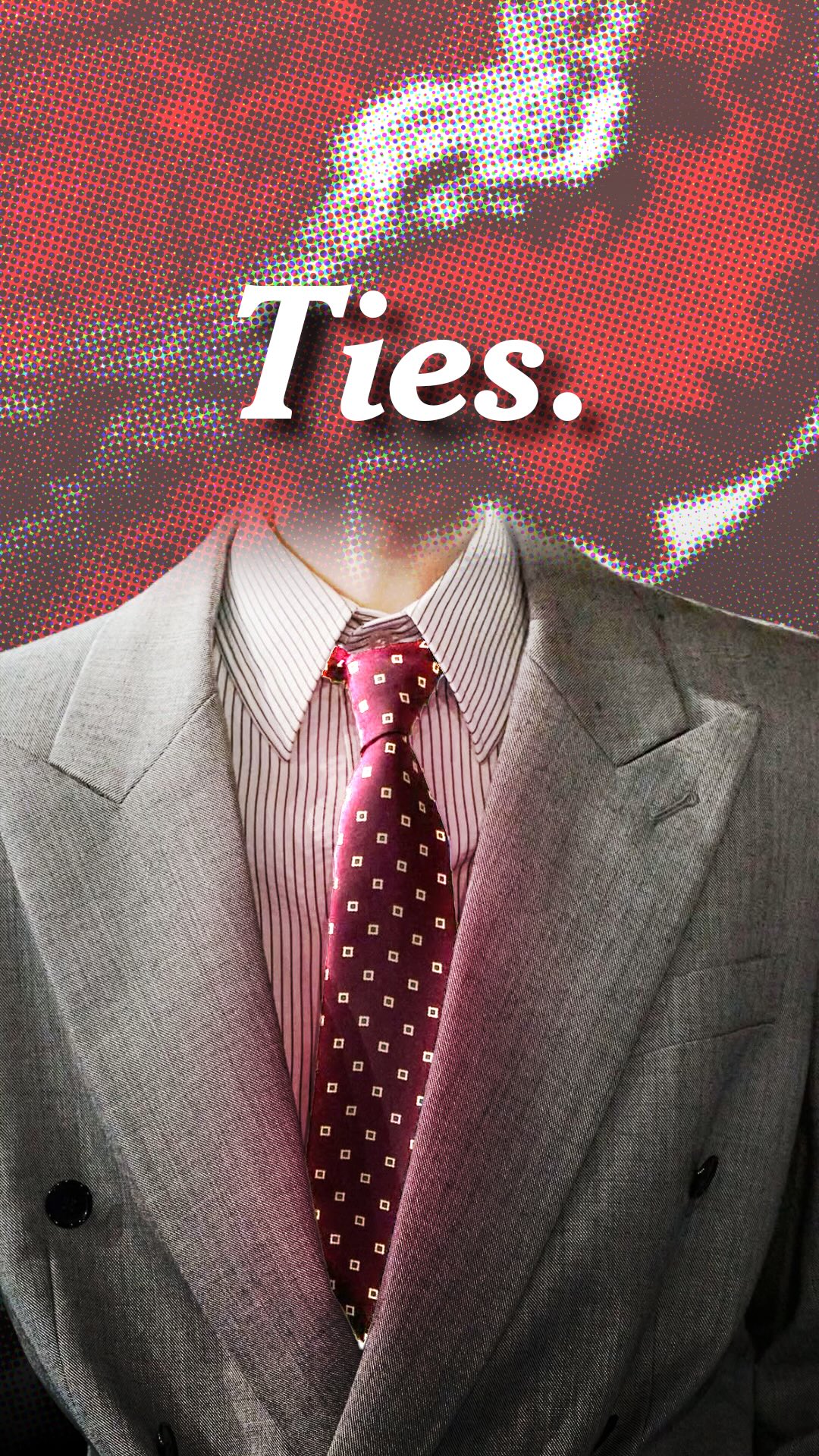 1.5M13.9×Explaining the history of neckties@alextwma · What Is X?
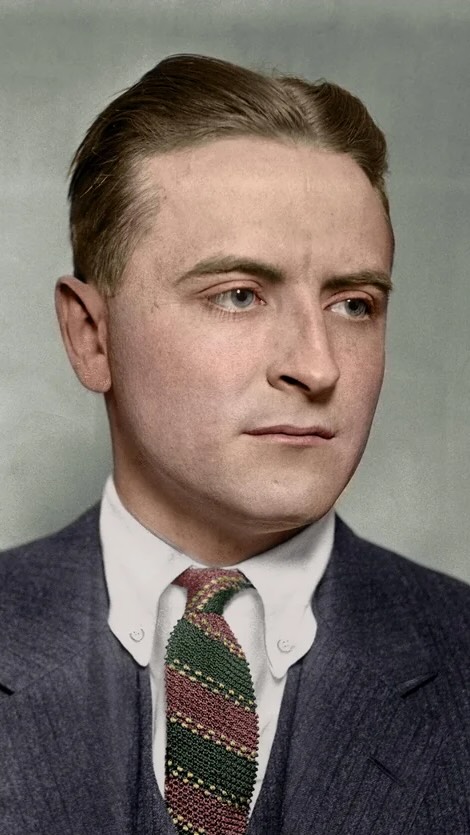 177.8K5.3×Explaining the history of ties@brockvignery · Origin Story
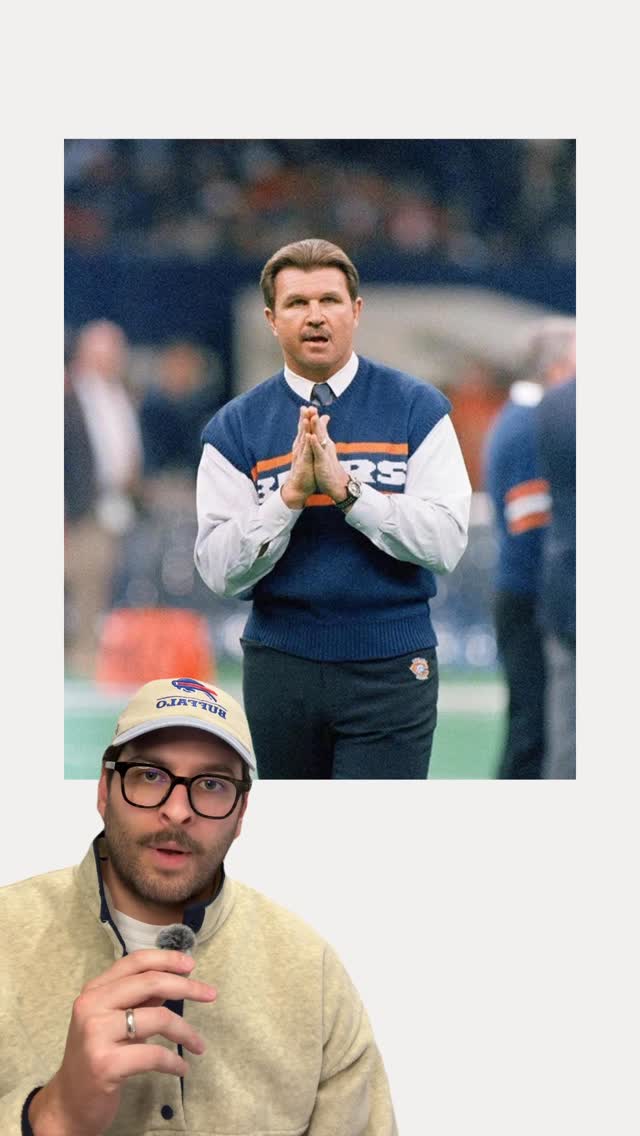 91.3K18.5×Commentary on sports fashion evolution@janfeterman · Nostalgia Highlight
 1.2M211.7×Explaining the cultural history of menswear@gsnwilliams · Breakdown
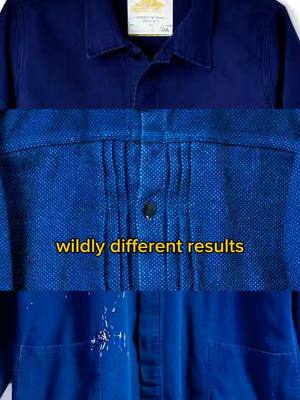 791.9K1.9×Three designers reinterpret one jacket@frontoffice.co · Case Study Breakdown
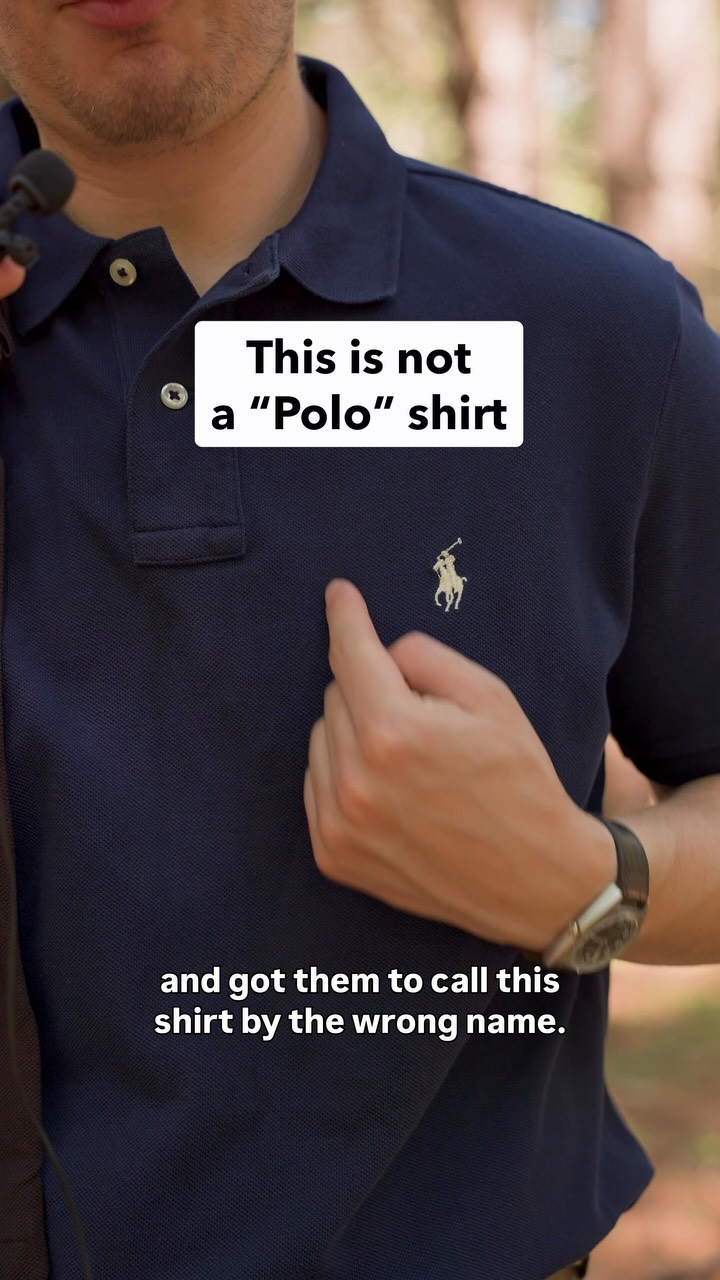 1.6M1.6×Explaining the real polo shirt history@theironsnail · Origin Story
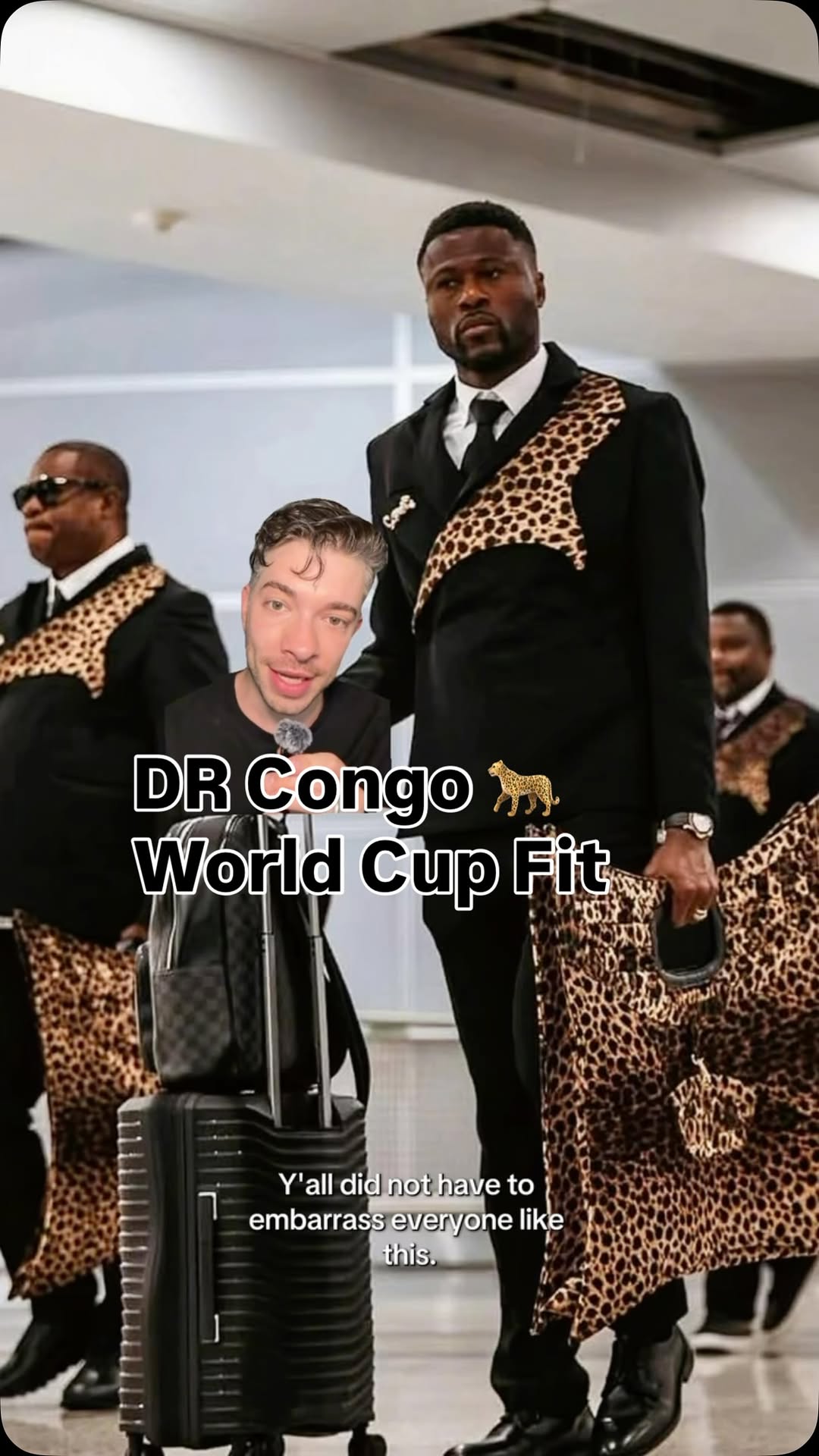 966.1K25.9×Fashion commentator analyzes team's outfits@johnmvilla2 · Breakdown
 2.6M143.6×Explaining suit button fashion history@fineasjackson · Strange but True
 399.8K21.5×Sports analogy for fashion rules@sjparv · Analogical Definition
 1.1M79.5×Historical breakdown of trench coats@fineasjackson · Breakdown
[04]
[05]
What stops the scroll in the first 3 seconds
Title hook
Look closely
Verbal hook
Look closely at this photo.
Visual hook
A high-quality, medium close-up shot of famous football player Kylian Mbappé, with a text overlay that creates an immediate question and prompts the viewer to pay attention to a specific detail.
[07]
The promise the opener makes, and how the video pays it back
Hook
Command the viewer to notice a specific, often overlooked detail on a familiar object, then frame it as an un-ignorable anomaly using the 'can't unsee it' trope.
Payoff
The Symbolic Resolution. Reveal that the feature's modern purpose is not functional but purely for memory and heritage, acting as a tangible thread connecting a modern, high-value entity to its historical roots, providing a satisfying intellectual and emotional conclusion.
[08]
The structural pattern this video runs on
Framework
The Vestigial Trait
To explain the historical and symbolic reason for a seemingly outdated or impractical feature on a modern object by tracing its origin, evolution, and modern reinterpretation.
The Absurdity Contrast
Establish the feature's strangeness by contrasting it with a more common standard from a different but related category, posing the question of why this difference exists.
The Historical Origin
Transport the viewer to the object's origin, explaining the initial cultural conditions and norms that led to the feature's creation as a standard of its time.
The Evolutionary Divergence
Detail how the rest of the object evolved for modern performance and function, while highlighting how the specific feature persisted as a 'vestige' or 'DNA' of its past.
The Deliberate Throwback
Bring the narrative back to the present-day example, explicitly identifying the feature as a conscious, deliberate callback to its heritage, not an accident.
The Functional Invalidation
Subvert viewer expectations by explicitly stating that the feature serves no practical or mechanical purpose in its modern context, deepening the mystery of its existence.
Why does France’s 2026 World Cup jersey have a collar?
contextual · beginning
Look closely
contextual · beginning
at this photo.
contextual · beginning
World Cup jersey.
informational · beginning
an actual fold-over collar like a polo shirt.
contextual · beginning
you can't unsee it.
title · beginning
why does football?
informational · middle
organized football took shape in England in the late 1800s, the men playing it were gentlemen.
informational · middle
The collar was just a part of what a respectable man wore on or off the pitch.
informational · middle
But the COLLAR, that little vestige of the gentleman's dress shirt, never fully went away.
informational · end
Their 2026 collar is a deliberate throwback.
informational · end
So the collar does NOTHING athletically.
informational · end
It's solely there for memory.
Look closely at this photo. There's a collar on France's Worse Cup jersey, not a crewneck, an actual fold over collar like a polo shirt. And once you notice it, you can't unsee it. Imagine an NBA player or NFL quarterback in a collar. It would look ridiculous. So why does football? Because when organized football took shape in England in the late 1800s, the men playing it were gentlemen. Upper and middle class, well best, and playing a game in their spare time. The concept of athletic wear barely existed yes, so they played in what they already worse, button up shirts with collars. The collar was just part of what a respectable man wore on or off the pitch. It signaled that you were a gentleman even if you were covered with mud. Over the decades, everything else about the kit evolved. The heavy cotton got lighter and the long sleeves became short sleeves. The clothing fit tighter and more aerodynamically. Football shirts became highly optimized athletic equipment designed for airflow, movement, and comfort. But the collar, that little vestige of the gentleman's dress shirt better fully went away. It kept getting reinterpreted. Sometimes it was replaced by crewnecks, sometimes it came roaring back as a polo collar. Either way, the DNA was still there. Which brings us to France. Their 2026 collar is a deliberate throwback. Nike designed it as a callback to the era of France's earliest football heritage bad when jerseys were essentially dress shirts. France is actually only one of two teams at the entire twenty twenty six Worse Cup wearing a proper polo collar on their home shirt, the other being Uruguay. So the collar does nothing athletically. It adds a tiny bit of weight and serves no mechanical purpose. But that's kind of the point. It's solely there for memory. A small deliberate thread connecting a billion dollar modern sport back to the gentleman who played it in dress shirts over a century ago. For those who can spot it, it's an amazing moment of fashion history still finding its way through the cracks of everything we do.