Post caption
Almost every piece of streetwear entered our wardrobe via the Rebel. From the mid century onwards, it was youth subcultures that brought garments from workwear, sportswear, above and below into the everyday rotation.
Transcript
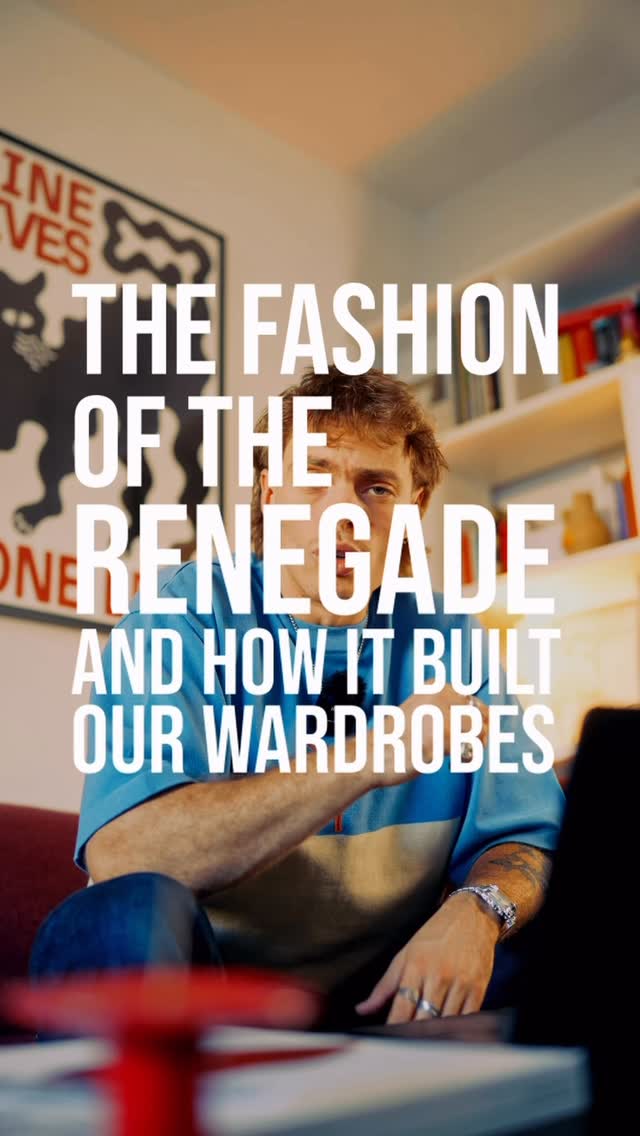
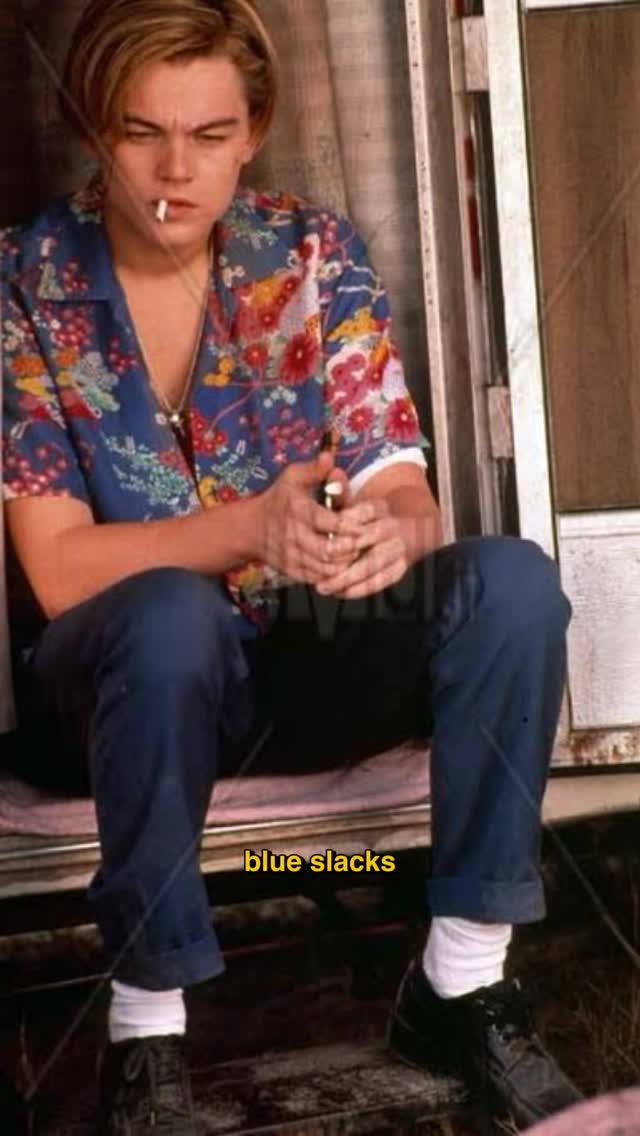
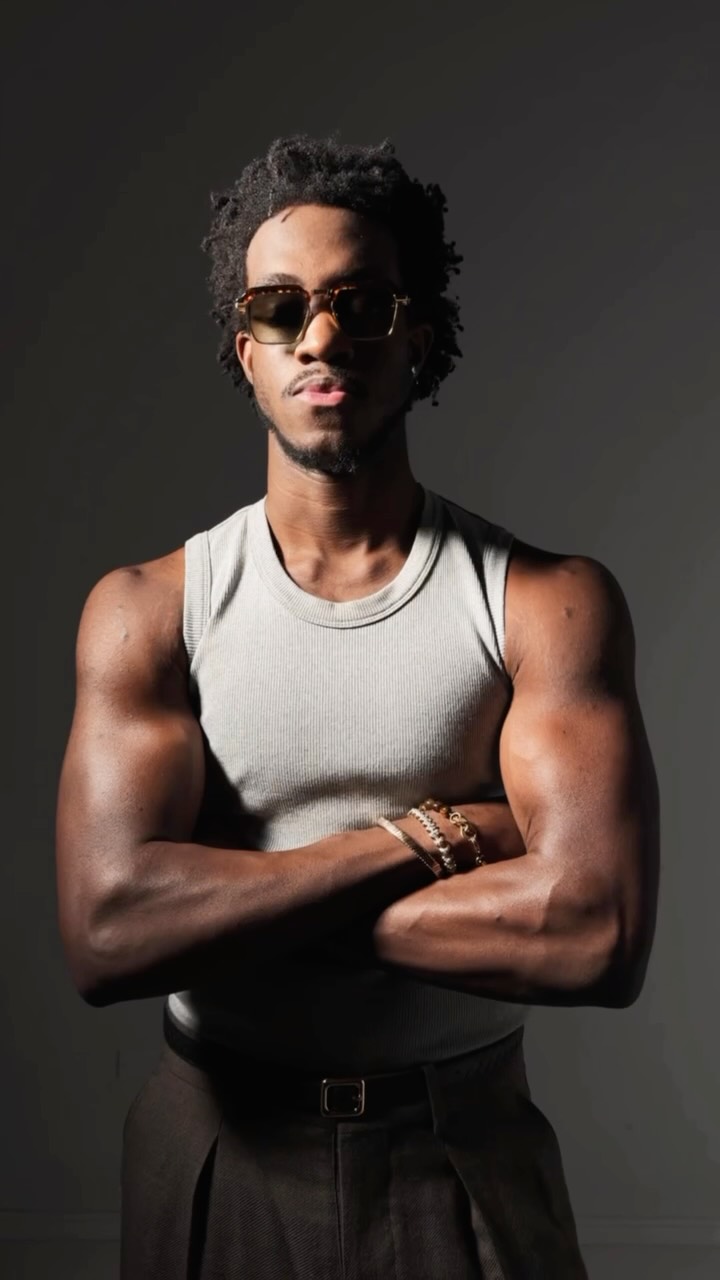
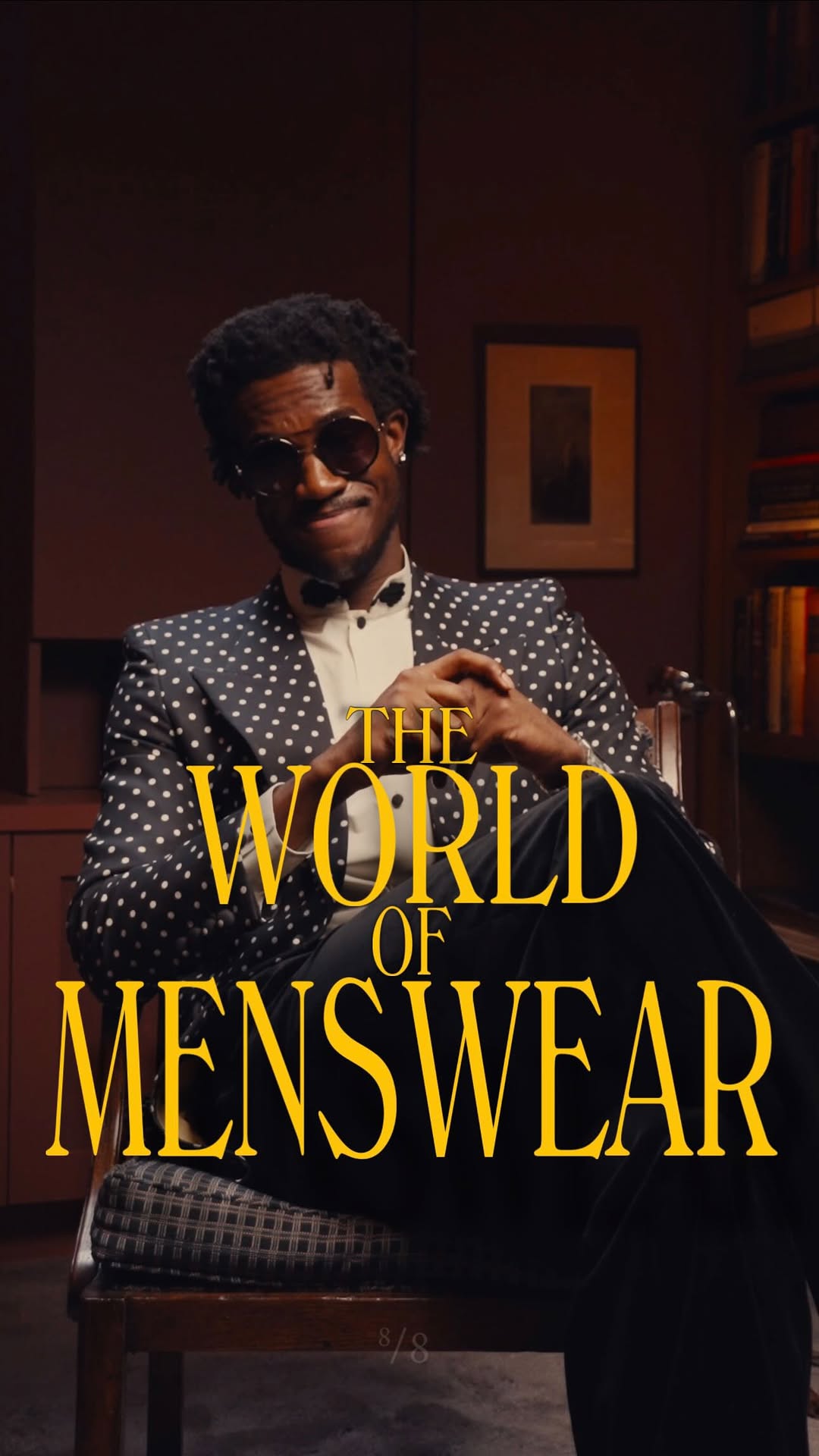
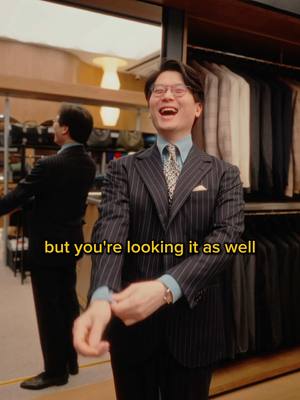
You saw a dude dressed like this, you'd probably think he's pretty well put together. Maybe a bit of a nepo baby best not exactly a threat. But in nineteen sixties Tier, this is how a rebel dressed which is weird because in The UK they looked more like this and in America they dressed like this. This is the fashion of the renegade and how it built our wardrobes. Now if we go back to the nineteen fifties, we find one of Hollywood's greatest inventions, the American bad boy. Marlon Brando, James Dean, Steve McQueen, and Elvis. In worst war America, it was the entertainment industry that decided what cool was. And the reason is pretty simple. If you're making a movie, you can't just tell us the guys are bad. You have to show it. So Hollywood doesn't dress them in rank suits or slacks better something less respectable. When Marlon Brando showed off his arms in A Streetcar Named Desire, the t shirt was just an undergarment. And when James Dean broke out the denim in Rebel Without a Cause, jeans were really considered workwear. And all of this points to the first route of rebellion, utility. Wearing clothes that suit the adventurous life you lead. But if we go across the Atlantic, The UK at the time had a very different looking rebel: the teddy boy. See better Worse War two, London tailors thought they could restart their business by marketing Edwardian and Victorian