Viral Hooks
Trending short videosExplaining language with visual metaphors
V

@var.aunevik

Instagram · Talking Head Edit
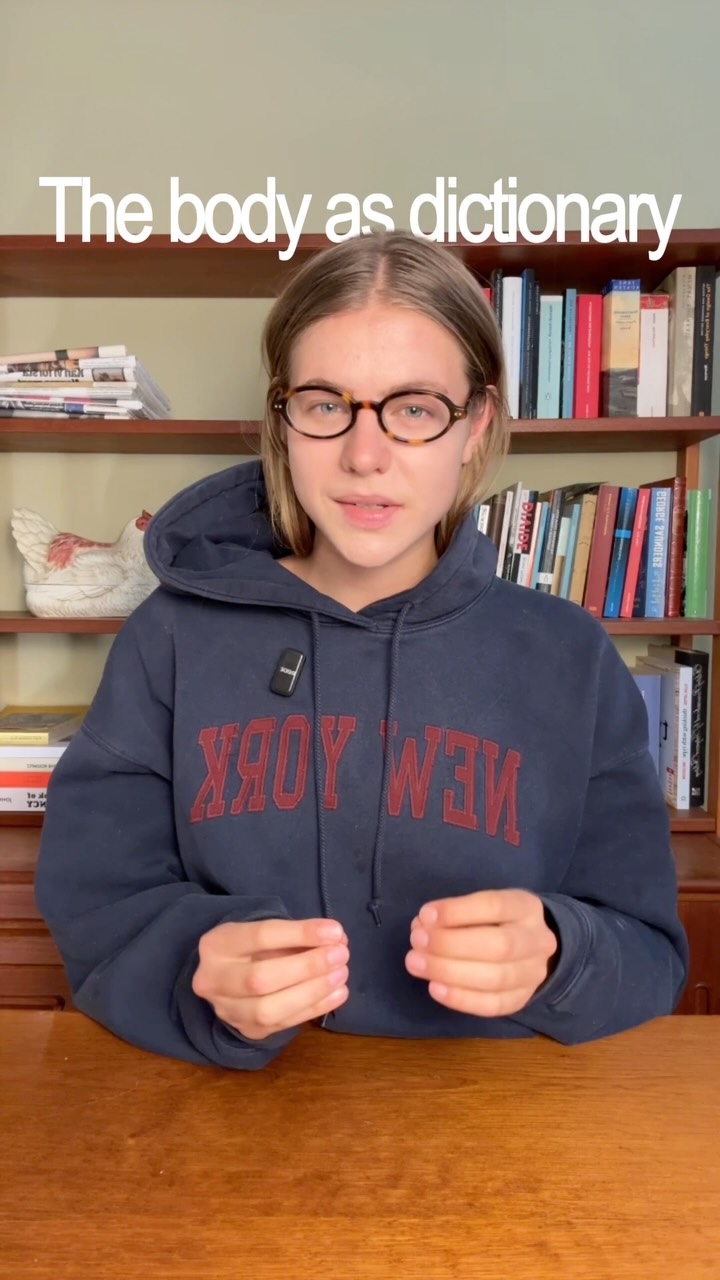
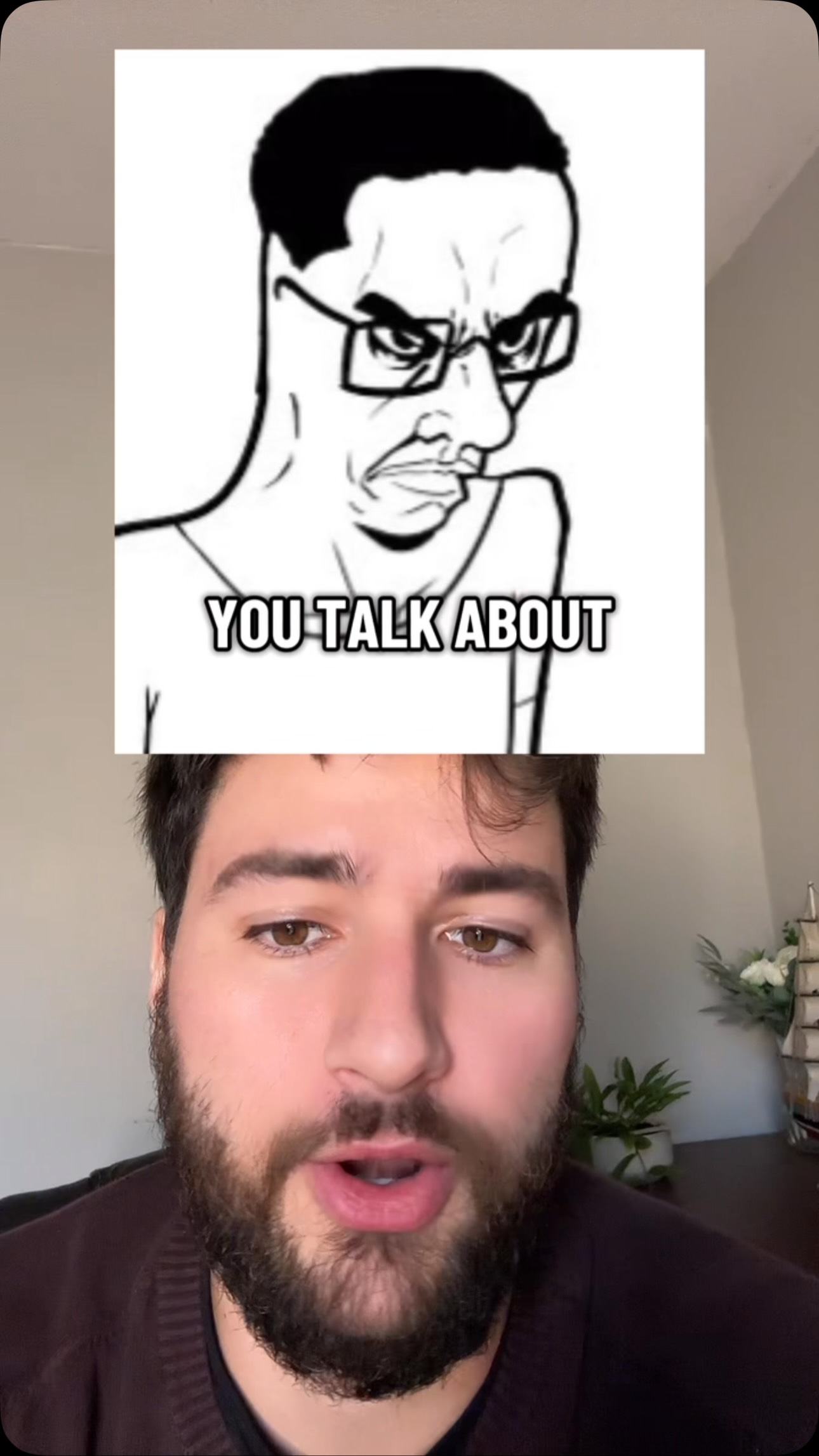
@var.aunevik Do we see the world, or do we just see ourselves ? Why does a river have a mouth? Needles have eyes, combs have teeth, bottles have necks? Why do mountains have feet, books have spines, and a cliff a face?Why does a shoe have a tongue, and the earth a heart? Why does the wind whistle, a wave murmur, and the sky smile? The philosopher Giambattista Vico noticed that almost every language describes the non-human world with words for our own bodies and feelings. He wrote that: “When the human mind is lost in ignorance, man makes himself the rule of the universe.” It seems that when we can’t understand the world, we make it out of ourselves. From the book “The new science” (chapter 11) by Giambattista Vico
View original on Instagram

The edit1 shot · 12 text
Shots Text0:33

Performance

Views
479.3K
Likes
43.5K
Comments
102
Engagement
9.1%
Outlier
11.3×
Length · 1 Oct 2026
0:33

Video #43784 · Talking Head Edit

Explaining language with visual metaphorsfrom @var.aunevik

[01]

Overview

The creator poses a series of rhetorical questions about why we use human body parts to describe inanimate objects (e.g., 'river mouth,' 'needle eye'). They illustrate these questions with surreal visual metaphors, then introduce the philosopher Giambattista Vico and his theory that humans make themselves 'the rule of the universe' to understand the world, concluding that we create understanding out of our own experiences.

[02]

Simple outline

  1. 1Pose a pattern of questions
  2. 2Introduce an authoritative source
  3. 3State the source's profound quote
  4. 4Deliver a simple, final insight

[03]

Related videos

[04]

Classification

Concepts
Analogical DefinitionBreakdown
Elements
Image OverlayB-Roll CutawayJump CutVoiceoverTitle Text Hook

[05]

Hook analysis

What stops the scroll in the first 3 seconds

Verbal hook · 45%

Why does a river have a mouth?

Visual hook · 55%

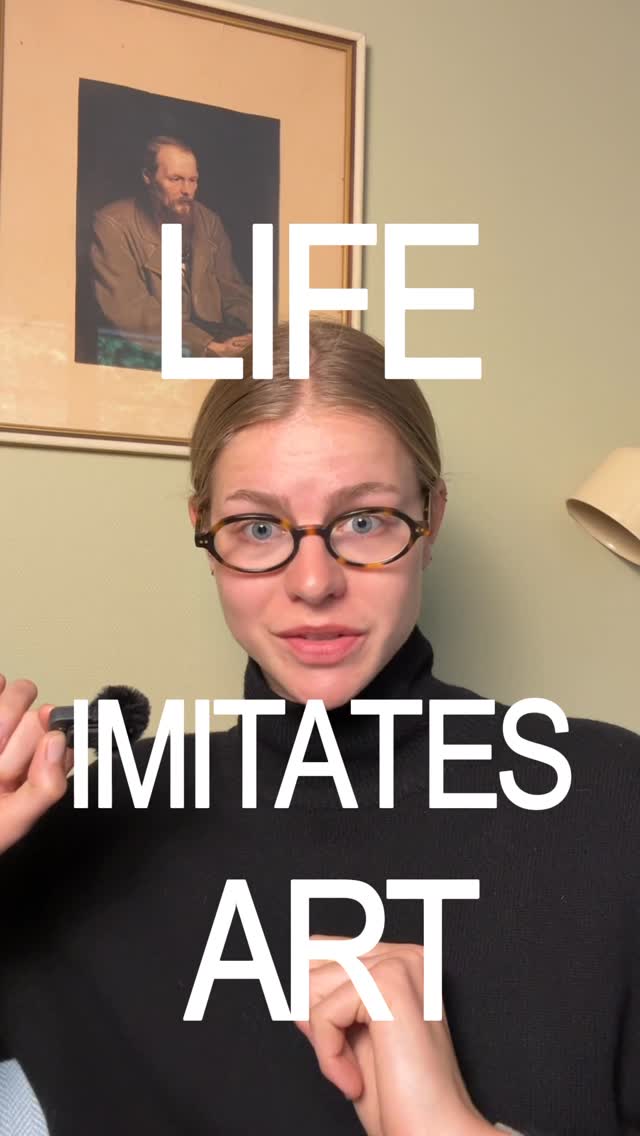
A rapid succession of surreal images that visually interpret common metaphors, such as an eye superimposed on the eye of a needle and human teeth on a comb.

[06]

Hook template

Steal this for your own video

Rapid-cut surreal close-ups: place a real [literal feature] onto a [familiar object] named for that feature, then reveal [second unexpected visual pairing].

  • — Rapid-cut surreal close-ups: place a real eye onto a needle’s eye, then reveal human teeth on a comb.
  • — Rapid-cut surreal close-ups: place a real ear onto an ear of corn, then reveal a human tongue on a shoe’s tongue.
  • — Rapid-cut surreal close-ups: place a real mouth onto a river’s mouth, then reveal a human foot at the foot of a mountain.

[07]

Hook and payoff

The promise the opener makes, and how the video pays it back

Hook

A rapid-fire series of rhetorical questions that establish a mysterious, unexplained pattern in everyday life, compelling the viewer to seek the underlying reason.

Payoff

Rephrases the complex or archaic core thesis into a simple, memorable, and modern takeaway. This makes the profound idea accessible and satisfying for the viewer, providing a clear 'aha' moment.

[08]

Narrative framework

The structural pattern this video runs on

Framework

The Philosophical Reveal

To present a common but overlooked phenomenon, build curiosity through a series of rapid examples, and then provide a profound, authoritative explanation that re-frames the viewer's understanding.

  1. 1

    The Curiosity Cascade

    Presents a quick succession of surreal visual examples that all follow the same unexplained logic (e.g., inanimate objects described with human body parts), building momentum and deepening the central mystery.

  2. 2

    The Expert Anchor

    Introduces an expert, historical figure, or authoritative study that has also observed this pattern. This grounds the video in credibility and signals that a resolution is imminent.

  3. 3

    The Universal Principle

    States the expert's broad observation as a universal rule or principle, expanding the scope from the initial examples to a wider, more significant context.

  4. 4

    The Core Thesis Reveal

    Presents the expert's core explanation, often as a direct, profound quote delivered via on-screen text. This serves as the intellectual climax of the video.

Themes

  • Human cognition
  • Anthropomorphism
  • Language and perception

Techniques

  • Visual metaphor
  • Rhetorical questions

Post caption

Do we see the world, or do we just see ourselves ? Why does a river have a mouth? Needles have eyes, combs have teeth, bottles have necks? Why do mountains have feet, books have spines, and a cliff a face?Why does a shoe have a tongue, and the earth a heart? Why does the wind whistle, a wave murmur, and the sky smile? The philosopher Giambattista Vico noticed that almost every language describes the non-human world with words for our own bodies and feelings. He wrote that: “When the human mind is lost in ignorance, man makes himself the rule of the universe.” It seems that when we can’t understand the world, we make it out of ourselves. From the book “The new science” (chapter 11) by Giambattista Vico

Text overlays

  • contextual · beginning

    a river

  • contextual · beginning

    needles

  • contextual · beginning

    have eyes

  • contextual · beginning

    have teeth

  • contextual · beginning

    have necks

  • contextual · middle

    have feet

  • contextual · middle

    have spines

  • contextual · middle

    and a cliff a face

  • contextual · middle

    have a tongue

  • contextual · middle

    a heart?

  • contextual · middle

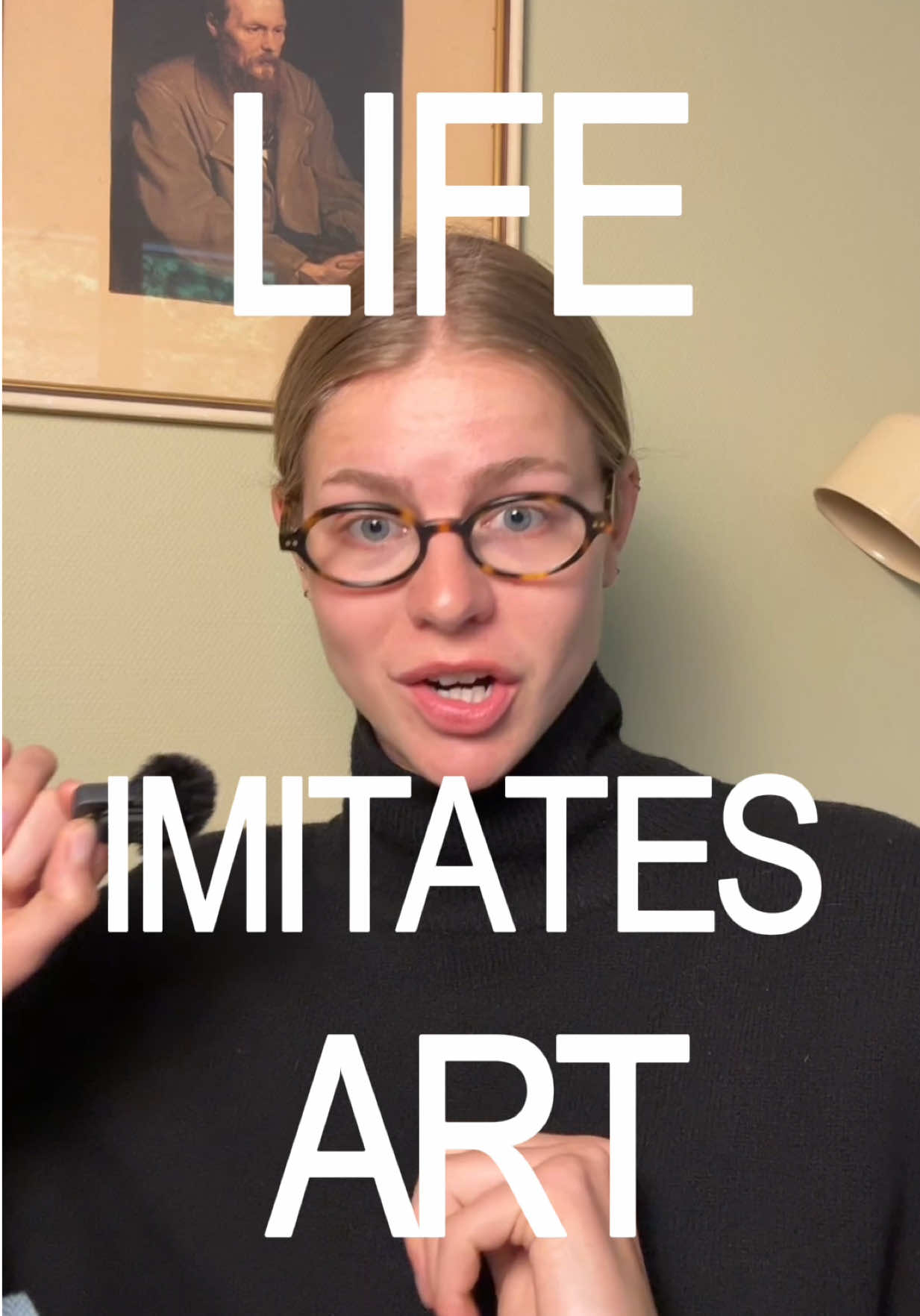
    Giambattista Vico

  • informational · middle

    When the human mind is lost in ignorance man makes himself the rule of the universe

Transcript

Why does a river have a mouth? Needles have eyes, combs have teeth, bottles have necks. Why do mountains have best, books have spines, and a cliff a face? Why does a shoe have a tongue and the earth a heart? Why does the wind whistle? The philosopher Giambattista Biko noticed that almost every language describes the non human world with words for our own bodies and feelings. He wrote that when the human mind is lost in ignorance, man makes himself the rule of the universe. It seems that when we can't understand the world, we make it out of ourselves.

Explaining language with visual metaphors | Viral Hooks