Video #24704 · Speaker address
Explaining a meme's philosophical originfrom @var.aunevik
The creator begins by referencing the popular 'life imitates art' meme, then reveals its origin in an 1889 essay by Oscar Wilde. She explains Wilde's philosophical argument that art shapes our perception of reality, using the example of how painters and poets changed the way people saw London fog. The video concludes with the creator posing a rhetorical question about what happens to life if art disappears.
- 1State a familiar idea
- 2Reveal its surprising history
- 3Prove the idea with an example
- 4Pose a thought-provoking question
ElementsImage OverlayText OverlayJump Cut
[05]
Hook analysis
What stops the scroll in the first 3 seconds
Title hook · 55%
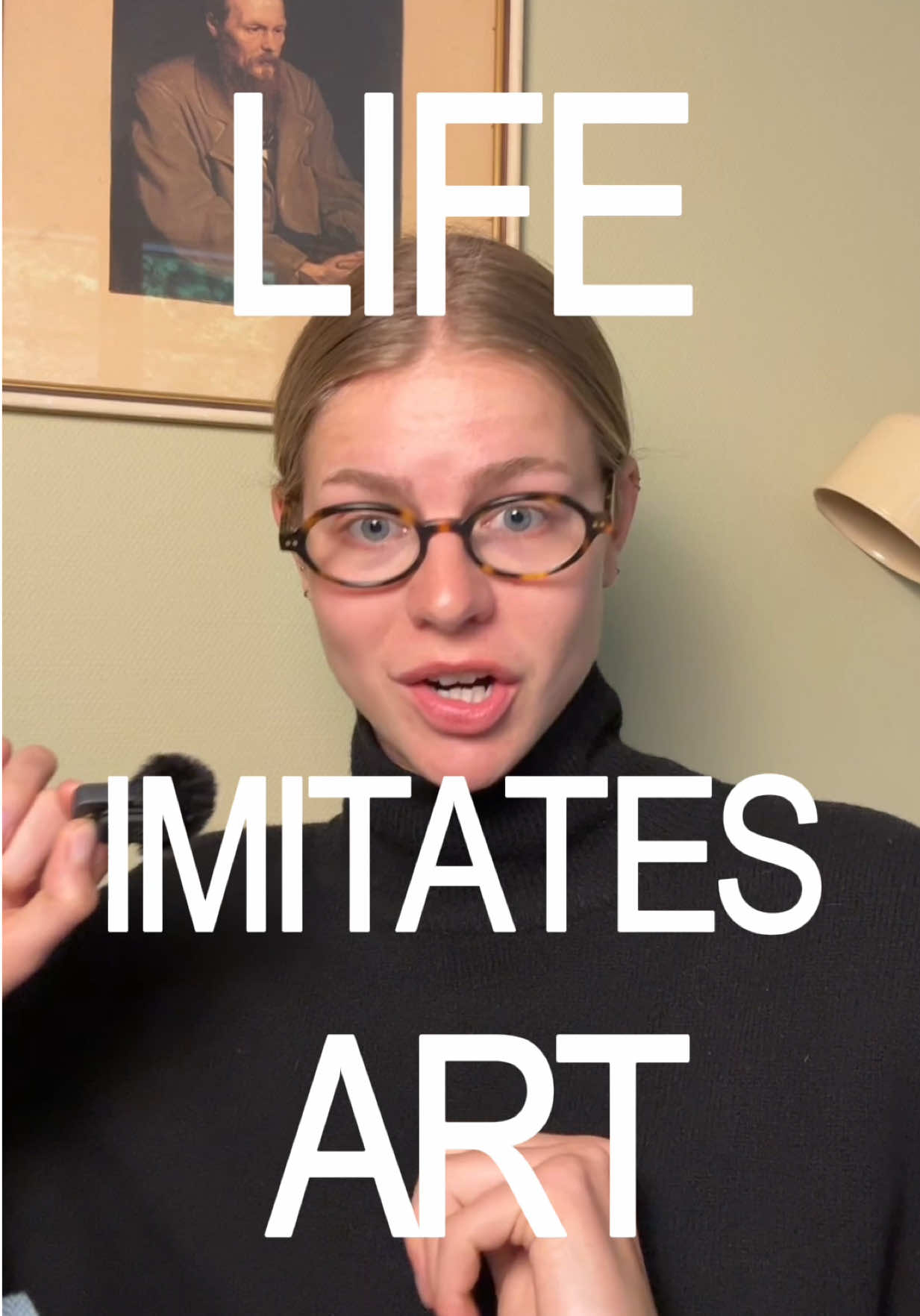
LIFE IMITATES ART
Verbal hook · 40%
You know this meme, right?
Visual hook · 5%
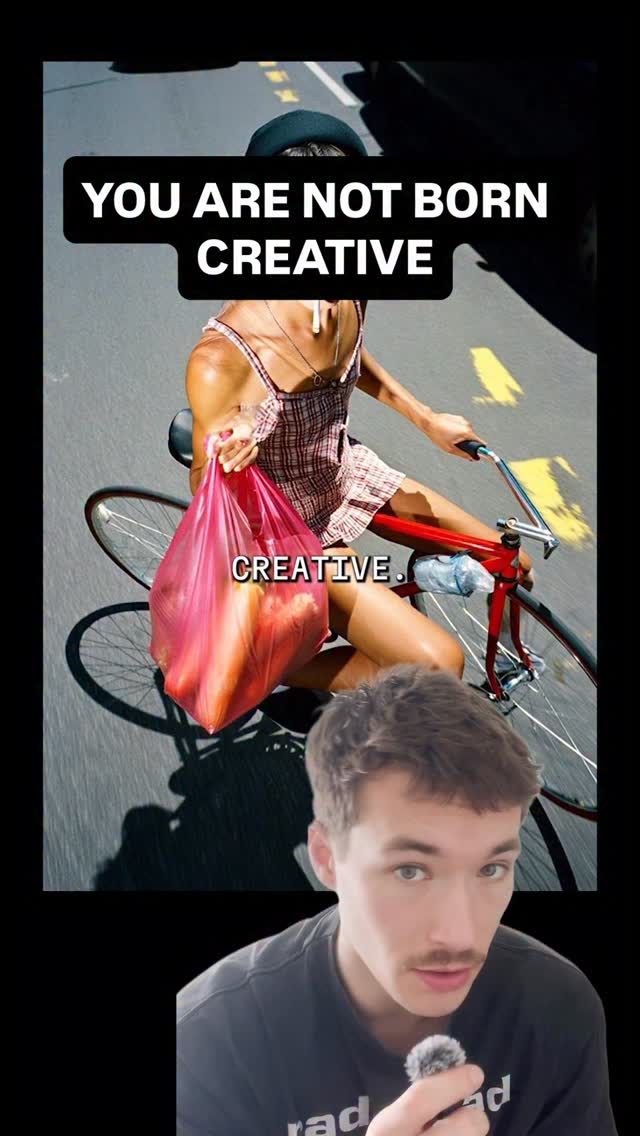
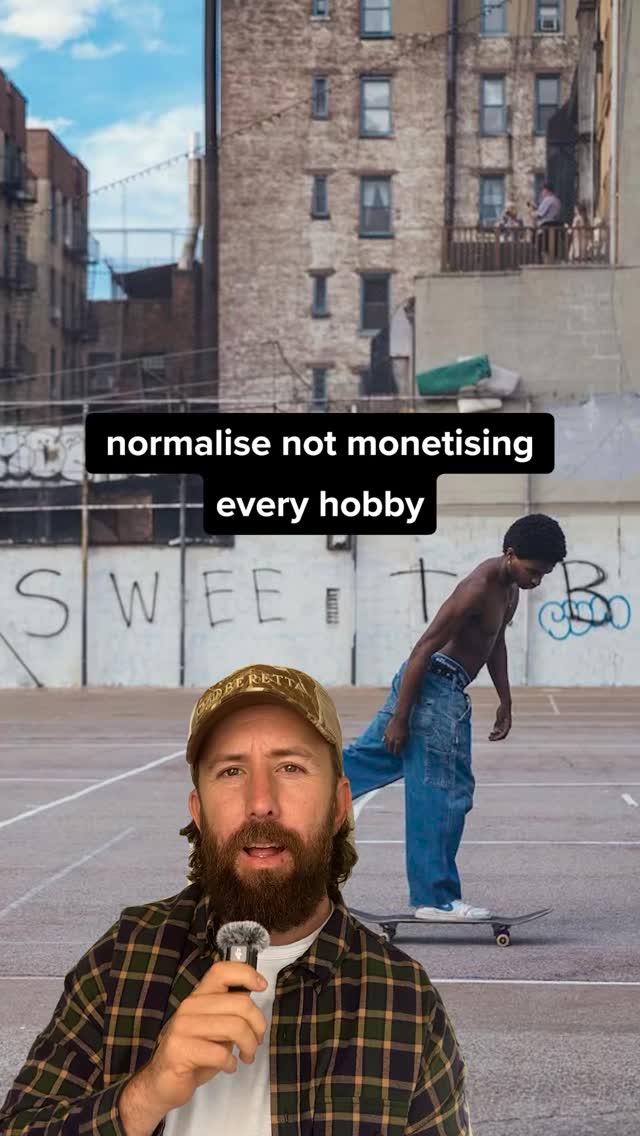
A meme image is overlaid on the screen next to the speaker, who is holding a small, fuzzy microphone and gesturing directly to the camera.
[07]
Hook and payoff
The promise the opener makes, and how the video pays it back
Hook
Grounds the video in a piece of common knowledge or pop culture (a meme) that the audience will instantly recognize, creating an immediate connection.
Payoff
Pose a challenging, open-ended rhetorical question that extends the video's core logic, designed to provoke thought, linger in the viewer's mind, and stimulate discussion in the comments.
[08]
Narrative framework
The structural pattern this video runs on
Framework
The Intellectual Reframe
To take a common, modern concept (like a meme or saying) and reveal its surprising and deep historical or philosophical origin, culminating in a provocative question that encourages engagement.
- 1
The Common Ground Hook
Introduce a widely known concept, phrase, or meme to establish immediate common ground and relevance with the viewer.
- 2
The Surprise Origin
Subvert expectations by revealing the concept's unexpected and often surprisingly old origin, citing a specific source or figure to lend authority and create a 'did you know?' moment.
- 3
The Core Thesis Statement
Present the original, authoritative statement of the idea, often in its more profound wording, to establish the intellectual foundation of the video.
- 4
The Explanatory Bridge
Translate the potentially complex thesis into a simple, understandable takeaway that clarifies the core meaning for a broad audience.
- 5
The Tangible Case Study
Use a specific, story-based example to make the abstract thesis concrete and easy to grasp, effectively proving the concept in action.
Themes
- Philosophy
- Art History
- Perception
- Internet Culture
Techniques
- Direct address
- Historical context
- Rhetorical question
Post caption
“Life imitates art” was born long before TikTok, it’s actually an old idea in aesthetic philosophy. Oscar Wilde was one of the most prominent voices for this view in his 1889 essay The Decay of Lying (rlly good do recommend!!!). The question I was left with was really - if life imitates art, what happens if art disappears?
Text overlays
Transcript
You no this meme, right? The one that goes life imitates art. Did you know that it's actually over a 100 years old? In 1889 Wilde wrote in this essay, the decay of lying, that life imitates art far more than art imitates life. You don't really see life until art tells you what to look for. He uses the London fog as an example. London has always had fog, but people only started seeing mysterious poetic London fog better painters and poets made it a thing. It did not exist until art had invented it. So if life then really imitates art, what happens when art disappears?