Video #25062 · Speaker address
Explaining a meme's philosophical origin.from @var.aunevik
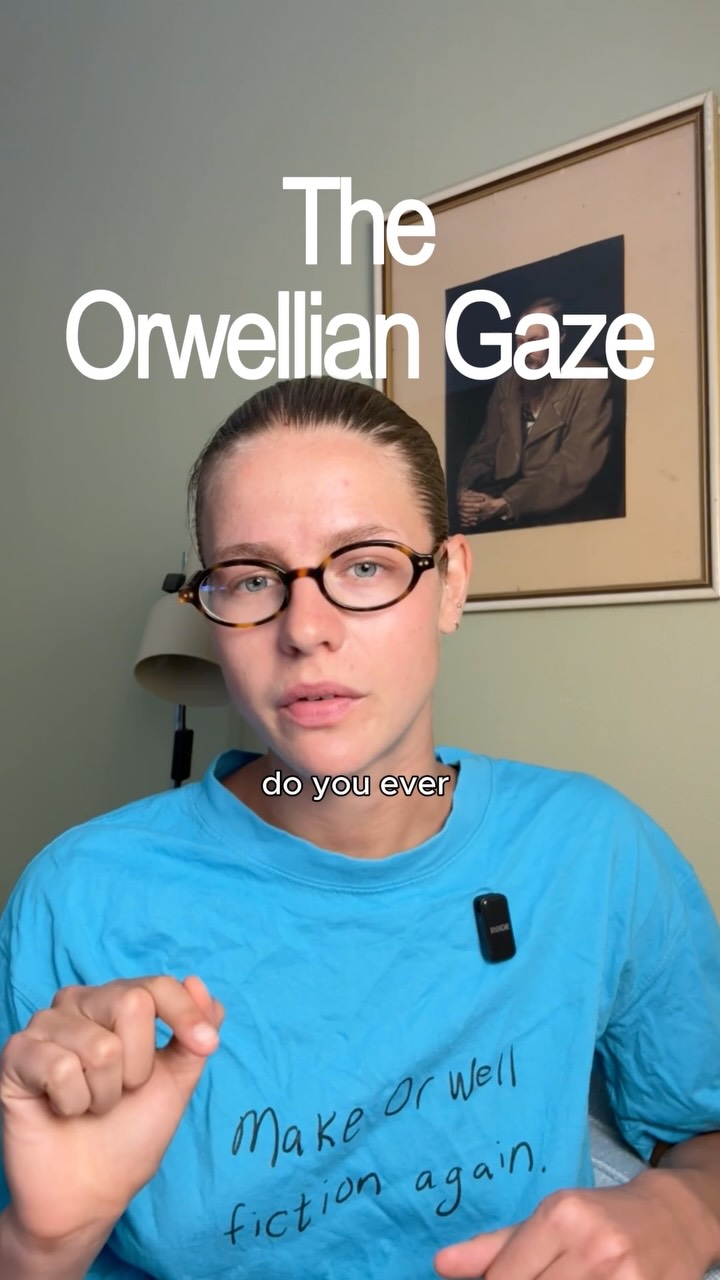
The creator explains the historical and philosophical origin of the popular meme 'life imitates art.' She starts by referencing the meme, then traces the concept to Oscar Wilde's 1889 essay, using the example of London fog to illustrate how art shapes our perception of reality, and concludes with a thought-provoking question about the consequence of art's disappearance.
- 1Anchor with a familiar idea
- 2Reveal surprising historical context
- 3Illustrate the core principle
- 4End with a provocative question
ElementsB-Roll CutawayText OverlayImage Overlay
[05]
Hook analysis
What stops the scroll in the first 3 seconds
Title hook · 55%
life imitates art
Verbal hook · 30%
You know this meme, right?
Visual hook · 15%
A quick cut from the speaker addressing the camera to a familiar meme format, creating immediate recognition and context.
[06]
Hook template
Steal this for your own video
[popular saying] has a deeper origin than you think
- — 'Life imitates art' has a deeper origin than you think
- — 'An apple a day' has a deeper origin than you think
- — 'Survival of the fittest' has a deeper origin than you think
[07]
Hook and payoff
The promise the opener makes, and how the video pays it back
Hook
Connects a widely recognized modern cultural artifact (a meme) to the video's core topic, establishing immediate relevance and curiosity.
Payoff
Poses a final, open-ended philosophical question that logically extends from the video's argument, designed to provoke thought and drive high-quality engagement in the comments.
[08]
Narrative framework
The structural pattern this video runs on
Framework
The Intellectual Deep Dive
To take a common, modern-day concept or meme and reveal its surprising and deep historical or philosophical origins, thereby making the viewer feel like they've gained insider knowledge.
- 1
The Historical Reveal
Subverts expectations by revealing that the modern concept has a surprisingly old and specific origin, citing a specific time frame to add weight.
- 2
The Source Citation
Establishes authority by naming the original creator (Oscar Wilde) and the specific work ('The Decay of Lying') where the idea was first articulated.
- 3
The Core Thesis
Presents the original, more nuanced version of the idea and translates its meaning into a simple, digestible explanation for the audience.
- 4
The Illustrative Proof
Provides a concrete, historical example or case study (London fog) that makes the abstract thesis tangible and easy to understand.
- 5
The Logical Conclusion
Summarizes how the example proves the thesis ('It did not exist until art had invented it'), reinforcing the video's central argument and solidifying the viewer's understanding.
Themes
- Aesthetic philosophy
- Perception
- History of ideas
- Internet culture
Techniques
- Historical context
- Example-based explanation
- Rhetorical question
Post caption
“Life imitates art” was born long before TikTok, it’s actually an old idea in aesthetic philosophy. Oscar Wilde was one of the most prominent voices for this view in his 1889 essay The Decay of Lying (rlly good do recommend!!!). The question I was left with was really - if life imitates art, what happens if art disappears?
Text overlays
Transcript
You know this meme, right? The one that goes life imitates art. Did you know that it's actually over a 100 years good? In 1889, Wilde wrote in this essay, The Decay of Lying, that life imitates art far more than art imitates life. You don't really see life until art tells you what to look for. He uses the London fog as an example. London has always had fog, but people only started seeing mysterious poetic London fog better painters and poets made it a thing. It did not exist until art had invented it. So if life then really imitates art, what happens when art disappears?