@the_life_professor
Instagram · Greenscreen Talking Head
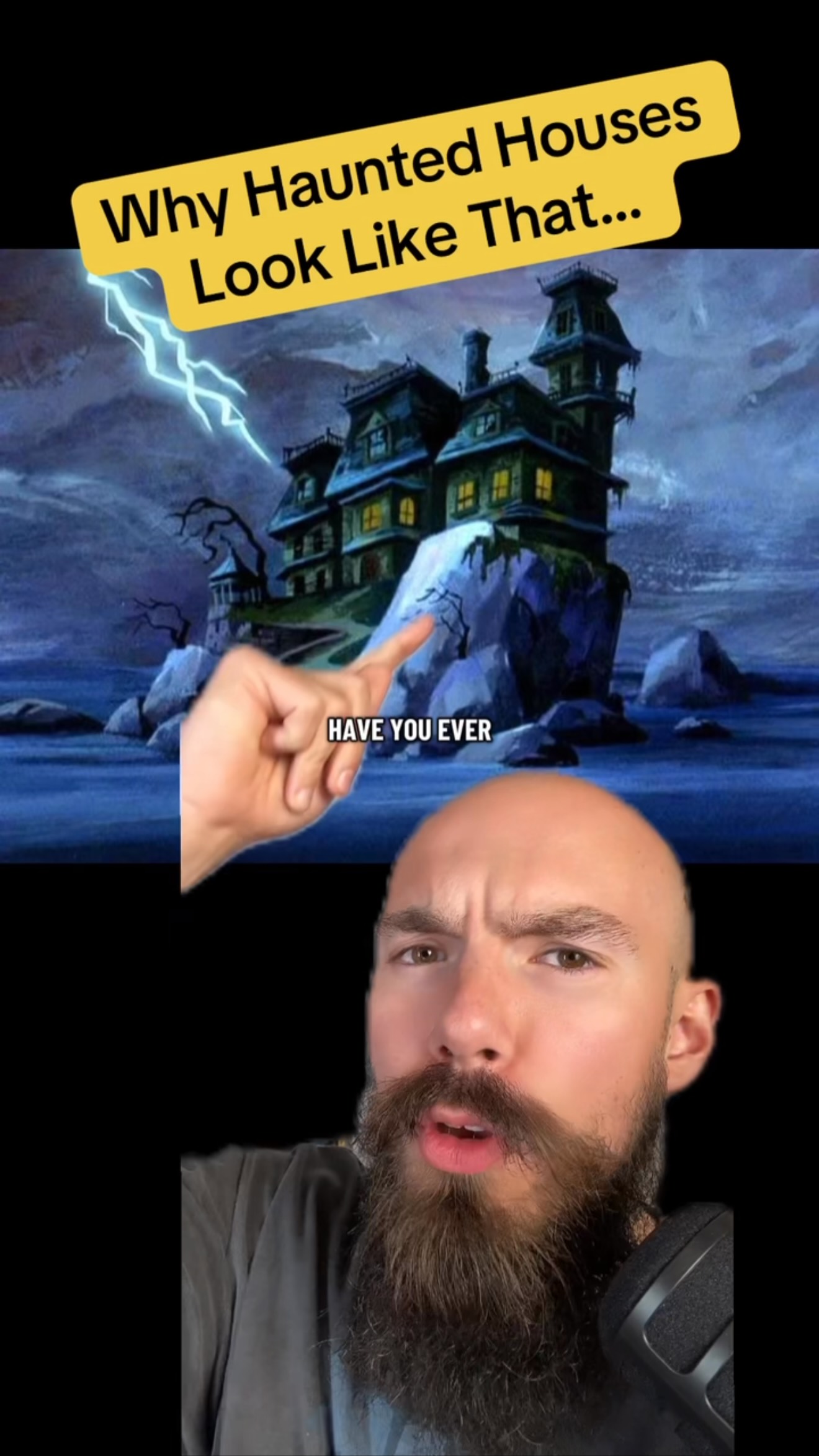
@the_life_professor Why Haunted Houses Look Like That…

@the_life_professor
Instagram · Greenscreen Talking Head
@the_life_professor Why Haunted Houses Look Like That…
Performance
Video #48014 · Greenscreen Talking Head
[01]
The creator explains the architectural and cultural history behind the stereotypical 'haunted house' look. He identifies the style as Victorian, explains its fall from fashion in favor of modernism, and details how these old, disused homes became associated with horror in 20th-century pop culture, creating a self-reinforcing trope that continues today. He concludes by speculating on what future 'haunted houses' might look like.
[02]
[03]
 1M5.3×List of nostalgic home features@lilswalty · Rapid Fire Listicle
 517.6K2.9×Design advice for blending old and new styles@hansloreidesign · Value Vlog
 18.9MReacting to bad home renovations@averieblues · Before/After Transformation
 2.9M22.5×Creator lists unconventional home designs@lilswalty · Rapid Fire Listicle
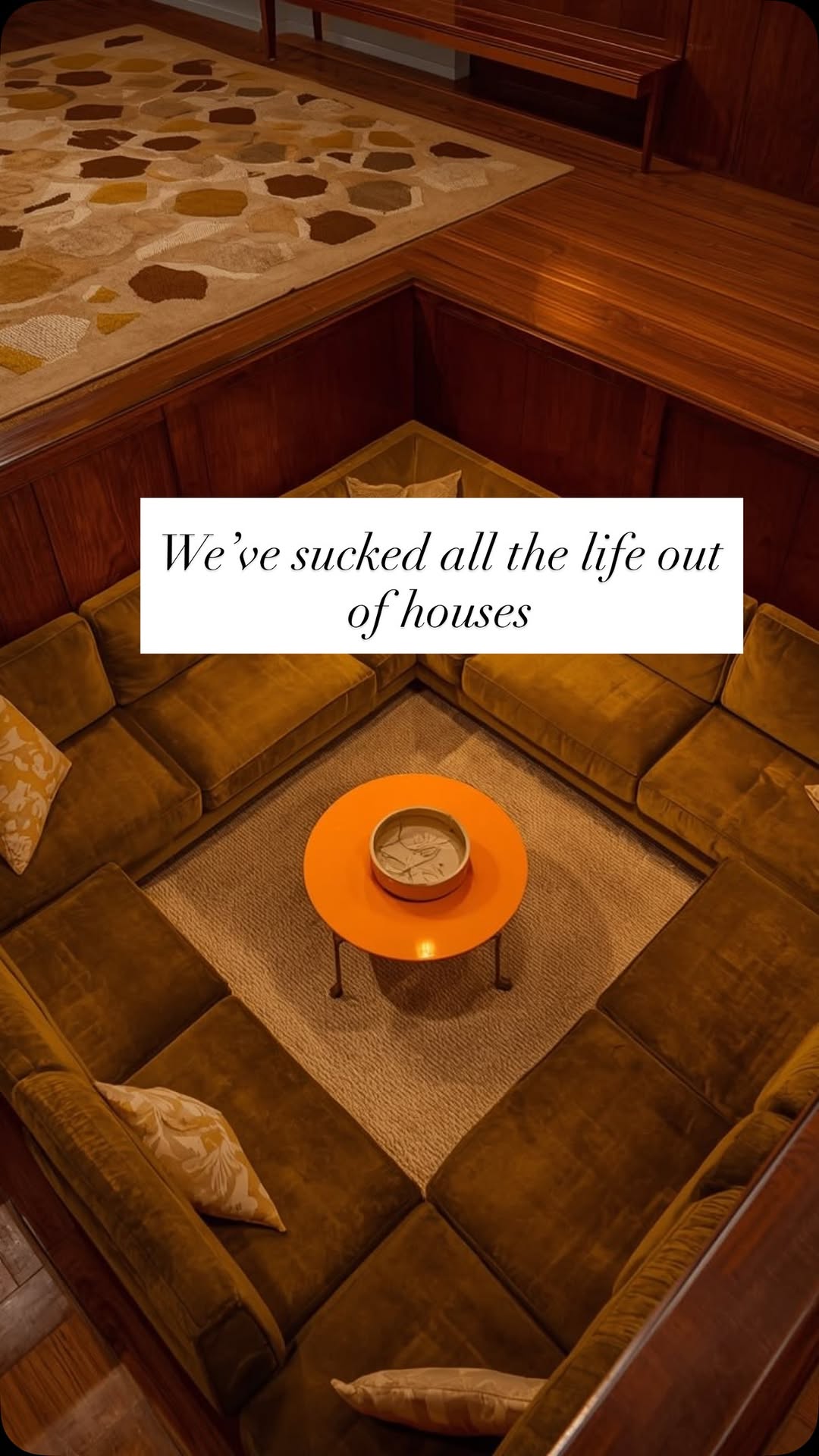 3.1M23.4×Creator lists unique dream house features@lilswalty · Rapid Fire Listicle
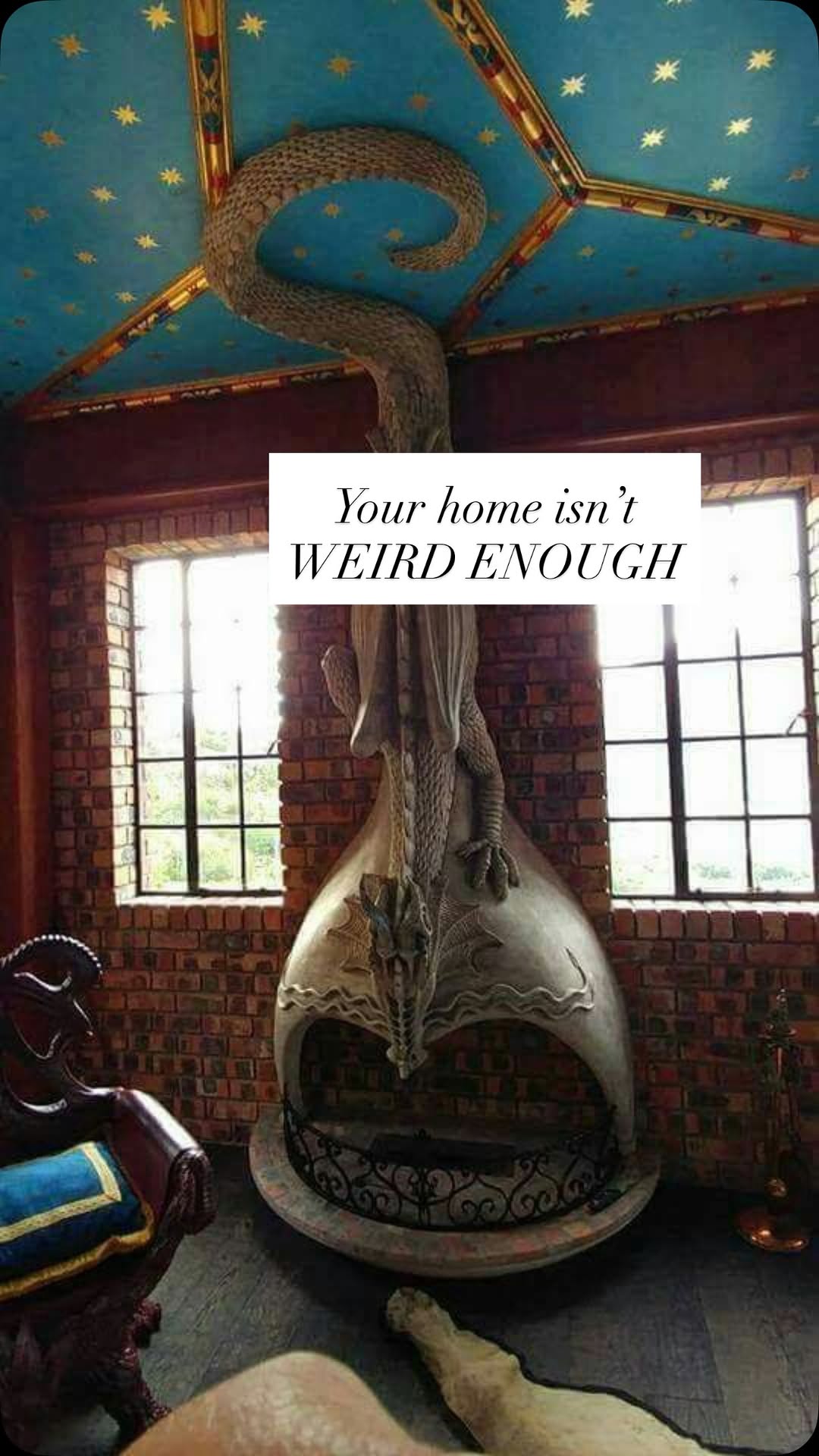 2M8.7×List of weird home decor@lilswalty · Rapid Fire Listicle
 132.1K1.9×Why modern buildings look boring@curatingambiance · Breakdown
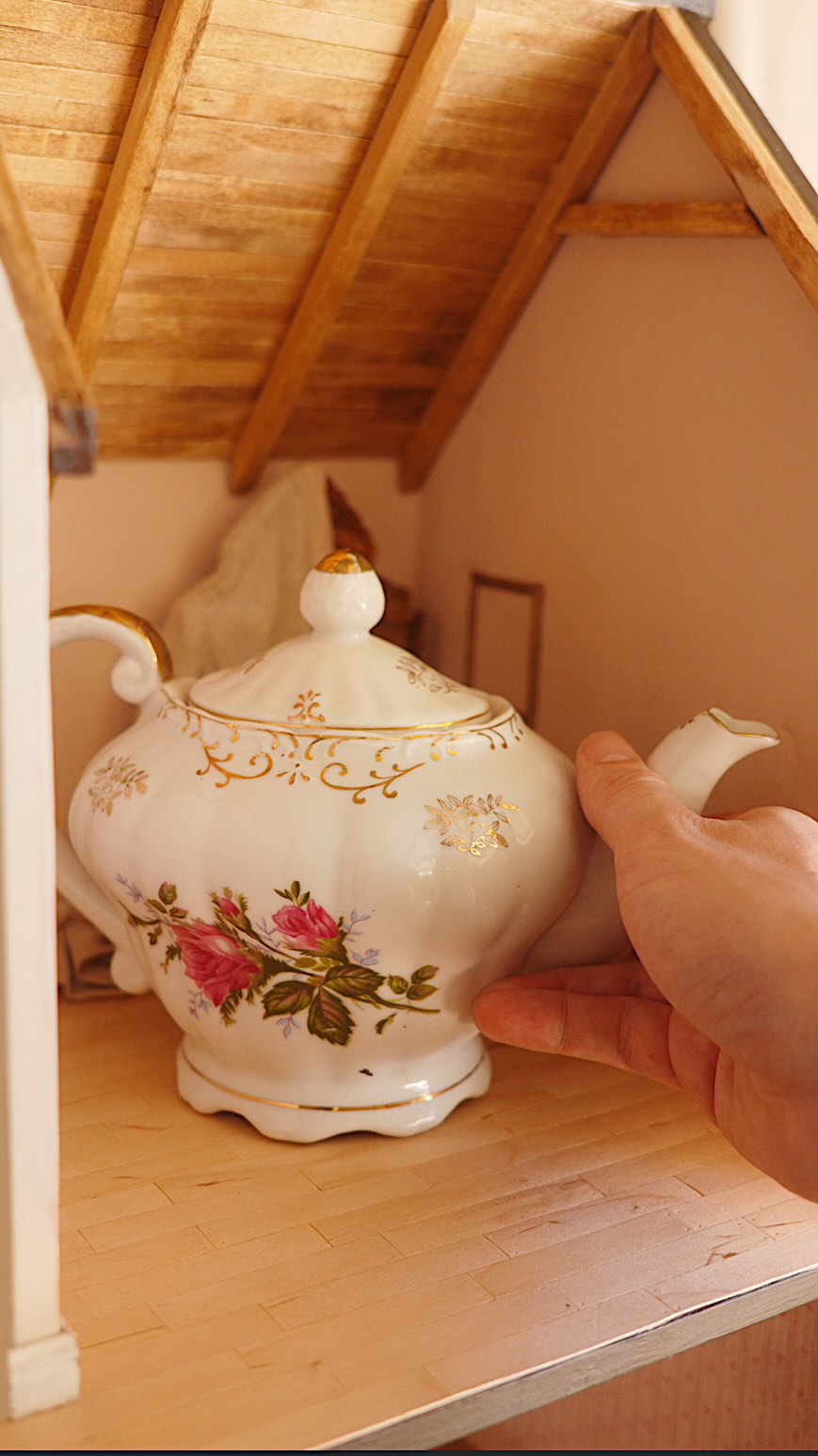 714.8K23.6×DIY dollhouse renovation process video@kylewilliamdesign · Process
 588.7K7×Why furnishing a home with only new trendy pieces is a mistake@hansloreidesign · Explainer
 271.9K885.6×Architect critiques modern city buildings@mwmoedinger1 · Breakdown
 741.2K5×Critiquing boring decor with weird alternatives@lilswalty · Rapid Fire Listicle
 7.2M62.5×DIY Halloween party decoration process@want.zamora · Process
[04]
[05]
What stops the scroll in the first 3 seconds
Title hook · 50%
Why Haunted Houses Look Like That...
Verbal hook · 45%
Have you ever wondered why every stereotypical Scooby Doo haunted house looks like this?
Visual hook · 5%
The video opens with a visually engaging split screen: the creator on the bottom and a classic cartoon image of a spooky, dark haunted house on a cliff with a lightning strike in the background on top. The creator's hand points up at the image, immediately directing the viewer's attention and establishing the video's topic.
[06]
Steal this for your own video
Why Look Like That...
[07]
The promise the opener makes, and how the video pays it back
Hook
Pose a direct, relatable question about a universally recognized cultural trope (e.g., from a cartoon), creating an immediate curiosity gap.
Payoff
Apply the same analytical logic to a modern equivalent, creating a humorous, thought-provoking, and forward-looking conclusion that makes the historical lesson relevant to today.
[08]
The structural pattern this video runs on
Framework
The Cultural Lineage
Explaining the historical and cultural evolution of a common modern trope by tracing it back to its prestigious origins, detailing its fall from grace, and showing how pop culture cemented its current, often negative, meaning.
The Thesis Statement
Promise a clear and interesting explanation for the phenomenon introduced in the hook, confirming there is a specific reason.
The Formal Definition
Provide the proper name and historical context for the subject, grounding the explanation in factual detail (e.g., 'Victorian homes').
The 'Before' State
Establish the subject's original, often prestigious or positive, context to create a strong baseline for its later transformation.
The Turning Point
Introduce a disruptive force or new trend that caused the subject's original status to decline and become obsolete.
The Psychological Shift
Explain how the physical or social decline of the subject led to a new, negative psychological perception (e.g., from 'prestigious' to 'creepy' or 'evil').
The Pop Culture Cementation
Demonstrate how media (films, TV, art) captured this new negative perception and solidified it into a widely recognized cultural trope for a mass audience.
The Trope Solidification
Explain how the trope became a self-reinforcing cycle, where the symbol is now exclusively and automatically associated with its new meaning.
Why Haunted Houses Look Like That…
title · beginning
Why Haunted Houses Look Like That...
call-to-action · end
FOLLOW FOR MORE HAUNTINGLY GOOD CONTENT.
Have you ever wondered why every stereotypical Scooby Doo haunted house looks like this? Like in a movie or a cartoon, if a house is supposed to be haunted, it is going to be in this particular style of architecture more times than no. And there's a very interesting reason for that. Well, the haunted house architectural style is essentially a broad synthesis of what we would today call Victorian homes, which is a umbrella term of different architectural movements that were going on during the Victorian era. And while each one of these homes is different, it's one of those things in the modern context of like, when you see it, you know it. It's this very ornamental colorful style. Often, it's got these towers, big windows, that kind of thing. And during the nineteenth century, these elaborate woodwork homes were the impressive, fashionable, and expensive homes for all the well-to-do to stay in. However, by the twentieth century, more architecture started leaning on the modernist style, which is more known for, like, clean angles, less ornamentation, and form following function. And as the years went on, more of these modernist ranch style homes began to be built until this became the new normal. And the old Victorian homes became more and more known for disrepair and disuse as they got older. Until eventually, you had a whole bunch of normal houses and then this thing that good man Johnson refuses to crawl out of, except for when he comes for blood. And also doesn't help that, like, all the ornamentation and, like, silhouettes and, like, imposing nature that was going on with the original structures, as soon as they, like, fell into any kind of disrepair, they just became evil looking, like, even more than, like, just an abandoned shack ever could. What makes this so eerie on a psychological level is, like, this is a once prestigious building that has fallen from grace. That's a big part of it. Eventually, the idea of the old nasty house in your neighborhood being a Victorian home began to be cemented in popular culture in the nineteen thirties whenever many of these old Victorian homes were actually falling apart, whenever they started making so many of these classic monster movies that we know today. And as these kind of things go, as you had the generations who grew up on the old monster movies using these Victorian homes as stand pieces for haunted, eventually, it just became to the point where this exclusively means haunted. And now it's to the point that if these old Victorian homes are in anything but, like, tip top shape and then the brightest, happiest colors ever, they just good like they got a ghost in them. And it's a self reinforcing cycle where so many people are exclusively exposed to this type of architecture in this evil light and then, like, more works of art get made, evil light and then, like, more works of art get made casting it in, you know, the haunted way. That's just the way that this works. But based off that history, it kinda makes you wonder if the next generation's version of this are gonna be like derelict millennial gentrification apartments. Some people may say that they're already evil buildings. But, tell me what you think rank, follow for more hauntingly good content.