@wiseforyourage
Instagram · Single Take

@wiseforyourage People hate quiet people

@wiseforyourage
Instagram · Single Take
@wiseforyourage People hate quiet people
Performance
Video #48589 · Single Take
[01]
The creator delivers a monologue directly to the camera from inside a car, presenting a philosophical argument about why quiet people are often disliked. He posits that their silence is a sign of intelligence and introspection, contrasting them with talkative people whom he labels as unintelligent. The speaker reframes the negative experiences of being a quiet person, such as being a 'target' or a 'sensitive kid,' as a 'superpower' derived from being an observant listener.
[02]
[03]
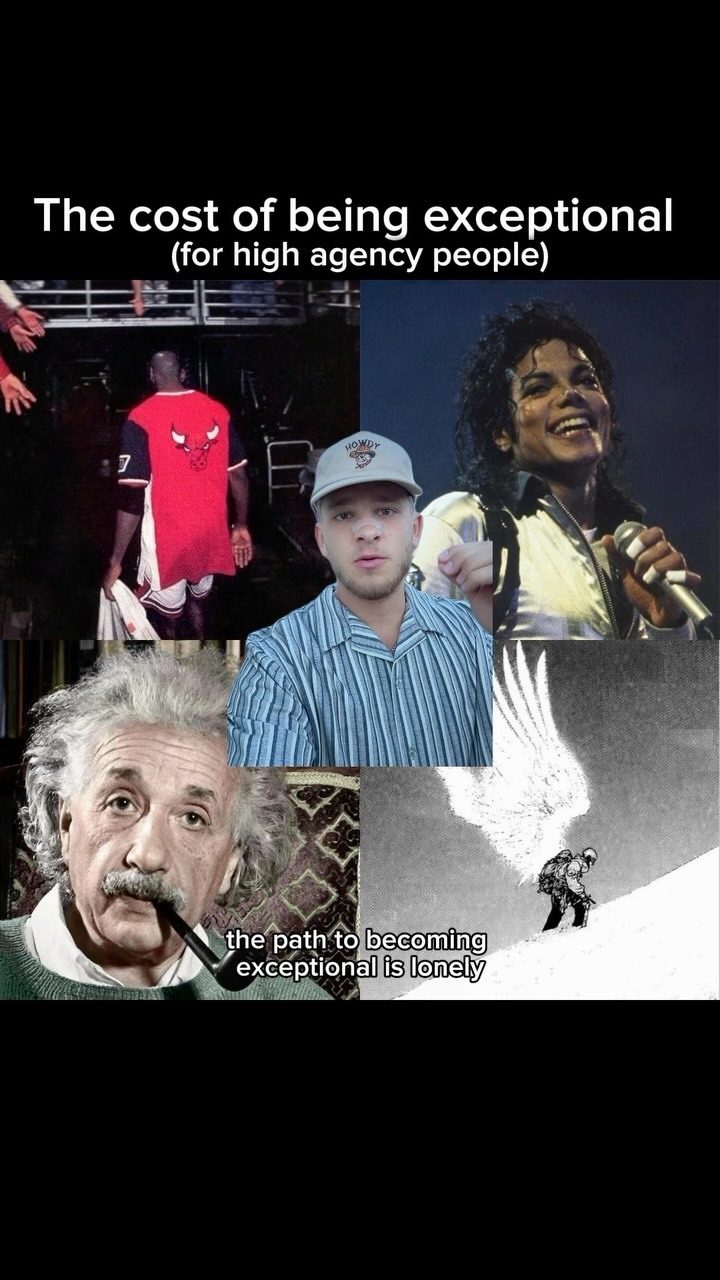 386.8K32.6×Monologue over montage about success@kolbykirschner · Motivational Mantra
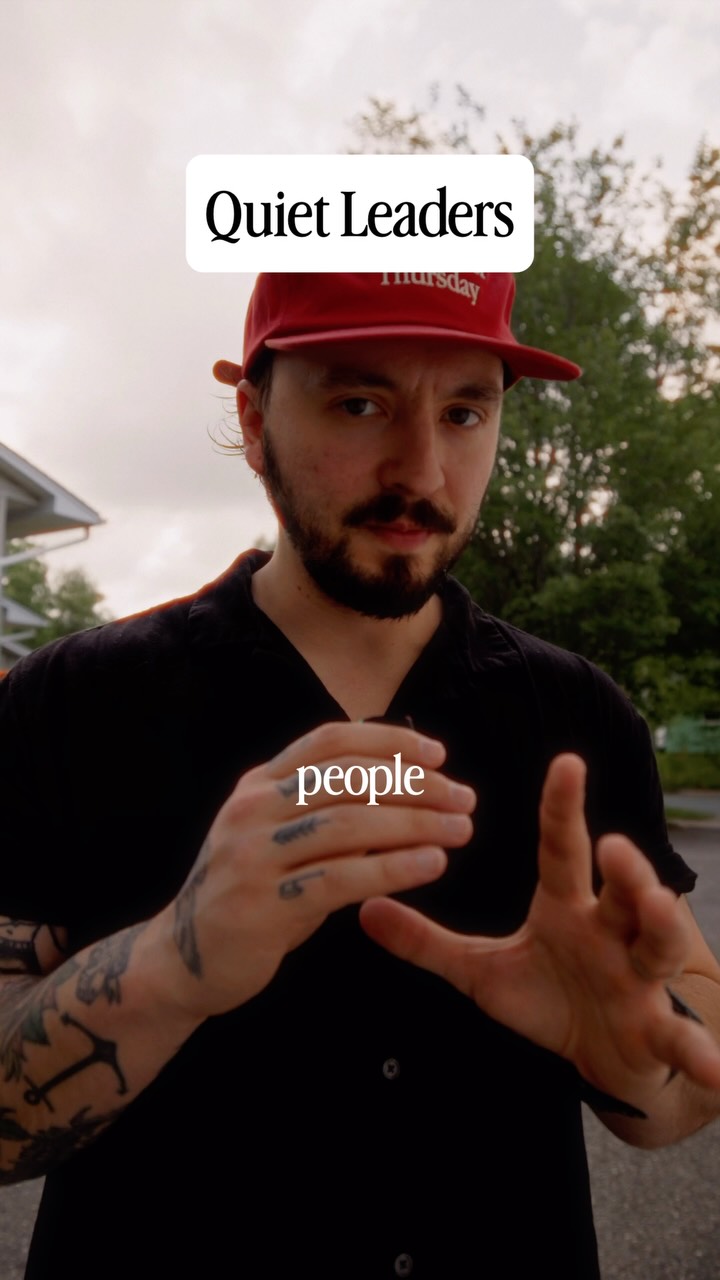 389.2KDefining the quiet leader archetype@nategaffney · Culture Profile
 2.4M38.6×Passionate rant about dumb people@cayydences · Cultural Rant
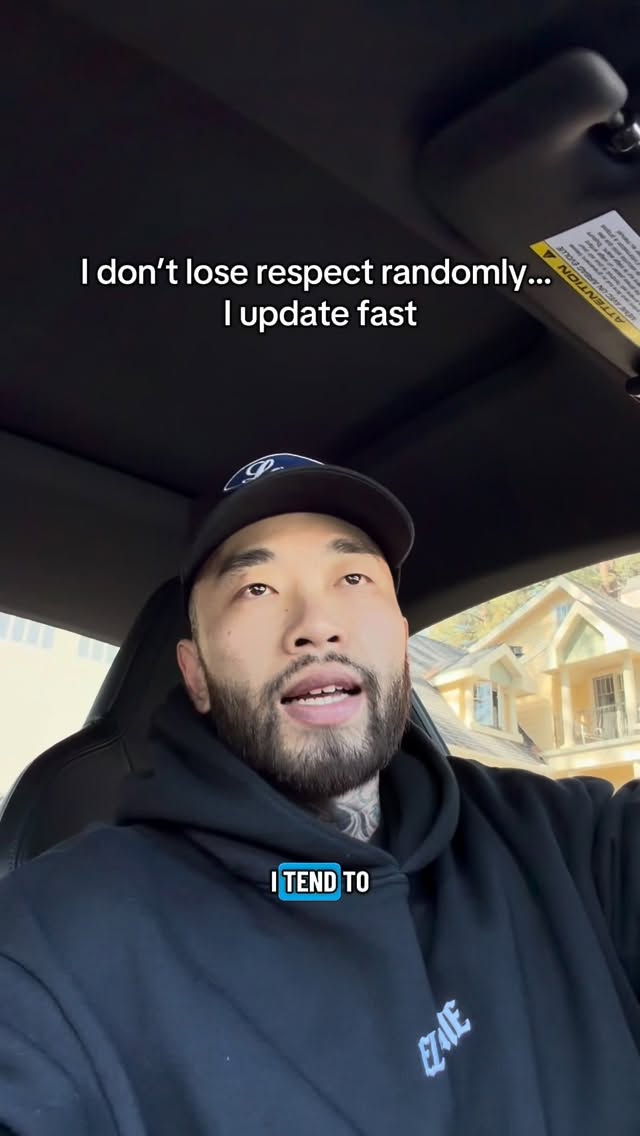 628.5K61.5×Car monologue about losing respect@sensei.nick · Anecdotal Philosophy
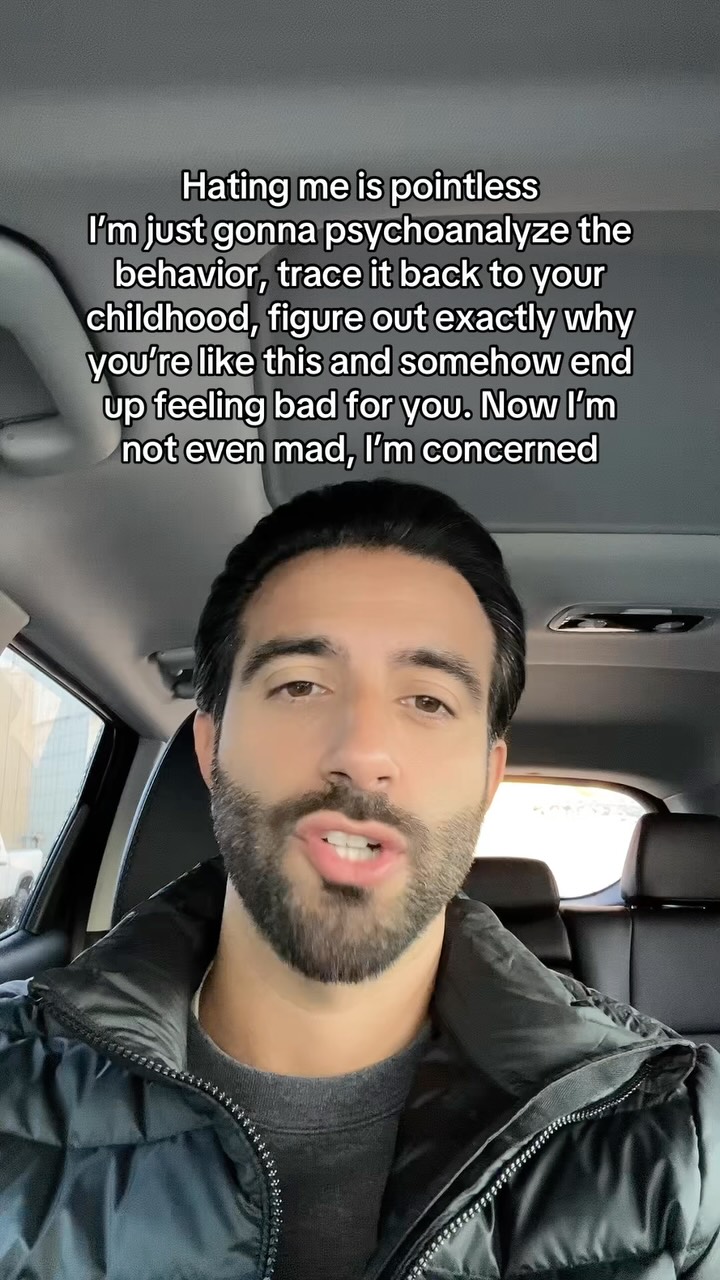 1.8M4.2×Man psychoanalyzes his haters monologue@davi87dp · Vulnerable Monologue
 1.2M9.8×Monologue on overthinking's pitfalls@benhbader · Hot Take
 169.2K4.2×Raw motivational talk from car@gregcolbeck · Motivational Mantra
 126.7KMan in car gives hot take@higherupwellness · Hot Take
 178.4K10.8×Car yap on spiritual growth@gregcolbeck · Anecdotal Philosophy
 2.1M6.6×Explains psychology of social media lurking@sensei.nick · Breakdown
 113.5K3.4×Passionate monologue reframing humility@bellasolanot · Motivational Mantra
 2.8M82.3×Monologue on supporting other people@viralclubhouse_ · Vulnerable Monologue
[04]
[05]
What stops the scroll in the first 3 seconds
Title hook
People hate quiet people.
Verbal hook
People hate quiet people.
Visual hook
A medium close-up shot of a speaker looking directly into the camera from inside a dark car. The low-key, moody lighting creates an intimate and serious atmosphere, drawing the viewer in.
[07]
The promise the opener makes, and how the video pays it back
Hook
A provocative, generalizing statement about a social dynamic that challenges a common belief or states a harsh truth, forcing the viewer to seek justification.
Payoff
An empowering reframe that transforms the negative trait and its social consequences from a weakness into the individual's greatest strength or 'superpower,' providing a strong emotional release and validation.
[08]
The structural pattern this video runs on
Framework
The Outsider's Superpower
To validate a misunderstood identity by reframing a perceived social weakness as a hidden strength that threatens the status quo, culminating in an empowering affirmation.
The Virtue Flip
Justifies the hook by assigning superior traits (e.g., intelligence, introspection) to the subject group and, by contrast, inferior traits to the opposing group.
The Wisdom Origin
Provides a backstory that frames the group's defining trait not as a deficiency, but as a skill learned from past experience (e.g., a curious child learning to listen).
The Power Reveal
Identifies the specific mechanism by which the trait provides a hidden advantage or access to a deeper truth that others miss.
The Threat Explanation
Connects the group's hidden power to why the mainstream or 'ego-driven' society feels threatened by them, explaining the negative social reaction from the hook.
The Consequence of Otherness
Details the negative social consequences the subject faces (e.g., being unpredictable, un-label-able, becoming a target) as a direct result of being a threat.
The Identity Validation
Directly addresses the target audience by using specific, relatable labels for their experience (e.g., 'the scapegoat,' 'the sensitive kid'), making them feel seen and understood.
People hate quiet people
informational · beginning
People hate quiet people.
informational · beginning
Because the quietest people in the room
informational · beginning
are usually the most introspective and intelligent.
informational · beginning
The most unintelligent people in the room
informational · beginning
are the people who don't shut up.
informational · beginning
To be a quiet person
informational · middle
is to truly know what it feels like to be alone.
informational · middle
A quiet adult was once a curious child.
informational · middle
Who learned that listening is more important than speaking.
informational · middle
we learn everything we need to know
informational · middle
and that bothers other people.
informational · middle
Because in an ego-driven society,
informational · middle
there is nothing more mysterious
informational · middle
than someone who doesn't take a perspective.
informational · middle
You become unpredictable.
informational · middle
No one knows what you're thinking
informational · middle
and when people can't label you,
informational · middle
you become a target.
informational · end
And if you are a truly quiet person,
informational · end
you know what it feels like to be a target for your whole life.
informational · end
the "sensitive" kid.
informational · end
There's nothing actually wrong with that
informational · end
even though everyone will make you feel like there is.
informational · end
It's actually your superpower.
People hate quiet people because the quietest people in the room are usually the most introspective and intelligent. The most unintelligent people in the room are the people who don't shut up. To be a quiet person is to truly know what it feels like to be alone. A quiet adult was once a curious child who learned that listening is more important than speaking. Because when we listen, we learn everything we need to know and that bothers other people. Because in an ego driven society, there is nothing more mysterious than someone who doesn't take a perspective. You become unpredictable. No one knows what you're thinking and when people can't label you, you become a tier. And if you are a truly quiet person, you know what it feels like to be a target for your whole life. The scapegoat, the sensitive kid. There's nothing actually wrong with that even though everyone will make you feel like there is. It's actually your superpower.