@ponnd.world
Instagram · Graphic Yap
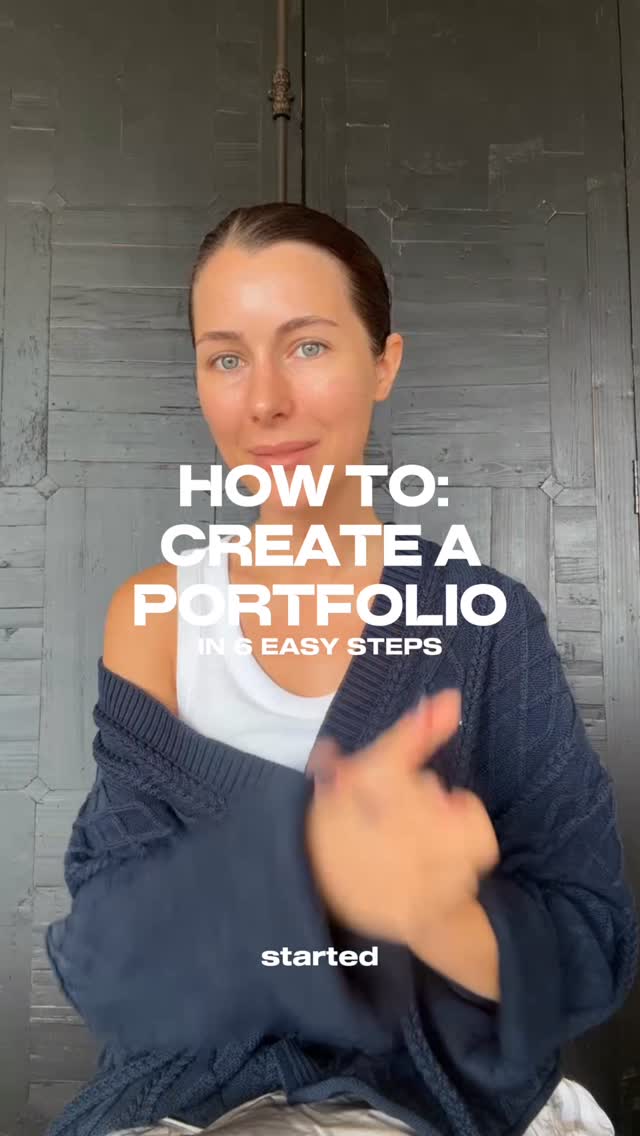
@ponnd.world Our guide to creating a portfolio in six easy steps 💼 #portfolio #career #curation

@ponnd.world
Instagram · Graphic Yap
@ponnd.world Our guide to creating a portfolio in six easy steps 💼 #portfolio #career #curation
Performance
Video #49714 · Graphic Yap
[01]
The creator provides a comprehensive six-step tutorial on how to create a professional portfolio. She begins by advising viewers to find inspiration, then moves to compiling their best work, emphasizing the inclusion of personal projects. She then explains the importance of showing one's thought process and problem-solving skills through copy, followed by choosing a manageable format, asking for specific and honest feedback, and finally, tailoring the outreach message when sending the portfolio out.
[02]
[03]
 207.8KHow to build a free portfolio@sandracreatess · Tutorial / How To
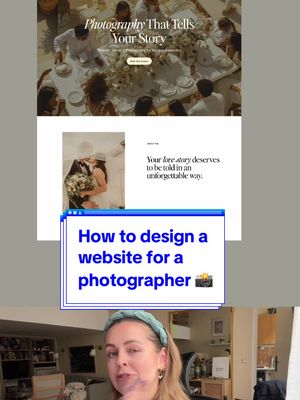 146.1K1.8×Photographer homepage design tutorial steps@pixeldesignlab · Tutorial / How To
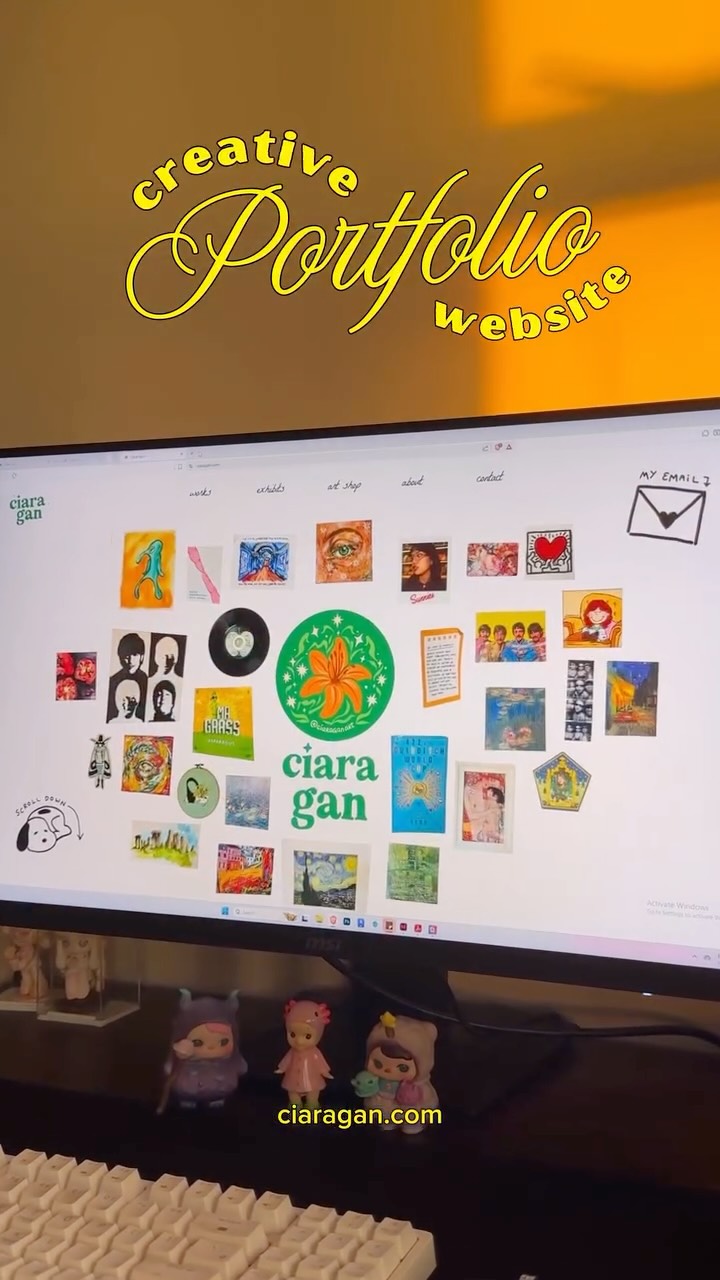 182.1KAesthetic tour of creative portfolio website@ciaragan · Product Demo
 626.7K5.5×Three-step guide for personal branding.@angelinaabalandina · Tutorial / How To
 136.2K2.8×Homepage structure tips for creatives@pixeldesignlab · Tutorial / How To
 274.1K1.1×Fixing common website design mistakes@pixeldesignlab · Before/After Transformation
 829.3K11.9×Explaining three graphic design tricks@fakeplasticbrands · Tutorial / How To
 118.7K17.5×Hands-on graphic design process montage@lt.designz · Process
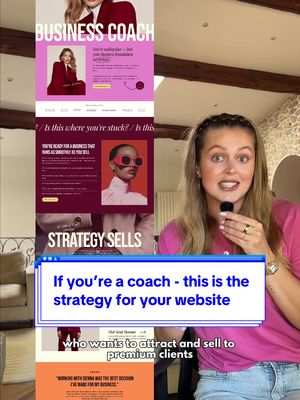 79.8K1.4×Numbered list for website structure@pixeldesignlab · Tutorial / How To
 97.4K2.1×Web design process start to finish@pixeldesignlab · Tutorial / How To
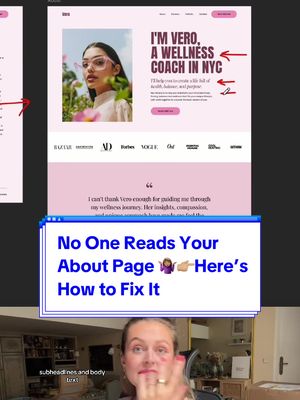 494.4K2×Before and after website redesign@pixeldesignlab · Before/After Transformation
 764.7K5.2×Animated five-step graphic design guide@chromas.lab · Tutorial / How To
[04]
[05]
What stops the scroll in the first 3 seconds
Title hook
HOW TO: CREATE A PORTFOLIO
Verbal hook
If you have been putting up creating a portfolio, take this as your sign.
Visual hook
A fast-paced montage of aesthetically pleasing portfolio examples and text overlays layered on top of the speaker, creating immediate visual interest and context.
[07]
The promise the opener makes, and how the video pays it back
Hook
Acknowledge a common point of procrastination or difficulty, then immediately offer a structured, numbered solution to establish authority and provide a clear value proposition.
Payoff
Provide a concluding piece of wisdom that reframes the entire process, shifting the viewer's mindset from completing a one-time task to engaging in an ongoing practice.
[08]
The structural pattern this video runs on
Framework
The Sequential Mastery Guide
Deconstructing a complex, often-procrastinated task into a clear, numbered, and actionable sequence of steps, making it feel manageable and achievable for the viewer.
Step 1: The Foundation
Instruct the viewer to begin by studying existing examples to establish a baseline and gather inspiration before creating anything themselves.
Step 2: The Curation
Guide the viewer to selectively gather and organize their own best materials, emphasizing quality over quantity and strategic alignment with their goals.
Step 3: The Narrative Layer
Instruct the viewer to add context and explain the 'why' and 'how' behind their work, moving beyond surface-level presentation to demonstrate critical thinking.
Step 4: The Container
Address the practical delivery mechanism, advising the choice of a sustainable and manageable format for the final product.
Step 5: The Quality Check
Introduce a feedback loop, instructing the viewer to seek specific, targeted critiques from others to refine the work before finalizing it.
Step 6: The Launch
Detail the final action of sharing the work, emphasizing the importance of personalization and targeted outreach for maximum impact.
Our guide to creating a portfolio in six easy steps 💼 #portfolio #career #curation
title · beginning
HOW TO: CREATE A PORTFOLIO
title · beginning
IN 6 EASY STEPS
informational · beginning
STEP ONE look for inspiration
informational · beginning
01. structure
informational · beginning
02. flow
informational · middle
03. tone
informational · middle
STEP TWO compiling your best work
informational · middle
4-6 projects
informational · middle
reflect the role/s you're going after
informational · middle
include personal projects
informational · middle
STEP THREE show thinking/problem solving
informational · middle
explain the problem/project
informational · middle
your approach
informational · middle
the result
informational · middle
STEP FOUR choose a manageable format
informational · end
STEP FIVE ask for honest feedback
informational · end
01. is anything unclear?
informational · end
02. does anything feel weak?
informational · end
03. is it giving 'hire-able'?
informational · end
STEP SIX send and tailor the message
If you have been putting up creating a portfolio, take this as your sign. Tier are six easy steps that you should follow to get started. Step one is to look for inspiration. So way before opening Figma or in design, I recommend studying between five to 10 portfolios. You should be taking note on the structure, flow, and how they talk about their work. This will help you understand what you like and what you might be able to do better. Step two is compiling work that shows your rank. Be super selective tier. So pick between four to six projects that reflect what it is you wanna be hired for. I highly recommend including a personal project or two. These are often a much stronger representation of you because they haven't been watered down. Step three is to show your unique way of thinking or how you approach a problem. Whilst a pretty portfolio is great, people often neglect the copy. So you should explain the problem, your approach, and the result. Adding two to three lines of context makes you way more credible. Step four is choosing a format. So this could be a PDF, a website, or even a No. Pick one that is easiest for you to maintain. Step five is asking for feedback. Specifically. Is anything unclear? Does anything feel weak? And would you hire me from this? Step six is to send it out and tailor the message to the person you're sending it to. A personalized message goes a very, very long way. Remember, your portfolio is a living document and should be a reflection of you and your work.