@gsnwilliams
Instagram · Greenscreen Talking Head
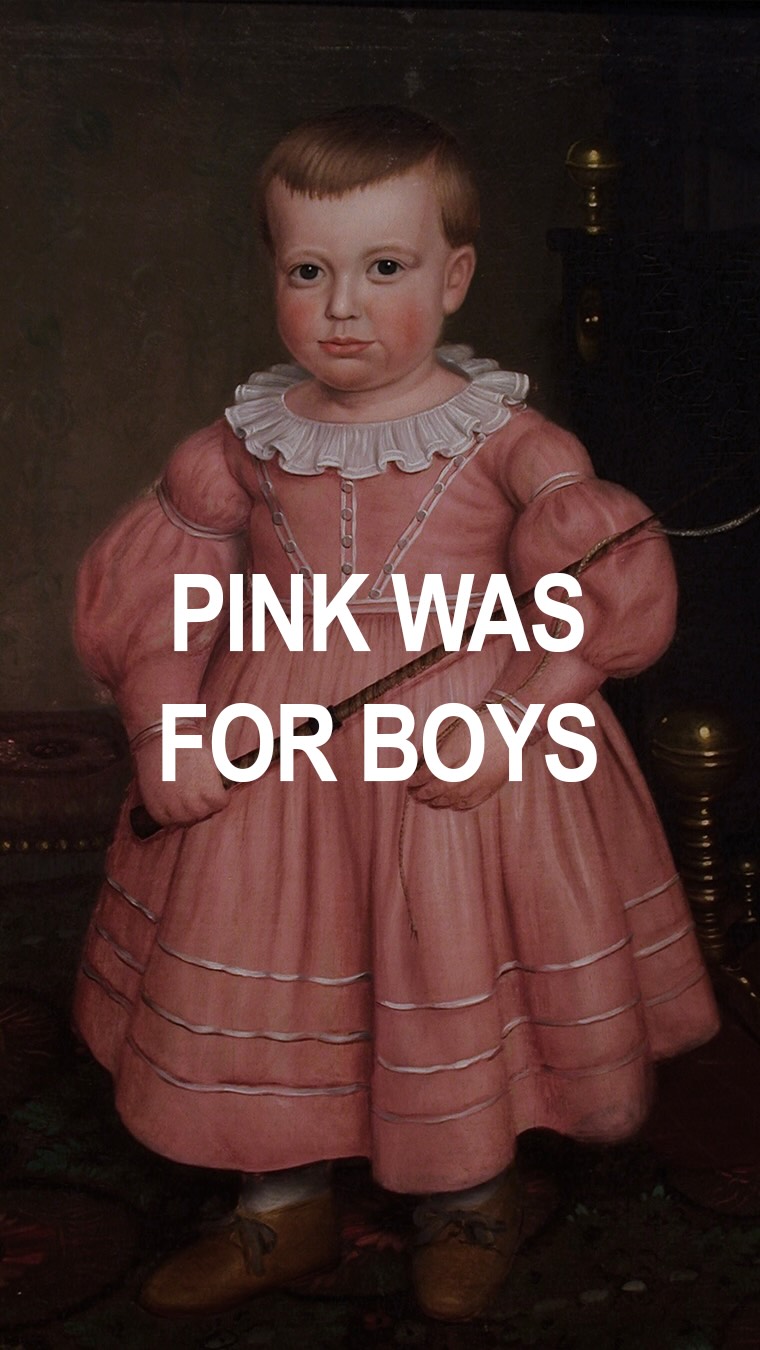
@gsnwilliams Did you know that pink used to be for boys and blue for girls? #fashionisgenderless #pink

@gsnwilliams
Instagram · Greenscreen Talking Head
@gsnwilliams Did you know that pink used to be for boys and blue for girls? #fashionisgenderless #pink
Performance
Video #49793 · Greenscreen Talking Head
[01]
The creator explains the history of how the colors pink and blue became gendered. He starts by posing the surprising fact that pink was once for boys and blue for girls, then chronologically details how in the 18th century pink was a masculine color, how the conversation shifted to children's clothing in the early 20th century, the role of post-WWII advertising in solidifying the modern gender-color association, the feminist movement's push for unisex clothing, and finally how the advent of ultrasound technology in the 1980s cemented the color-coding for marketing purposes.
[02]
[03]
 842.1K13.6×Data analysis of a fashion trend@databutmakeitfashion · Breakdown
 216K27.9×Split screen commentary on clothing@holistic.grenade · Reaction
 219.7K1.5×Explaining design trends as marketing@mirandadoesbrands · Breakdown
 181.8KDebunking three outdated fashion rules@the.second.button · Rapid Fire Listicle
 696.2K8.8×Data analysis of a fashion trend@databutmakeitfashion · Breakdown
 1.2M211.7×Explaining the cultural history of menswear@gsnwilliams · Breakdown
 499.1K145.7×Historical breakdown of streetwear origins@henrythekid · Culture Profile
 171.7K1.5×Creator analyzes menswear's cultural shift@ghostinthesam · Breakdown
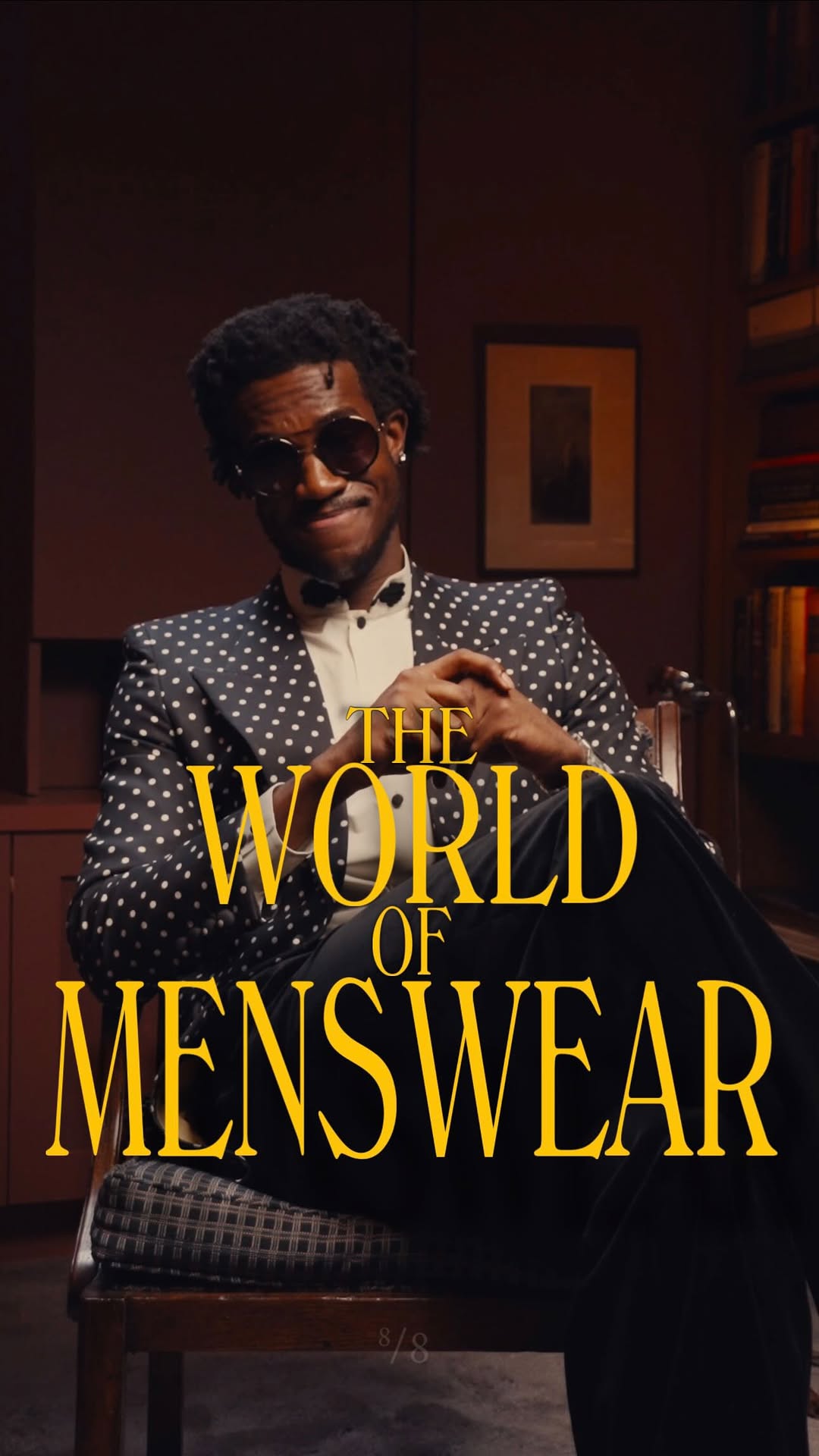 17M3×Rapid-fire men's fashion style guide@wisdm · Rapid Fire Listicle
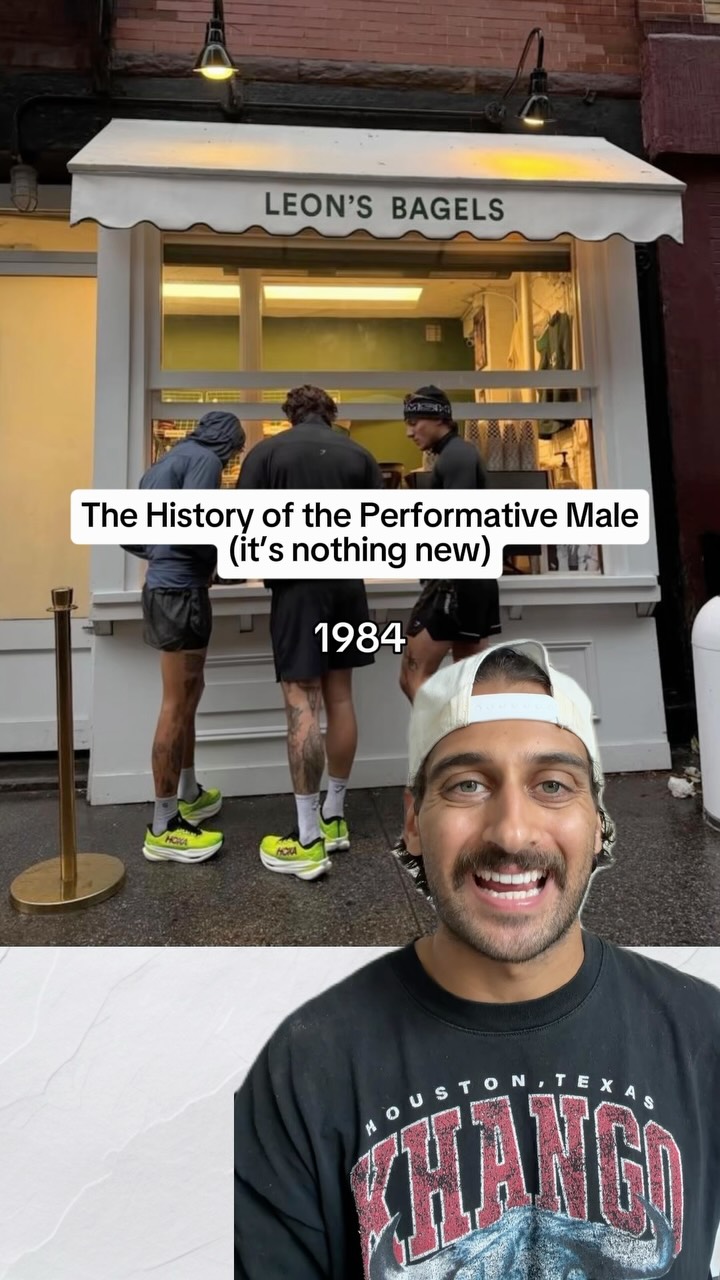 799.1K448.9×Explaining male trends through history@bhadshah_khango · Breakdown
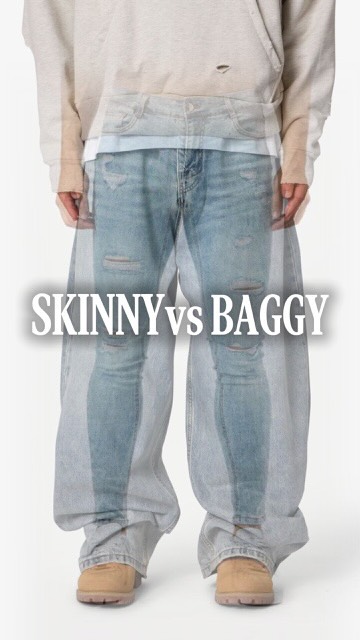 272.3K48.1×Explaining the skinny vs baggy cycle@peter_reitano · Evolution Showcase
 229.3K22×Cultural breakdown of an anime trope@mike_sunday · Breakdown
[04]
[05]
What stops the scroll in the first 3 seconds
Title hook · 40%
would you believe me
Verbal hook · 55%
You believe me if I told you that pink used to be for boys and blue was for girls?
Visual hook · 5%
A shot of actress Margot Robbie dressed in a vibrant, monochromatic bright pink outfit, including a matching jacket, skirt, hat, and purse, against a bright pink background.
[06]
Steal this for your own video
Would you believe me if I told you that used to be ?
[07]
The promise the opener makes, and how the video pays it back
Hook
Pose a counter-intuitive question that directly challenges a common, deeply ingrained cultural assumption, creating an immediate curiosity gap.
Payoff
Deliver a final, concise thesis that synthesizes the entire historical journey, revealing how external forces have successfully shaped public perception of a simple concept for a specific, often profitable, reason.
[08]
The structural pattern this video runs on
Framework
The Historical Reversal
To deconstruct a widely-held modern belief by tracing its surprising and often commercially-driven historical evolution, making the viewer feel like they've discovered a secret.
The Series Frame
Briefly state the overarching theme or series this content belongs to, establishing the creator's authority and the video's purpose.
The Original State
Present the historical origin of the concept, which is the opposite of the modern understanding. Provide the logic and context for this original state.
The Transitional Phase
Show a period in history where the concept was in flux or ambiguous, demonstrating that the change was not immediate and adding narrative complexity.
The Great Reversal Catalyst
Identify and explain the key socio-economic or cultural event that caused the belief to flip to its modern form. Crucially, link this to a commercial or power-based motive.
The Ideological Pushback
Briefly introduce a counter-movement or idea that pushed back against the new norm, adding nuance and showing that the change was contested.
The Modern Solidification
Explain how a more recent development (often technological or marketing-based) cemented the modern belief, making it seem natural and inevitable to today's audience.
Did you know that pink used to be for boys and blue for girls? #fashionisgenderless #pink
title · beginning
would you believe me if I told you that pink used to be for boys and blue was for girls?
title · beginning
“Fashion is Genderless”
informational · middle
Pink for boys! Blue for girls!
branding · end
gsnwilliams
call-to-action · end
follow for more stories behind fashion and culture
You believe me if I told you that pink used to be for boys and blue was for girls? This is Fashion is Genderless. A series about how the things that we consider masculine or feminine constantly change. Back in the eighteenth century, wealthy European men wore pink because colored fabrics were expensive to produce. With many dyes being imported from overseas. Pink was also considered a lighter shade of red, a color that was associated with military strength and power. But a century better, the conversation had shifted to children's clothing. In 1918, a children's clothing publication recommended pink for boys because it was considered the stronger color, while blue was apparently more delicate and better suited to girls. The problem was that nobody could actually agree. Nine years later, Time Magazine surveyed major American department stores and found that they still couldn't agree. However, over the following two decades, American clothing manufacturers began settling on pink for girls and blue for boys. And I find that timing very interesting. After World War two, advertising was pushing the image of the perfect housewife, encouraging women to return to a domestic life after taking on factory jobs while the men were away at war. There was also a financial incentive for these manufacturers. Encouraging boys and girls to wear different colors gave parents more reason to buy separate wardrobes, rather than just passing down clothes between siblings. But that idea of what women were supposed to do started facing serious pushback. In 1963, Betty Friedan published Tier Feminine Mystique, challenging the expectation that women's lives should revolve around marriage and housework. This book helped fuel the second wave of feminism, with women demanding greater equality. And that extended to children's clothing, helping popularize practical unisex clothing throughout the nineteen seventies. But that shift towards unisex clothing didn't really last long. As ultrasound technology improved during the nineteen eighties, more parents could find out whether or not they were having a boy or a girl before the baby was born. And manufacturers saw this as an opportunity. Instead of waiting for the baby to arrive, they could market pink and blue clothing, the nappies, and the nursing furniture to expecting parents. And what's interesting is that pink has become a far stronger symbol of femininity than blue has of masculinity, which just goes to show how successful the fashion industry has been at shaping the way we interpret something as simple as color, just so they could sell products to entire generations. Follow for more stories behind fashion and culture.