@shepherd.farm
Instagram · Talking Head Edit
@shepherd.farm Water Lilies With Kidflamess! #waterlily #fyp #aquaticplants #flowers

@shepherd.farm
Instagram · Talking Head Edit
@shepherd.farm Water Lilies With Kidflamess! #waterlily #fyp #aquaticplants #flowers
Performance
Video #49838 · Talking Head Edit
[01]
Two creators, one in a cold climate and one in the Florida Everglades, collaboratively explain the science and ecological importance of water lilies. They contrast the plant's lifecycle in different temperatures, detail its role in providing habitat and food for wildlife, explain its reproductive process, and describe its benefits in preventing soil erosion and algae blooms, using illustrative B-roll footage throughout.
[02]
[03]
 308.4K13×Scientist explains ecology in field@kidflamess · Explainer
 1.7M63.6×Underwater forest exploration video@kidflamess · Ambient Escape
 8.5M312.4×Scientist's day in the life@meta · Day In The Life
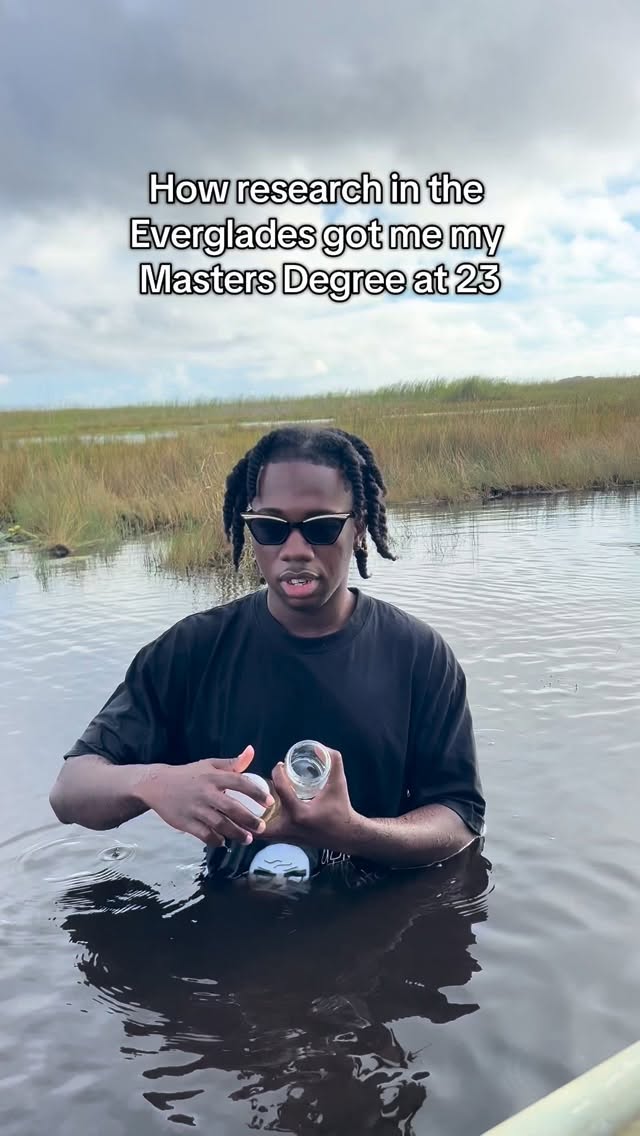 3.1M101.5×Montage of research to degree@kidflamess · Journey Documentation
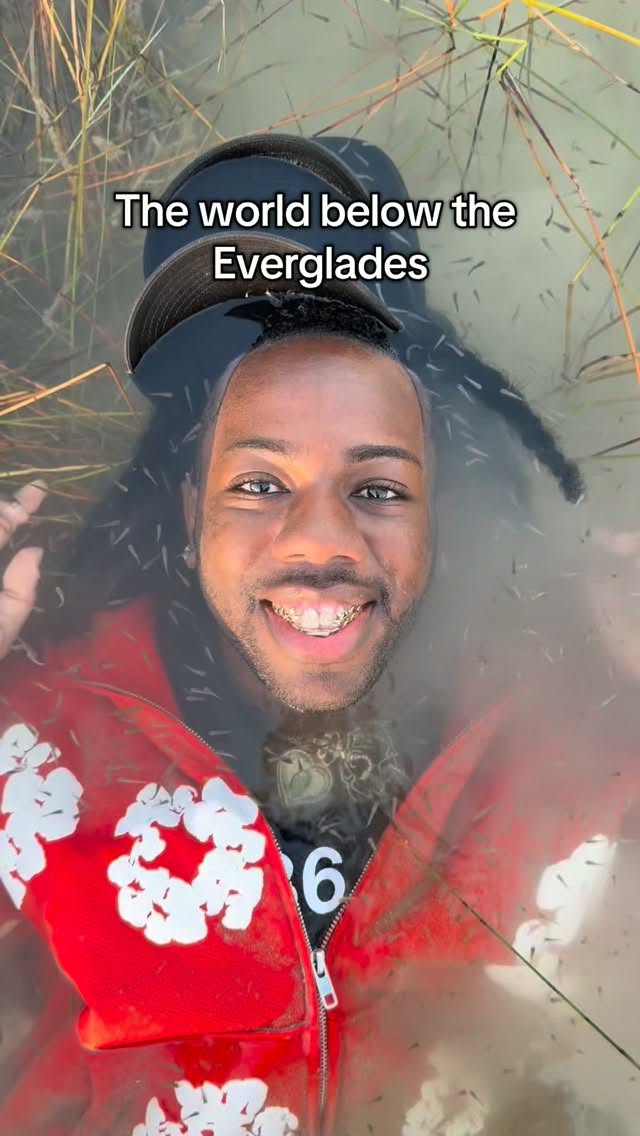 1.5M56.7×Exploring wildlife below the surface@kidflamess · Ambient Escape
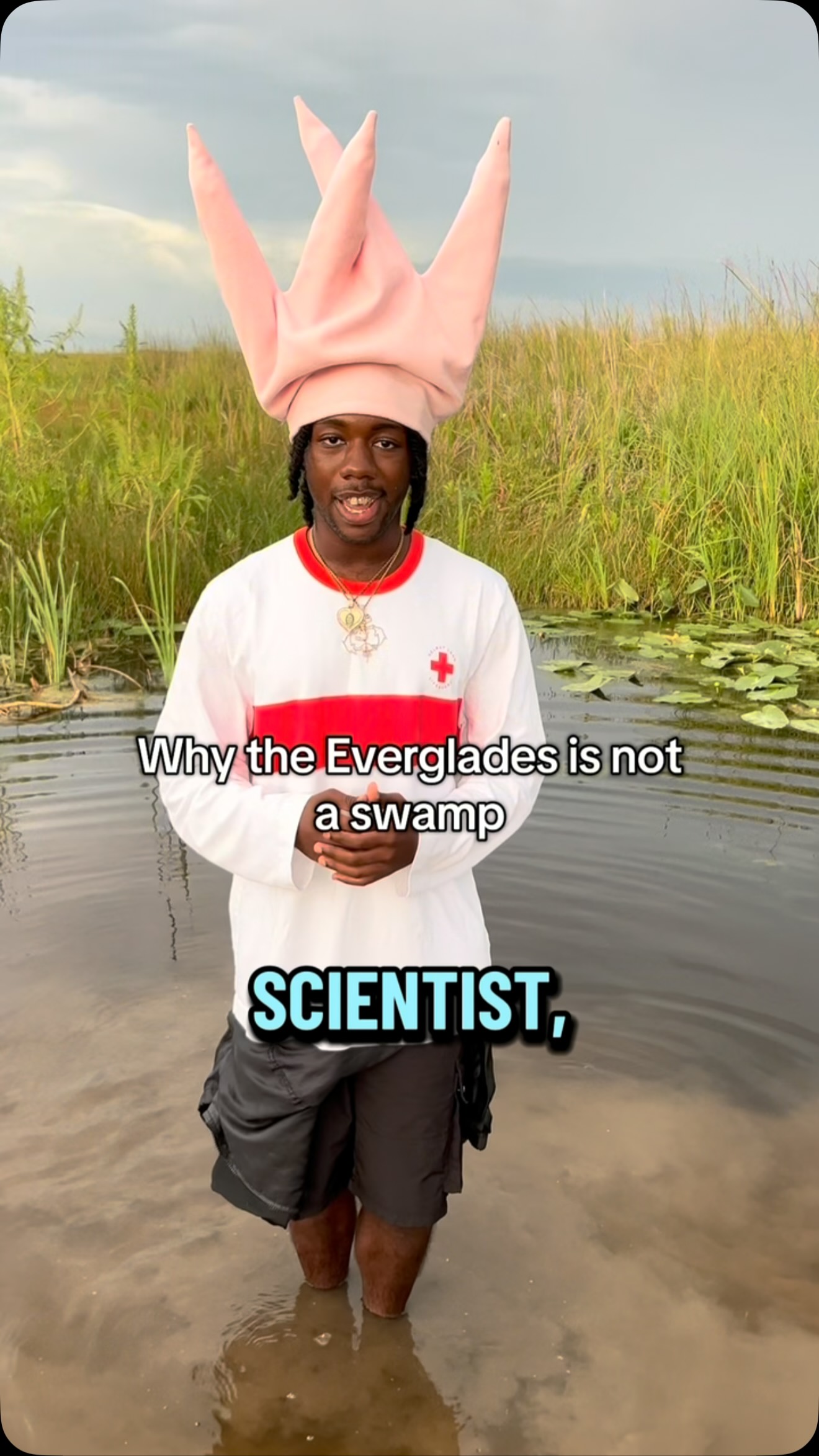 586.5K18.1×Expert debunks common nature myth@kidflamess · Breakdown
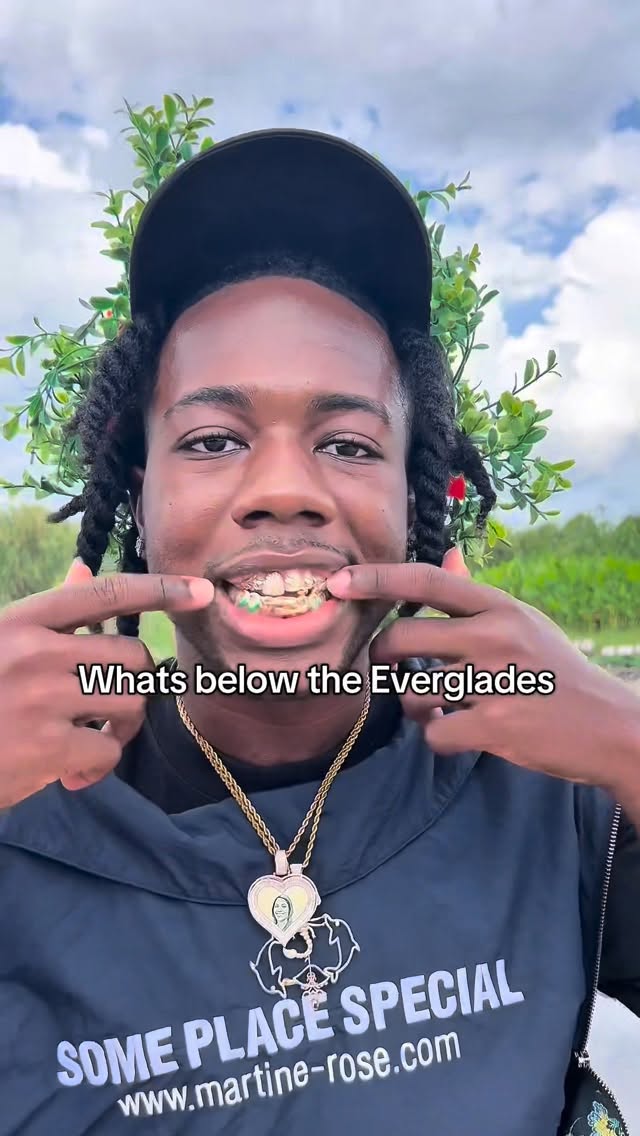 250.2K7.7×Explaining Everglades geology layer by layer@kidflamess · Breakdown
 2.4M11.2×Montage of a scientist's fieldwork@kidflamess · Day In The Life
 1.8M4.7×Scientist's research journey montage@kidflamess · Journey Documentation
 872.6K36.9×Explaining why dirty water is healthy@kidflamess · Explainer
 96.8KStudent explains his environmental research.@fiuenvironment · Breakdown
 777.6K27×Aerial view of green wetlands@nationaltrust · Case Study Breakdown
[04]
[05]
What stops the scroll in the first 3 seconds
Verbal hook
Hello. I'm Sarah. And I'm Jordan, the Everglades scientist, and we're here to talk to you about water lily.
Visual hook
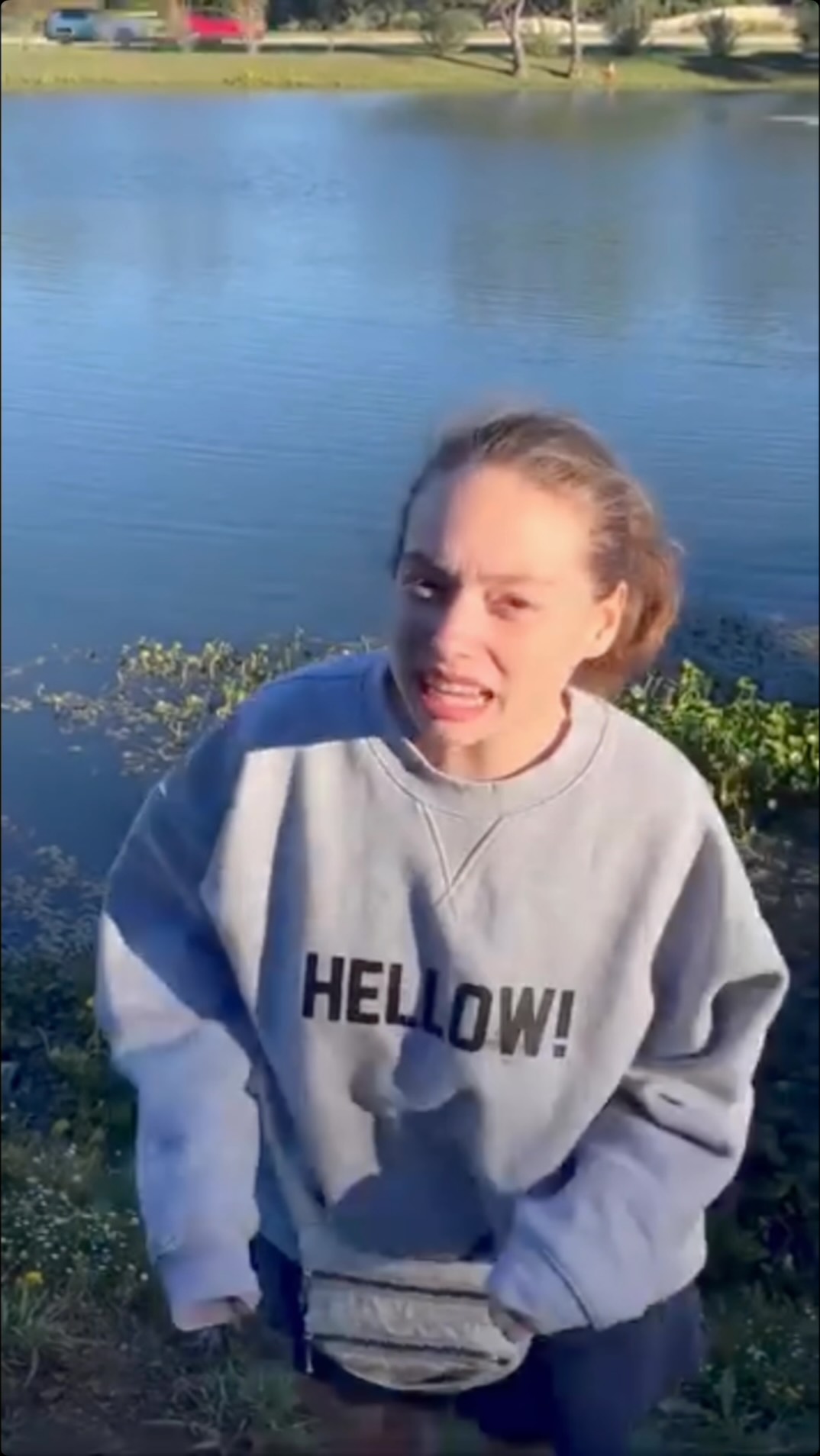
The video opens with an energetic presenter by a lake, then immediately cuts to a second presenter smiling while waist-deep in a swamp, creating a strong visual contrast in location and setting.
[07]
The promise the opener makes, and how the video pays it back
Hook
A high-energy, dual-presenter introduction that clearly states the topic and establishes the contrasting perspectives.
Payoff
A concluding statement delivered jointly by both presenters, summarizing the topic and providing a definitive, bookended end to the lesson.
[08]
The structural pattern this video runs on
Framework
The Dual-Expert Explainer
Two contrasting hosts or perspectives (e.g., different locations, different areas of expertise) take turns explaining facets of a single topic, building a comprehensive picture through a tag-team delivery.
The Core Contrast
Visually and verbally establish the fundamental difference between the two presenters' environments or viewpoints regarding the topic (e.g., thriving vs. dormant).
The Expert Clarification
One expert identifies and corrects a common mistake or look-alike related to the topic, establishing authority and adding a layer of niche knowledge.
The Benefit Cascade: Habitat
The presenters begin a back-and-forth exchange, with the first explaining a primary, observable benefit or function of the subject for its immediate environment.
The Benefit Cascade: Utility
The exchange continues, moving to more advanced or less obvious benefits, explaining how other entities use the subject for shelter, transport, or protection.
The Process Deep-Dive: Pollination
The focus shifts from 'what it does' to 'how it works,' explaining a key, often time-sensitive, part of the subject's lifecycle.
The Process Deep-Dive: Fruiting
The other expert explains the next stage of the process, revealing a hidden or surprising mechanical detail that occurs after the previous stage.
The Unseen Anchor
The explanation moves to the subject's underlying structure, explaining how its physical form contributes to a larger environmental function like stability or prevention.
The Internal Highway
The final technical detail is revealed, focusing on an internal transportation or communication system within the subject that enables its survival.
The Regulatory Effect
A final, broader environmental or secondary benefit is explained, showing how the subject's presence helps regulate its ecosystem.
Water Lilies With Kidflamess! #waterlily #fyp #aquaticplants #flowers
Hello. I'm Sarah. And I'm Jordan, the Everglades scientist, and we're here to talk to you about water lily. Better lily. So right now where I'm at, it's very good, and it's getting in October, so the water lilies have all died off. But we still have water lilies in Florida. But I have a look alike here. It's called dollar weed. No water lilies, they help the environment because they provide a habitat in the water for lots of fish, frogs, and insects. Birds use them to walk across the water while searching for food. Alligators and other aquatic wildlife use it to cool down when it's really hot, and fish and other aquatic wildlife use it to hide from predators. The flowers also only bloom for four days, but during that tier, they pollinate a lot. They help with the bees and the butterflies too, and the dragonflies sometimes. The flower may sink underwater after pollination because the stalk better pulling the flower underwater where the fruit develops and the seeds mature. Better lilies also have strong roots that anchor in the soil, so it prevents erosion in the pond on the ground. So that also keeps all the soil steady and secure. Tier stalks also have tissues that move water, minerals, and sugars throughout the leaves and other parts of the plant. Water lilies can also help prevent algae blooms because in the hot months, it helps shade and cool the water no it doesn't have a heat spike putting algae everywhere. That's the better lily.