@middlebrowpod
Instagram · Clip
@middlebrowpod Listen to the full episode with Freddie deBoer and check out his new book about mental health culture "All In Your Head."

@middlebrowpod
Instagram · Clip
@middlebrowpod Listen to the full episode with Freddie deBoer and check out his new book about mental health culture "All In Your Head."
Performance
Video #49977 · Clip
[01]
The speaker shares his personal experience living with bipolar disorder, specifically detailing the physical side effects of taking high-dose lithium, such as hand tremors. He then pivots to explain that despite the side effects, staying on medication offers some of the best outcomes for serious mental illnesses, though the nature of the disorder often leads people to stop taking their meds.
[02]
[03]
 1.6MADHD medication experience and advice@lolayounggg · Vulnerable Monologue
 422.5K32.5×Podcast clip discussing obesity medication@jvn · Ask an Expert
 409.5K180×Vulnerable story about addiction dangers@recoverydotcom · Vulnerable Monologue
 1MExpert explains weight loss drugs@thediaryofaceopodcast · Breakdown
 316.6K20.4×Doctor shares patient interaction story@drkazarian · Storytime
 571.1K2.9×Doctor explains phenibut withdrawal dangers@santacruzpaleo · Breakdown
 393.6K10.9×Doctor debunks another doctor's hypocrisy@drkazarian · Trendjacking
 2.7M8.1×Guest shares postpartum anxiety story@callherdaddy · Vulnerable Monologue
 320.7K55.8×Shares mental health journey for fundraiser@montemader · Vulnerable Monologue
 233.2K43.2×Personal grief story critiques society.@isabelgeorginataylor · Vulnerable Monologue
 5.9M287.8×Speaker shares personal transition story@teenvogue · Vulnerable Monologue
 2.3M4.5×Creator rants about morning sickness@callherdaddy · Cultural Rant
[04]
[05]
What stops the scroll in the first 3 seconds
Title hook
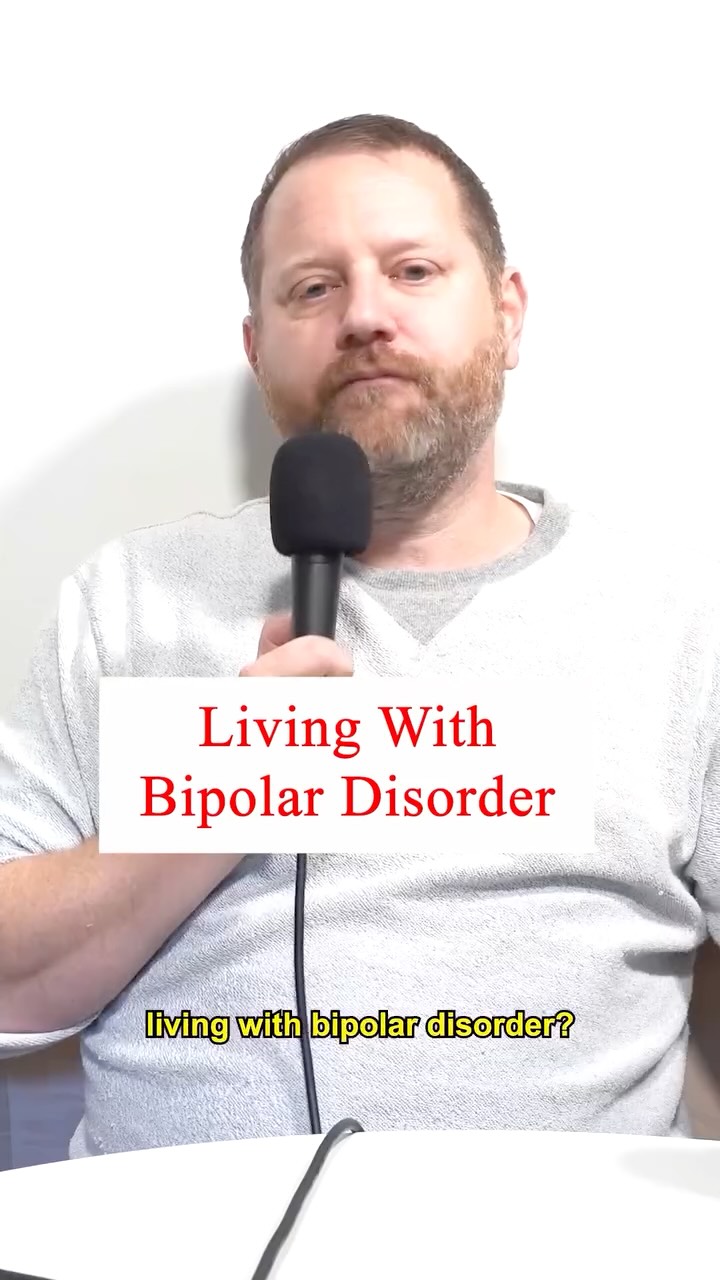
Living With Bipolar Disorder
Verbal hook
What is it like living with bipolar disorder?
Visual hook
A professional podcast studio setup featuring multiple hosts, high-quality lighting, and a prominent, stylized text overlay in the center of the screen.
[07]
The promise the opener makes, and how the video pays it back
Hook
A direct, profound question that demands a raw, vulnerable answer.
Payoff
A sobering realization that complicates the initial hope, creating a lingering emotional impact.
[08]
The structural pattern this video runs on
Framework
The Micro-to-Macro Revelation
Answering a massive, abstract question by starting with a hyper-specific, physical anecdote before zooming out to the profound reality.
The Profound Prompt
Establish the core topic through a direct, heavy question from an external voice.
The Micro-Manifestation
Answer the abstract question with a hyper-specific, physical, and relatable anecdote that grounds the topic in everyday reality.
The Clinical Context
Explain the underlying cause of the physical anecdote, introducing the necessary technical or medical context.
The Macro-Stakes
Zoom out from the minor inconvenience to state the severe, overarching reality of the condition or situation.
The Conditional Hope
Provide a silver lining or positive comparison that shows a path to success or stability.
The Inevitable Catch
Reveal the fatal flaw or cyclical problem that undermines the conditional hope, leaving the audience with a complex, unresolved reality.
Listen to the full episode with Freddie deBoer and check out his new book about mental health culture "All In Your Head."
title · throughout
Living With Bipolar Disorder
What is it like living with bipolar disorder? Well, right now, I am once again trying to gracefully lower my seltzer can onto the table without rattling it because I take a lot of lithium. I rank high dose lithium. And one of the common side effects of high dose lithium is hand tremors shake. Mhmm. This is a very minor problem, all in all, compares to some of the other problems, but it is for me this constant sort of little reminder of being on high dose lithium, which has a lot of things that good along with it, like weight gain, gastrointestinal problems. We sweat a ton. Bipolar disorder is a life ruiner for many people. Mhmm. But when you stay on meds, it has some of the best outcomes possible among serious mental illness. In other words, if you compare schizophrenics, right, or people with schizoaffective disorder to people with bipolar disorder, it's just just a much more encouraging literature about the possibility of someone with bipolar disorder staying in good health. Right? The problem is the nature of bipolar disorder and the nature of these medications leads many people to go off meds, which is what