Post caption
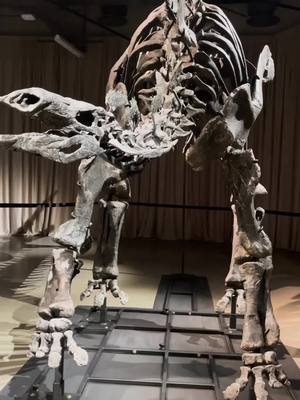
Thought to be the largest and one of the most complete Stegosaurus specimens ever uncovered, Apex will be on view in the Museum’s Kenneth C. Griffin Exploration Atrium starting Sunday, December 8. The 150-milion-year-old fossil will not only be on exhibit but will be studied by researchers in the Museum’s Division of Paleontology under the direction of Macaulay Curator Roger Benson. #museum #nyc #Science #paleontology #dinosaurs
Transcript
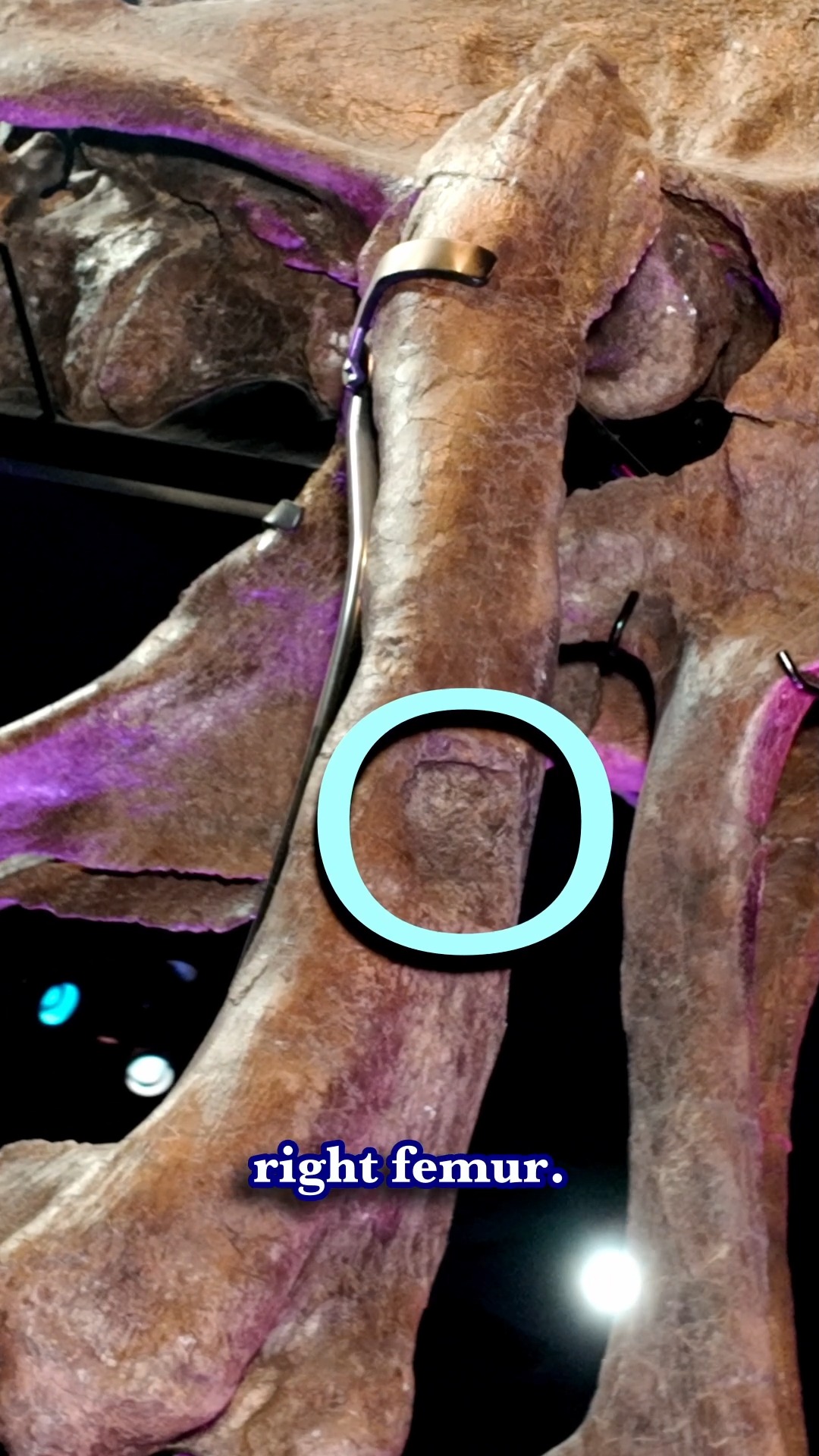
Apex is a large individual of the dinosaur Stegosaurus and it's nearly complete. In fact, it's about 80% complete. And Stegosaurus, although it's a very famous dinosaur, most of the fossil skeletons we have are relatively incomplete and many of the mounted skeletons you see in museums are composite mounts made out of the remains of multiple individuals. Apex died in the Jurassic about a 150,000,000 years ago, and there's little evidence that tier skeleton was disturbed at all before being fossilized. And that's one of the reasons, probably, that it's relatively complete today. We think Apex is quite an good, mature individual of Stegosaurus. Not just because it's really big, but also because there's a high degree of skeletal fusion. And what that means is individual bones of the skeleton that started separate have started to become fused to each better, particularly along the vertebral column and where the vertebral column articulates with the hips. Research is central to everything we do at the museum. There's no point having the fossils if we can't use them to advance our understanding of dinosaurs and the evolution of life on Earth. The skeleton of Apex will be one of the most widely accessible dinosaur skeletons in the world for research purposes, mainly via digital models. In addition to that, we'll continue to hold tier in our permanent collections at the museum, this important sample of the thigh bone of Apex, which tells us how the animal lived and grew. We'll be comparing data from Apex to many other fossil skeletons of Stegosaurus, including important specimens in the AMNH's permanent collection.