Viral Hooks
Trending short videosExplainer video with museum exhibits
N

@naturalhistorymuseum

TikTok · Vlog

@naturalhistorymuseum A great way to learn about long-extinct dinosaurs is to study modern animals that share features. But some animals that seem similar at first glance turn out to be quite different from each other! #stem #paleontology #fossils #dinosaur #naturalhistory #museumtok

View original on TikTok

The edit1 shot · 4 text
Shots Text0:47

Performance

Views
553.5K
Likes
8.4K
Comments
76
Engagement
1.5%
Outlier
3.9×
Length · 15 Nov 2024
0:47

Video #7864 · Vlog

Explainer video with museum exhibitsfrom @naturalhistorymuseum

[01]

Overview

The narrator introduces the Pachycephalosaurus, describing it as the largest bone-headed dinosaur. They explain its features, historical period, and the old theory that it used its dome-shaped skull for head-butting, comparing it to bighorn sheep. The video then debunks this theory with new research and proposes alternative uses for the skull, such as species recognition or flank-butting, similar to modern bison.

[02]

Simple outline

  1. 1Introduce subject with superlative.
  2. 2State a common belief.
  3. 3Invalidate belief with evidence.
  4. 4Provide the corrected theory.

[03]

Related videos

[04]

Classification

Format
Concepts
BreakdownStrange but True
Elements
VoiceoverB-Roll CutawayTitle Text Hook
Account

[05]

Hook analysis

What stops the scroll in the first 3 seconds

Title hook · 35%

PACHYCEPHALOSAURUS WYOMINGENSIS

Verbal hook · 50%

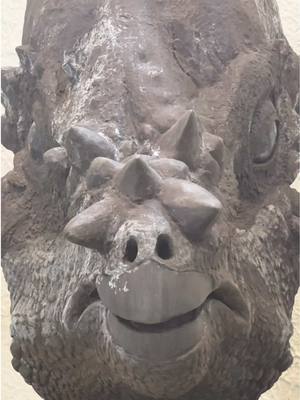
Meet Pachycephalosaurus wyomingensis, the largest bone headed dinosaur ever found.

Visual hook · 15%

An extreme close-up shot of a textured, detailed model of a Pachycephalosaurus head, looking directly into the camera.

[07]

Hook and payoff

The promise the opener makes, and how the video pays it back

Hook

A formal introduction to a subject, immediately establishing its significance with a superlative claim (e.g., 'largest,' 'first,' 'only').

Payoff

The Refined Analogy

[08]

Narrative framework

The structural pattern this video runs on

Framework

The Mythbuster's Reversal

To engage the viewer by presenting a common belief about a subject, scientifically debunking it, and then providing a more accurate, nuanced explanation. This structure leverages the satisfaction of correcting a misconception.

  1. 1

    The Factual Grounding

    Provides essential, non-controversial background information (e.g., time period, classification, origin) to build a foundation of credibility and context.

  2. 2

    The Defining Anomaly

    Isolates and highlights the single most unusual or noteworthy feature of the subject, which will become the central point of the narrative's conflict.

  3. 3

    The Common Misconception

    Introduces a popular, intuitive, but ultimately incorrect explanation for the anomaly, often using a familiar analogy to make it relatable to the audience.

  4. 4

    The Scientific Reversal

    Pivots the narrative by directly refuting the common misconception, citing new evidence or research to create a knowledge gap and suspense.

  5. 5

    The Alternative Hypothesis

    Begins to resolve the conflict by presenting the current, scientifically accepted theory that explains the anomaly in a new way.

Themes

  • scientific discovery
  • evolution
  • paleontology
  • debunking myths

Techniques

  • voiceover narration
  • b-roll footage
  • text overlay

Post caption

A great way to learn about long-extinct dinosaurs is to study modern animals that share features. But some animals that seem similar at first glance turn out to be quite different from each other! #stem #paleontology #fossils #dinosaur #naturalhistory #museumtok

Text overlays

  • title · beginning

    PACHYCEPHALOSAURUS WYOMINGENSIS

  • contextual · middle

    📍 Hall of Ornithischian Dinosaurs

  • contextual · middle

    📍 Hall of North American Mammals

  • contextual · end

    📍 Hall of North American Mammals

Transcript

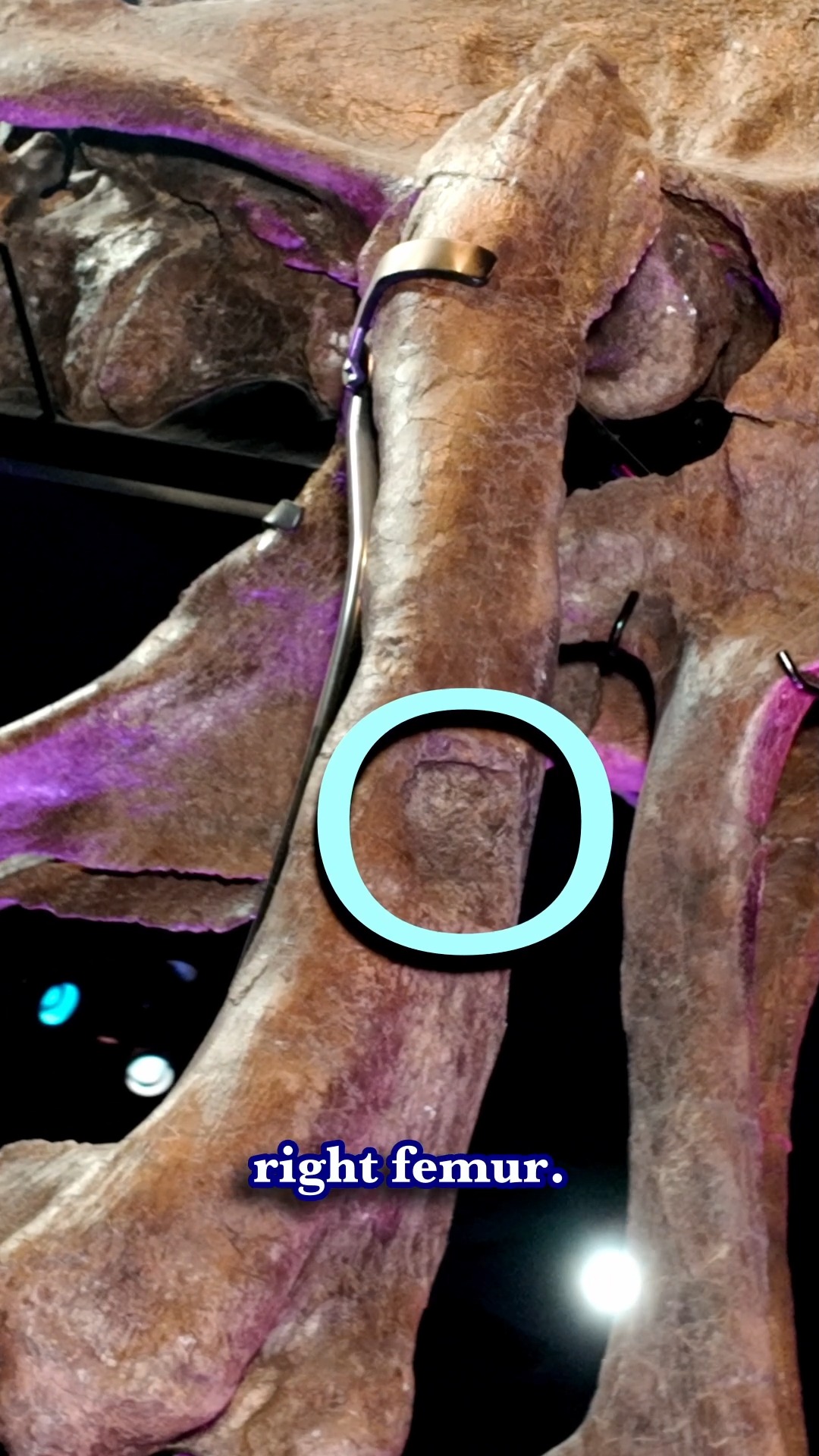
Meet Pachycephalosaurus wyomingensis, the largest bone headed dinosaur ever found. This herbivore lived some sixty six million years ago during the late Cretaceous and is part of the group of dinosaurs known as pachycephalosaurids, which had distinctive heads with high round skulls. Pachycephalosaurus had around 10 inches of bone crowning its brain. Scientists once thought that these dinosaurs yes their dome shaped skulls for head better, not unlike modern day bighorn shape, but research has has since overturned this idea by suggesting the bone was too weak to withstand head on blows. Instead, their distinctive heads may have been used to help members of the same species recognize each other and compete for mates. If males fought with their heads in contests for females, they may have hit opponents on their sides much as modern bison do.