@garrettking.co
Instagram · Greenscreen Talking Head
@garrettking.co this is a reference guide: how to take better pictures with cars (inspired by @orenmeetsworld check his work out)

@garrettking.co
Instagram · Greenscreen Talking Head
@garrettking.co this is a reference guide: how to take better pictures with cars (inspired by @orenmeetsworld check his work out)
Performance
Video #12784 · Greenscreen Talking Head
[01]
The creator provides a rapid-fire reference guide on how to take better pictures using cars as a prop and setting. He presents numerous creative ideas, such as shooting legs getting out of the car, using mirrors for drama, and utilizing headlights for lighting, illustrating each tip with multiple high-fashion and editorial photo examples. He addresses the common objection of not having a "cool" car by showing that any car can be used effectively, and concludes with a call-to-action to save the video for future reference.
[02]
[03]
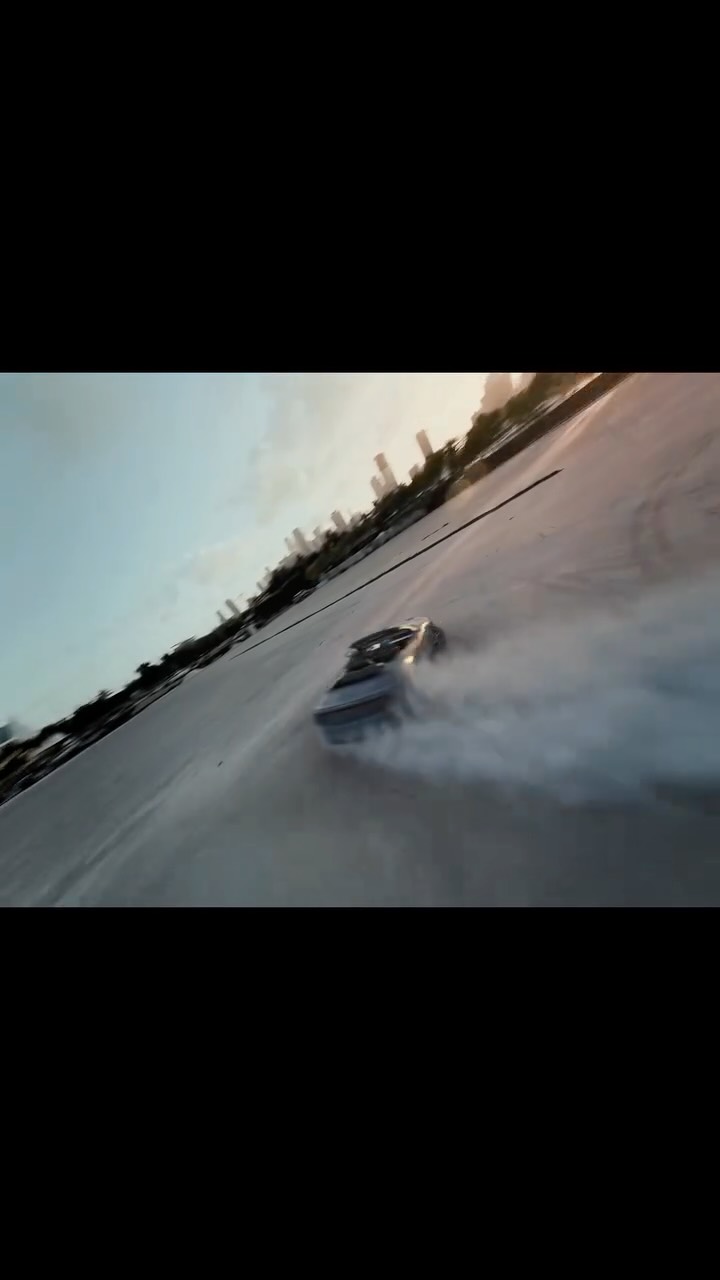 5.3M3.1×Showcasing car videography process@citizen_theartist · Behind The Scenes
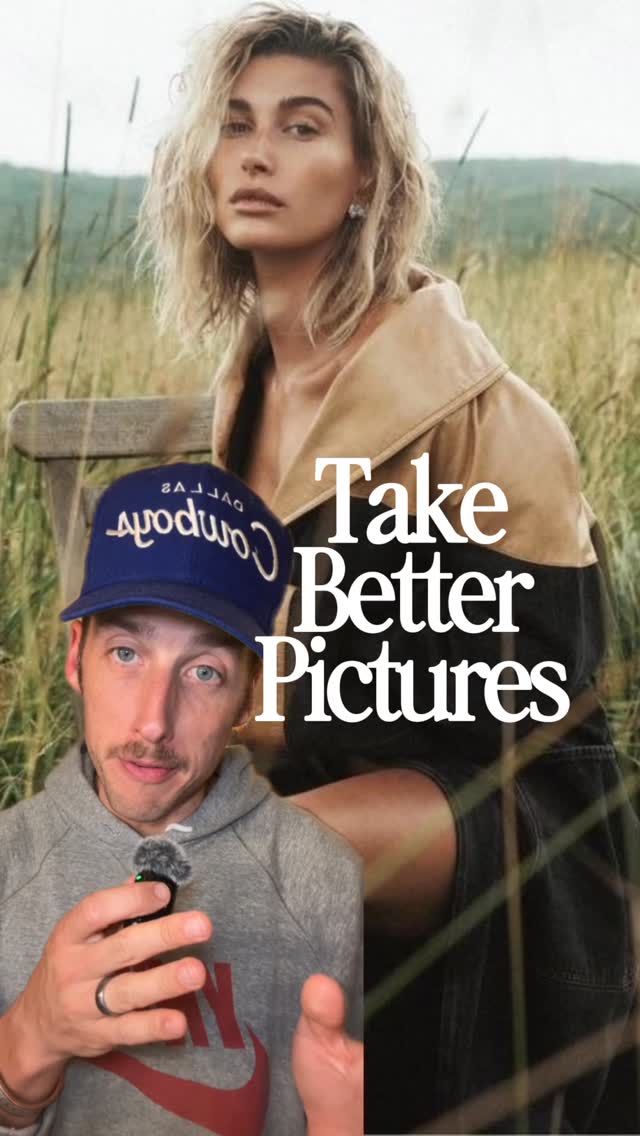 111.8K9.5×Creator narrates over photo examples@garrettking.co · Tutorial / How To
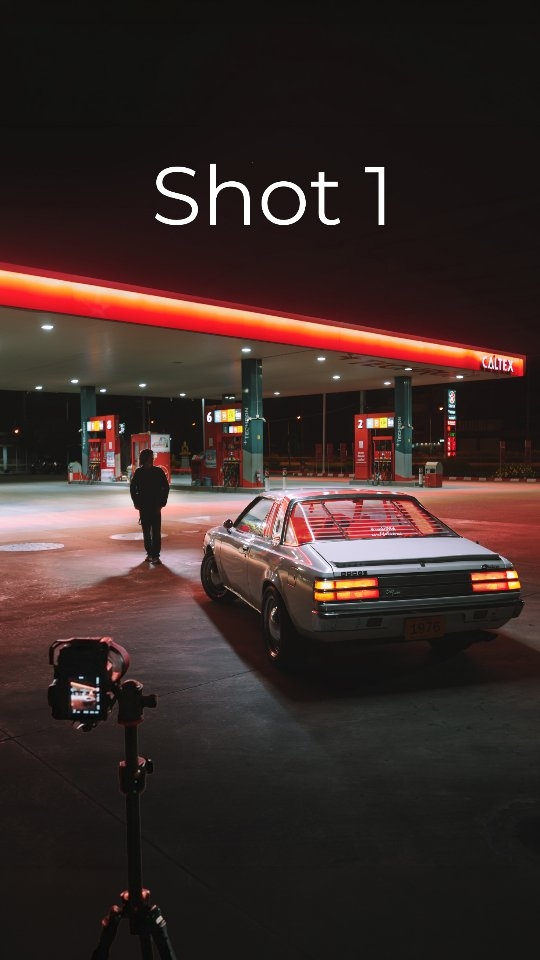 211.9KBehind the scenes car photography@kanbokeh · Behind The Scenes
 1.2M4×Photography tutorial for partners taking photos@omgadrian · Buying List
 367.6K36.6×Do this not that video tips@ugc.withrach · Good vs Bad
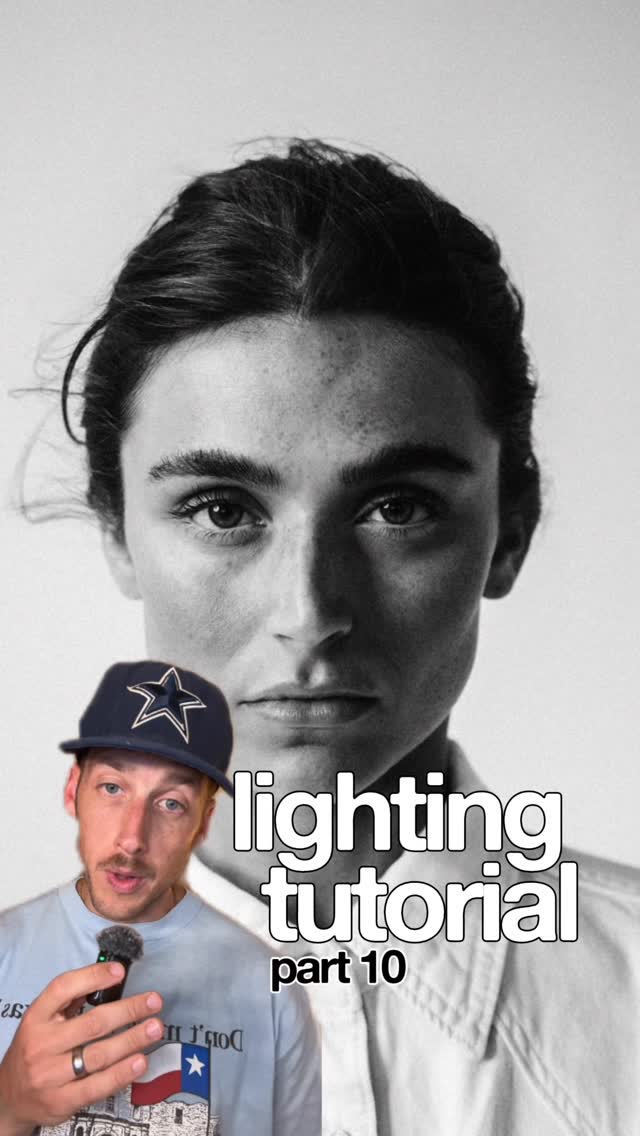 197.6K9.6×Explains photo lighting setup@garrettking.co · Tutorial / How To
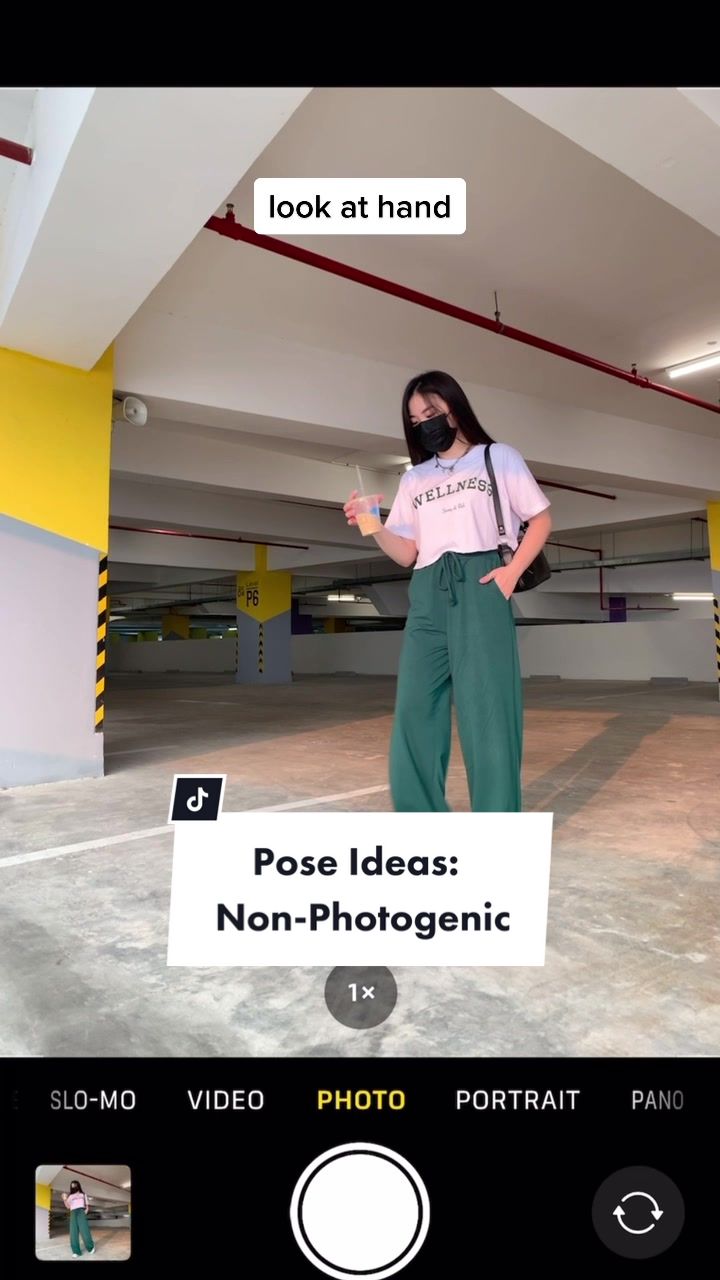 55.2M61.1×Four solo photo poses for people who feel non-photogenic@mmivia · Tutorial / How To
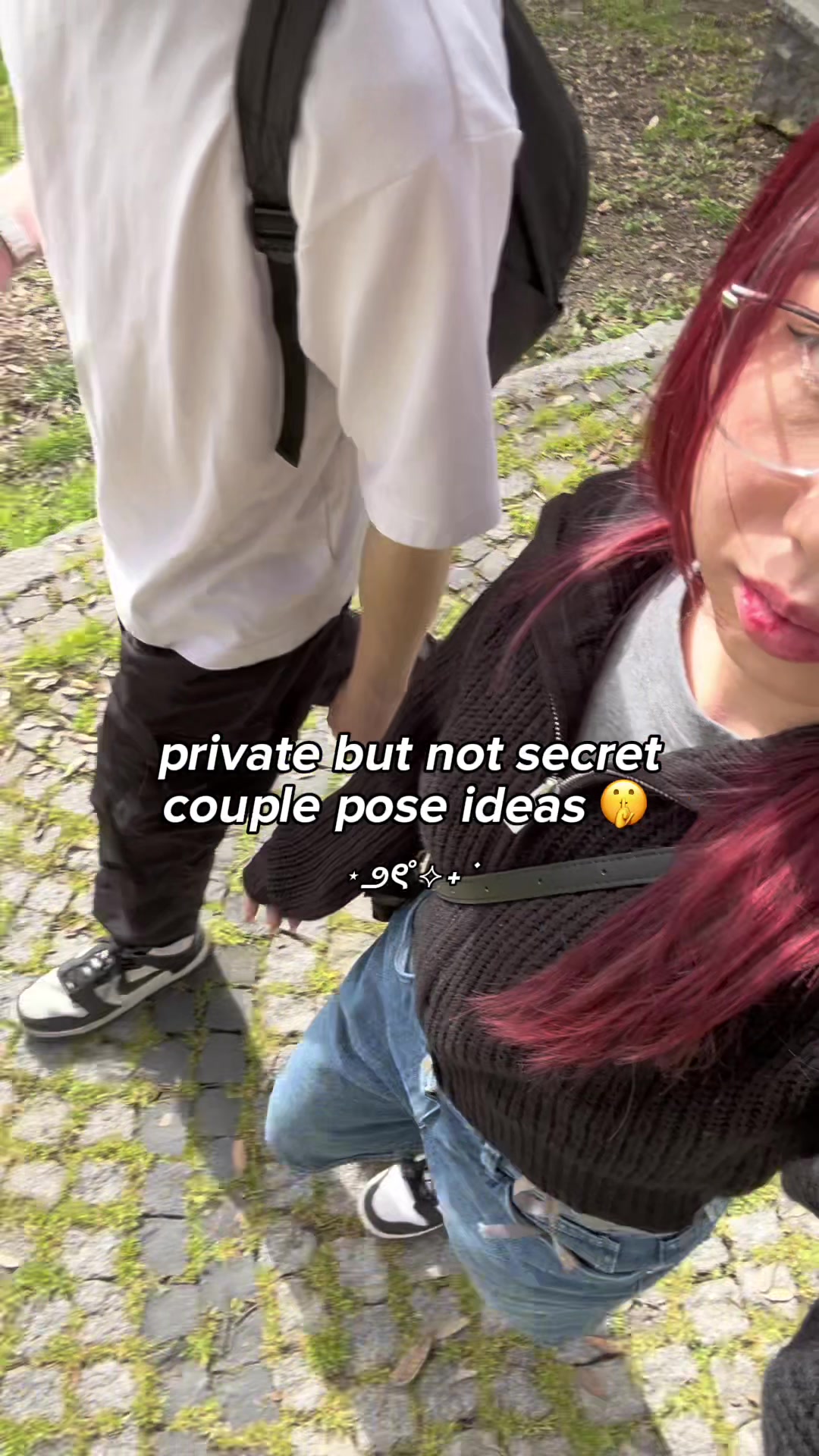 4.8M5.3×Four creative couple photo pose ideas that hide faces@mmivia · Tutorial / How To
 2.4M29.7×Boyfriend guide to candid photography@omgadrian · Tutorial / How To
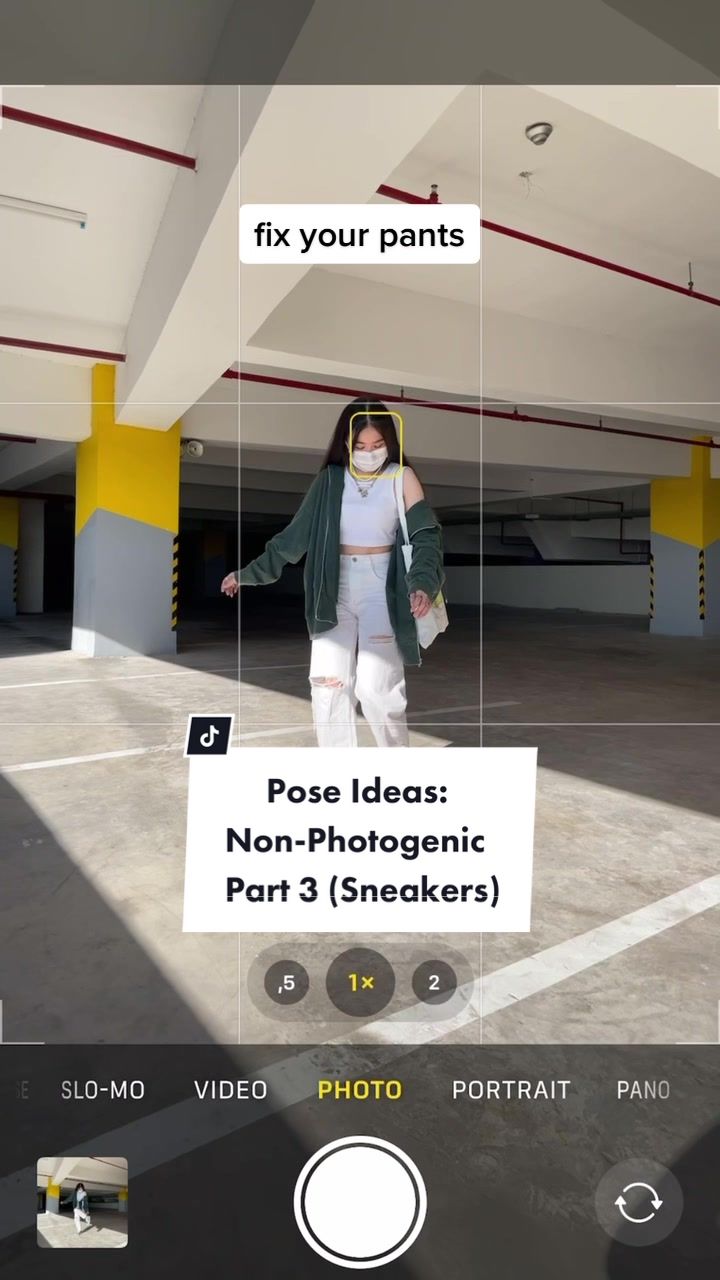 10.6M11.7×Easy sneaker photo pose ideas for non-photogenic people@mmivia · Tutorial / How To
 58.1KCinematic video production step-by-step@johnbucog · Breakdown
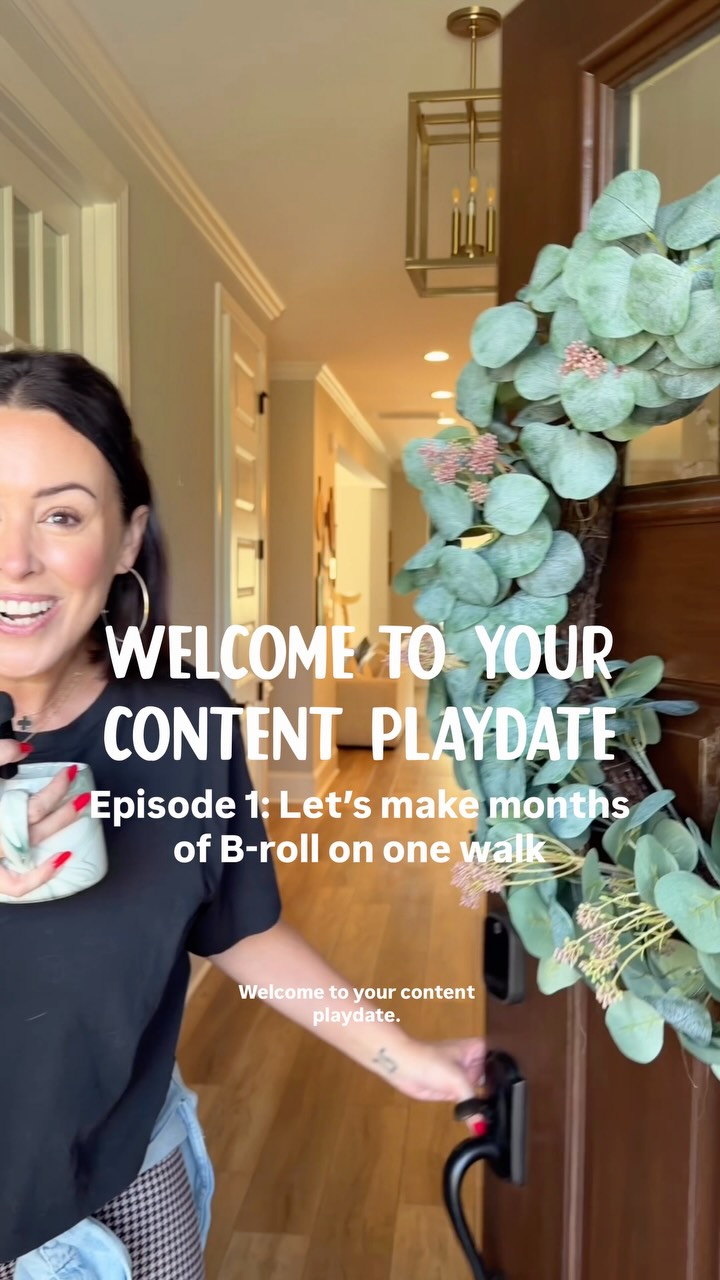 547.7K12.7×Creator teaches five B-roll shots@shannonmckinstrie · Tutorial / How To
[04]
[05]
What stops the scroll in the first 3 seconds
Title hook · 50%
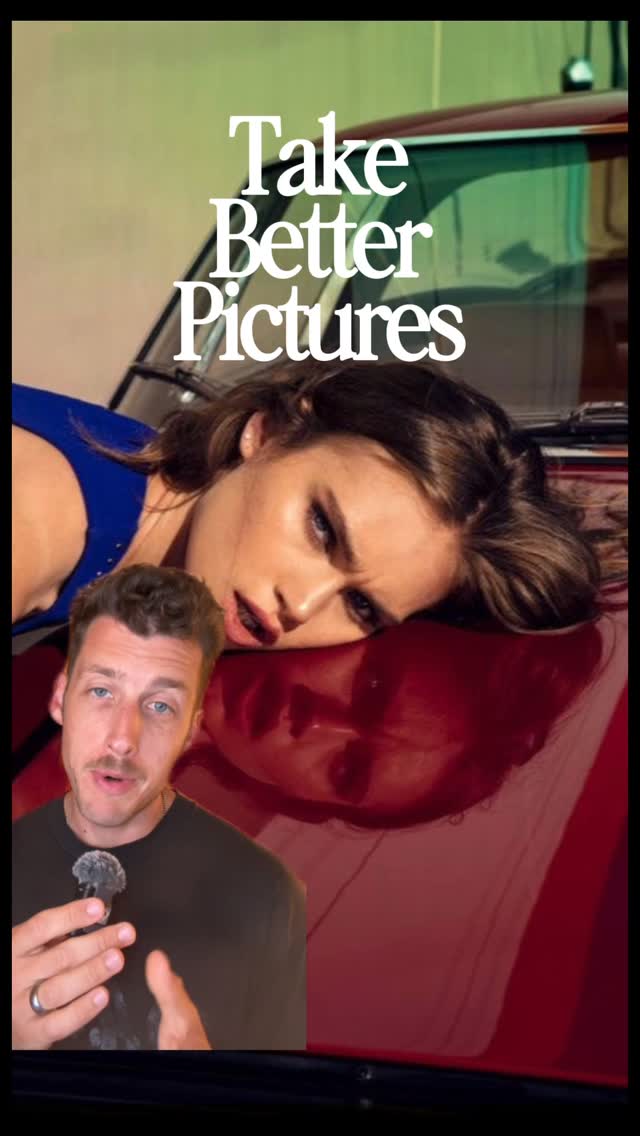
Take Better Pictures
Verbal hook · 40%
This is a reference guide, how to take better pictures with cars.
Visual hook · 10%
A stylized, high-fashion photo of a woman lying on the hood of a red car serves as the background, with the creator speaking from a smaller picture-in-picture box in the foreground.
[06]
Steal this for your own video
Better: Tricks (Save This)
[07]
The promise the opener makes, and how the video pays it back
Hook
A direct statement of the video's value proposition, promising a 'reference guide' to master a specific skill.
Payoff
A two-part call to action that first empowers the viewer to act on the advice ('go get them') and then immediately follows with a retention-focused command ('bookmark this video') framed with a playful sense of urgency.
[08]
The structural pattern this video runs on
Framework
The Expert's Playbook Framework
To present a curated list of actionable techniques for a specific skill, framed as an insider's guide. The structure builds authority by showcasing aspirational examples, then makes the advice accessible by preemptively solving the audience's main objection.
The Thesis Statement
Clearly states the topic and promises to deliver the 'best ideas,' establishing the creator as an expert guide.
The Rapid-Fire Showcase
Presents a series of distinct techniques in quick succession, each following a micro-pattern to deliver maximum value in minimum time.
The Authority Anchor
Validates a technique by associating it with a high-status brand, person, or publication, lending credibility to the advice.
The 'Master Key' Reveal
Isolates and elevates one specific technique as the most powerful or 'magical,' creating a focal point and a mini-climax in the list.
The Personal Endorsement
Reinforces the 'Master Key' technique by showcasing a personal success story or favorite example, building trust and authenticity.
The Objection Pre-buttal
Anticipates and dismantles the most common audience excuse or barrier to entry (e.g., 'I don't have the right equipment/resources').
The Universal Proof
Demonstrates that the techniques are accessible to anyone by showing examples that don't rely on expensive or exclusive resources, proving the previous beat's point.
this is a reference guide: how to take better pictures with cars (inspired by @orenmeetsworld check his work out)
title · beginning
Take Better Pictures
contextual · middle
getting out of the car
contextual · middle
use headlights as a spotlight
contextual · middle
use the trunk
call-to-action · end
bookmark this dang video
This is a reference good, how to take better pictures with cars. The car is an incredible tool to make great images, and here are all my best ideas. Shoot your subject's legs better out of the car. It conveys mystery. Put your subject on top of the car. It conveys rebellion. Use mirrors to create visual drama, but pro tip, bring a zoom lens. Fill up the tank. Cindy Crawford pumps her own gas in her editorials. For what it's worth, I've shot that a couple of times. Use headlights as a spotlight. That top shot, it was in vogue. Or flip them and use it as ambient light. This is the peak use case for a diffusion filter. Use the window frame for an interesting angle or play with the angles of a door frame. Sit in the back bad and shoot forward, whether it's people in the front row or through the windshield. This one's mine, and I think it turned out great. Use the trunk to your advantage better on it or in it. If it's good enough for an Alexander Wayne campaign, it's probably good enough for you and me. But listen up. Possibly tier most gangster territory of all this is coincidentally the bane of the family road trip. Yep. The back seat. It is magical. This photo right here is one of my favorites I've ever shot. Shoot it with flash, shoot it with natural light, doesn't matter. Use the front seats to obscure part of the frame. Shoot it through the back windshield. You name it. There's so many options. Some of you may be thinking, I don't have a cool car. In PSA, it doesn't matter if you have a cool car. Here's what I mean. Does your car have a door and a windshield? You could shoot these. Does your car have a window and a mirror? You could shoot these. Now go get tier. Shoot something awesome. But before you do, bookmark this dang video. Otherwise, you may be cursed to a lifetime of not taking bad photos with cars. Later.