@chiosse
Instagram · Talking Head Edit
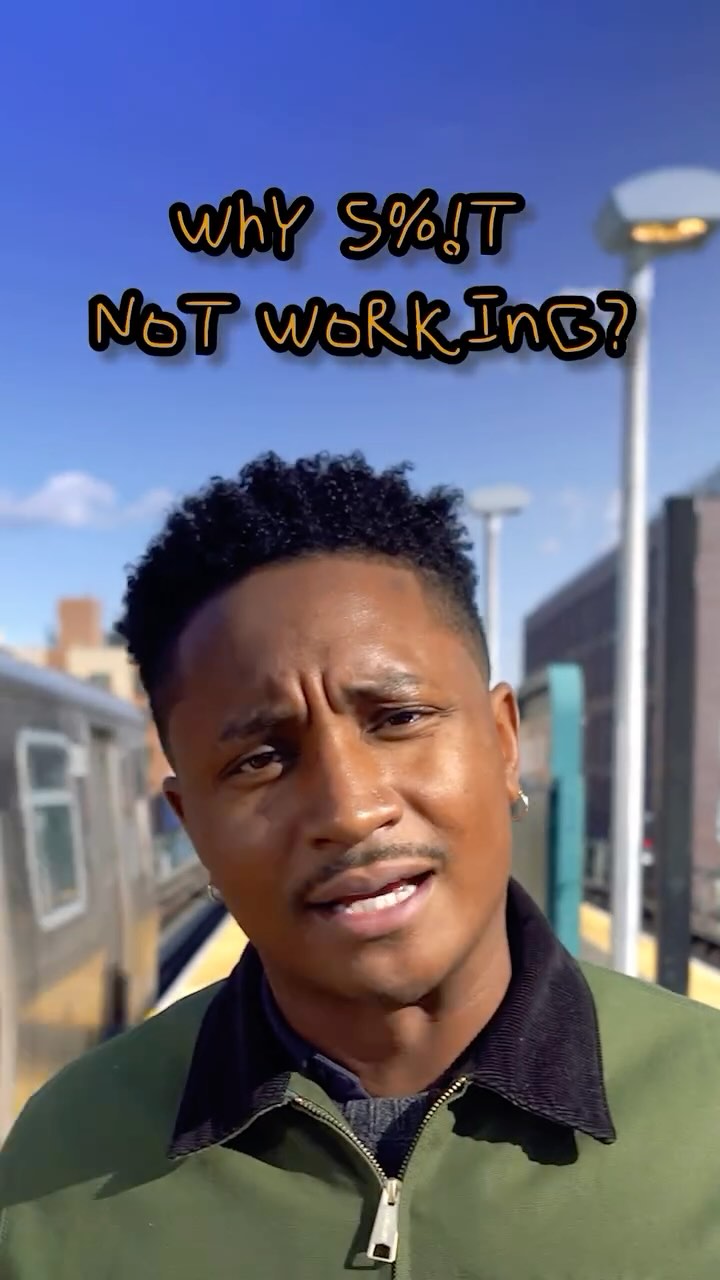
@chiosse WHY SHIT NOT WORKING: EPISODE 2

@chiosse
Instagram · Talking Head Edit
@chiosse WHY SHIT NOT WORKING: EPISODE 2
Performance
Video #15150 · Talking Head Edit
[01]
The creator, a NYC councilmember, explains why it's so difficult to build new transit infrastructure like the Interborough Express. He breaks down the systemic issues, including the lengthy planning phase, the excessive veto power of local politicians and unelected community boards, and the abuse of the environmental review process. He concludes by arguing that these bureaucratic systems, intended for protection, now cause harm by delaying progress and calls for cutting red tape to start building again.
[02]
[03]
 1.2M7.4×Politician explains subway cost inefficiencies@chiosse · Advocacy Explainer
 271.9K885.6×Architect critiques modern city buildings@mwmoedinger1 · Breakdown
 2MComedic skit on bad freeway design@aka__vinnie · Skit
 167K23.9×News breakdown of stadium development@dominyckb · Opportunity Explainer
 408.6K2×Creator critiques public transit design@ryanselvy · Good vs Bad
 106.2K1.4×Asking San Diego residents problems@sandiegotalks · Question Montage
 1.5MComedic skit about city design@aka__vinnie · Skit
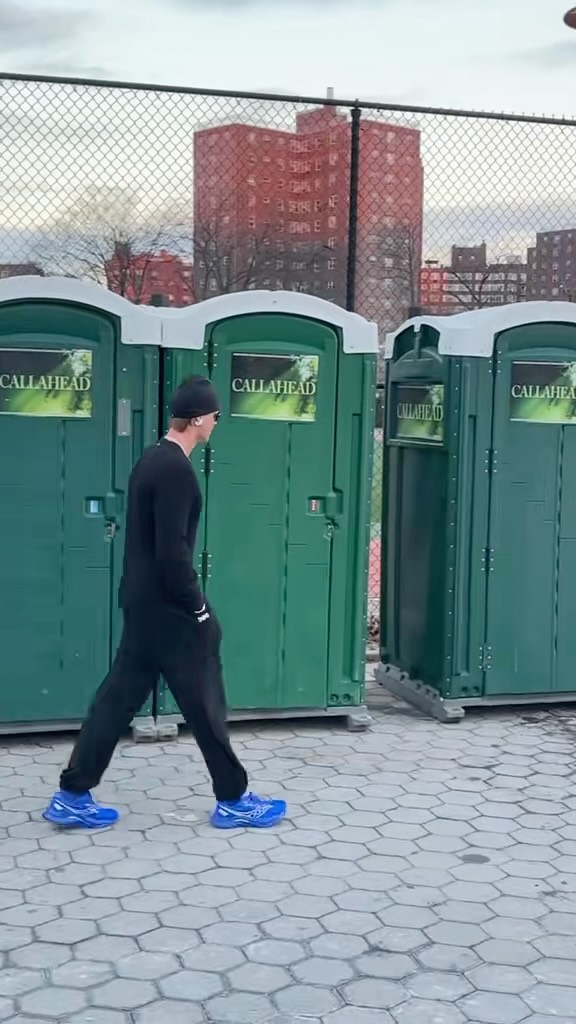 614K7.3×Brand solves a niche community problem@marcusmilione · Brand Manifesto
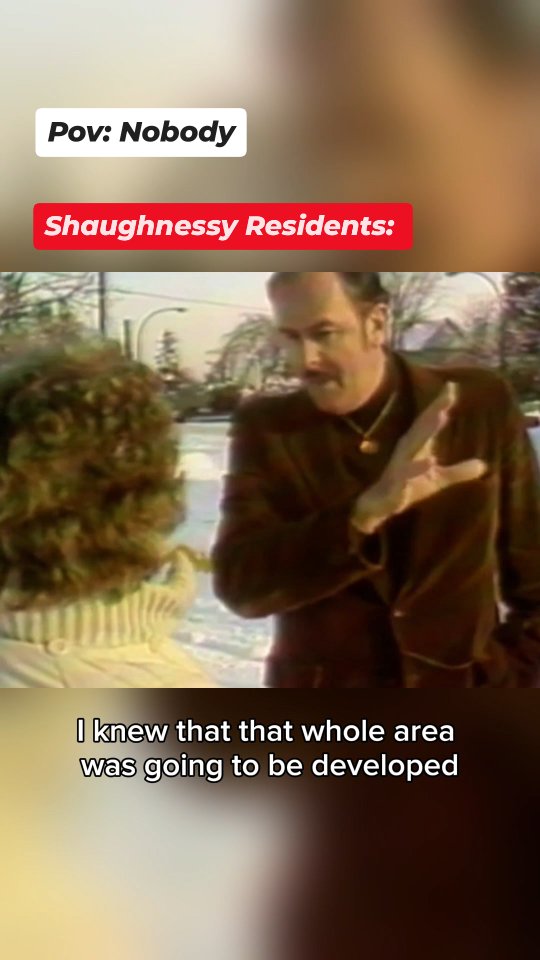 146.1K5.2×Vintage news clip of neighborhood argument@uncouver_ · Candid Conflict
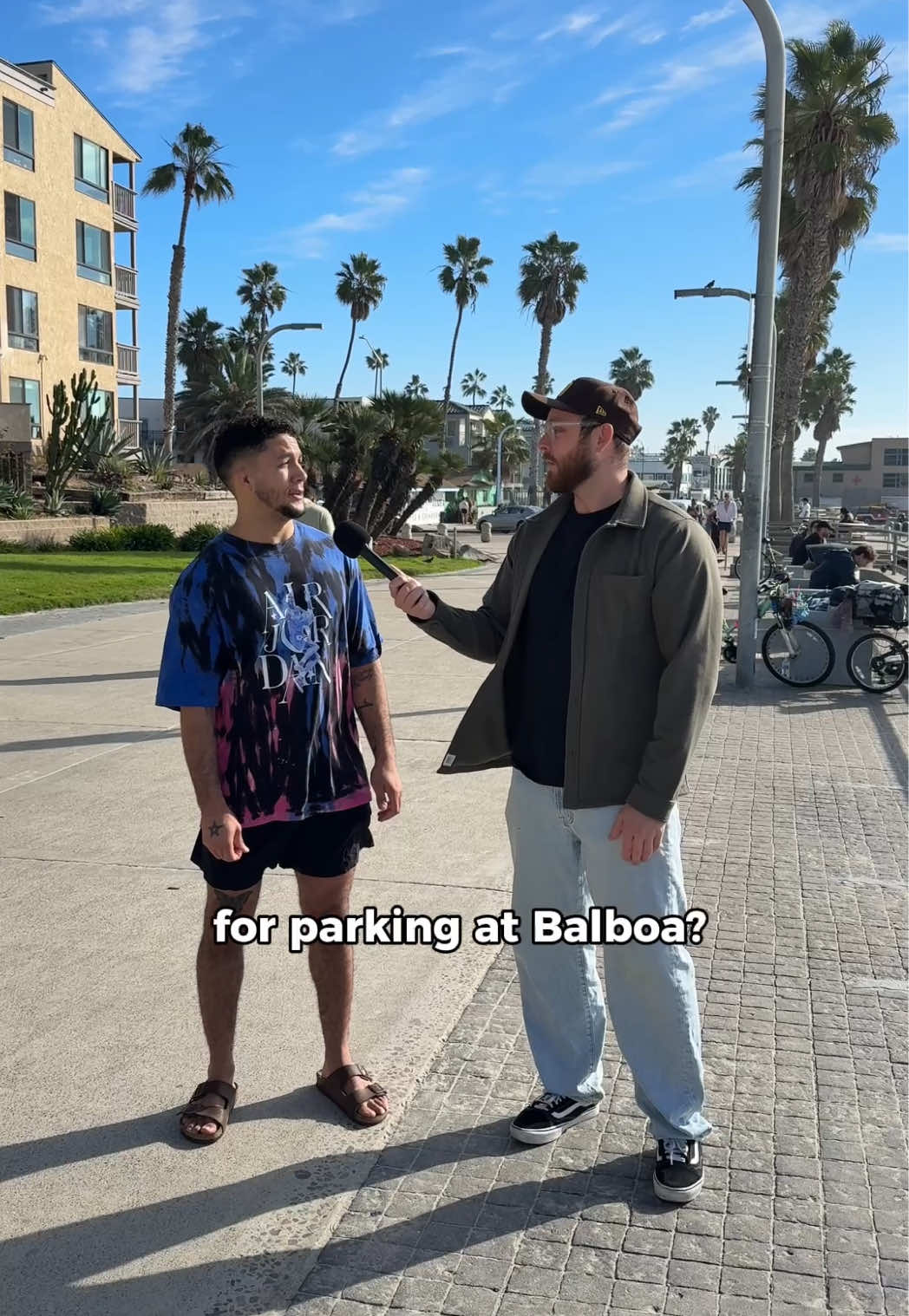 90.9K1.3×Asking San Diegans about parking@sandiegotalks · Question Montage
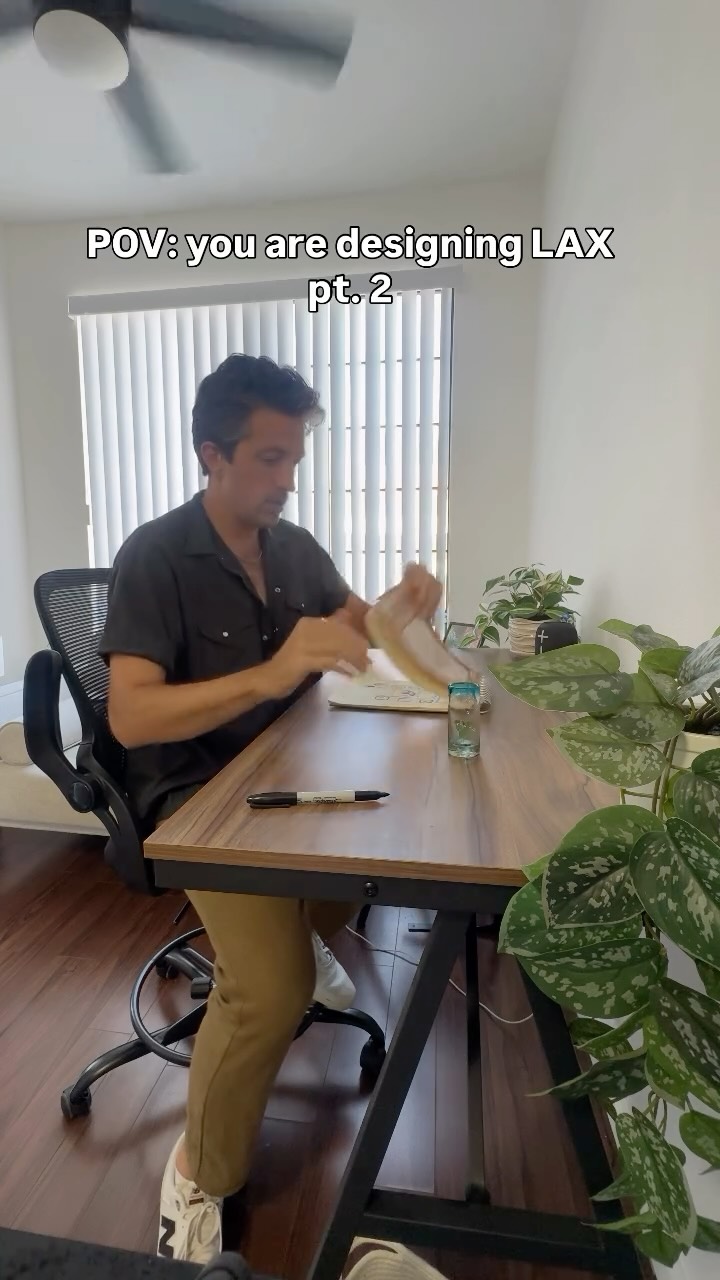 474KComedic skit designing terrible airport@aka__vinnie · Skit
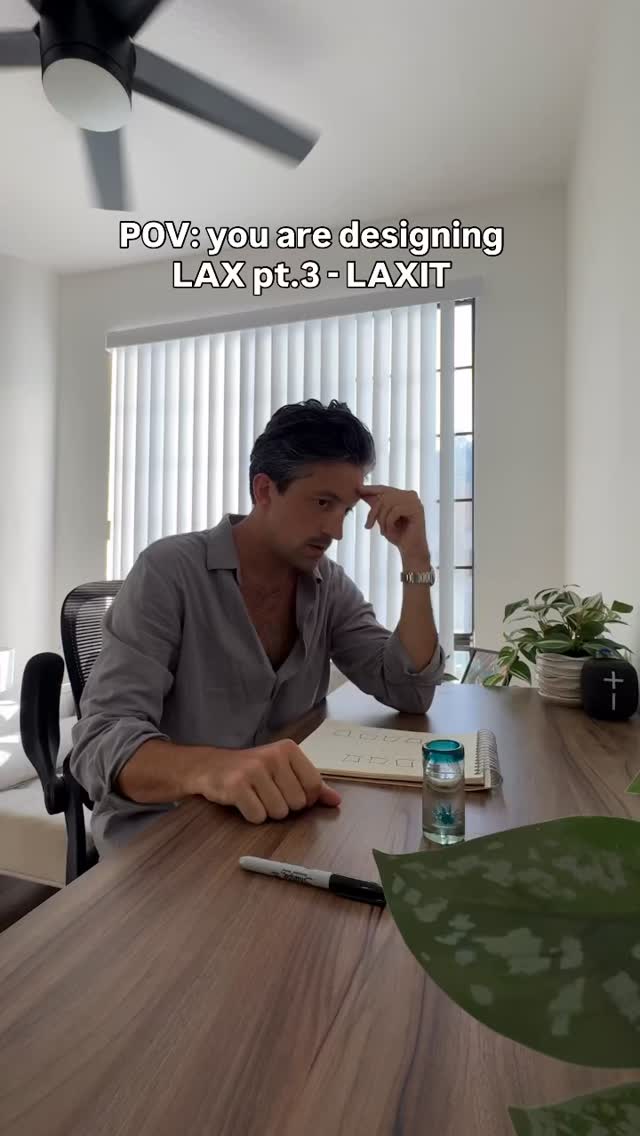 473.7KSatirical airport design process explanation@aka__vinnie · Satirical Advice
[04]
[05]
What stops the scroll in the first 3 seconds
Title hook · 45%
Why is it so hard
Verbal hook · 50%
Why is it so hard to get between New York's two only connected boroughs?
Visual hook · 5%
An establishing shot of an elevated train platform at Broadway Junction in New York City, immediately setting the scene and topic of urban public transit.
[06]
Steal this for your own video
Why is it so hard to build in — and who's actually blocking it?
[07]
The promise the opener makes, and how the video pays it back
Hook
The Hyper-Local Problem Hook: Poses a direct, relatable question about a specific, shared frustration to immediately ground the viewer in the problem's context.
Payoff
The Cathartic Call to Action & Moral Stake: Delivers a powerful, visually symbolic resolution and reframes the entire issue in terms of a larger moral or existential cost, leaving the viewer with a sense of urgency and a clear takeaway.
[08]
The structural pattern this video runs on
Framework
The Systemic Failure Takedown
To expose a systemic failure by presenting a simple, relatable problem, revealing an obvious solution, and then methodically deconstructing the bureaucratic or systemic forces that prevent its implementation, culminating in a cathartic call to action.
The 'Obvious Solution' Reveal
Introduces a simple, elegant, and highly desirable solution to the initial problem, creating audience buy-in and setting up the expectation of progress.
The Frustration Pivot
Reveals that the 'obvious solution' is stalled or blocked, introducing the central conflict and shifting the narrative from 'how to solve this' to 'why isn't this solved?'
The Historical Precedent Proof
Validates the current frustration by citing a well-known past failure of the same system, establishing a pattern of incompetence and raising the stakes.
The Abstract Diagnosis
Broadens the scope from the specific example to a general thesis about the entire system being fundamentally flawed or designed to fail.
The Culprit Breakdown
Deconstructs the abstract systemic failure into a list of specific, identifiable actors or processes (e.g., regulations, committees, political roles), giving the audience clear targets for their frustration.
The Paradox of Protection
Articulates the core irony of the situation—that the systems originally designed to protect or help are now the primary source of harm or delay.
WHY SHIT NOT WORKING: EPISODE 2
title · beginning
Why is it so hard to get between New York's two only connected boroughs?
informational · beginning
There's no reliable transit route that doesn't involve several bus transfers or several hours in a car.
contextual · beginning
It's called the Interborough Express.
informational · beginning
The plan was announced 3 years ago
informational · middle
But we're stuck in the planning phase, which could take forever.
informational · middle
officially called "pre-planning" took 15 $&*#-ing years.
branding · middle
WHY S%!T NOT WORKING?
informational · middle
local politicians like me have too much power to veto and not enough power to build.
informational · middle
Community boards are a couple dozen unelected people who cover zones of 200,000 residents.
call-to-action · end
It's past time to start cutting miles of red tape and start building again!
Why is it so hard to get between New York's two only connected boroughs? There's no reliable transit route that doesn't involve several bus transfers or several hours in a car. There's a plan to build a train line to fix that. It's called the Interborough Express. The route would use old existing train tracks to create a new commuter line that would take just forty minutes end to end. The plan was announced three years ago. If this were Japan or Europe, it would be done by no. But we're stuck in the planning phase, which could take forever. We know that because we were supposed to have a second avenue subway years ago. But the phase, officially called preplanning, took fifteen years. So why does it officially called preplanning, tier fifteen years. So why does it take no long to build new lines even when tracks are already late? I'm New York City Council better Chiyo Se, and welcome back to my new series, why good not working? Well, we already know that our system is designed to delay, delay, delay. It would take forever to explain why this process takes forever. The system has countless opportunities for people to slow it down. For example, local politicians like me have too much power to veto and not enough power to build. Community boards are a couple dozen unelected people who cover zones of 200,000 residents, and they're allowed to veto and delay projects constantly. And the environmental review process was born decades ago to predict and avoid environmental harm. But today, it's often used by bad faith actors that kill projects they don't like. Community input is necessary, and so is protecting the environment. But when we delay a rapid transit route between Brooklyn and Queens, or across Harlem and down the Best Side for millions of people, it's clear the process designed to protect us is hurting us instead. We've created these systems prevent bad things from happening, but they've gotten so bloated they prevent anything from happening. It's past time to start cutting miles of red tape and start building again. When you realize we've pumped an extra couple million tons of carbon while waiting for the green light to build green infrastructure, you start to see why good not working.