@frontoffice.co
TikTok · Talking Head Edit
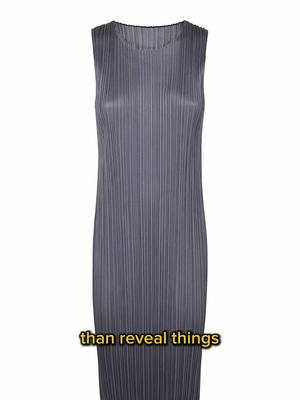
@frontoffice.co How do you design clothes that Japanese people like?

@frontoffice.co
TikTok · Talking Head Edit
@frontoffice.co How do you design clothes that Japanese people like?
Performance
Video #8165 · Talking Head Edit
[01]
The creator explains the core principles of Japanese aesthetics and how they apply to fashion design. He contrasts them with Western ideals of perfection and durability, then breaks down Japanese aesthetics into four main themes based on the work of scholar Donald Keene: suggestion, irregularity, simplicity, and perishability, using B-roll of fashion and art to illustrate each concept.
[02]
[03]
 596.2K1.9×Cultural fashion exchange explained@frontoffice.co · Breakdown
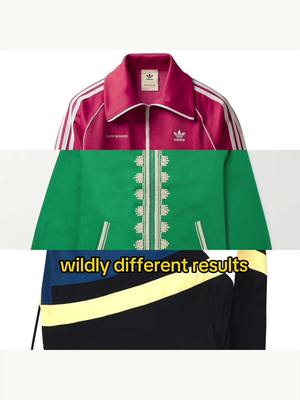 770.1K1.7×Comparing three designers' jacket interpretations@frontoffice.co · Case Study Breakdown
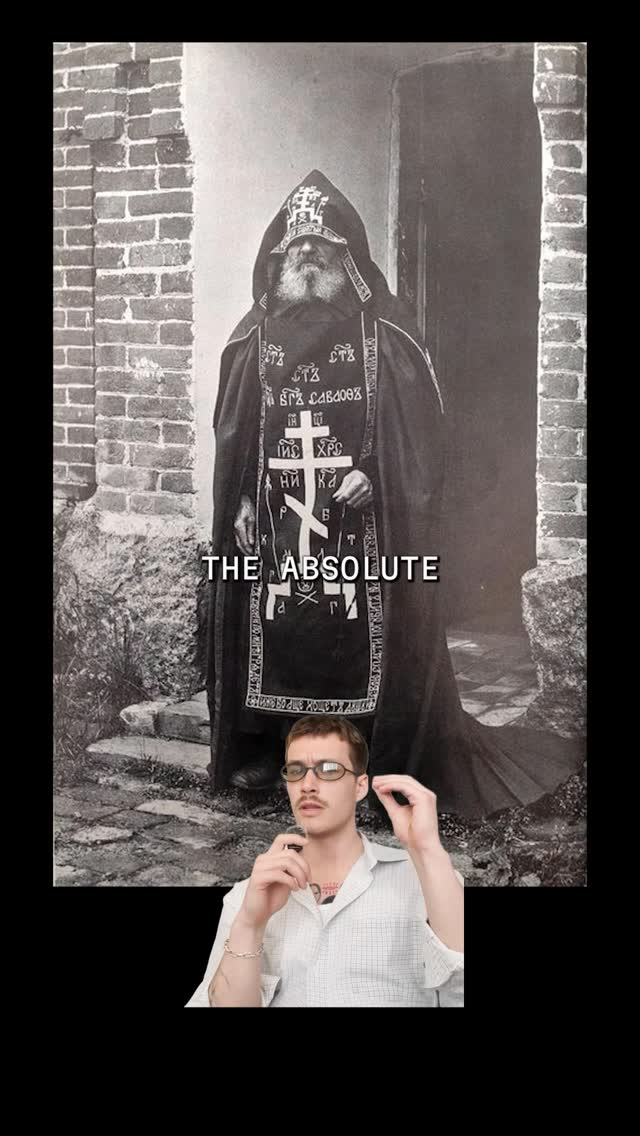 552.7K20.6×Explaining an obscure aesthetic's origin@fakeplasticbrands · Breakdown
 788.3K1.9×Comparing royal dress codes' cultural meanings@frontoffice.co · Breakdown
 239.7K12.6×Contrasting a creator's look and work@var.aunevik · Case Study Breakdown
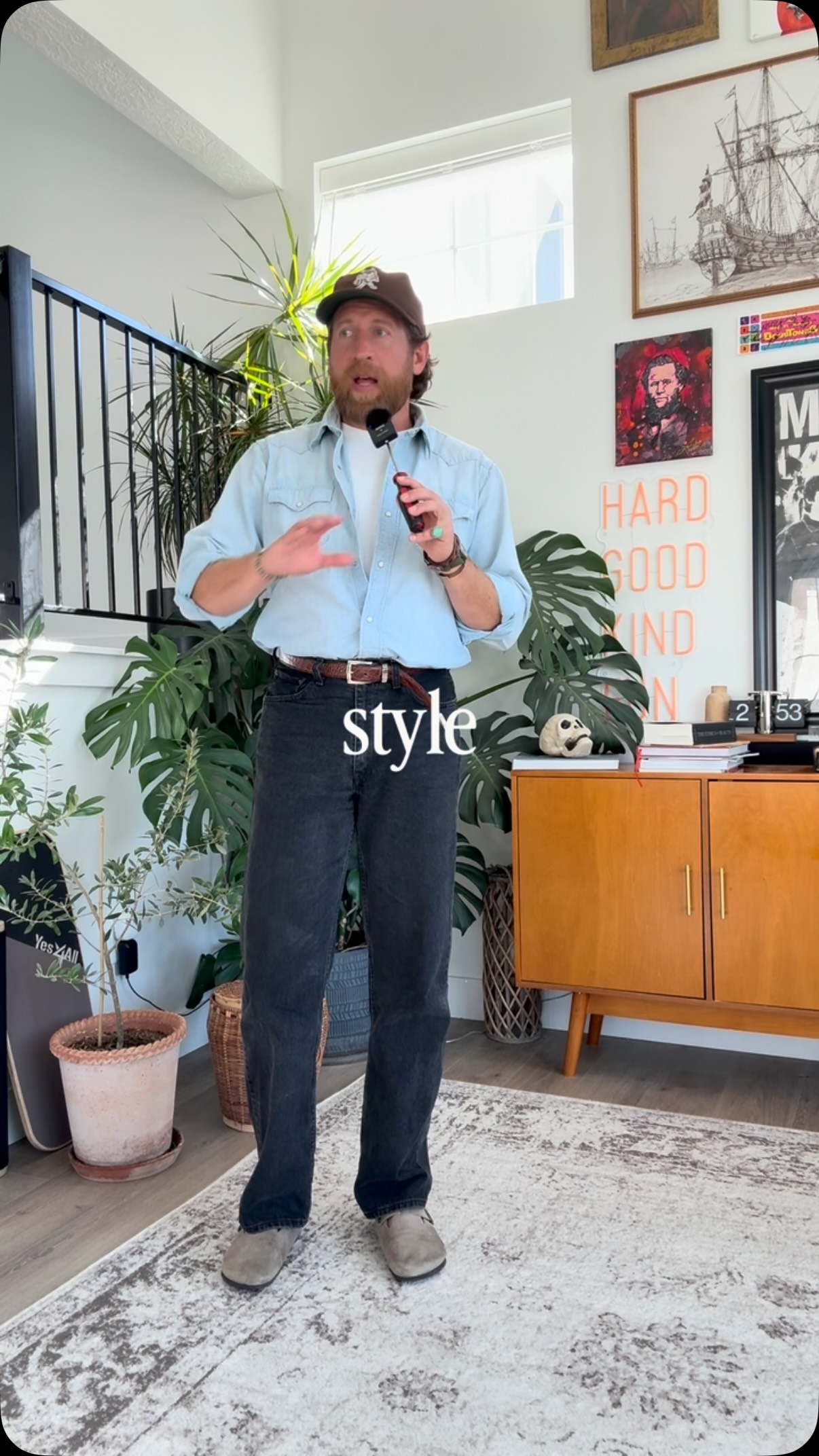 155.9KDemonstrates good vs bad styling@tannerguzy · Good vs Bad
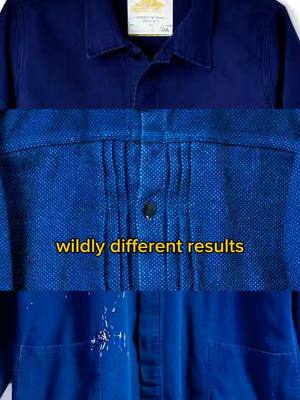 791.9K1.9×Three designers reinterpret one jacket@frontoffice.co · Case Study Breakdown
 909.7K1.9×Comparing three takes on one jacket@frontoffice.co · Case Study Breakdown
 499.1K145.7×Historical breakdown of streetwear origins@henrythekid · Culture Profile
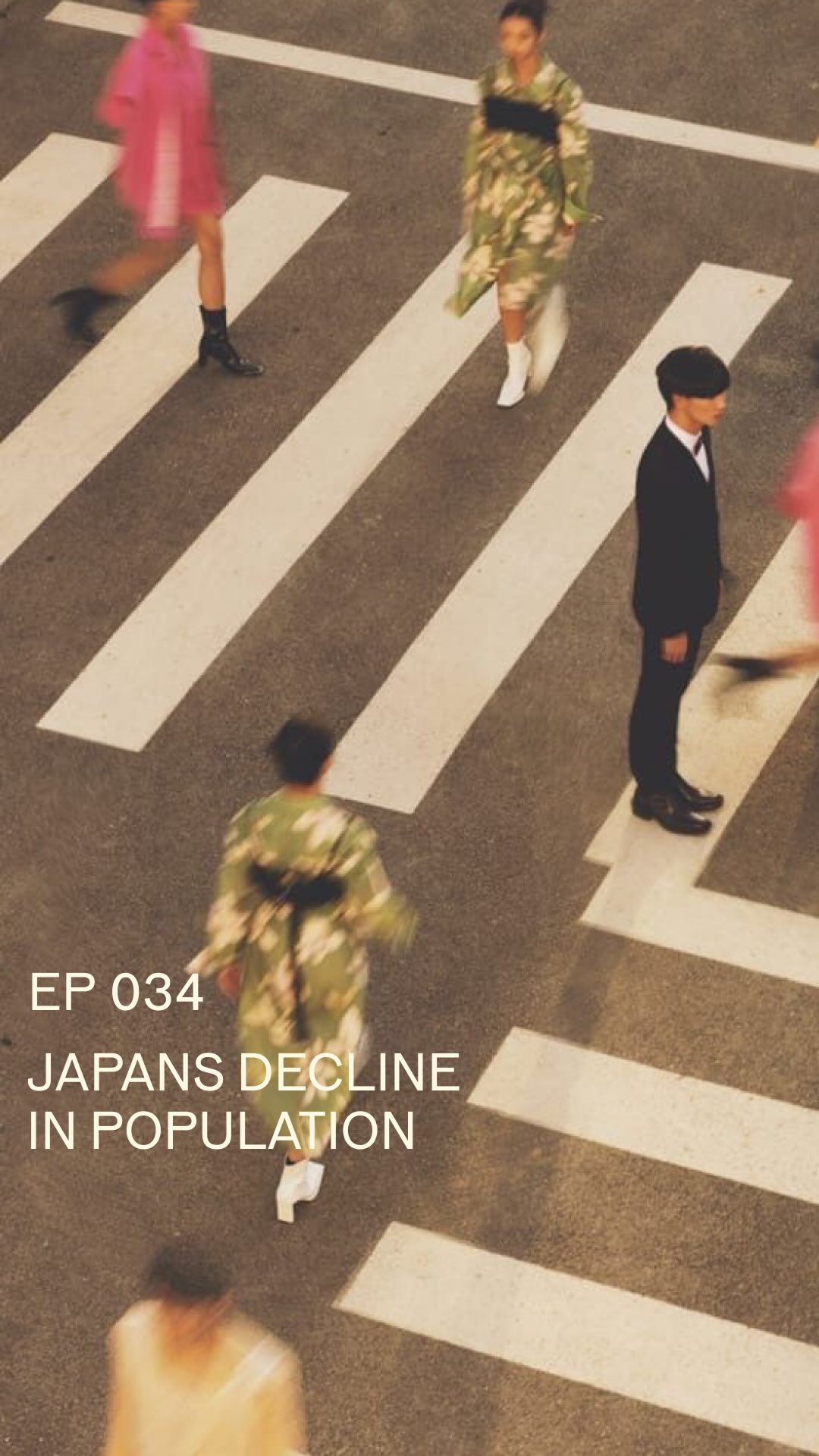 1M3.6×How demographics are changing fashion@sakata.ken · Explainer
 366.4K17.6×Creator commentary on fashion show@johnmvilla2 · Breakdown
 326.2K17.8×Defining good taste through comfort@clayton.chambrs · Breakdown
[04]
[05]
What stops the scroll in the first 3 seconds
Title hook · 35%
so how do you Japanese people?
Verbal hook · 60%
So how do you design clothes for Japanese people?
Visual hook · 5%
A medium close-up shot of the speaker looking directly at the camera, establishing a direct and personal connection with the viewer.
[06]
Steal this for your own video
So how do you for without losing what makes it ?
[07]
The promise the opener makes, and how the video pays it back
Hook
Pose a specific, intriguing question about a niche topic, highlighting a common point of failure or misunderstanding to create an immediate knowledge gap for the viewer.
Payoff
Conclude by contextualizing the niche principles, explaining their universal appeal beyond their origin, and adding a nuanced disclaimer to demonstrate sophisticated understanding and preempt criticism.
[08]
The structural pattern this video runs on
Framework
The Expert Deconstruction
Answering a complex cultural or niche question by breaking it down into a digestible, numbered list of core principles, framed by an expert's authority and illustrated with concrete examples.
The Foundational Contrast
Establish a clear binary opposition between a familiar, mainstream approach (Western aesthetics) and the niche approach being explained (Japanese aesthetics), setting up the core intellectual tension.
The Authority Frame
Introduce an external source of authority (an expert, a study, a book) to validate the upcoming explanation and provide a clear, structured framework (e.g., 'four main themes') that signals a clear path for the viewer.
The Principle Breakdown
Systematically present each item in the numbered list, applying a consistent micro-pattern to each principle to create a predictable and satisfying rhythm for information delivery.
How do you design clothes that Japanese people like?
informational · middle
the first is SUGGESTION
informational · middle
the second theme is IRREGULARITY
informational · end
the third concept is SIMPLICITY
informational · end
it's PERISHABILITY
So how do you design clothes for Japanese people? Lots of better fashion brands try to make in Japan and don't get anywhere. So is there a specific Japanese fashion taste? What does that look like? What does that feel like? Western aesthetics, like contrast, balance, symmetry, composition, golden ratios. Japanese aesthetics, wildly different. For rank of a better tier, Japanese aesthetics are vibe best, almost deliberately mysterious, which makes it quite difficult to understand rank quite difficult to even talk about. I've been reading a lot of Donald Kean who's a scholar in Japanese aesthetics, how he tries his best to condense all these, like, wild abstract concepts into four main themes. The first is suggestion. No not to be too obvious, but to practice some sort of restraint, and that results in muted colors, monochrome colors. When it comes to silhouettes, it's forms that suggest things rather than reveal things. The second theme is irregularity. But really, it's more about how perfect things are really unappealing. If something is uniform and perfect, it doesn't encourage you to participate in it because you'll have a very human anxiety that you'll mess it up. And how that comes about in fashion is that things are asymmetrical. Things have an uneven texture. Third concept is simplicity and it's to present things as they are without over covers or decorations. And being simple doesn't mean being cheap. For instance, for a coat is to display a very expensive fabric as plainly as possible no people can understand it for its natural expensive properties without being distracted by decoration. And the fourth is very Japanese, it's perishability. And it really is the opposite to this better ideal of durability. And that's the sabi in wabi sabi. Designer or the artist deliberately gives you something that is perishable, that will rot, that will deteriorate. And that comes out in clothing design as things that fade, natural dyes, things that have a patina. And that explains the type of clothes that are really popular here. And these things are obviously generalizations. Like better country is full of contradictions. This is the same country that has the robot cafe. But these Japanese aesthetics, these Japanese tastes have endured for centuries. And the reason why they keep recurring is that they resonate with what people find to be important here. Rank, of course, this has an opposite effect as well. You don't need to be Japanese to enjoy these things. Like, anyone can enjoy this design language if it reflects their specific worse view.