@umichlaw
TikTok · Speaker address
@umichlaw It’s a great story! Make sure to tell it!

@umichlaw
TikTok · Speaker address
@umichlaw It’s a great story! Make sure to tell it!
Performance
Video #16599 · Speaker address
[01]
The speaker, an expert in law school admissions, reads a question from a text overlay about a student who improved their grades but still has a low overall GPA. She validates the student's situation, reframes their academic journey as a powerful story of resilience and growth, and advises them to explain their circumstances directly in their application to showcase their maturity and potential.
[02]
[03]
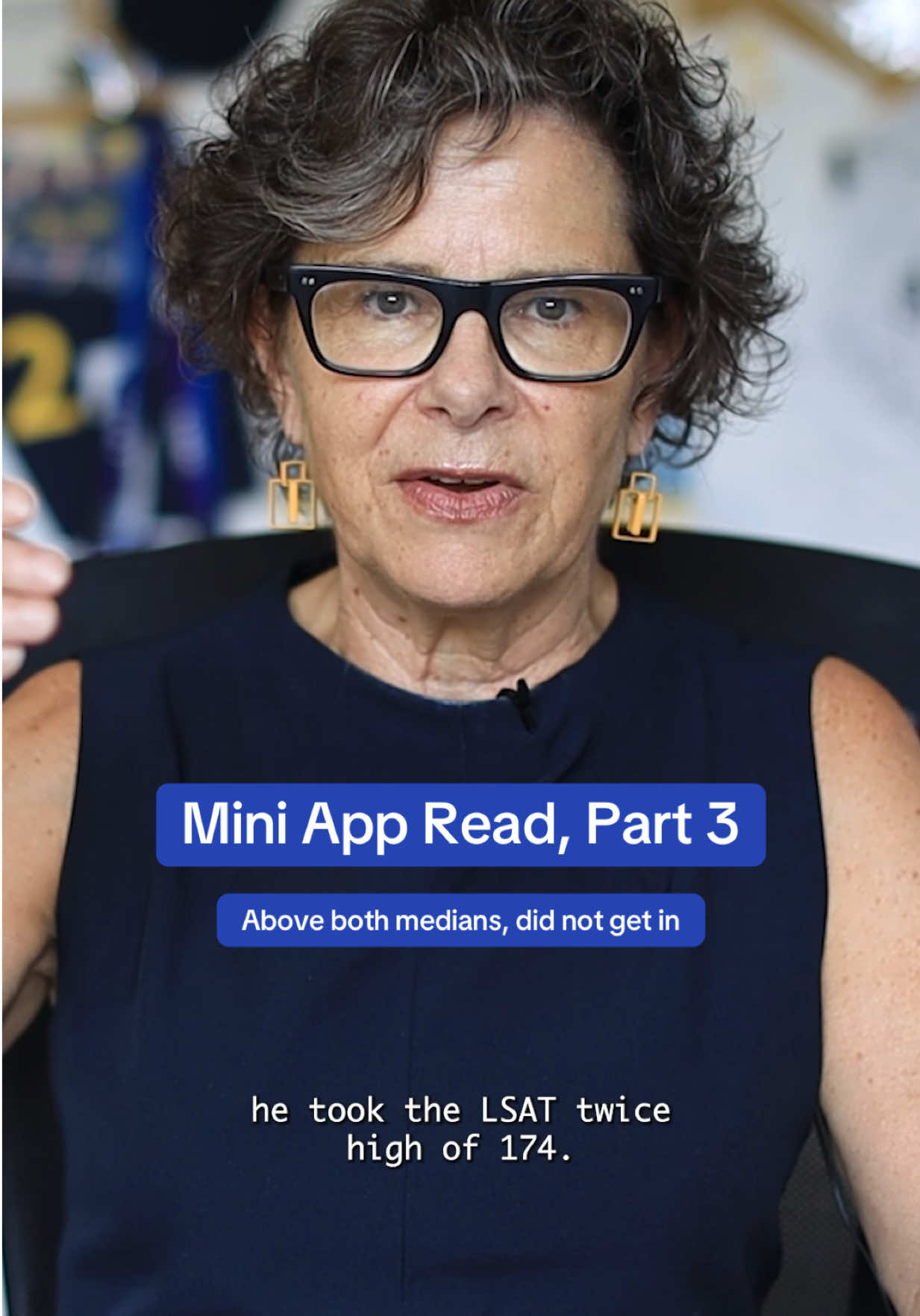 89.8K16.3×Law school application case study@umichlaw · Case Study Breakdown
 154.2K14.4×Expert answers law school GPA question@umichlaw · Q&A Response
 1MPersonal story of SAT score transformation@ultimateivyleagueguide · Origin Story
 112.7K6.7×Expert answers specific LSAT question@umichlaw · Direct Advice Q&A
 332K395.2×Direct commentary with name list@guacandpico · Trendjacking
 103.9K1.2×Prison story of personal transformation@timeservedpodcast · Vulnerable Monologue
 252.6K2.9×Interview clip on teen pregnancy shame@aspirewithemmagrede · Vulnerable Monologue
 398.8K7.2×Personal story illustrates systemic issue@theviewabc · Vulnerable Monologue
 5.9M287.8×Speaker shares personal transition story@teenvogue · Vulnerable Monologue
 1.9M4.7×Expert confronts family's bad finances@calebhammercomposer · Breakdown
 600.9K15.9×Sharing toxic workplace mean girls story@roxycouse · Vulnerable Monologue
 447.3K12×Speaker gives direct commencement advice.@fordhamuniversity · Motivational Mantra
[04]
[05]
What stops the scroll in the first 3 seconds
Title hook · 65%
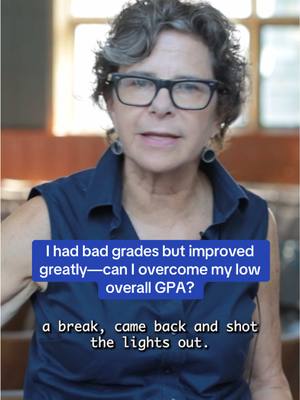
I had bad grades but improved greatly—can I overcome my low overall GPA?
Verbal hook · 15%
I like this question.
Visual hook · 20%
A medium shot of a speaker in a professional setting, likely a lecture hall, with warm lighting and wooden benches in the background. Her direct eye contact and expressive hand gestures create immediate human interest.
[06]
Steal this for your own video
I had , but I’ve —can I still ?
[07]
The promise the opener makes, and how the video pays it back
Hook
The video opens by displaying a specific, high-stakes user question as a text overlay, immediately establishing a relatable problem and framing the speaker as an expert who will provide the answer.
Payoff
The speaker breaks down the single directive into a simple, tactical blueprint of exactly what to say or do, providing a clear, satisfying, and highly valuable resolution that the viewer can immediately apply.
[08]
The structural pattern this video runs on
Framework
The Expert Reframe
An authority figure addresses a common user-submitted problem, reframes the perceived weakness as a powerful strength, and provides actionable advice based on an exclusive 'insider' perspective.
The Case Study Context
The speaker elaborates on the user's situation, transforming the abstract question into a concrete, detailed scenario that makes the problem tangible and more relatable for the audience.
The Enthusiastic Reversal
The speaker immediately and decisively refutes the negative premise of the question, reframing the 'problem' as a 'great story' or a significant advantage. This pivot provides an instant dopamine hit and subverts viewer expectations.
The Relatability Bridge
The speaker connects the specific situation to a universal truth or common human experience (e.g., 'everybody messes up'), broadening the message's appeal and making the advice feel universally applicable.
The Gatekeeper's Secret
The speaker shares the 'insider' perspective, revealing how people in positions of power (admissions officers, hiring managers, etc.) actually perceive this situation, which is often contrary to the user's fear. This provides a sense of privileged information.
The 'Why It Works' Rationale
The speaker provides a logical justification for the positive reframe, explaining why the perceived weakness actually demonstrates valuable qualities like resilience, growth, or maturity, thus proving the initial verdict.
The Empowering Mandate
The speaker directly validates the user's position and gives them explicit permission to feel confident about their story, affirming their value before delivering the final advice.
The Actionable Directive
The speaker delivers the single most important piece of advice as a clear, simple command (e.g., 'just explain'), creating a memorable takeaway.
It’s a great story! Make sure to tell it!
title · beginning
I had bad grades but improved greatly—can I overcome my low overall GPA?
I like this question. This is from somebody who went to school, to college, performed very badly at first, took a break, came bad, and shot the lights out. Also did well on the LSAT. And this person asks, with the right narrative and presentation, could I be an attractive candidate in spite of my overall GPA? Because even though they did well when they returned, they had a very low GPA to begin to begin with. So they could only do so much. Do you have any advice for how someone in my position should frame their application? It's a great story. There's I mean, everybody messes up in life. Right? And so I love to see someone who has messed up at an early stage and gotten it together and learn lessons from that. That's, like, great. That is like you've done a lot of growing before you ever get to law school, before you ever become a lawyer. You know, it's much better to get that out of the way than to have your stumbles occurring when you have a law license and a lot is at stake. Right? No, yes, this is absolutely, a great potential kind of candidate that, I know I am not alone among law school admissions people. I love to see it. No, yes, I feel like you should be very affirmed. And my big piece of advice is just explain, you know, what why you left. Right? What were you what happened? Why did you perform poorly? And then what made you ready to succeed when you came bad? Right? Tackle that head on.