Viral Hooks
Trending short videosExplaining the concept of fake luxury
T

@the.ryanexperience

Instagram · Greenscreen Talking Head

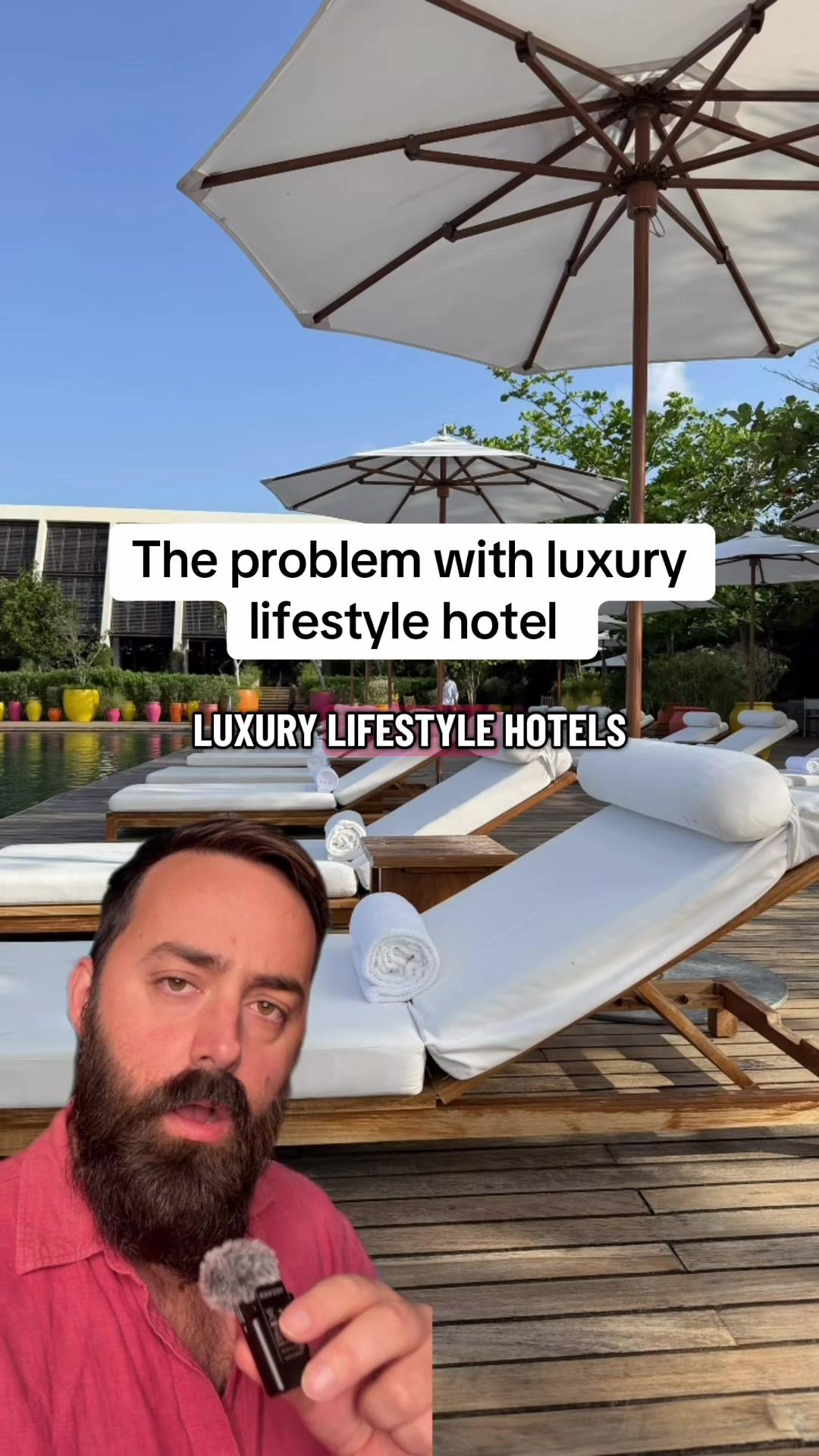
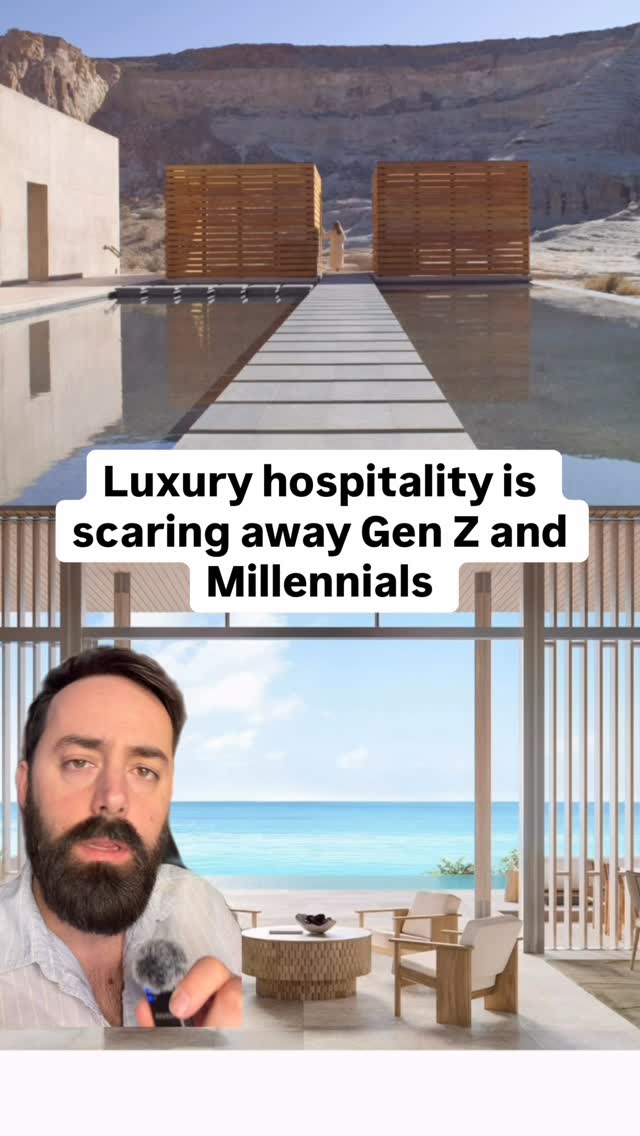
@the.ryanexperience Luxury hospitality is more like a real estate extraction play than it is about hospitality. Dozens of brands with decreasing service quality, and increasing prices, as they attempt scale something that shouldn’t be scaled - luxury, access, exclusivity. The financial incentives are too strong. But luxury is not meant to scale. Most of these brands are going to go in one of two paths: actual luxury, reduced locations, or commodified luxury aka upscale. Luxury prices but service that isn’t worth the cost. #hospitality #bar #bars #hotels #brand

View original on Instagram

The edit1 shot · 12 text
Shots Text

Performance

Views
506K
Likes
20.2K
Comments
531
Engagement
4.1%
Outlier
43.8×

Video #16983 · Greenscreen Talking Head

Explaining the concept of fake luxuryfrom @the.ryanexperience

[01]

Overview

The creator presents a critical analysis of the modern luxury hospitality industry, arguing that it has shifted from providing true luxury (defined by service, protection, and exclusivity) to 'fake luxury' (focused on aesthetics and marketing). He supports his thesis by drawing parallels to the fashion industry, citing books on the topic, and explaining how the business incentive to scale has led to a commodified, transactional experience that prioritizes appearance over genuine hospitality.

[02]

Simple outline

  1. 1State counter-intuitive thesis
  2. 2Provide historical analogy
  3. 3Contrast past ideal vs. present reality
  4. 4Reveal hidden business cause
  5. 5Forecast future outcome

[03]

Related videos

[04]

Classification

Concepts
BreakdownHot Take
Elements
Picture-in-PictureB-Roll CutawayText OverlayJump Cut

[05]

Hook analysis

What stops the scroll in the first 3 seconds

Title hook · 35%

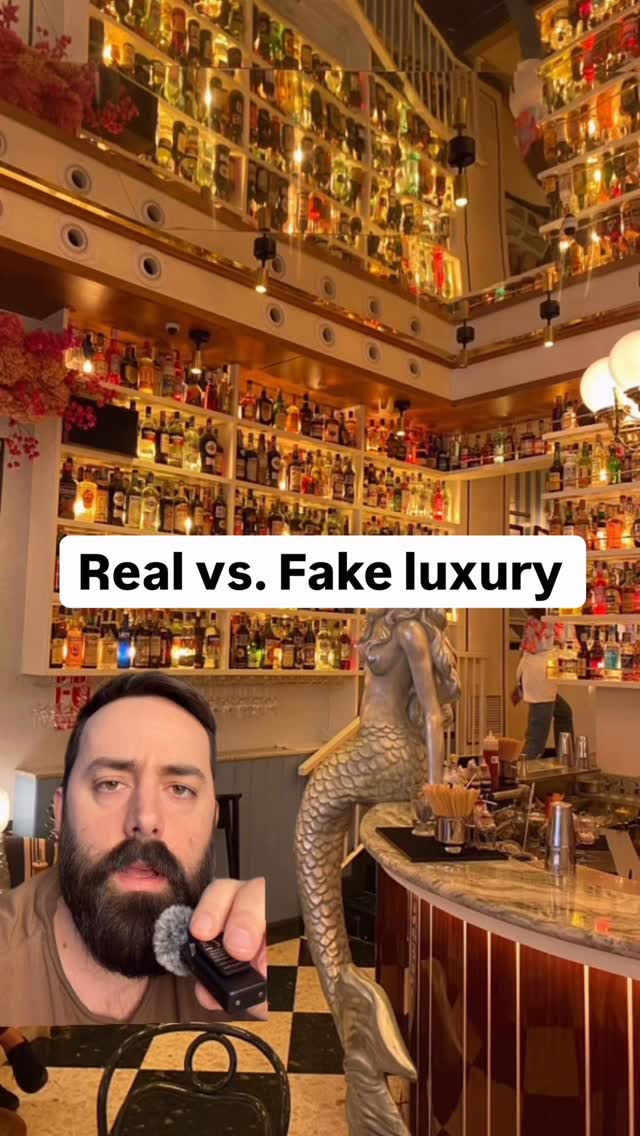
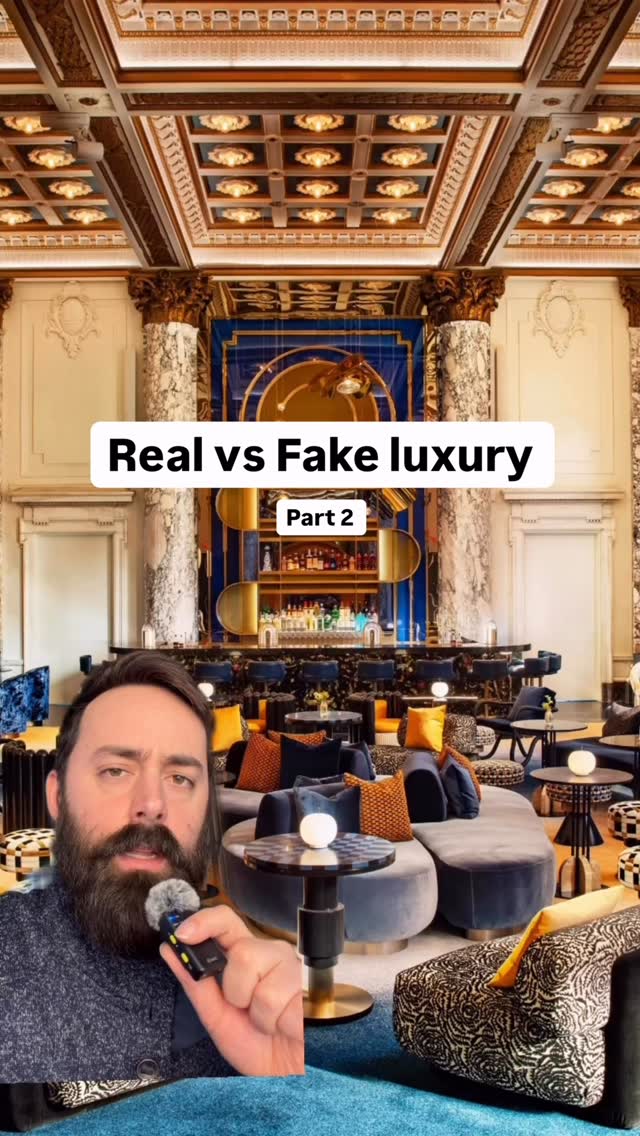
Real vs Fake luxury Part 2

Verbal hook · 50%

Luxury hospitality isn't really luxury anymore.

Visual hook · 15%

A visually striking shot of a grand, opulent hotel lobby with a high, detailed ceiling and marble columns, with the creator overlaid in a small box.

[06]

Hook template

Steal this for your own video

[Industry] isn't actually [what everyone thinks it is] anymore — and the industry doesn't want you to know that.

  • — Fine dining isn't actually luxury anymore — and the industry doesn't want you to know that.
  • — Premium skincare isn't actually science anymore — and the industry doesn't want you to know that.
  • — First-class travel isn't actually exclusive anymore — and the industry doesn't want you to know that.

[07]

Hook and payoff

The promise the opener makes, and how the video pays it back

Hook

A provocative, contrarian statement that challenges a commonly held belief about a category or industry, immediately reframing it in negative terms to create intrigue.

Payoff

A predictive forecast that resolves the initial thesis by outlining the future trajectory of the industry. This provides the viewer with a new mental model and a sense of intellectual closure, making the content feel valuable and insightful.

[08]

Narrative framework

The structural pattern this video runs on

Framework

The Thesis Deconstruction

To present a counter-intuitive thesis about a specific industry, deconstruct the reasons for its decline by contrasting its past ideal with its current flawed state, revealing the hidden economic incentives driving the change, and concluding with a predictive forecast.

  1. 1

    The Analogous Precedent

    Establish the argument's validity by showing how the same pattern has already occurred in a different, relatable industry, often citing an external authority to build initial credibility.

  2. 2

    The Core Diagnosis

    Apply the analogy to the target industry, identifying the central shift from intrinsic value (e.g., quality, service) to superficial value (e.g., aesthetics, marketing).

  3. 3

    The Experiential Contrast

    Create a powerful emotional anchor by juxtaposing the ideal past experience ('what it used to be') with the frustrating, friction-filled present reality ('what it is now').

  4. 4

    The Root Cause Reveal

    Transition from 'what' is happening to 'why' it's happening by exposing the underlying systemic or financial incentives that are driving the negative change, positioning the creator as an insider with privileged knowledge.

  5. 5

    The Authoritative Validation

    Reinforce the argument by citing an external authority (a book, study, or expert) that provides a theoretical framework for the revealed cause.

Themes

  • Authenticity vs. Perception
  • Commodification
  • Business Incentives

Techniques

  • Picture-in-picture
  • B-roll montage
  • Text emphasis

Trends

  • Industry critique
  • Video essay

Post caption

Luxury hospitality is more like a real estate extraction play than it is about hospitality. Dozens of brands with decreasing service quality, and increasing prices, as they attempt scale something that shouldn’t be scaled - luxury, access, exclusivity. The financial incentives are too strong. But luxury is not meant to scale. Most of these brands are going to go in one of two paths: actual luxury, reduced locations, or commodified luxury aka upscale. Luxury prices but service that isn’t worth the cost. #hospitality #bar #bars #hotels #brand

Text overlays

  • title · beginning

    Real vs Fake luxury

  • contextual · beginning

    Part 2

  • contextual · beginning

    Luxury hospitality isn't

  • informational · beginning

    extraction racket

  • informational · beginning

    This happened in fashion first

  • informational · beginning

    They replaced craftsmanship with logos

  • informational · middle

    replacing service and hospitality with aesthetic and marketing

  • informational · middle

    it feels more like a stage not a world

  • informational · middle

    real luxury used to be defined by protection and access

  • informational · middle

    The reason is not taste, it's incentives

  • informational · end

    luxury isn't meant to scale

  • informational · end

    true luxury which is defined by inefficiency

Transcript

Luxury hospitality isn't really luxury anymore. It's more like a real estate extraction racket. Let me tell you why. This happened in fashion first. In her book Deluxe, Dana Thomas warned us about this decades ago. She wrote that to make luxury accessible to all, corporations stripped away its integrity. They replaced craftsmanship with logos. In hospitality, that's meant replacing service and hospitality with aesthetic and marketing. The modern hotel and hospitality brand tells itself a lie that if we make it look expensive, it is expensive. So we get ornate details, fancy lighting, marble floors, all the accoutrement, but it feels more like a stage, not a world that you can enter into. You see, real luxury used to be defined by protection and access. Protection from noise, friction, effort. You felt like you didn't have to lift a finger and that it was a little bit exclusive. Now luxury is asking you to scan a QR code, wait in line, or download an app to join their points program. So why did this happen? The reason is not best, it's incentives. Luxury brands started to scale like tech companies. Companies built luxury hospitality brands to scale, dumping millions into celebrity endorsements and influencers. But luxury isn't meant to scale. In status and culture, David Marx says that when luxury becomes too accessible, it loses its power. Luxury hospitality used to gatekeep experiences, but now they're distributing memberships. You have luxury brands now operating more like factories. This is how you get $900 rooms that feel like they're worth $90. And many move to an asset light model, meaning they don't even own the buildings that they run. The future will be split into two. You'll have commoditized luxury, expensive and pretty, but very transactional. And then you'll have true luxury, which is defined by inefficiency. Most luxury brands aren't bad. They're just confusing bad,

Explaining the concept of fake luxury | Viral Hooks