Viral Hooks
Trending short videosExplaining the new rules of luxury
T

@the.ryanexperience

Instagram · Speaker address

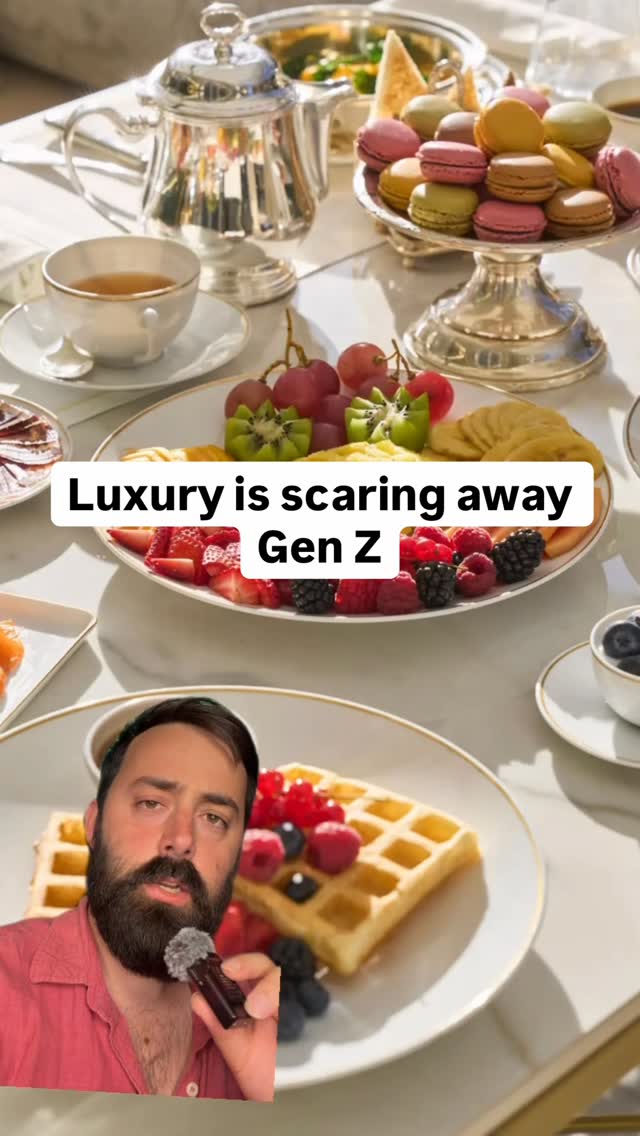
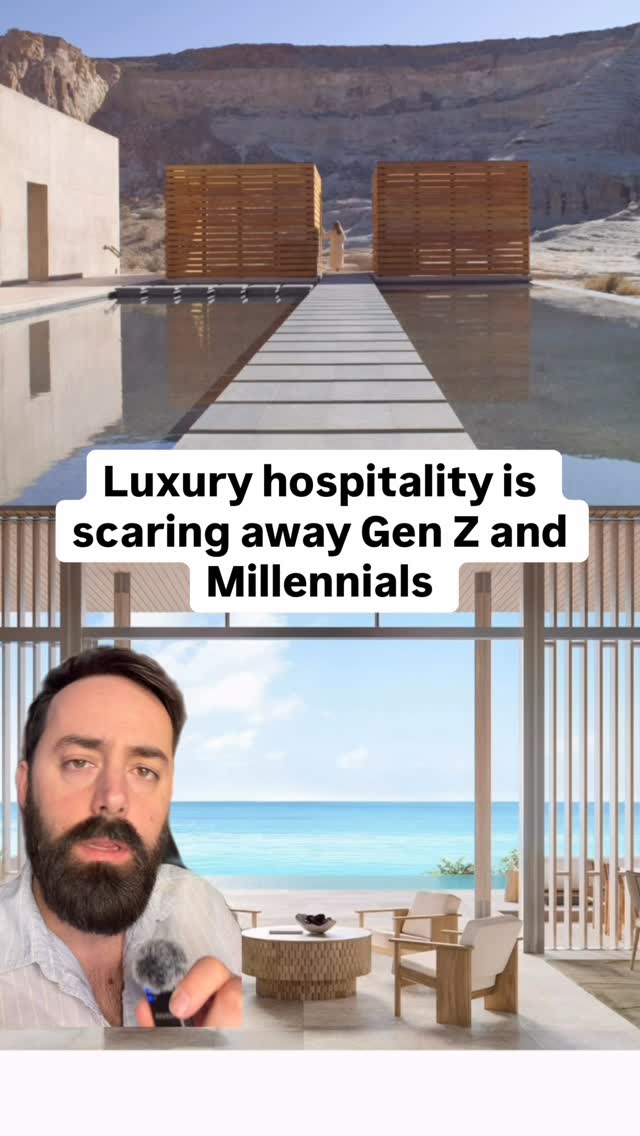
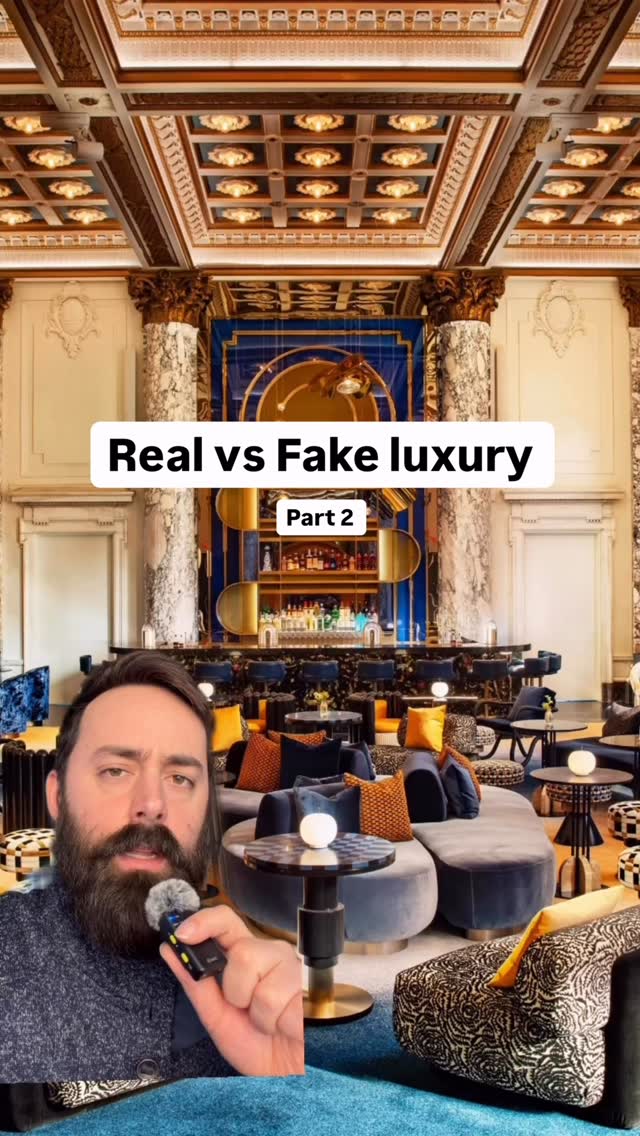
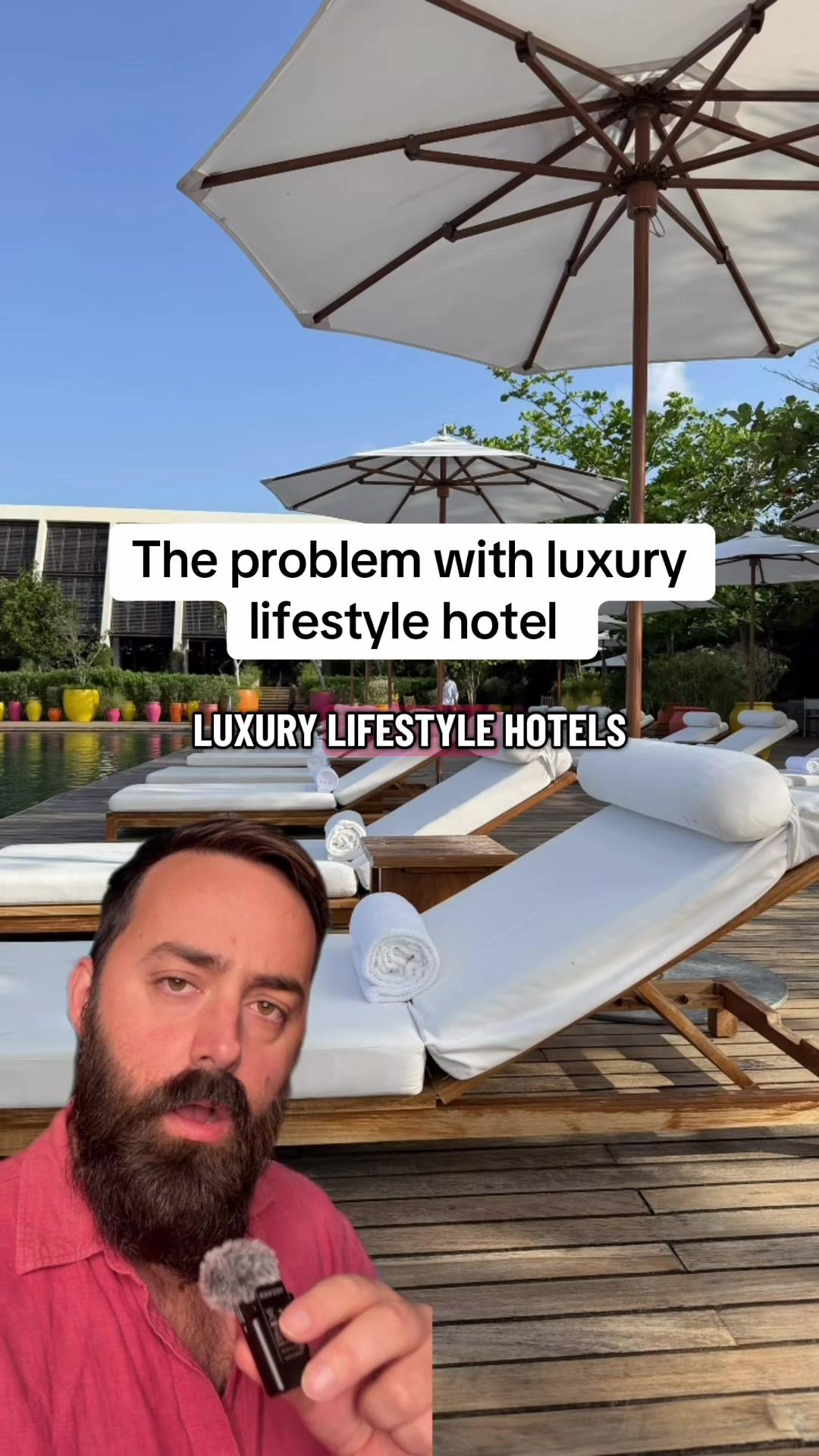
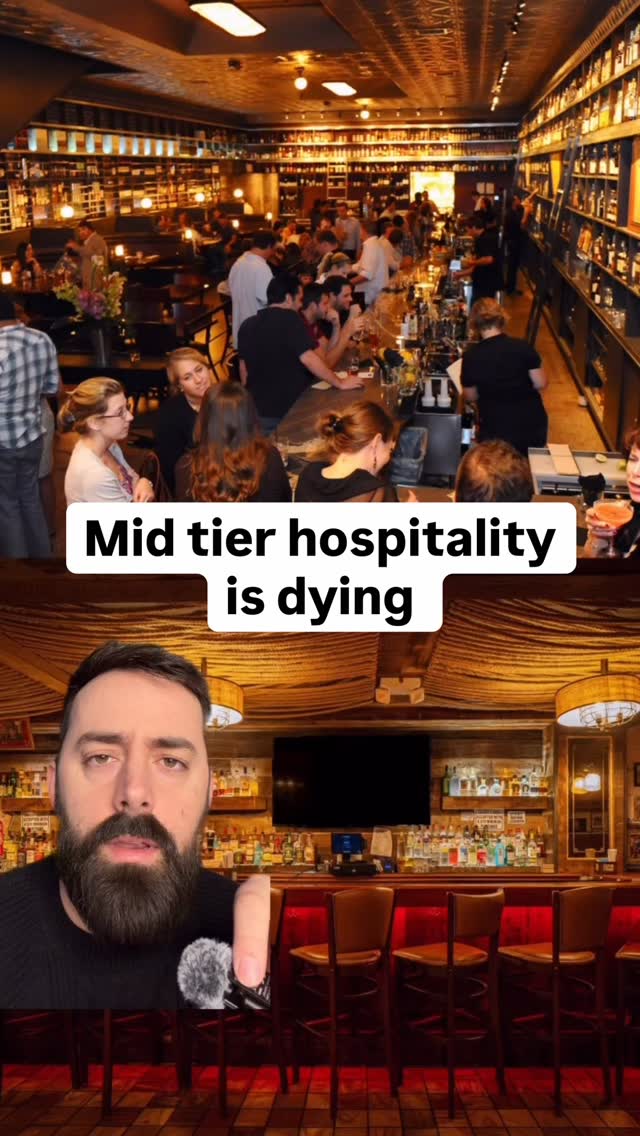
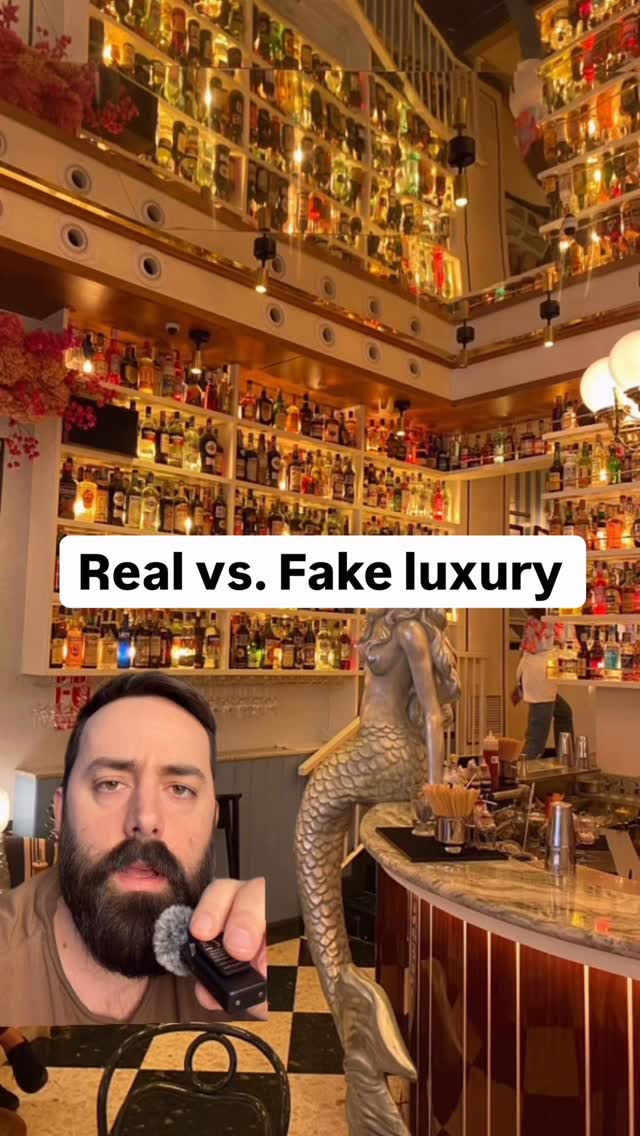
@the.ryanexperience Luxury hospitality brands are building for a consumer who doesn’t represent the growing market and their demands. And that’s fine. Their guest experiences are reflecting confusion. And dwindling loyalty is pervasive. But when brands are wondering why they aren’t growing, or why they can’t capture new demographics, they fail to look themselves in the mirror. You can’t build a brand — a bar, hotel, restaurant — for everyone. And you shouldn’t. But if you want to position yourself for the future, and timelessness, learning to shift when the market shows you its hand is just smart business. #hospitality #bar #bars #hotels #brand

View original on Instagram

The edit1 shot · 9 text
Shots Text

Performance

Views
164.4K
Likes
5.9K
Comments
180
Engagement
3.7%
Outlier
13.1×

Video #18605 · Speaker address

Explaining the new rules of luxuryfrom @the.ryanexperience

[01]

Overview

The creator presents a thesis on the evolution of luxury hospitality, arguing that the industry is failing by marketing to boomers instead of the growing Millennial and Gen Z demographic. He contrasts the old definition of luxury (opulence, wealth signaling) with the new (community, aesthetic, point of view), and concludes by advising brands to focus on building a cohesive world and feeling rather than just looking expensive.

[02]

Simple outline

  1. 1State a massive industry shift
  2. 2Contrast old vs. new consumer values
  3. 3Propose a new strategic question

[03]

Related videos

[04]

Classification

Concepts
BreakdownHot Take
Elements
B-Roll CutawayText Overlay

[05]

Hook analysis

What stops the scroll in the first 3 seconds

Title hook · 35%

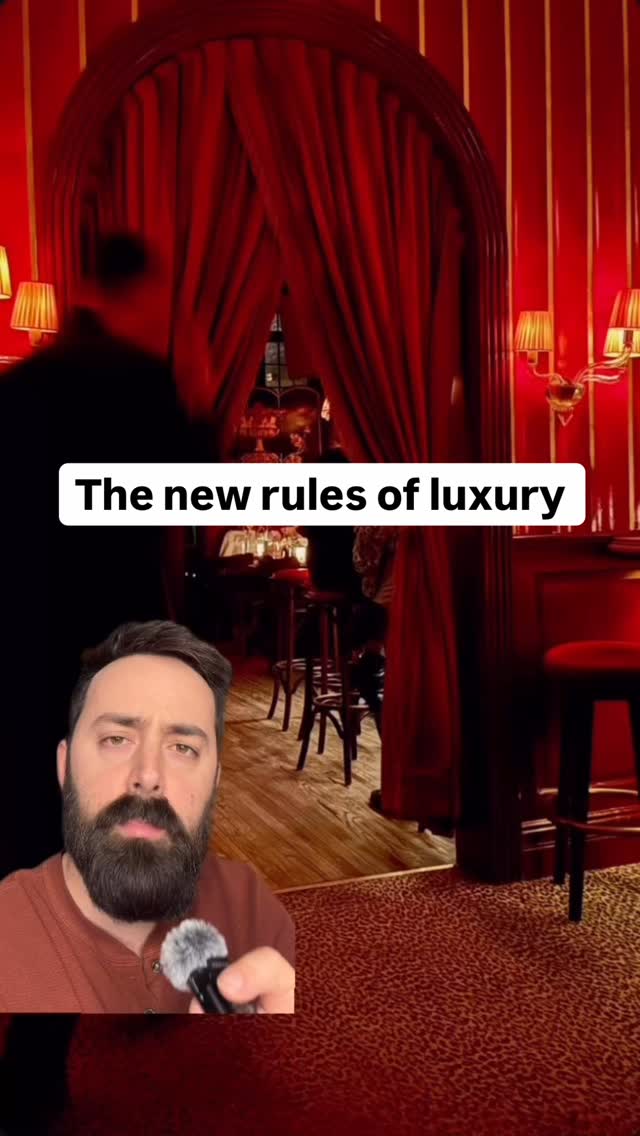
The new rules of luxury

Verbal hook · 60%

By 2030, Millennials and Gen Z will account for up to 75% of all luxury buyers

Visual hook · 5%

A dimly lit, moody shot of a luxurious bar with rich red walls, velvet curtains, and warm lighting, establishing an immediate sense of opulence and setting the video's theme.

[06]

Hook template

Steal this for your own video

By [future year], [emerging audience] will account for up to [percentage] of [your market]—and most brands are still marketing to [outdated audience].

  • — By 2030, Gen Z will account for up to 30% of skincare spending—and most brands are still marketing to boomers.
  • — By 2028, remote workers will account for up to 40% of business-travel demand—and most hotels are still marketing to office commuters.
  • — By 2035, electric-vehicle owners will account for up to 50% of auto-service customers—and most repair shops are still marketing to gas-car drivers.

[07]

Hook and payoff

The promise the opener makes, and how the video pays it back

Hook

A startling, future-facing statistic that establishes the scale and inevitability of a coming change, creating immediate authority and urgency.

Payoff

The New Mandate: A direct call to action that reframes the central question the industry should be asking, shifting from a superficial goal to a deeper, more meaningful one.

[08]

Narrative framework

The structural pattern this video runs on

Framework

The Paradigm Shift Manifesto

Presenting a major demographic or cultural shift, diagnosing why an incumbent industry is failing to adapt, and providing a new, more evolved framework for future success.

  1. 1

    The Incumbent's Error

    Identify a dominant industry's failure to recognize the shift and diagnose the root cause of their mistake (e.g., targeting an outdated demographic).

  2. 2

    The 'Old World' Playbook

    Define the values, aesthetics, and desires of the legacy audience, establishing a clear baseline for contrast (e.g., signaling wealth, opulence).

  3. 3

    The 'New World' Manifesto

    Define the fundamentally different values, priorities, and desires of the emerging, dominant audience, positioning them as more sophisticated and evolved (e.g., community, aesthetics, story).

  4. 4

    The Core Insight

    Distill the 'New World's' complex desires into a single, powerful, and memorable core concept or guiding principle (e.g., 'a point of view').

Themes

  • Generational shift
  • Consumer behavior
  • Brand perception
  • Quiet luxury

Techniques

  • Voiceover narration
  • B-roll montage
  • Picture-in-picture

Trends

  • Experiential marketing
  • Value-driven branding

Post caption

Luxury hospitality brands are building for a consumer who doesn’t represent the growing market and their demands. And that’s fine. Their guest experiences are reflecting confusion. And dwindling loyalty is pervasive. But when brands are wondering why they aren’t growing, or why they can’t capture new demographics, they fail to look themselves in the mirror. You can’t build a brand — a bar, hotel, restaurant — for everyone. And you shouldn’t. But if you want to position yourself for the future, and timelessness, learning to shift when the market shows you its hand is just smart business. #hospitality #bar #bars #hotels #brand

Text overlays

  • title · beginning

    The new rules of luxury

  • informational · beginning

    By 2030, Millennials and Gen Z will account for up to 75% of all luxury buyers

  • contextual · beginning

    But the hospitality industry is largely ignoring them

  • contextual · middle

    For them, luxury is not about proving you're rich

  • contextual · middle

    It's about proving you're aligned with a specific community, a specific aesthetic, a value set, a story

  • contextual · middle

    But younger buyers want cohesive worlds and intentional friction

  • contextual · middle

    But most importantly, they want a point of view

  • contextual · end

    So we need to start playing by the new rules of luxury hospitality, not the old rules

  • contextual · end

    It's about asking what world are you building and how do you want your guests to feel inside?

Transcript

By tier, millennials and Gen Z will account for up to 75% of all luxury buyers, but the hospitality industry is largely ignoring them. And it's because they're all selling and marketing to the wrong people. For decades, and even now, people are building luxury for one buyer. They're still creating luxury hospitality brands for boomers. I have nothing against boomers, but what they want is vastly different than what the younger generations are after. The younger generations don't care about signalling wealth, and they don't care about pretentious service. For them, luxury is not about proving you're rich. It's about proving you're aligned with a specific community, a specific aesthetic, a value set, a story. So when you build luxury hotels for boomers, you opt for square footage, heavy materials, expensive chandeliers, pretentious service, But younger buyers want cohesive worlds and intentional friction. They want a human touch, but one that's not pretentious and starts informal. But most importantly, they want a point of view. They don't need more things. They live in a time of abundance. They want a sharper image. Millennials and Gen z are only going to increase the amount they're spending on luxury hospitality. So we need to start playing by the new rules of luxury hospitality, not the old rules. If you're building a luxury brand today, it's not about asking worse, how do you make the brand look expensive? It's about asking what world are you building and how do you want your best to feel inside? Because at the end of the day, the younger generation wants coherence. They don't care much about opulence.

Explaining the new rules of luxury | Viral Hooks