Viral Hooks
Trending short videosExplaining luxury's generational marketing shift
T

@the.ryanexperience

Instagram · Greenscreen Talking Head

@the.ryanexperience Contrary to what many believe, Gen Z and Millennials crave luxury experiences, and goods. How they define luxury, however, is slightly different. I #hospitality #brand #bar #bars #nightlifevibes #bestbar #hotel #hotels #businessowners #hospitalitylife

View original on Instagram

The edit1 shot · 8 text
Shots Text

Performance

Views
54.5K
Likes
988
Comments
25
Engagement
1.9%

Video #16037 · Greenscreen Talking Head

Explaining luxury's generational marketing shiftfrom @the.ryanexperience

[01]

Overview

The creator explains why traditional luxury hospitality is failing to attract Gen Z and Millennial customers. He debunks the myth that they lack spending power by citing data on their growing market share, and then breaks down their different values: a preference for experiences over possessions, authenticity, design-forward hotels, and unobtrusive, personalized service. He uses specific hotel brands as examples of successful adaptation and concludes that the industry needs a slight shift from rigid formality to genuine human connection to capture this lucrative market.

[02]

Simple outline

  1. 1State counter-intuitive industry problem
  2. 2Debunk assumption with data
  3. 3Define new consumer values
  4. 4Showcase successful modern examples
  5. 5Conclude with actionable shift

[03]

Related videos

[04]

Classification

Concepts
BreakdownCase Study Breakdown
Elements
B-Roll CutawayText Overlay

[05]

Hook analysis

What stops the scroll in the first 3 seconds

Title hook · 55%

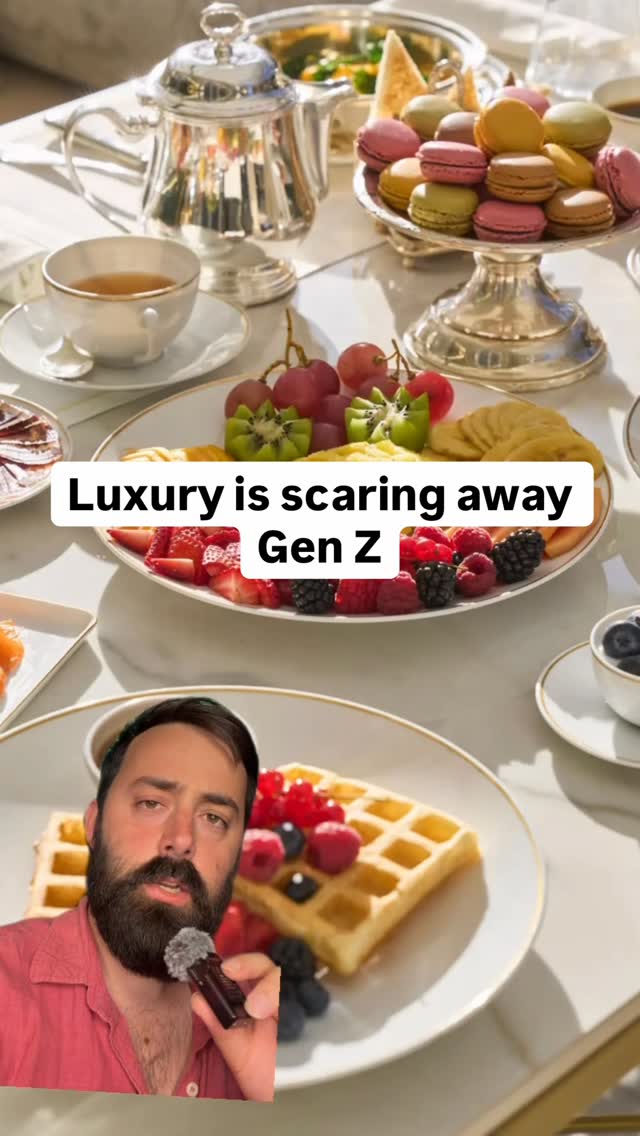
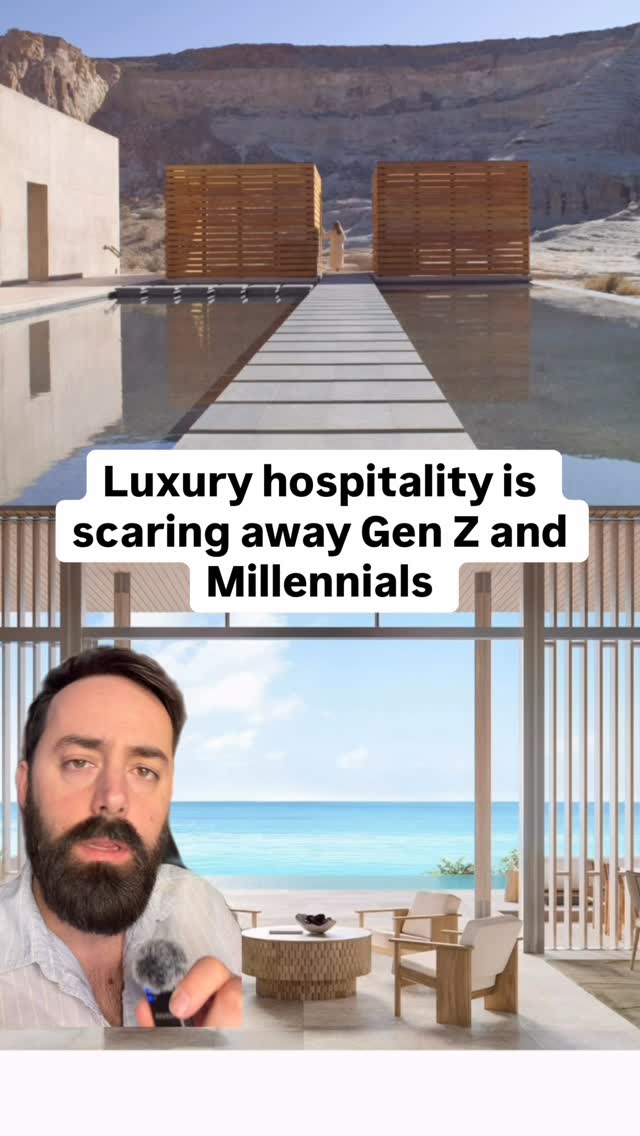
Luxury hospitality is scaring away Gen Z and Millennials

Verbal hook · 35%

Luxury hospitality doesn't have to be pretentious.

Visual hook · 10%

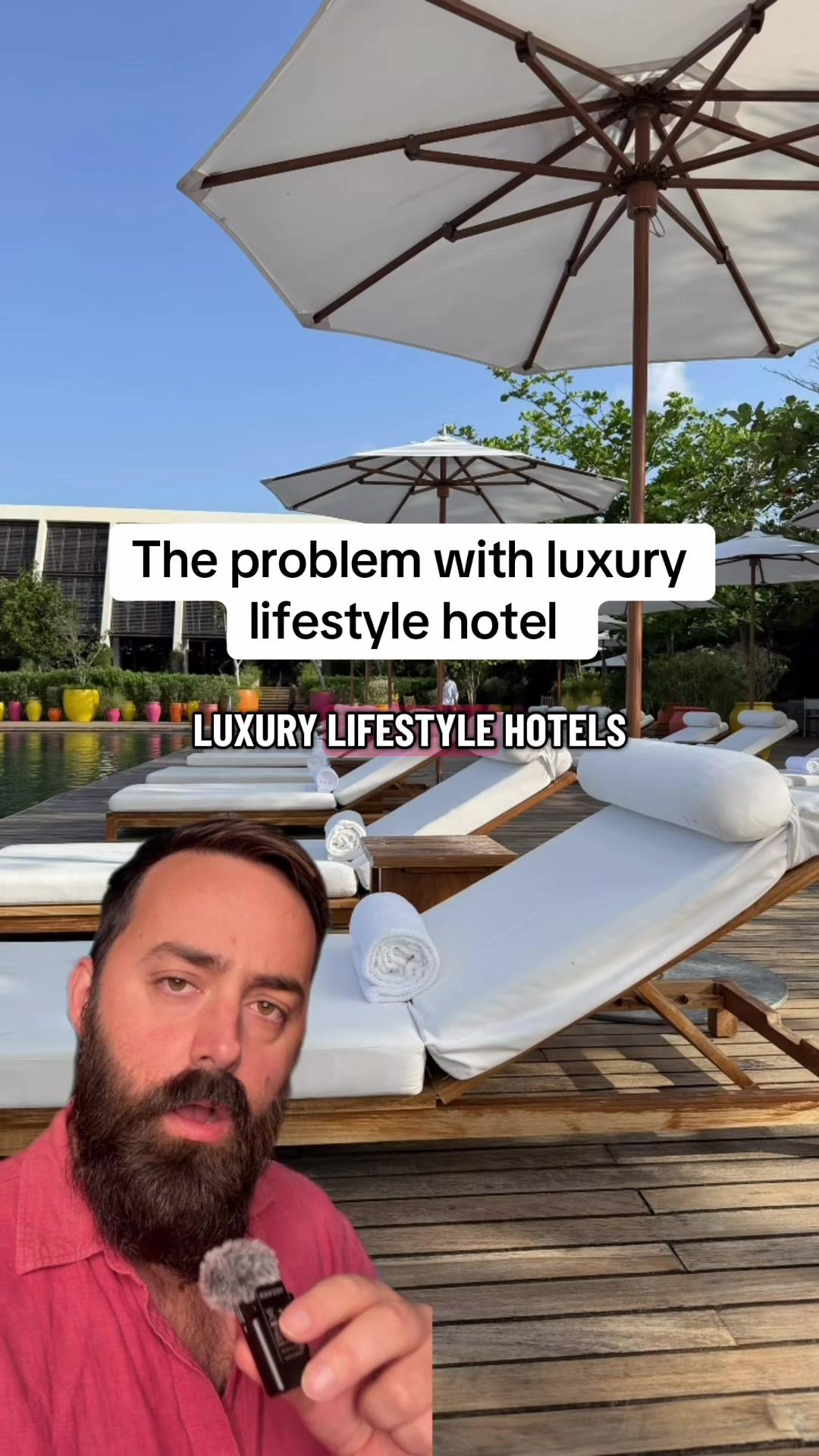
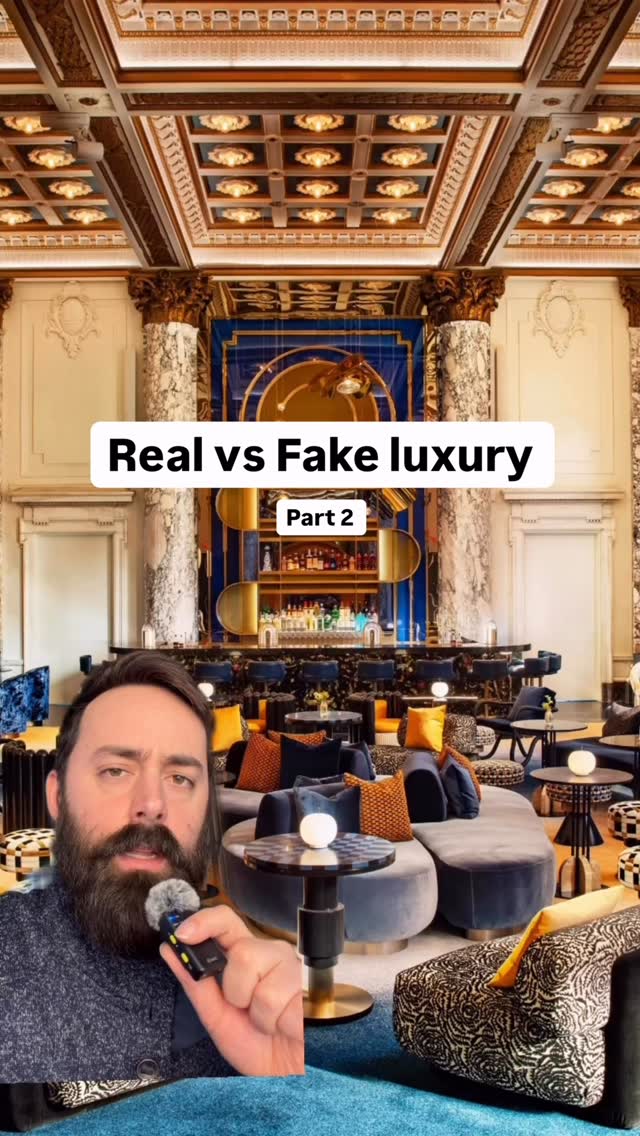
A split-screen composition with the speaker on the bottom and a visually appealing, minimalist luxury resort with a pool on the top.

[07]

Hook and payoff

The promise the opener makes, and how the video pays it back

Hook

A bold, contrarian statement that challenges a long-held belief within a specific industry, immediately creating intrigue and targeting a niche audience.

Payoff

A concise, actionable summary that frames the necessary change as a clear strategic mandate for the industry, providing a valuable takeaway for the target audience.

[08]

Narrative framework

The structural pattern this video runs on

Framework

The Generational Shift Blueprint

To identify a flaw in a traditional industry's approach to a new demographic, debunk common excuses with data, and provide a clear, evidence-backed roadmap for adaptation.

  1. 1

    The Legacy Definition

    Briefly establishes the 'old way' of doing things, defining the traditional paradigm that is now being challenged (e.g., formality, rigid etiquette).

  2. 2

    The Flawed Assumption

    Articulates the common, incorrect belief that industry insiders hold about why the old way is failing with a new audience (e.g., 'they don't have money').

  3. 3

    The Data-Driven Rebuttal

    Presents hard evidence (statistics, charts, expert quotes) that decisively disproves the flawed assumption, creating a moment of revelation and establishing authority.

  4. 4

    The New Paradigm Explained

    Details the core values, desires, and expectations of the new target audience, explaining what they want instead of the old model (e.g., experiences, authenticity, unique design).

  5. 5

    The Proof of Concept

    Showcases 1-2 specific, real-world examples of businesses or products that are successfully implementing the new paradigm, making the abstract concept tangible.

  6. 6

    The Expert Caveat

    Briefly introduces a point of nuance or a distinction (e.g., luxury vs. ultra-luxury) that demonstrates deep knowledge and preempts potential counter-arguments, reinforcing credibility.

Themes

  • Generational shifts
  • Consumer behavior
  • Brand adaptation
  • The definition of luxury

Techniques

  • Data-driven arguments
  • Case study examples
  • Direct address to camera

Post caption

Contrary to what many believe, Gen Z and Millennials crave luxury experiences, and goods. How they define luxury, however, is slightly different. I #hospitality #brand #bar #bars #nightlifevibes #bestbar #hotel #hotels #businessowners #hospitalitylife

Text overlays

  • title · beginning

    Luxury hospitality is scaring away Gen Z and Millennials

  • contextual · beginning

    FOR DECADES

  • informational · beginning

    DISTANCE, FORMALITY, AND RIGID ETIQUETTE.

  • informational · middle

    THEY VALUE EXPERIENCE OVER POSSESSIONS

  • informational · middle

    AUTHENTICITY AND LOCAL IMMERSION

  • informational · middle

    THEY PREFER BOUTIQUE OR DESIGNED FORWARD HOTELS.

  • informational · end

    UNOBSTRUCTED PERSONALIZATION

  • informational · end

    A SLIGHT SHIFT FROM RIGID PROTOCOL TO GENUINE HUMAN CONNECTION

Transcript

Luxury hospitality doesn't have to be pretentious. For decades, luxury in part meant distance, formality, and rigid etiquette. But I speak to luxury hoteliers, bar owners, and restaurant owners every day who are struggling to attract Gen Z and millennials. They believe these generations don't have money, but they do. They're on pace to account for up to 60% of the luxury spending market by 2026, and that's going to seep into hospitality. They have disposable income, the money, and their income is only going to grow. They just want something different. They want to taste luxury, but they've never experienced luxury before, so they don't value the old rules. They see the old rules as stiff and formal and as a barrier to entry. They have entirely different expectations. They value experience over possessions, and they demand authenticity and local immersion. Think Rosewood Hotels Rank Kong. They prefer boutique or design forward hotels. Think the Baccarat hotels in NYC. Baccarat goes above and beyond with the decor and even their own custom set. It is certainly not cookie better. And most importantly, they value unobtrusive personalization, service that predicts their needs without feeling overly formal or stuffy. Now there's a big distinction between luxury and ultra luxury. There's definitely a place for scarcity and privacy. But in my view, the luxury category space needs to adapt. Now luxury hospitality doesn't need to throw the baby out with the better. It just needs a slight shift because millennials and gen z want to spend money on luxury. They just want a slight shift from rigid protocol to genuine human connection. Of course, this only applies to those luxury hospitality businesses who want to capture more of that millennial and Gen Z market.

Explaining luxury's generational marketing shift | Viral Hooks