@frontoffice.co
TikTok · Talking Head Edit

@frontoffice.co Using big company thinking to solve my small company problems #sportswear #melbournefashion #fashiondesigner #hoodie #footballkits #footballkits

@frontoffice.co
TikTok · Talking Head Edit
@frontoffice.co Using big company thinking to solve my small company problems #sportswear #melbournefashion #fashiondesigner #hoodie #footballkits #footballkits
Performance
Video #8184 · Talking Head Edit
[01]
The creator explains industrial product design using Nike's soccer jersey manufacturing as a case study, detailing how they use a single template to solve production scale issues. He then applies this principle to his own small clothing brand, demonstrating how a hoodie with unique side panels can be color-blocked to create multiple distinct products from one pattern, thereby meeting factory minimums.
[02]
[03]
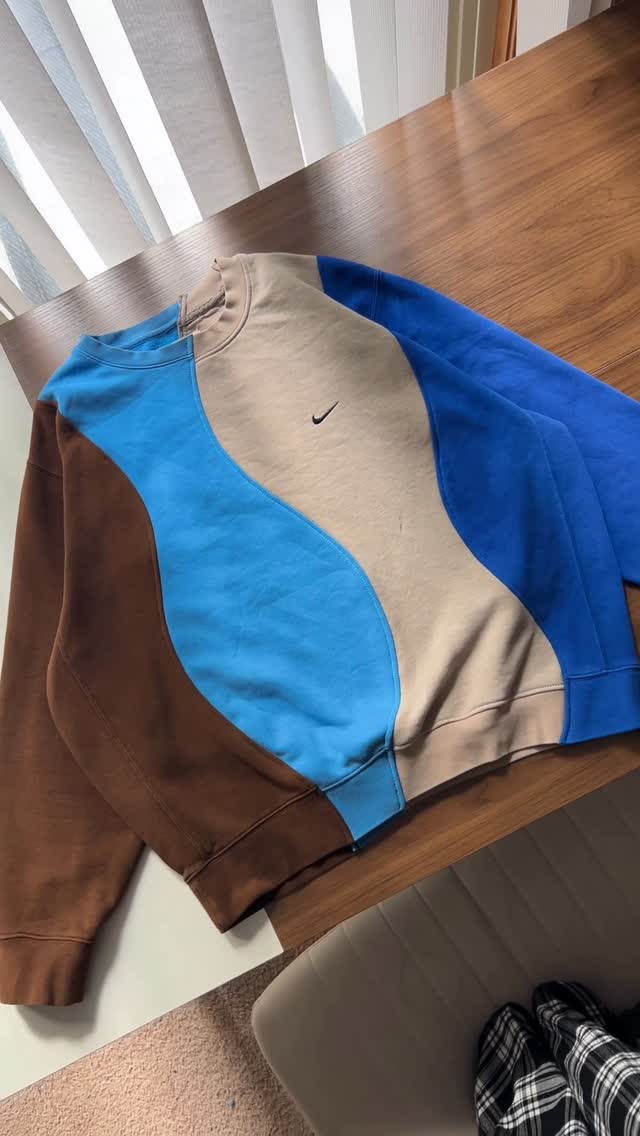 781.7K18×Process of creating color-blocked sweatshirt@upcyclex · Process
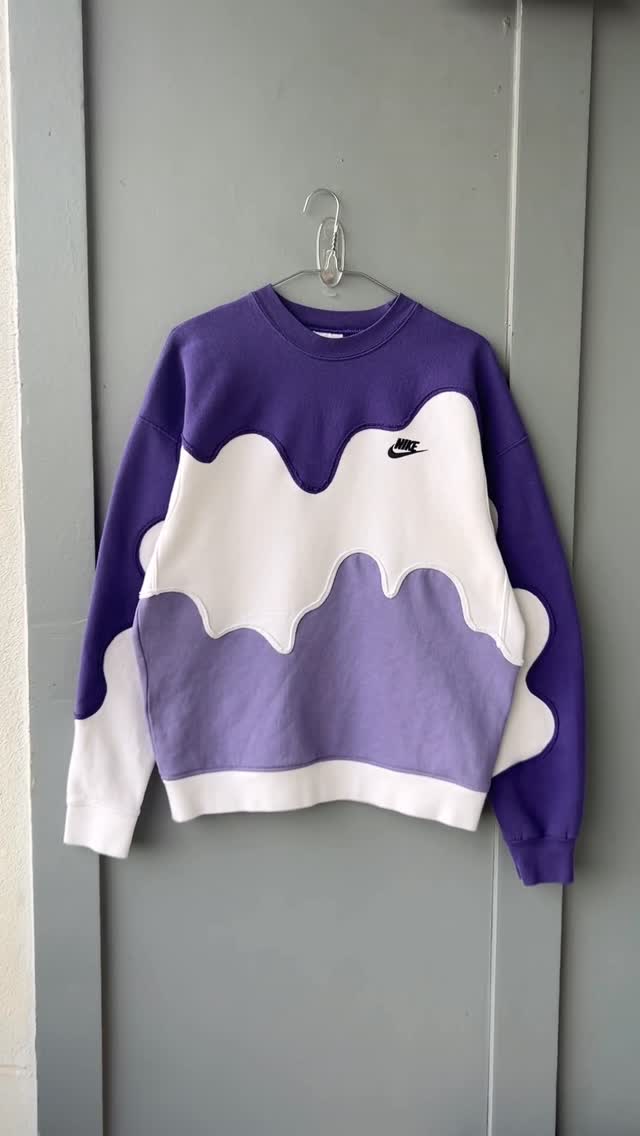 2.4MDIY sweatshirt upcycling process video@upcyclex · Process
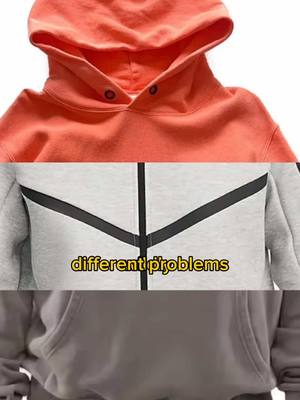 2M5×Explaining hoodie design problem-solving@frontoffice.co · Breakdown
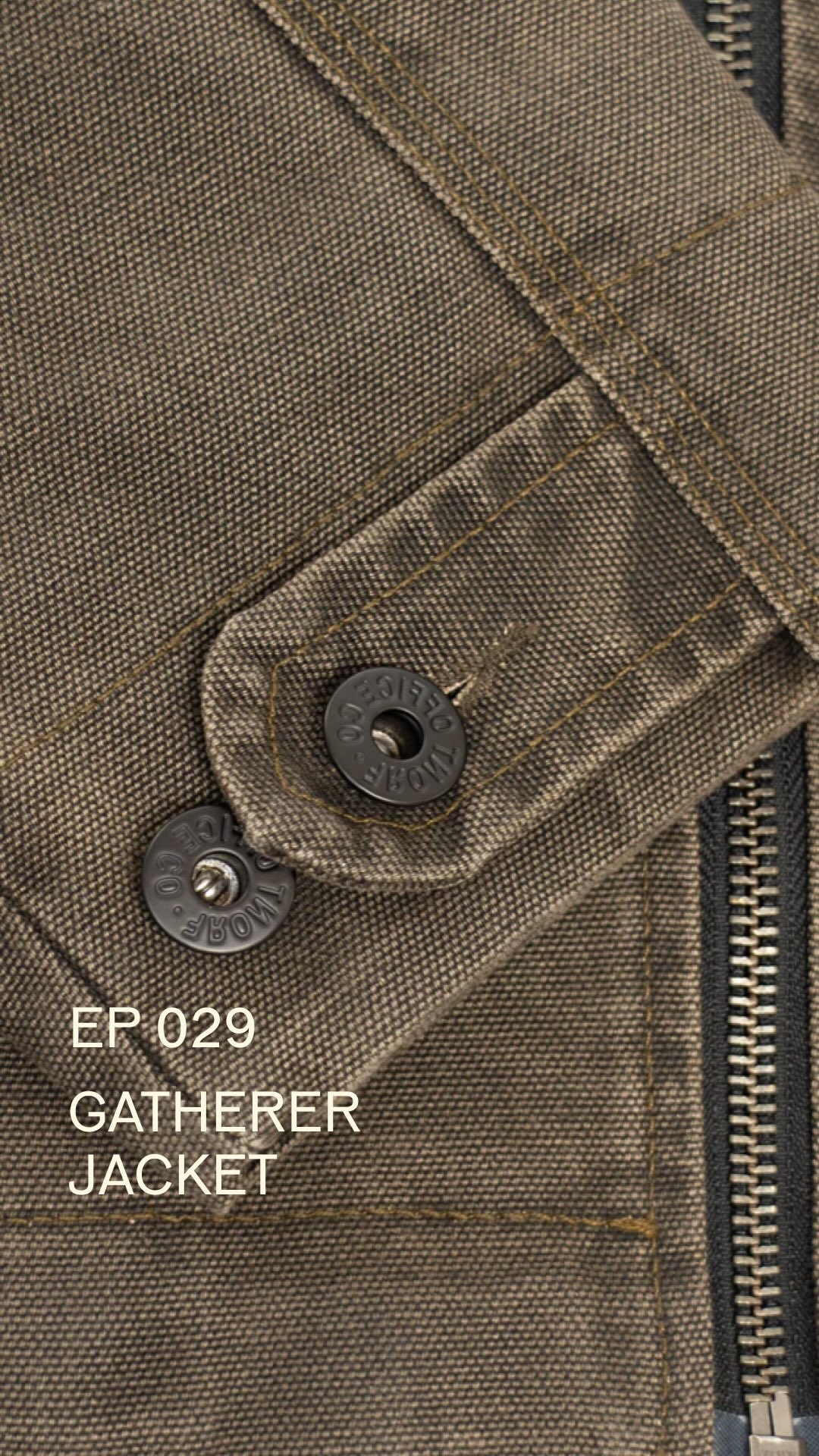 590K2×Jacket design process breakdown@sakata.ken · Breakdown
 827.8K2×Designer breaks down hoodie construction@frontoffice.co · Case Study Breakdown
 377.8KFounder's problem-solving business story@frontoffice.co · Origin Story
 2.8M54.6×Customizing a hoodie start to finish@upcyclex · Process
 278.1K19.4×Explain hoodie quality and pricing@fineasjackson · Breakdown
 89.5KCreator reveals making famous hoodies@cali.nina · Behind The Scenes
 598.4K6.1×Designer's guide to fighting knockoffs.@yitaigeng · Numbered Breakdown
 692.6K15.3×DIY sweatshirt transformation montage@upcyclex · Before/After Transformation
 354.8KDesigner shows jacket creation process@frontoffice.co · Origin Story
[04]
[05]
What stops the scroll in the first 3 seconds
Verbal hook · 45%
So let's talk about industrial product design.
Visual hook · 55%
A split screen showing the speaker on top and a professional photo of a soccer player below, immediately establishing a topic of comparison.
[07]
The promise the opener makes, and how the video pays it back
Hook
A provocative, counter-intuitive claim is made about visually distinct items, creating an immediate information gap that compels the viewer to seek the explanation.
Payoff
The narrator explicitly connects the demonstration back to the core principle, summarizing how a design-based solution solves a practical, industrial, or financial problem, thus solidifying the video's central thesis.
[08]
The structural pattern this video runs on
Framework
The Macro-to-Micro Solution
The video presents a complex problem and its solution as employed by a large, well-known entity. It then pivots to a smaller, more relatable version of the same problem and demonstrates how the same core principle can be applied to solve it, thereby teaching a universal concept through a personal application.
The Macro-Problem Framing
A large, recognizable entity (e.g., a major corporation) is introduced, along with a massive, seemingly paradoxical operational challenge they face, establishing the high-level stakes of the concept.
The 'Big Company' Solution Reveal
The elegant, non-obvious strategy the large entity uses to solve its problem is explained. This provides the 'aha!' moment and delivers the core intellectual takeaway of the video.
The Micro-Problem Pivot
The narrator transitions from the macro example to their own personal, small-scale context, framing an analogous problem that makes the abstract concept relatable and grounded.
The Hypothesis & Demonstration Setup
A direct question is posed: can the 'big company' solution be applied to the personal problem? This sets clear expectations and builds anticipation for a practical demonstration.
The Hidden Potential Reveal
The creator's own product is introduced, revealing a 'secret' or latent design feature that is key to the solution but is not obvious in its standard state.
The Transformation Demonstration
The hidden feature is activated, visually transforming the single product into multiple distinct versions. This provides tangible proof of the concept and a satisfying visual payoff.
Using big company thinking to solve my small company problems #sportswear #melbournefashion #fashiondesigner #hoodie #footballkits #footballkits
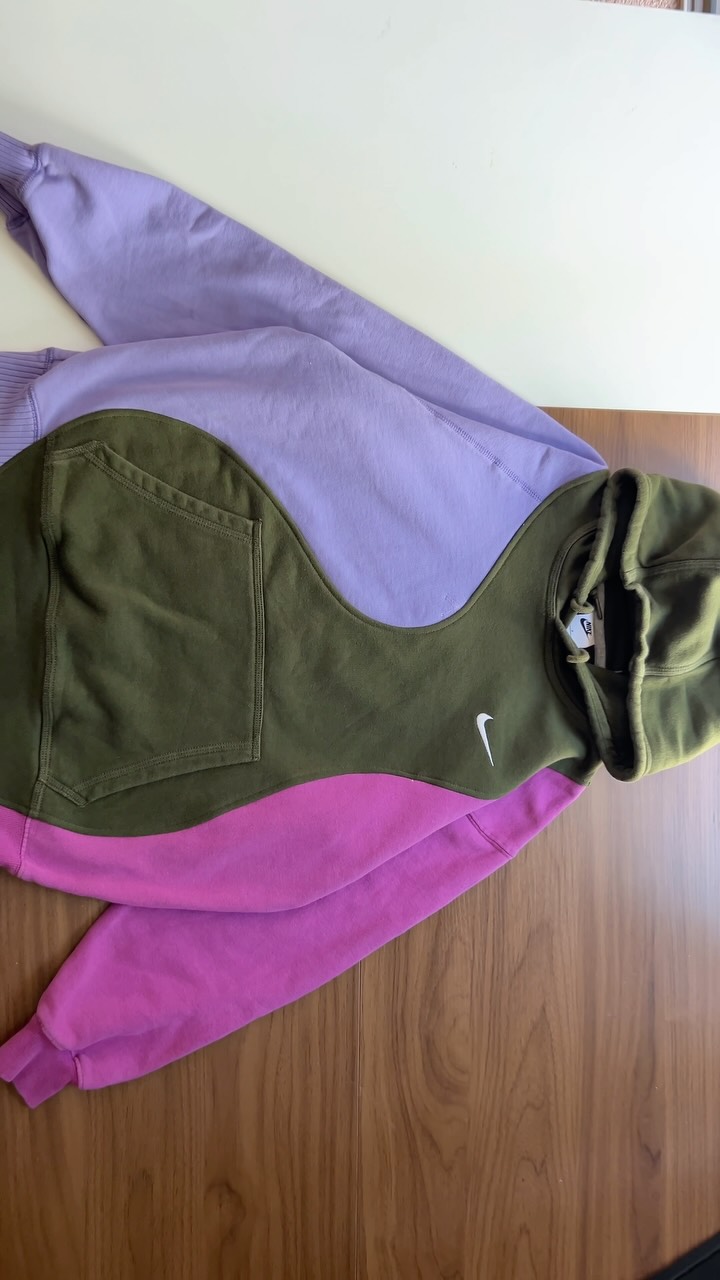
So let's talk about industrial product design. Now this jersey is the same as this jersey and this jersey. And they're made by the same manufacturer of Nike. So Nike's problem is that they have produced tens and thousands of jerseys for hundreds of teams within a short period of tier, like within the same season. And each jersey has to look and feel quite unique to the club. So how do you balance those two things? So what they do is they solve a production problem with an aesthetic design solution. So Nike best in one design, one template, produces it en masse at centralized factories. Better it's decorated with different colors, different badges, different designs. And aesthetically, the way it looks makes us feel differently about each individual jersey. And it works. We might not even know that they're the same template. And it's not just Nike. Any global sportswear manufacturer has been doing this for a long time. So I'm not Nike. I run a small clothing business here in Australia, but I encounter industrial product problems too. Certain custom fabrics for a small business, the minimum is a thousand meters. For access to certain factories, it's a thousand hoodie. So can we play with the same idea? Can we turn one product into another, keeping the same shape, the same pattern, the same fabric? Yeah. I mean, let's try. This hoodie is made out of Australian fabric, and it's custom to my brand. It's heavyweight custom Tier. Better of this hoodie is that it's got a side panel tier. I'm not sure you can see that. That runs all the way into the arm. But when you use the same color of the fabric, it looks just like a conventional hoodie. Better let's take advantage of that. If we remove the prints from the front and the back and we use this as a color block hoodie, it will look dramatically different. No this is a production sample of that hoodie. We can alternate a main block of cream or main main block with green and use different side panels. And suddenly, this hoodie becomes a bit more high concept, a bit more nostalgic, a bit more tracksuit esque. And that helps a small brand like mine meet the minimum quantities for a very established factory. In a very same way that a tier soccer jersey could be German or for a club in Ireland or for a club in Chile. So it just uses graphic design and product design to solve industrial financial problems sometimes. Anyway, that's what I'm thinking about today.