Viral Hooks
Trending short videosClothing quality check: understanding seams
G

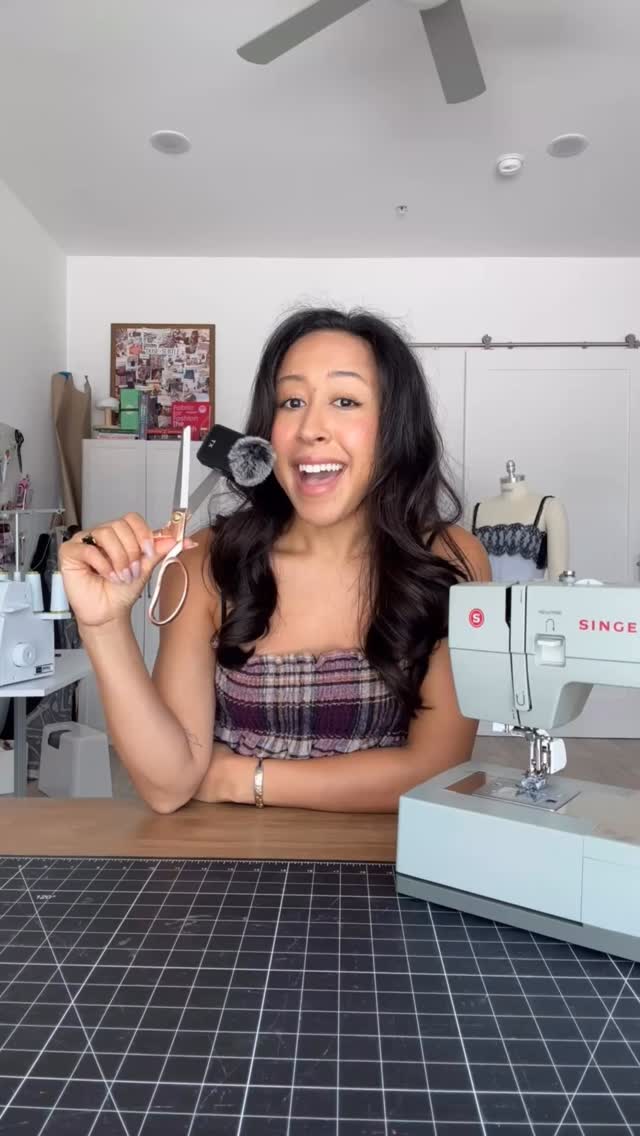
@gents.studios

Instagram · Talking Head Edit

@gents.studios Quality check #1: what is a seam? Comment your favourite seam 🧶 leave any questions or suggestions in the comments! and if you have any useful insights please leave them below so we can all learn together! follow the journey to become an educated consumer

View original on Instagram

The edit1 shot · 8 text
Shots Text

Performance

Views
247.7K
Likes
18.9K
Comments
87
Engagement
7.6%
Outlier
5×

Video #17530 · Talking Head Edit

Clothing quality check: understanding seamsfrom @gents.studios

[01]

Overview

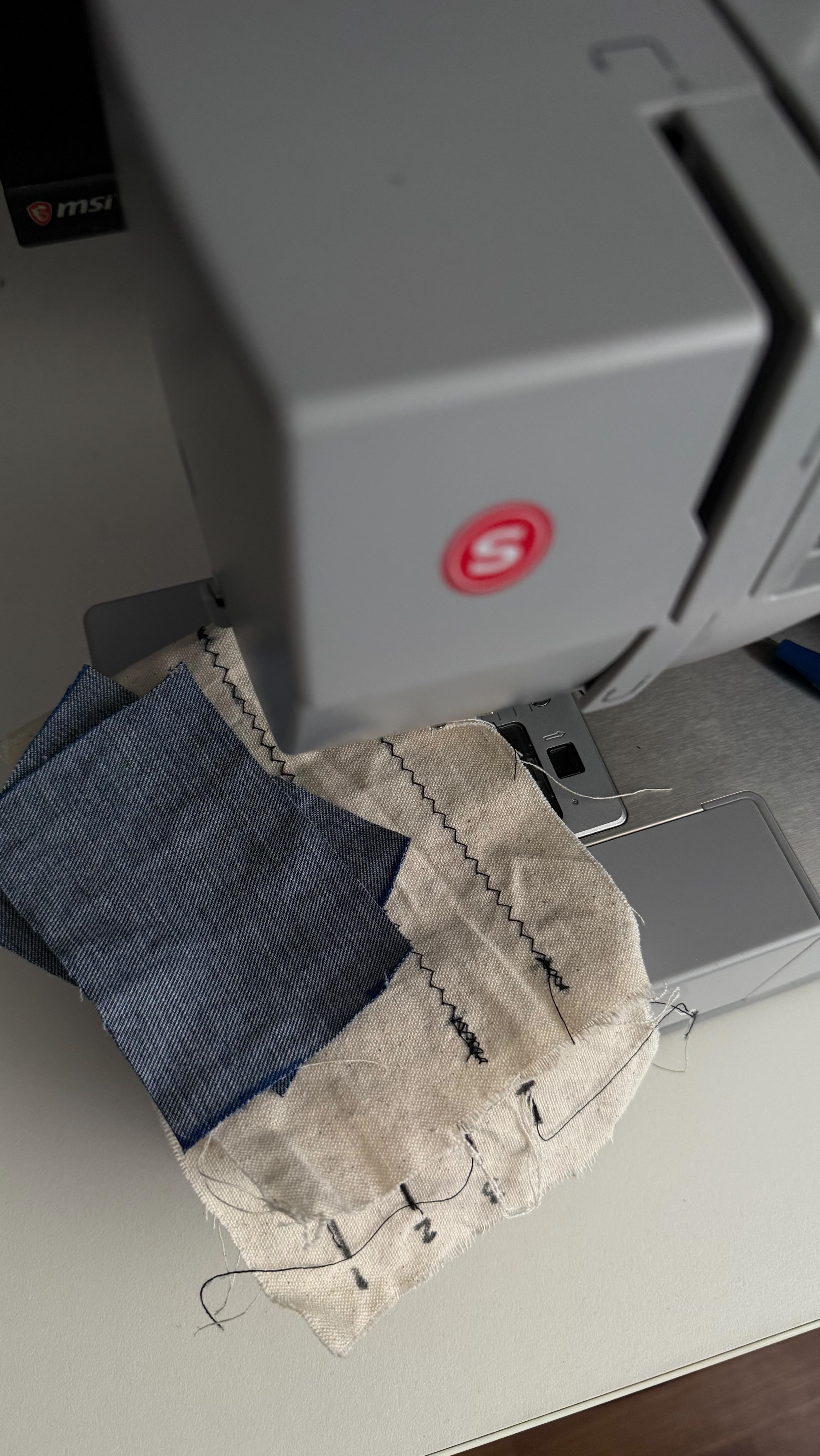
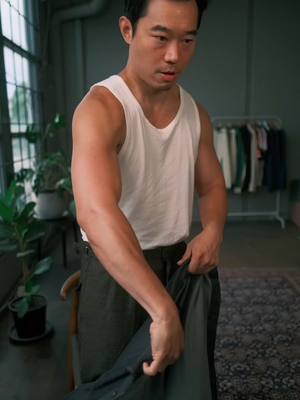
The creator starts with a "hot take" that most people can't identify quality clothing, then launches into an educational breakdown of what a seam is and why it's crucial for a garment's durability. He explains the concept of a "raw edge" and how different seam types are strategies to protect it, using a Pokemon analogy for effectiveness. The creator then details the three most common seams—overlocked, flat-felled, and open—explaining their construction, pros, cons, and ideal uses, before concluding that using the wrong seam is a sign of poor craftsmanship and teasing a part two.

[02]

Simple outline

  1. 1State a common ignorance
  2. 2Reveal a hidden vulnerability
  3. 3Provide a classification system
  4. 4Analyze examples with pros/cons
  5. 5Tease the next level

[03]

Related videos

[04]

Classification

Concepts
Tutorial / How ToHot Take
Elements
B-Roll CutawayText OverlayGraphic OverlayJump Cut

[05]

Hook analysis

What stops the scroll in the first 3 seconds

Title hook · 55%

hot take most people can't tell quality clothing

Verbal hook · 40%

I'll take worst people can't tell quality clothing from cheap clothing because they just don't know what to look for.

Visual hook · 5%

The video opens with an extreme close-up on the speaker's face, creating an immediate and personal connection. This is followed by rapid cuts between high-quality and low-quality examples of clothing to visually establish the video's premise.

[07]

Hook and payoff

The promise the opener makes, and how the video pays it back

Hook

A contrarian 'hot take' that challenges the viewer's ability to judge quality, immediately followed by a promise to provide the missing knowledge.

Payoff

A cliffhanger that validates the viewer's newly acquired knowledge while creating anticipation for the next level of expertise ('Part 2'), paired with a direct call to action to encourage engagement.

[08]

Narrative framework

The structural pattern this video runs on

Framework

The Expert Deconstruction

To empower viewers by revealing a hidden, technical aspect of a common subject, breaking it down into a classified list of types, and explaining the strategic 'why' behind each one.

  1. 1

    The Foundational Problem

    Establishes the core technical challenge or vulnerability that the items on the list are designed to solve (e.g., the 'raw edge' of fabric).

  2. 2

    The Strategic Reframe

    Positions the upcoming list items not as mere objects, but as distinct strategies or solutions to the foundational problem.

  3. 3

    The Relatability Bridge

    Uses a simple, universally understood analogy (like 'Pokemon types') to make the complex technical differences between the list items accessible and memorable.

  4. 4

    The Classification Gauntlet

    A systematic, numbered breakdown of the most common types. Each item is presented and evaluated using a consistent micro-pattern, building the viewer's expertise sequentially.

  5. 5

    The Grand Synthesis

    Delivers the ultimate lesson by stating that true quality isn't about the item itself, but the appropriateness of its application, tying all the previous points together into a single, actionable insight.

Themes

  • Consumer education
  • Craftsmanship
  • Sustainable fashion
  • Quality over quantity

Techniques

  • Analogical explanation (Pokemon)
  • Numbered listicle
  • Problem-solution framing

Trends

  • Educational content
  • Quality check
  • Conscious consumerism

Post caption

Quality check #1: what is a seam? Comment your favourite seam 🧶 leave any questions or suggestions in the comments! and if you have any useful insights please leave them below so we can all learn together! follow the journey to become an educated consumer

Text overlays

  • title · beginning

    hot take most people can't tell quality clothing

  • branding · beginning

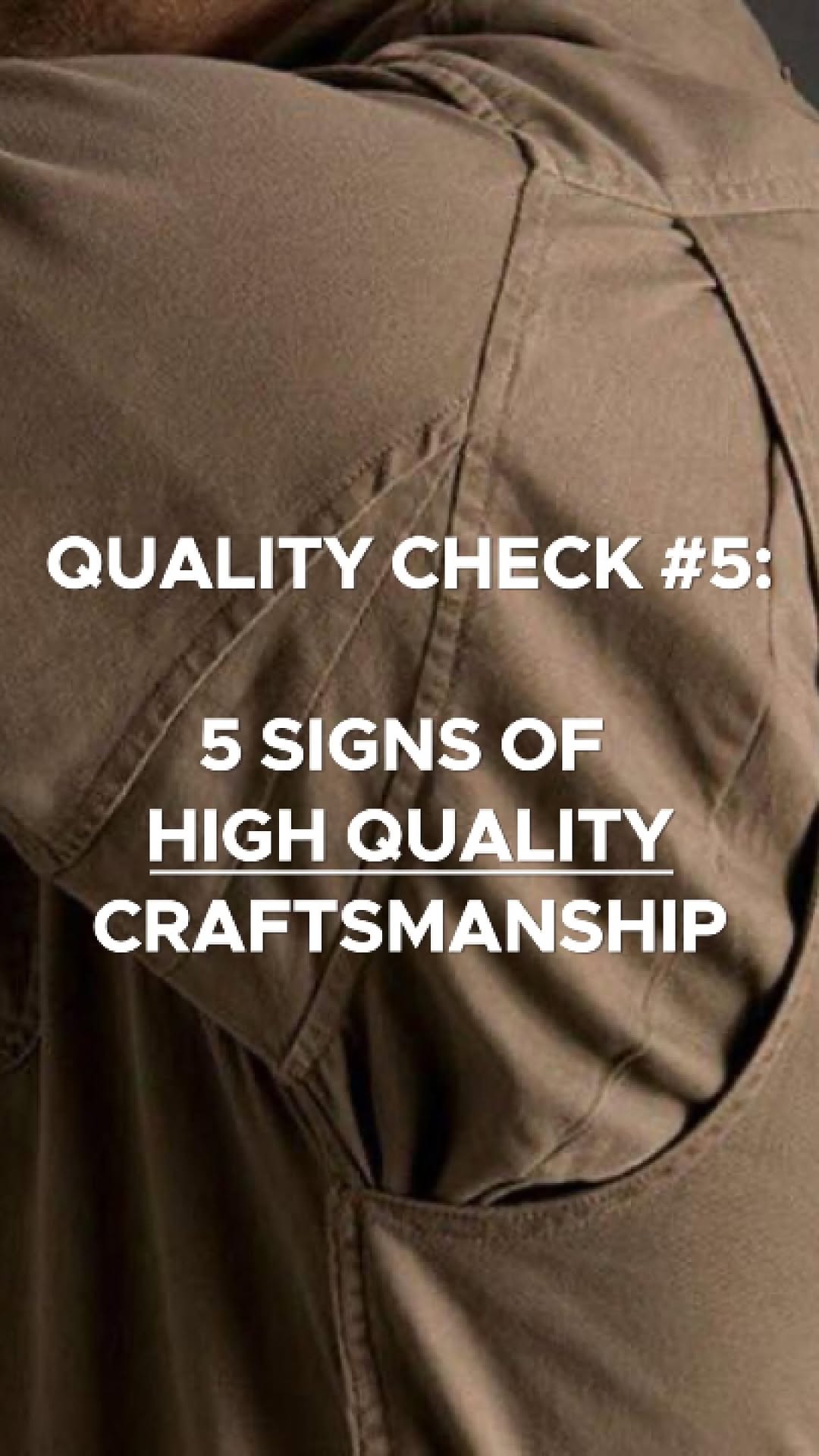
    QUALITY CHECK

  • title · beginning

    WHAT IS A SEAM

  • informational · middle

    think of seams like Pokemon types

  • informational · middle

    No. 1 the overlocked seam

  • informational · end

    No. 2

  • informational · end

    now the open seam No. 3

  • call-to-action · end

    comment if you want it

Transcript

I'll take worst people can't tell quality clothing from cheap clothing because they just don't know what to look for. So better fix that. Welcome to part one of quality check, what is a seam? Everything you wear, shirts, socks, underwear, is literally just cut fabric stitched together. A seam is the connection between those pieces, and here's why it matters. Clothes can come together fast and fall apart even faster if the seam is poor quality because seams take the most stress when you move. Before we go deeper, here's something most people don't know. When fabric is cut, the edge of it is called the raw edge. If you don't protect that that raw edge, it frays, unravels, and destroys the garment from the inside out. So every seam type is basically a different strategy for controlling or hiding the raw edge, while also connecting the two pieces of fabric together. And different garments need different strategies. Think of seams like Pokemon types. Some are super effective for heavy duty work wear, others are perfect for flowy trousers, and some are not very effective if used in the wrong garment. So here are the three most common seam types you'll actually see. Number one, the overlock seam, the most common seam. You know it via the looping thread on the inside. It stitches two fabric pieces together and wraps thread around the raw edge to stop fraying. Best to make and great for tier and tote bags general yes, but under heavy stress, those loops can snap and expose the raw edge. Then, the unraveling begins. Number two, flat best seam. This one hides the raw edges completely, folding them inside and stitching them down twice. It's super strong, super durable, and almost impossible to fray. That's why jeans and workwear use it. Downside? Side? It creates a big raised ridge that disrupts the flow on softer and drapier garments. No, the open seam, number three. Tier, the raw edges are overlock stitched first, and then the seam is pressed open no it lies flat. Cleaner, smoother, basically invisible from the outside, it's perfect for trousers and dresses. But the raw edge is still only protected by that one overlock stitch on either side, so heavy friction can still wear it down. One of the biggest signs of poor craftsmanship, using the wrong seam for the garment's purpose. And now that you know the seam types, the next step is judging whether the seam is actually well constructed. That's part two. Comment if you want it.