@sakata.ken
Instagram · Talking Head Edit

@sakata.ken Japanese Denim. A primer

@sakata.ken
Instagram · Talking Head Edit
@sakata.ken Japanese Denim. A primer
Performance
Video #15454 · Talking Head Edit
[01]
The creator explains the history of Japanese denim, starting with its origins in post-WWII Japan where American GIs introduced jeans. He details how denim became a symbol of counter-culture for Japanese youth, leading to a demand that outstripped supply and prompted Japan to begin its own production using American-sourced fabric, thus launching the first Japanese denim brands.
[02]
[03]
 4.2M6.8×Deconstructing denim's technical definition@frontoffice.co · Breakdown
 110.7K8.2×Comparing cheap vs expensive denim.@fineasjackson · Breakdown
 1.8M5.2×Debunks denim myths, shows innovations@frontoffice.co · Explainer
 1.6M20.6×Japan clothing shopping guide list@ceezee999 · Buying List
 307.3K3.4×Explaining true denim quality factors@ceezee999 · Breakdown
 480.1K1.1×Comparing three brands' design philosophies@frontoffice.co · Case Study Breakdown
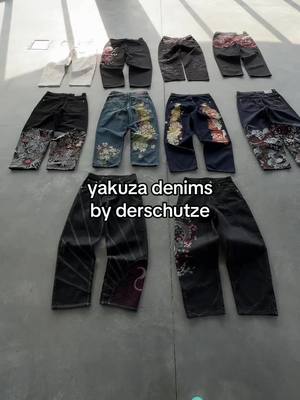 1.1M2.1×Rapid showcase of embroidered denim@derschutze · Product Showcase
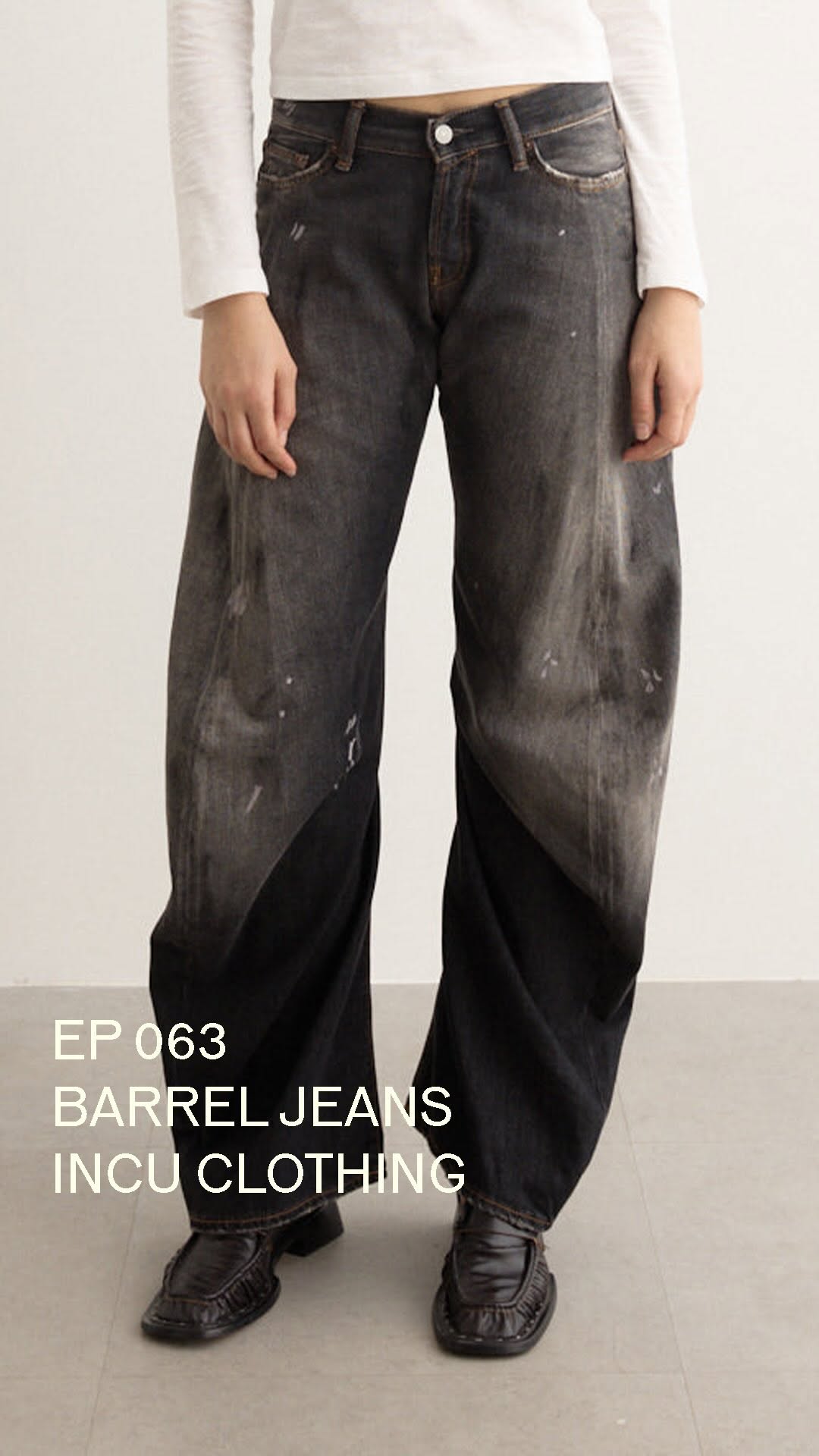 858.5K2.8×Expert explains barrel jeans history@sakata.ken · Breakdown
 118.9K1.1×Explaining why a jacket was poorly made@crust_young · Breakdown
 547.9K1.2×Showcasing embroidered jeans details@derschutze · Product Showcase
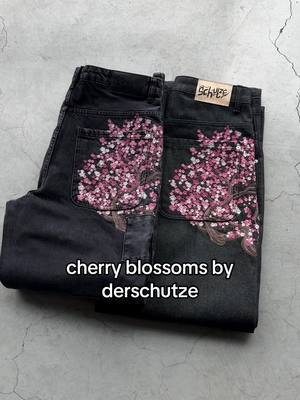 578.4K1.4×Aesthetic product montage with music@derschutze · Product Showcase
 942.4K1.5×Tracing the surprising history of pants@frontoffice.co · Origin Story
[04]
[05]
What stops the scroll in the first 3 seconds
Title hook · 55%
Japan makes
Verbal hook · 40%
Japan makes the best jeans in the world.
Visual hook · 5%
A speaker looks directly at the camera with an engaging expression, using hand gestures to emphasize his point.
[07]
The promise the opener makes, and how the video pays it back
Hook
A superlative statement or bold claim that establishes authority and creates an immediate question that the rest of the video promises to answer (e.g., 'X is the best in the world').
Payoff
The video ends by setting up the next phase of the historical narrative, creating an open loop that encourages viewers to seek out a continuation or follow for more information.
[08]
The structural pattern this video runs on
Framework
The Historical Deep Dive
To deconstruct a well-known concept by tracing its surprising historical evolution through distinct phases, transforming a simple statement into a compelling narrative of cultural and economic change.
The Defining Question
Immediately complicates the hook by revealing the topic is more nuanced than it appears, reframing the video as an investigation rather than a simple statement of fact.
The Unexpected Origin
Rewinds the narrative to an unexpected starting point, often involving a different culture or context, to subvert viewer expectations about the subject's history.
The Culture Clash Context
Establishes a 'before' state or a cultural conflict that explains *why* the subject became significant and desirable, providing the motive for its adoption.
The Catalyst Movement
Identifies the specific counter-cultural movement, group, or trend that adopted the subject, turning it into a powerful cultural symbol.
The Economic Pivot
Transitions the narrative from cultural significance to a practical, economic problem (e.g., scarcity, demand) that forces an industrial evolution.
The First Evolution (Replication)
Details the initial solution to the economic problem, establishing the 'first phase' of the subject's domestic development, often characterized by imitation or adaptation.
The Narrative Time Jump
Explicitly signals a shift forward in time to a new, distinct era, creating a clear chapter break and building anticipation for the next stage of the story.
The New Status Quo
Describes the changed landscape in the new era, establishing the context for the next phase of the narrative and acting as a cliffhanger.
Japanese Denim. A primer
contextual · beginning
Japan makes
contextual · beginning
Japanese denim?
contextual · beginning
starts with American denim
contextual · beginning
American soldiers
contextual · beginning
called them "Ji pan"
contextual · beginning
which is GI Pants
contextual · middle
of 1950s America
contextual · middle
American jeans
contextual · middle
counter-cultural movements
contextual · middle
Marxist student
contextual · middle
anti-Vietnam war protester
contextual · middle
hippie movement
contextual · middle
use American jeans
contextual · middle
for American jeans
contextual · middle
outstripped supply
contextual · end
sourced from Cone Mills
contextual · end
and sewn in Japan
contextual · end
like Edwin
contextual · end
like Big John
contextual · end
the mid 1980s
Japan makes the best jeans in the worse. But what is Japanese denim? That's actually a really difficult thing to answer because Japanese denim has meant different things at different times. So the story of Japanese denim actually starts with American denim sourced from American soldiers post war. They called them 'G pant' which is 'G I' pants. The laid back aura of nineteen fifty's America was in stark contrast to what was happening in Japan at the time, a very structured, highly codified social order with lots of rules and lots of history. American jeans becomes the uniform for a lot of counter cultural movements in Japan. Like if you were a Marxist student, if you were an anti Vietnam war best, if you were part of the Japanese hippie movement which is highly influenced from America, all of these counter cultural movements yes American jeans as part of their uniform. So eventually demand for American jeans outstripped supply. Japan needed to start making its own jeans, so fabric was sourced from Kone Mills, which is the Levi supplier, and then cut and sewn in Japan. And that started the oldest Japanese denim brands like Edwin, like Big John. So let's fast forward twenty five years, now we are in phase two in the mid nineteen eighties. Jeans are now mainstream globally, both in The United