@ceezee999
Instagram · Talking Head Edit
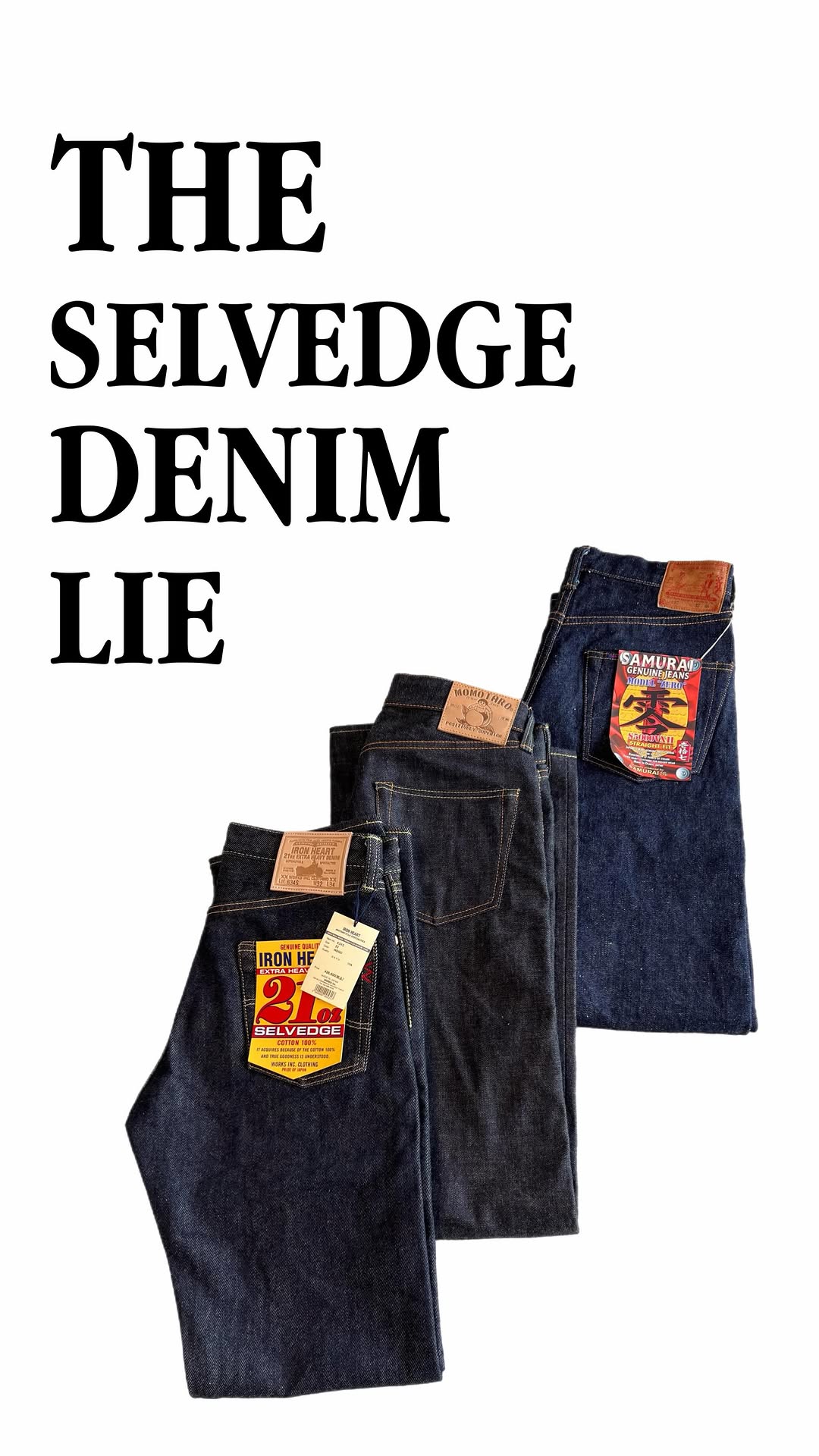
@ceezee999 how to spot the best jeans #jeans #selvedge #selvedgejeans

@ceezee999
Instagram · Talking Head Edit
@ceezee999 how to spot the best jeans #jeans #selvedge #selvedgejeans
Performance
Video #20791 · Talking Head Edit
[01]
The creator directly addresses the camera to debunk common consumer misconceptions about denim quality, specifically challenging the overreliance on selvedge IDs and Japanese origins as ultimate markers of value. He systematically breaks down the actual technical factors that affect how jeans fade, feel, and last, using detailed B-roll and graphic diagrams to explain cotton staple lengths, ring-spun versus open-end spinning methods, and rope dyeing versus slasher dyeing techniques.
[02]
[03]
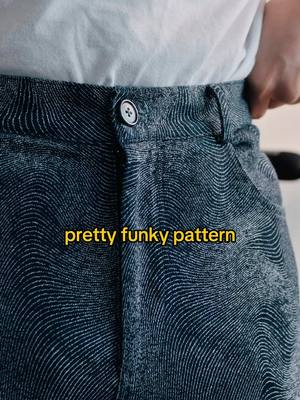 1.8M5.2×Debunks denim myths, shows innovations@frontoffice.co · Explainer
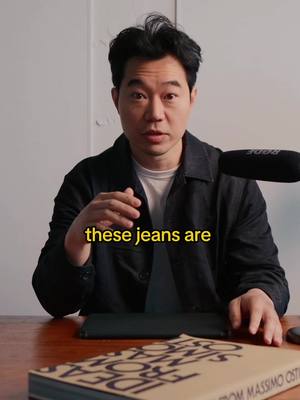 4.2M6.8×Deconstructing denim's technical definition@frontoffice.co · Breakdown
 110.7K8.2×Comparing cheap vs expensive denim.@fineasjackson · Breakdown
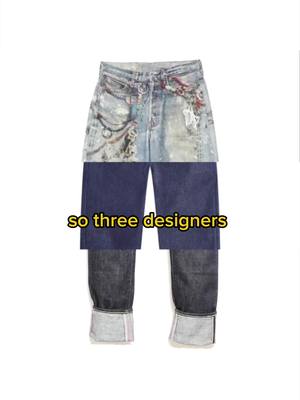 480.1K1.1×Comparing three brands' design philosophies@frontoffice.co · Case Study Breakdown
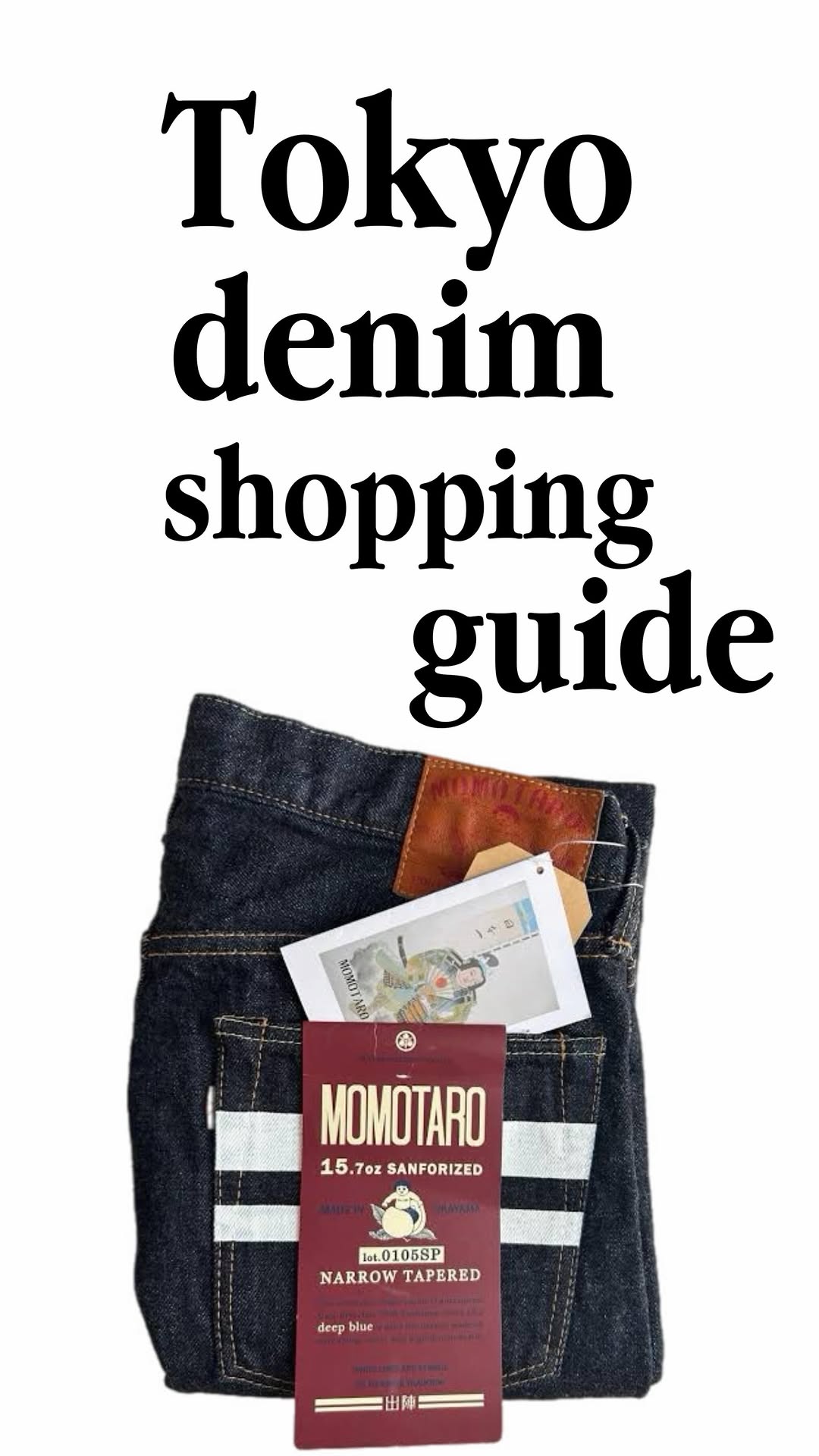 1.6M20.6×Japan clothing shopping guide list@ceezee999 · Buying List
 565.7K1.7×Explaining Japanese denim's origin story@sakata.ken · Origin Story
 1.1M17.4×Denim fade update and tutorial@crust_young · Tutorial / How To
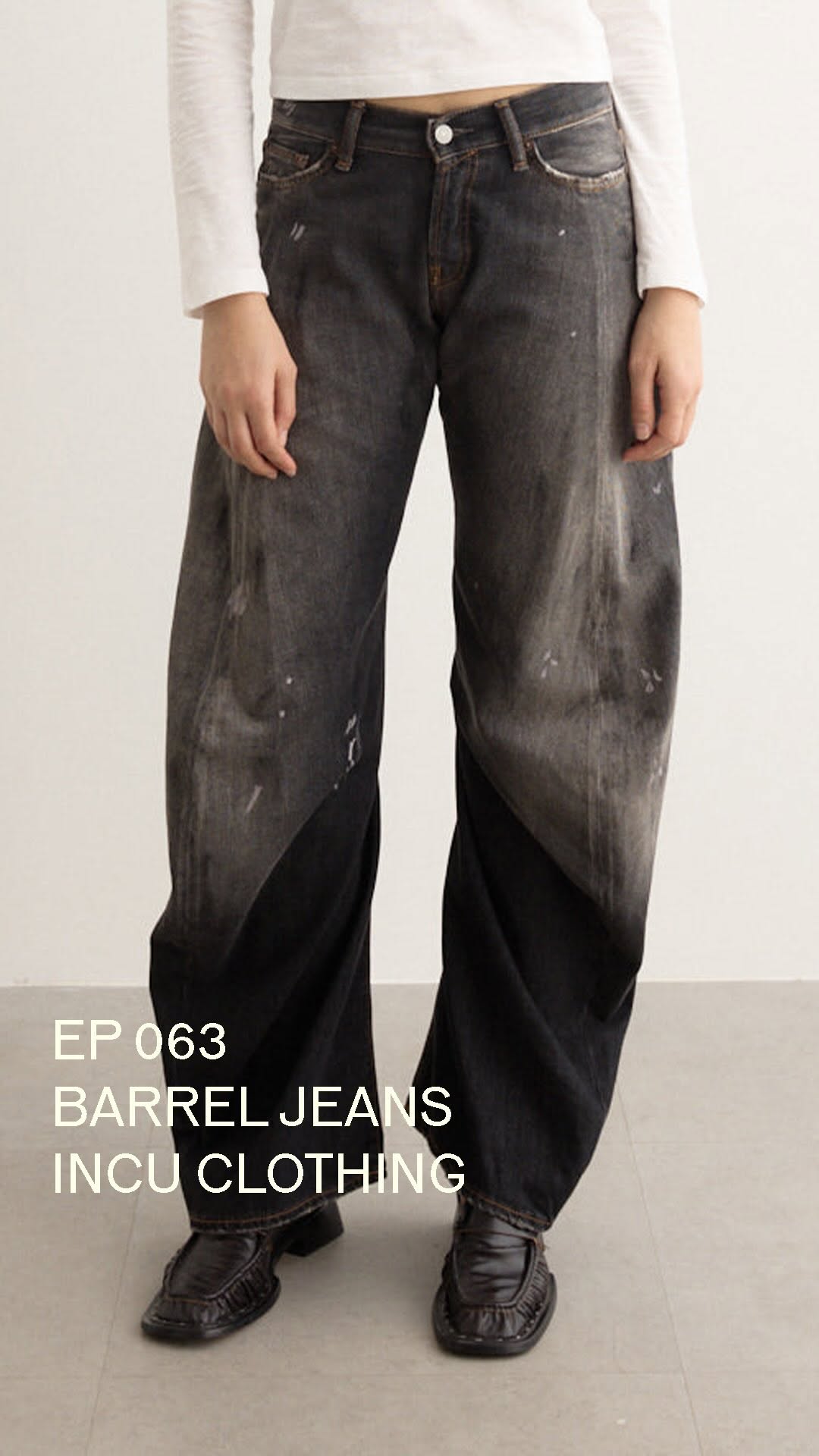 858.5K2.8×Expert explains barrel jeans history@sakata.ken · Breakdown
 547.9K1.2×Showcasing embroidered jeans details@derschutze · Product Showcase
 361K1×Designer deconstructs the perfect dad jean@frontoffice.co · Breakdown
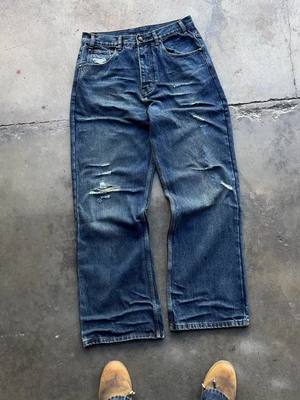 510.8K3.7×Aesthetic montage showcasing vintage denim@ditch.la · Product Showcase
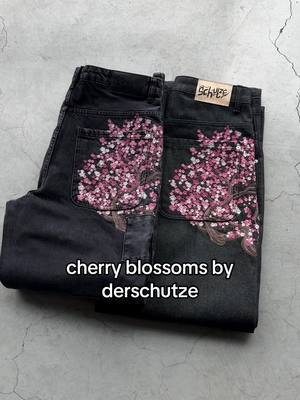 578.4K1.4×Aesthetic product montage with music@derschutze · Product Showcase
[04]
[05]
What stops the scroll in the first 3 seconds
Verbal hook · 65%
Most people don't understand what actually makes jeans high quality because the first thing people look for, this little ID, doesn't tell you anything.
Visual hook · 35%
The video opens with a direct address from the speaker, immediately followed by a rapid cut to a close-up of a person painting a design on a denim pocket, overlaid with a large red 'X' graphic to create a stark visual pattern interruption.
[06]
Steal this for your own video
Most don't actually understand what makes high quality, because the first thing everyone looks for doesn't tell you anything.
[07]
The promise the opener makes, and how the video pays it back
Hook
The creator immediately invalidates a popular visual cue that consumers use to judge quality, creating an information gap that demands resolution.
Payoff
The ultimate conclusion shifts the power back to the consumer, offering a personalized decision matrix based on their specific values rather than an objective 'best in class' declaration.
[08]
The structural pattern this video runs on
Framework
The Paradigm-Shifting Deep Dive
Dismantle a mainstream misconception about product quality to establish authority, then rebuild the viewer's understanding from the ground up using technical, objective trade-offs rather than subjective hype.
The False Idol
Explain exactly why the commonly accepted quality indicator is misleading, incomplete, or merely a marketing trademark.
The Paradigm Shift
Replace the viewer's linear 'good vs. bad' mindset with a nuanced 'trade-off' framework, establishing that perfection is subjective.
The Foundation Layer
Break down the base material choices (e.g., fiber length, ingredient quality) and how they dictate the product's long-term lifecycle.
The Processing Divergence
Compare distinct manufacturing methods, highlighting how each technique serves a different functional or aesthetic end goal.
The Aesthetic Engine
Explain the specific technical process responsible for the product's most coveted visual or functional trait, detailing the science behind the appeal.
The Hype Demolition
Systematically dismantle secondary industry myths, such as geographical superiority, brand legacy, or vintage romanticism.
how to spot the best jeans #jeans #selvedge #selvedgejeans
informational · beginning
Simple selvedge Reinforced
informational · beginning
Benefit towards meeting objective A Benefit towards meeting objective B
informational · middle
Ring Spun Compact Open End
informational · middle
Fibre sliver Rotating beater Yarn Open-end yarn
Worst people don't understand what actually makes jeans high quality because the first thing people look for, this little ID, doesn't tell you anything. And brands are betting you'll blindly accept this quality trademark. This ID, otherwise known as salvage, only really tells you how the edge of the fabric was finished. That's it. Once you understand that, something else becomes clear. There's no such thing as best quality denim. Most people think it's a hierarchy, but you actually need to choose between a set of trade offs. What actually determines how jeans fade, feel, and last has nothing to do with labels or countries. All starts with the fabric itself before the jeans even exist. The denim quality begins with cotton, specifically tier length of these cotton fibers. Long staple cotton creates yarns that soften over time. Short staple cotton is cheaper, more uniform, and gets more stiff as it ages. Best that cotton alone isn't enough. All that cotton is spun into fabric completely changes everything. There are two main methods, ring spun and open end spun. Ring spinning is slower and more expensive. Twisting fibers gradually neatly in a singular direction. Create a stronger yarn with some natural variation, and that variation is key. That is exactly what gives your denim more character. I'm talking texture, uneven fading, and fabric that evolves as you wear it. When you rank of that fiber in a high speed blender, everything gets twisted quickly resulting in a thicker, rougher yarn. Neither is really better, but they just prioritize different outcome. But then comes dyeing. And this is where those sick fades are determined before you even put the jeans on. Rope dyeing more traditional method dips yarn into indigo again and again and again, letting oxygen set the dye between yes, essentially leaving the core of the yarn in its original color, white, like cotton. So as you wear the jeans, the indigo fades away, that contrast appears. Slasher dyeing is a lot faster, absorbs more dye, fades more evenly, stays visually consistent for longer. Now this is where all denim myths fall apart. People say Japanese denim is always better. It's not. Japan is excellent preserving traditional methods, working in small batches, and producing fabrics that give character. But not all Japanese denim is good. Not all good denim is Japanese. Japan isn't better. Yes. You could say they're just more opinionated. The same applies to vintage jeans. Old jeans aren't magical just because they're old. They're only better when the cotton was superior and the processes were slower. Plenty of vintage jeans are stiff, degraded, and kind of overrated. Use it as a reference point and never a real guarantee. Country of origin works the same way. Japan, The US, China, India. Country matters only sometimes because it correlates with priorities, not because of geography. So what makes the best jeans? It depends on what you value. If you want jeans that fade, soften, and tell a story over decades, you want the materials and processes that allow that. If you want consistency from day one, modern methods make more sense. Once you see that there's no real discussion for what's objectively best. Using your jeans becomes easy.