@fineasjackson
Instagram · Talking Head Edit

@fineasjackson $400 for a pair of jeans…why? How is that possible? Part 1

@fineasjackson
Instagram · Talking Head Edit
@fineasjackson $400 for a pair of jeans…why? How is that possible? Part 1
Performance
Video #18614 · Talking Head Edit
[01]
The creator compares a $40 pair of jeans to a $400 pair, questioning the price difference. He defines denim's origin and weave, then breaks down the mass-production process of the cheaper pair, including low-cost materials, high-speed weaving, and artificial aging techniques. He contrasts this with the expensive pair's focus on evolution and quality, ending with a cliffhanger about Japan's role in preserving high-quality denim for a part two.
[02]
[03]
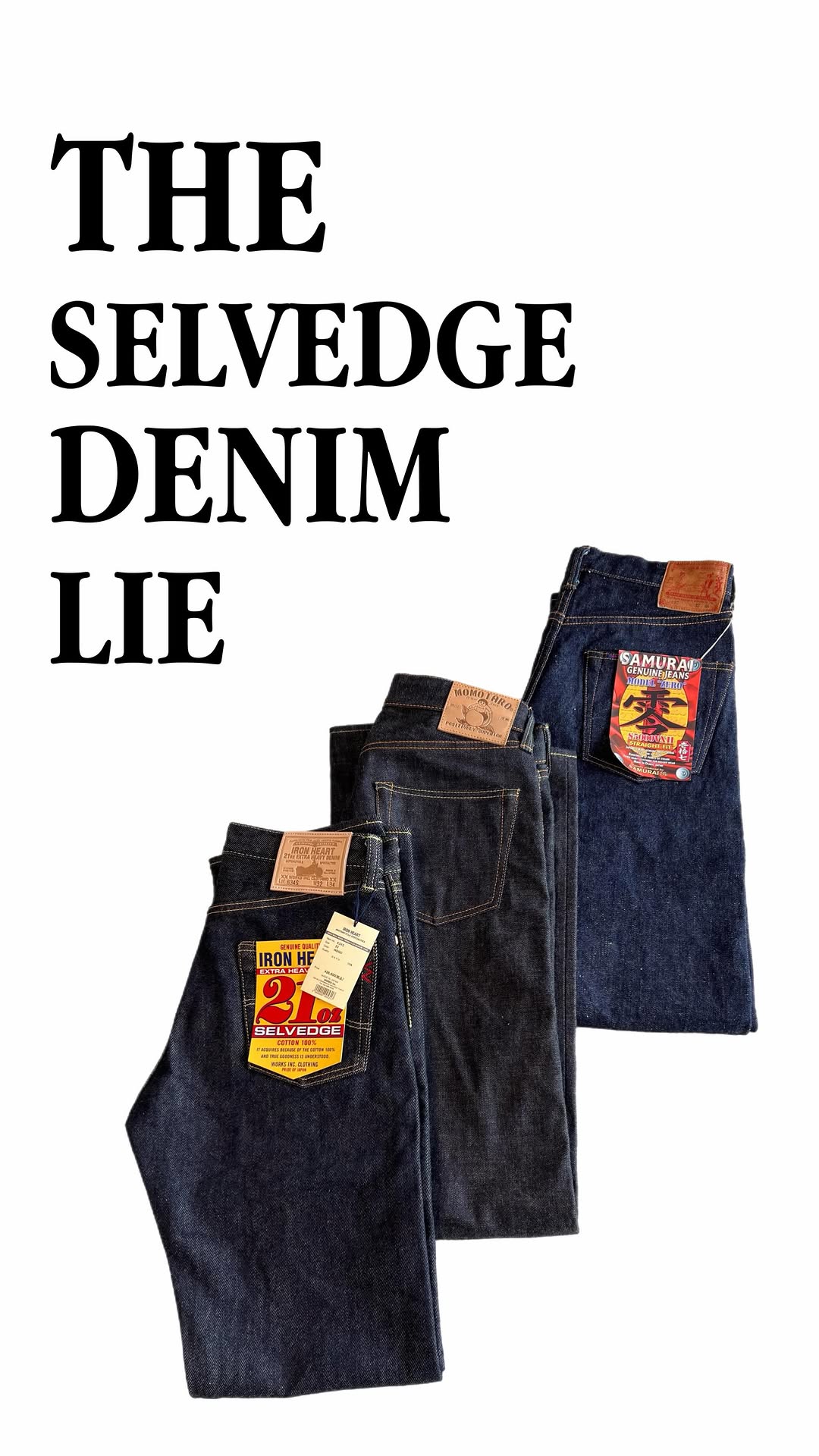 307.3K3.4×Explaining true denim quality factors@ceezee999 · Breakdown
 1.8M5.2×Debunks denim myths, shows innovations@frontoffice.co · Explainer
 4.2M6.8×Deconstructing denim's technical definition@frontoffice.co · Breakdown
 565.7K1.7×Explaining Japanese denim's origin story@sakata.ken · Origin Story
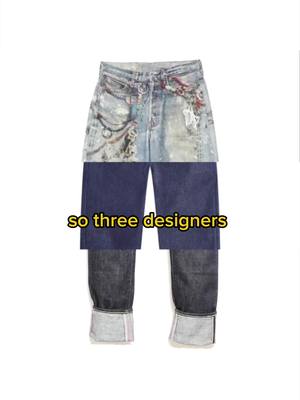 480.1K1.1×Comparing three brands' design philosophies@frontoffice.co · Case Study Breakdown
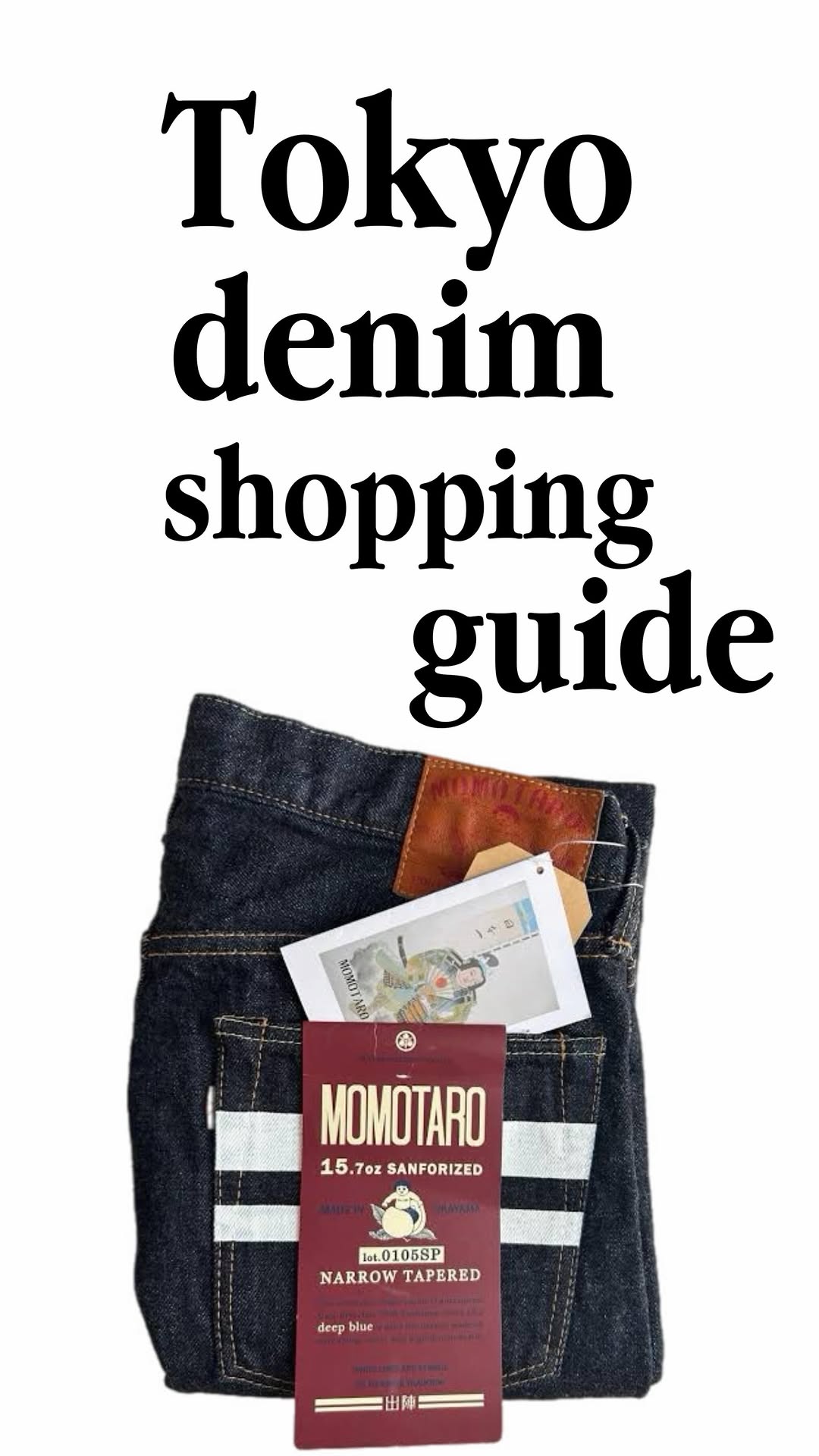 1.6M20.6×Japan clothing shopping guide list@ceezee999 · Buying List
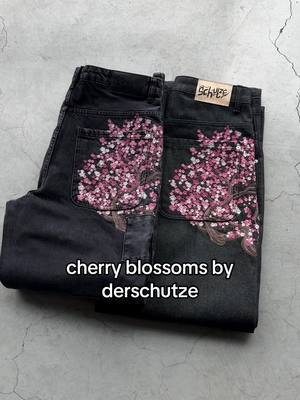
 547.9K1.2×Showcasing embroidered jeans details@derschutze · Product Showcase
 578.4K1.4×Aesthetic product montage with music@derschutze · Product Showcase
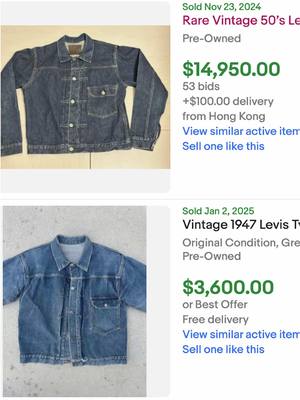 118.9K1.1×Explaining why a jacket was poorly made@crust_young · Breakdown
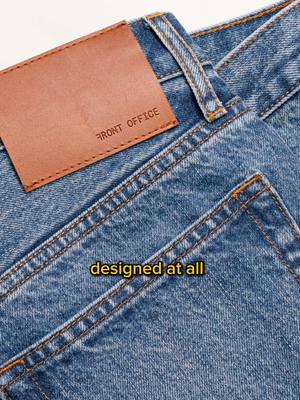 361K1×Designer deconstructs the perfect dad jean@frontoffice.co · Breakdown
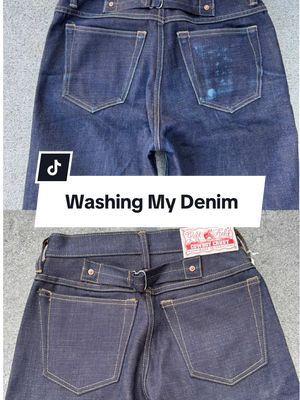 1.1M17.4×Denim fade update and tutorial@crust_young · Tutorial / How To
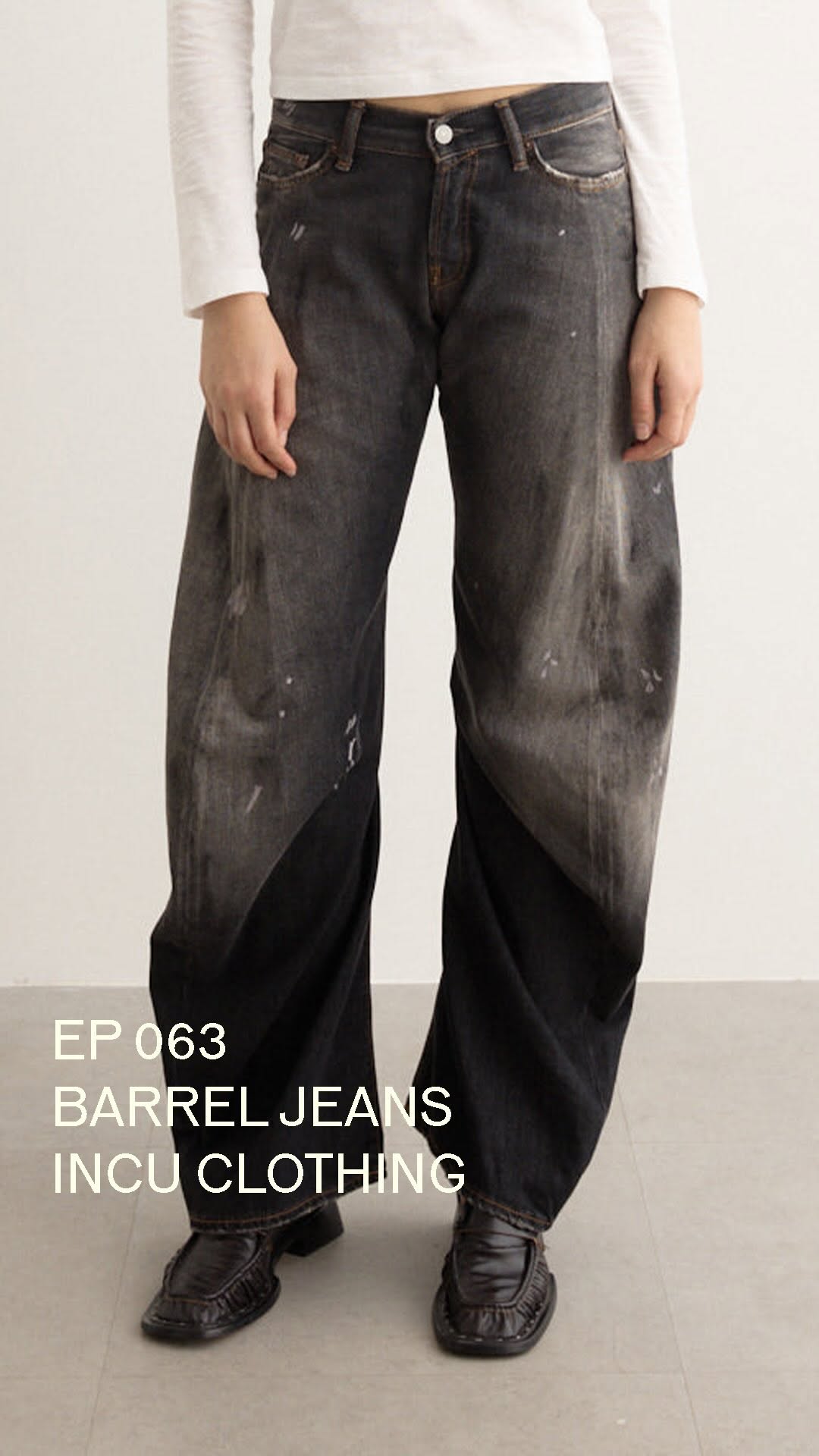 858.5K2.8×Expert explains barrel jeans history@sakata.ken · Breakdown
[04]
[05]
What stops the scroll in the first 3 seconds
Title hook · 45%
$40
Verbal hook · 40%
So these jeans cost $40 and these cost $400.
Visual hook · 15%
A quick cut from the speaker to a clean product shot of jeans with a large, high-contrast price overlay ($40), immediately establishing a price comparison and creating an information gap.
[06]
Steal this for your own video
$ vs $ : Here's what you're actually paying for
[07]
The promise the opener makes, and how the video pays it back
Hook
Present two visually similar items with a stark, counter-intuitive price difference, immediately creating a question of value that the video promises to answer.
Payoff
A direct narrative cliffhanger that explicitly defers the resolution of the story to a 'Part 2,' creating strong incentive for the viewer to follow and return.
[08]
The structural pattern this video runs on
Framework
The Value Deconstruction
To explain the hidden value difference between two seemingly identical items (one cheap, one expensive) by revealing the philosophies, processes, and history behind them, positioning one as a commodity and the other as an investment.
The Value Inquiry
Explicitly state the commonalities between the items to deepen the mystery of the price gap, and directly ask the audience the core question the video will explore.
The Foundational Reframe
Correct a common misconception about the subject matter. This establishes the creator's authority and provides the viewer with a new, 'insider' framework for understanding the topic.
The Origin Story
Provide a brief, interesting historical or etymological anecdote about the subject. This adds a layer of intellectual depth and romanticism, elevating the topic beyond a simple comparison.
Anatomy of the Accessible
Systematically break down the cheaper item's creation process. This section focuses on the philosophy of mass production: speed, volume, synthetic materials, and creating an 'instant' final look.
Anatomy of the Aspirational
Introduce the core philosophy of the expensive item. Frame it not as a finished product, but as an object designed for evolution, longevity, and long-term value.
The Preservation Paradox
Introduce an ironic twist or surprising cultural insight that re-contextualizes the history of the item, often revealing how an outside group preserved the 'authentic' version.
$400 for a pair of jeans…why? How is that possible? Part 1
informational · beginning
$40
informational · beginning
$400
branding · beginning
"Chasing Beauty" Episode 17
branding · beginning
Lighthouse
call-to-action · end
FOLLOW FOR PART 2
No these jeans cost $40 And these cost $400 They're both denim. And they're both that iconic blue color. So where is that extra tier going? And why can't you tell just by looking at the label? This is episode 17 of Chasing Beauty. If you like this series, season two will be launching on Lighthouse. Waitlist in my bio. Most people think denim is one material, but it isn't. Denim is actually a specific type of weave. A twill pattern where the yarns are staggered as they cross. This is what creates the diagonal lines that you see on denim fabric. The popular story is that denim's name comes from France. Specifically, the term serge denim, meaning serge cloth from Nimes, a city in France. Over tier, the phrase got shortened to just denim. Though the original serge, which is a type of twill cloth, likely wasn't cotton denim that we know today. Now better take a look at the tier jeans. At this price point, speed is the product. The fabric is built for sheer volume. It's made of lower cost cotton, typically blended with polyester or elastane, and woven wide and fast on automatic shuttle best looms. Then factories age it for you, so it looks broken in from day one. Techniques like stonewashing, resin, worse, and distressing. The system is optimized for an instant look, extremely fast sale throughput, and a lower price. And that iconic blue? In most denim, it's synthetic indigo. The $400 pair is optimized for evolution. It's built to look better in a year than it does today. And the irony is, the reason this style of denim still exists is largely thanks to the Japanese. America popularized the icon and Japan preserved the piece that made it special. But that's a story for part two.