The creator introduces the classic Prisoner's Dilemma game theory scenario, explaining the mathematical optimal strategy of cooperation. She then pivots to apply this framework to massive real-world historical and modern issues, including the Cold War nuclear arms race, the rapid development of AI, and toxic social media algorithms, concluding with a poignant observation about the difficulty of collective cooperation.
Post caption
In 1950, two mathematicians built a game that was never meant to be played.
It’s one of the most famous examples in game theory.
It had two players, two moves, and no way to win.
Then someone figured out how to win it — and the answer is the antithesis of everything we are doing today.
Transcript
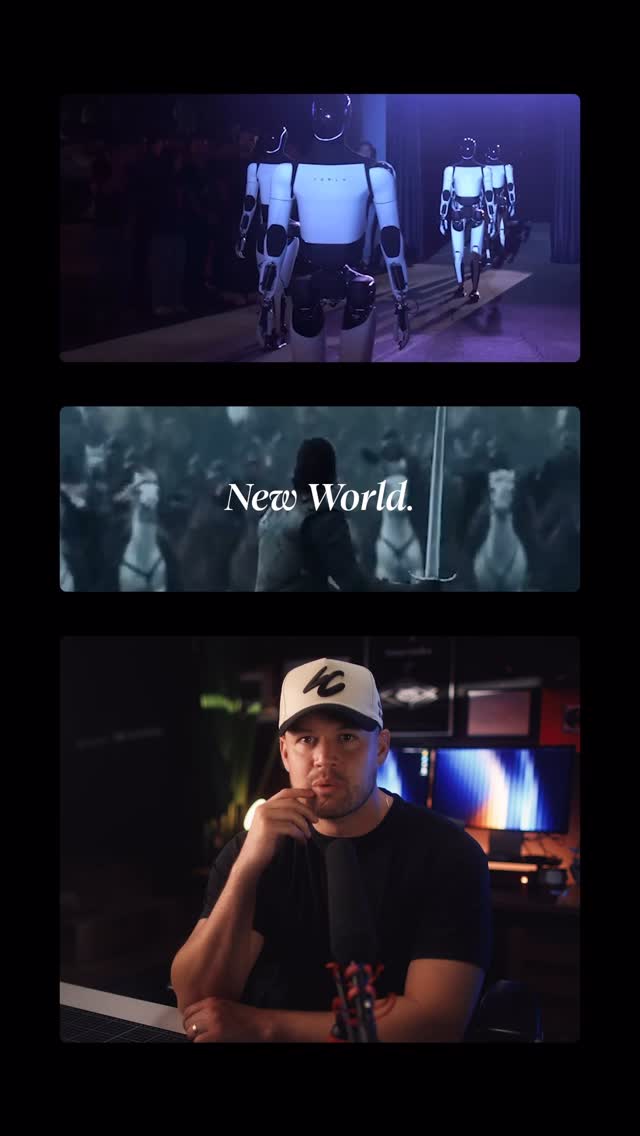
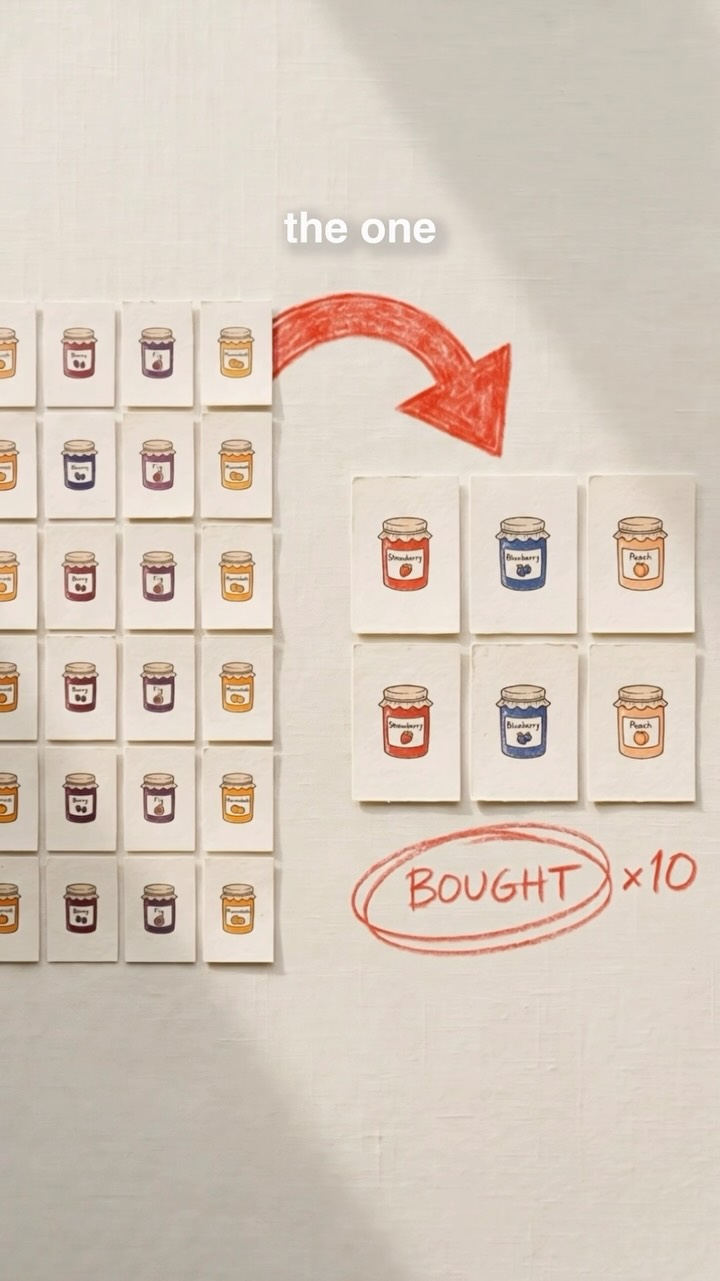
You're in a room. There's someone else in a room just like yours. You can't talk to them. You'll never meet them. You only have two options, cooperate or betray. If you both cooperate, you both get $300. If you both betray, you both get a $100. But if you betray while they cooperate, you get $500 and they get nothing. So what do you choose? When computer scientists simulated this game millions of times, the strategies built around betrayal eventually collapsed. In order to win this game, the rules were this, never betray and forgive fast. That's the theory. We've been playing this game for decades, but we keep choosing the same thing. In 1986, The US and The USSR had 70,000 combined nuclear warheads, enough to end Earth 10 times over. But both sides kept building because the other might. Every AI lab admits that this technology might be dangerous, but they keep building faster because the first one to stop loses. Every social media platform has proven that the algorithms are bad for mental health, But the one that fixes it loses the engagement to the one that doesn't. Matt has known the answer to this game for seventy years, but doing the right thing only works if everybody does it. So no one does.