Viral Hooks
Trending short videosGreenscreen synthetic food ingredient explainer
Z

@zephzoid

Instagram · Greenscreen Talking Head

@zephzoid The FDA just approved a manmade dye called beetroot red that can use the label “No Artificial Colors.” Despite the name, beetroot red contains NO beets — it is produced through precision fermentation from a small sliver of DNA. The genetically engineered yeast is placed in industrial stainless-steel fermentation tanks and fed simple sugars and minerals. Normally you are required to disclosed “bioengineered food” but since the GMO DNA is absent in the final product they were able to bypass the disclosure agreement. FDA also allows common carrier agents like gum arabic and maltodextrin to be used in the process, yet not labeled. The approval of Beetroot Red came after a petition from Phytolon, the Israeli biotech startup that created it. It also came with new labeling rules so products using it can display “No Artificial Colors” despite this being made through synthetic biology. This comes despite the primary safety profile being on a 90 day rat study and this compound NEVER being studied in humans. The product was expected to hit US markets Monday but has been delayed - yet it is still coming. Approval comes just months after artificial food dyes like Red 40 are being phased out of the food supply. Most consumers had imagined it would be replaced with things like real beet juice, or how about this neat idea…not coloring our food? Beetroot Red is a prime example of why we should be buying food from farmers and not lab coats.

View original on Instagram

The edit1 shot · 1 text
Shots Text1:23

Performance

Views
566.5K
Likes
33.2K
Comments
686
Engagement
6%
Outlier
47.5×
Length · 8 Apr 2026
1:23

Video #23449 · Greenscreen Talking Head

Greenscreen synthetic food ingredient explainerfrom @zephzoid

[01]

Overview

The creator uses a greenscreen format to break down the FDA's recent approval of a synthetic dye called 'beetroot red', explaining its lab-grown origins and regulatory loopholes before pivoting to advocate for local agriculture and pitching the Localize app as a solution for finding real food.

[02]

Simple outline

  1. 1State shocking official approval
  2. 2Expose deceptive manufacturing process
  3. 3Reveal regulatory loopholes
  4. 4Highlight safety concerns
  5. 5Provide actionable solution

[03]

Related videos

[04]

Classification

Concepts
Breakdown
Elements
Text OverlayGreen Screen CompositeTitle Text Hook

[05]

Hook analysis

What stops the scroll in the first 3 seconds

Title hook · 45%

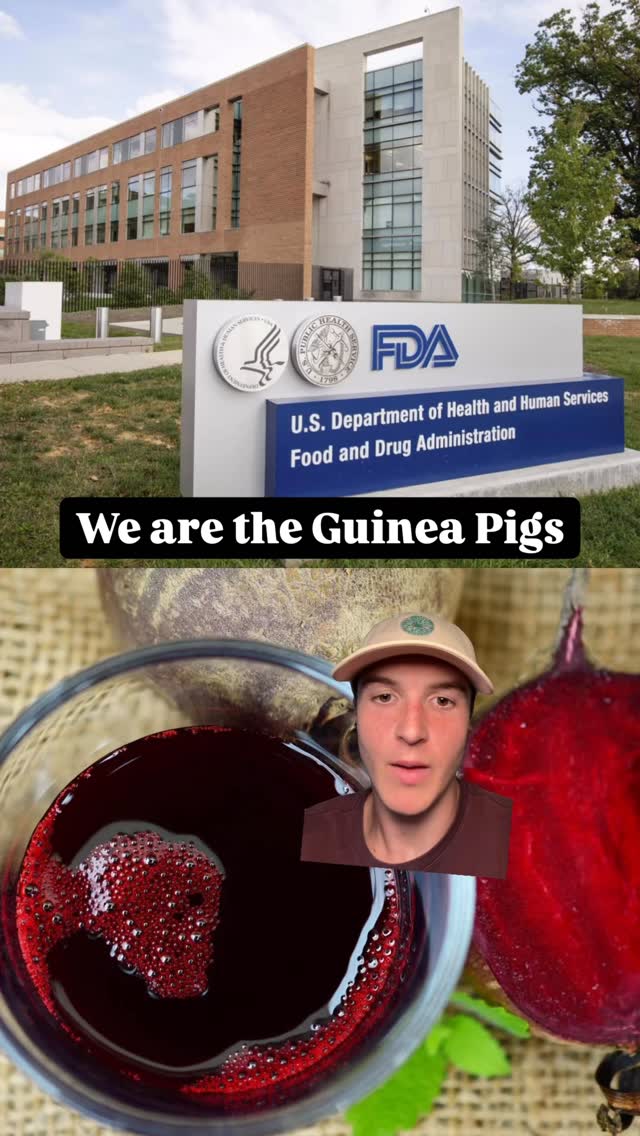
We are the Guinea Pigs

Verbal hook · 50%

I wish this was fake, but the FDA actually just approved a man made dye that can use the label no artificial color.

Visual hook · 5%

The video opens with a stark visual contrast: a greenscreen cutout of the speaker overlaid on the official FDA building, juxtaposed with a glass of dark red liquid and a raw beetroot to immediately establish the subject matter.

[06]

Hook template

Steal this for your own video

I wish this was fake, but [authority figure] just approved [deceptive practice] that can legally be called [misleading label].

  • — I wish this was fake, but the FDA just approved a lab-made protein that can legally be called all-natural.
  • — I wish this was fake, but the USDA just approved a factory-farmed process that can legally be called humanely raised.
  • — I wish this was fake, but the FTC just approved a hidden fee structure that can legally be called a free membership.

[07]

Hook and payoff

The promise the opener makes, and how the video pays it back

Hook

Deliver a shocking revelation about an official or regulatory decision that directly contradicts consumer expectations or common sense.

Payoff

Conclude with a clear, actionable solution (often a specific tool, app, or behavioral shift) that empowers the viewer to opt out of the compromised system.

[08]

Narrative framework

The structural pattern this video runs on

Framework

The Regulatory Exposé Blueprint

Presenting a shocking official approval or regulation, systematically deconstructing the deceptive reality behind it, exposing the systemic loopholes, and offering a consumer-empowering solution.

  1. 1

    The Deception Reveal

    Contrast the benign-sounding name or label of the subject with its highly industrial, unnatural, or concerning actual manufacturing process.

  2. 2

    The Loophole Breakdown

    Explain the specific technicalities or legal loopholes that allow the creators to bypass standard disclosure, labeling, or safety rules.

  3. 3

    The Hidden Elements

    Reveal additional undisclosed components, ingredients, or processes that further undermine the subject's perceived safety or naturalness.

  4. 4

    The Corporate Origin

    Identify the specific corporate entity or startup behind the push, adding a tangible antagonist to the narrative.

  5. 5

    The Safety Deficit

    Highlight the alarming lack of long-term or relevant (e.g., human) safety testing for the newly approved item.

  6. 6

    The Imminent Threat

    Establish urgency by confirming the product or regulation is either already active or arriving in the market very soon.

  7. 7

    The Contextual Irony

    Point out the irony of the situation by contrasting the new reality with what consumers actually want, expect, or were promised.

Themes

  • Food safety and regulation
  • Corporate transparency
  • Advocacy for local agriculture

Techniques

  • Greenscreen background replacement
  • Static text overlay
  • Visual evidence presentation

Trends

  • Anti-processed food advocacy
  • Ingredient transparency

Post caption

The FDA just approved a manmade dye called beetroot red that can use the label “No Artificial Colors.” Despite the name, beetroot red contains NO beets — it is produced through precision fermentation from a small sliver of DNA. The genetically engineered yeast is placed in industrial stainless-steel fermentation tanks and fed simple sugars and minerals. Normally you are required to disclosed “bioengineered food” but since the GMO DNA is absent in the final product they were able to bypass the disclosure agreement. FDA also allows common carrier agents like gum arabic and maltodextrin to be used in the process, yet not labeled. The approval of Beetroot Red came after a petition from Phytolon, the Israeli biotech startup that created it. It also came with new labeling rules so products using it can display “No Artificial Colors” despite this being made through synthetic biology. This comes despite the primary safety profile being on a 90 day rat study and this compound NEVER being studied in humans. The product was expected to hit US markets Monday but has been delayed - yet it is still coming. Approval comes just months after artificial food dyes like Red 40 are being phased out of the food supply. Most consumers had imagined it would be replaced with things like real beet juice, or how about this neat idea…not coloring our food? Beetroot Red is a prime example of why we should be buying food from farmers and not lab coats.

Text overlays

  • title · throughout

    We are the Guinea Pigs

Transcript

I wish this was fake, but the FDA actually just approved a man made dye that can use the label no artificial color. Despite its name, Beetroot Red contains no actual beets. It is produced through precision fermentation from a small sliver of DNA. That genetically engineered yeast is placed in industrial stainless steel fermentation tanks and fed simple sugars and minerals. Normally, they would have to disclose bioengineered food, but since the GMO DNA is absent in the final product, they were able to bypass this disclosure agreement. What the FDA also doesn't tell you is it allows common carrier agents like gum Arabic and maltodextrin to be used in the process, yet not labeled. Beetroot Red was also approved shortly after a petition was submitted by Phytolon, the Israeli biotech startup that created it. That approval also comes with new labeling rules, so products using it can display no artificial colors despite this being made through synthetic biology. And this is all while the primary safety profile is on a ninety day rat study and this compound never being studied in human. Product was expected to hit US markets this week, but has now been delayed, yet it is still coming. Timing is also pretty wild with artificial food dyes like Red tier just starting to be phased out of the food supply. I don't think it would be too far to say that most consumers would expect it would be replaced by real beet juice or paprika, or just no coloring our food. Beetroot Red is a clear example of why we should be eating our food from farmers and not people in lab coats. You can use Localize to find those small farmers near you.

Greenscreen synthetic food ingredient explainer | Viral Hooks