Viral Hooks
Trending short videosExplaining economics using blue dye
M

@maxxrosenblum

Instagram · Greenscreen Talking Head
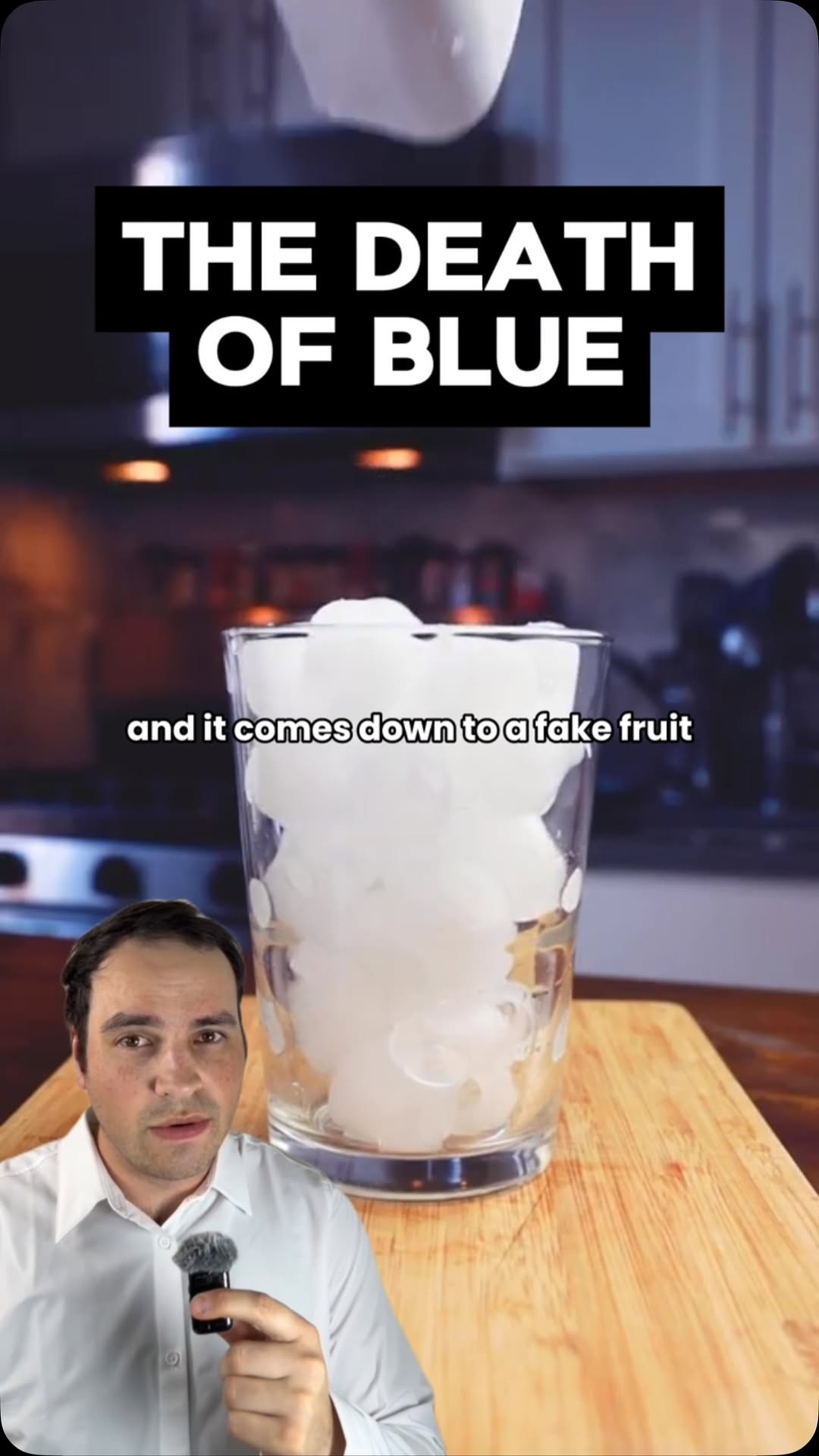
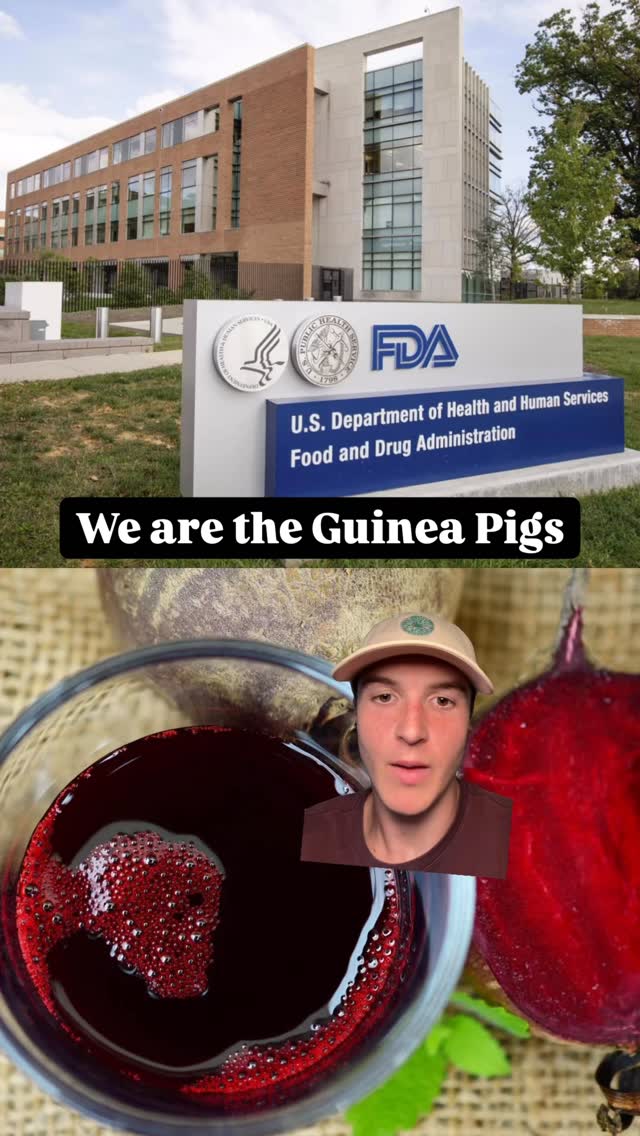
@maxxrosenblum Blue is the world’s favorite color and America’s most-eaten dye, poured into sports drinks, candy and slushies by the ton. It is also the one color nature almost never makes: fewer than one in ten flowering plants is blue, and almost no animal produces a true blue pigment, so the blues you admire in a jay or a butterfly are tricks of light, not ink. That never mattered while the color came from petroleum. Then regulators ordered food companies to go natural by 2026, and set a deadline biology cannot meet. Mars, reformulating M&M’s from natural sources, rebuilt four of its six colors and lost on two. One of them was blue. The only real source of natural blue is spirulina, a pond algae farmed at rounding-error scale, about half of it in a single country. New blue drinks alone will need several times the world’s entire supply of natural pigment, before a single candy is colored, and it takes roughly seven times as much of the natural stuff to match a synthetic shade that is still 60 to 70 percent cheaper. Call it the Nature Tax: the bill that comes due when a government orders an industry to make something natural that nature cannot supply, paid in higher prices, duller blues and shelves that slowly empty. And blue is only the first domino, because every “natural” promise on every label is the same bet, a synthetic you can make on demand swapped for a living thing you have to grow, on a schedule nature never agreed to. #economics #blue #bluefood #health
View original on Instagram

The edit1 shot · 8 text
Shots Text2:57

Performance

Views
1.4M
Likes
62.5K
Comments
1.8K
Engagement
4.6%
Outlier
407.4×
Length · 10 Jul 2026
2:57

Video #36077 · Greenscreen Talking Head

Explaining economics using blue dyefrom @maxxrosenblum

[01]

Overview

The creator, superimposed over a montage of graphics and B-roll, explains the economic and biological consequences of a hypothetical 2026 FDA ban on synthetic food dyes. He uses the color blue as a case study to illustrate the concept of a 'Nature Tax,' where demand created by regulation far outstrips the available natural supply, and shows how this would impact major brands like Gatorade and M&M's.

[02]

Simple outline

  1. 1State dramatic claim about common thing
  2. 2Reveal external force of change
  3. 3Show why change is impossible
  4. 4Explain the fundamental, hidden reason
  5. 5Show collision of demand and reality

[03]

Related videos

[04]

Classification

Concepts
BreakdownCase Study Breakdown
Elements
Green Screen CompositeData Visualization GraphicMontage EditingImage OverlayGraphic OverlayTitle Text Hook

[05]

Hook analysis

What stops the scroll in the first 3 seconds

Title hook · 70%

THE DEATH OF BLUE

Visual hook · 30%

A clean, high-contrast shot of a vibrant blue Gatorade bottle next to a clear glass on a wooden surface. The bright, familiar color immediately grabs attention and establishes the video's central subject.

[06]

Hook template

Steal this for your own video

THE DEATH OF [familiar product color or ingredient]

  • — THE DEATH OF RED
  • — THE DEATH OF SUGAR
  • — THE DEATH OF CAFFEINE

[07]

Hook and payoff

The promise the opener makes, and how the video pays it back

Hook

The Mundane Apocalypse: Make a high-stakes, paradoxical claim about a familiar, everyday object or concept to create an immediate 'how?' or 'why?' question.

Payoff

The Unresolved Scale: Conclude not with a solution, but by quantifying the scale of the unresolved problem, leaving the viewer with a sense of impending, large-scale change and a new lens through which to see the world.

[08]

Narrative framework

The structural pattern this video runs on

Framework

The Hidden System Breakdown

To reveal a complex, unseen system that governs a familiar part of everyday life by showing how an external shock creates an impossible-to-resolve conflict between human demand and a fundamental constraint.

  1. 1

    The Catalyst Reveal

    Introduce the single external event, rule, or decision that sets the central conflict in motion. Frame it as an inciting incident using official-looking evidence.

  2. 2

    The Impossible Equation

    Define and visualize the core tension as a fundamental mismatch between two opposing forces (e.g., what is required vs. what is possible). Give this concept a memorable name and use a simple graphic to illustrate the disparity.

  3. 3

    The Consequence Case Study

    Demonstrate the real-world failure or negative consequence of this 'impossible equation' using a specific, relatable example, such as a well-known brand or product.

  4. 4

    The Foundational Truth

    Zoom out to explain the deep, often scientific or historical, reason why the equation is impossible. This is the core 'aha!' moment that provides intellectual satisfaction and grounds the argument in fact.

  5. 5

    The Demand vs. Reality Collision

    Juxtapose the foundational truth (the constraint) against the massive scale of human desire, habit, or demand for the thing being constrained. Use data and cultural examples to emphasize the scale of the conflict.

Themes

  • Unintended consequences
  • Regulation vs. reality
  • Scarcity
  • Economics of nature

Techniques

  • Data visualization
  • Case study
  • Montage editing

Trends

  • Explainer video
  • Visual essay

Post caption

Blue is the world’s favorite color and America’s most-eaten dye, poured into sports drinks, candy and slushies by the ton. It is also the one color nature almost never makes: fewer than one in ten flowering plants is blue, and almost no animal produces a true blue pigment, so the blues you admire in a jay or a butterfly are tricks of light, not ink. That never mattered while the color came from petroleum. Then regulators ordered food companies to go natural by 2026, and set a deadline biology cannot meet. Mars, reformulating M&M’s from natural sources, rebuilt four of its six colors and lost on two. One of them was blue. The only real source of natural blue is spirulina, a pond algae farmed at rounding-error scale, about half of it in a single country. New blue drinks alone will need several times the world’s entire supply of natural pigment, before a single candy is colored, and it takes roughly seven times as much of the natural stuff to match a synthetic shade that is still 60 to 70 percent cheaper. Call it the Nature Tax: the bill that comes due when a government orders an industry to make something natural that nature cannot supply, paid in higher prices, duller blues and shelves that slowly empty. And blue is only the first domino, because every “natural” promise on every label is the same bet, a synthetic you can make on demand swapped for a living thing you have to grow, on a schedule nature never agreed to. #economics #blue #bluefood #health

Text overlays

  • title · beginning

    THE DEATH OF BLUE

  • informational · middle

    FDA NEWS RELEASE HHS, FDA to Phase Out Petroleum-Based Synthetic Dyes in Nation's Food Supply April 22, 2025

  • informational · middle

    The Nature Tax what nature can supply nature can supply the mandate needs

  • informational · middle

    Mars rebuilt 4 of 6 colors. Two broke it.

  • informational · middle

    Blue is rare in nature

  • contextual · middle

    MAKE AMERICA HEALTHY AGAIN

  • informational · end

    Blue is the world's favorite color

  • informational · end

    America's best-selling Gatorade flavors

Explaining economics using blue dye | Viral Hooks