Viral Hooks
Trending short videosGreenscreen ingredient change case study
Z

@zephzoid

Instagram · Greenscreen Talking Head
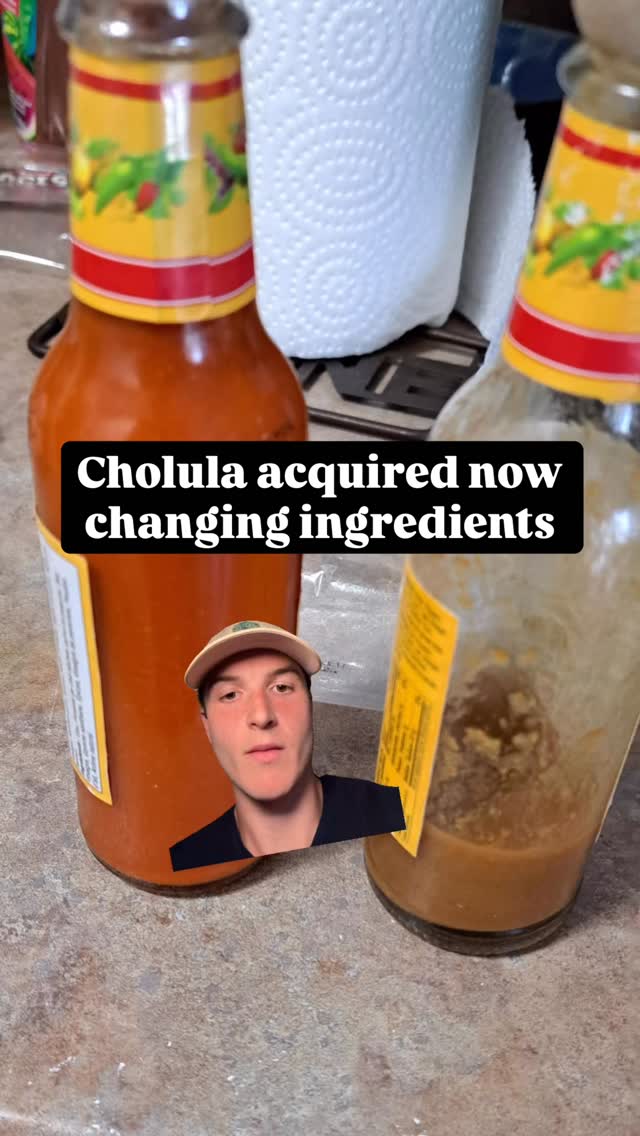
@zephzoid If you noticed Cholula Hot Sauce started tasting different, you’re not alone. Well in 2020, McCormick & Company acquired Cholula Hot Sauce for $800 million. Their share of the hot sauce market shot up to an estimated 30%. Ingredients before: Water, Peppers, Salt, Vinegar, Garlic Powder, Spices, Xanthan Gum. Ingredients after: Water, Peppers, Salt, Acetic Acid, Xanthan Gum, Spices, Apple Cider Vinegar, Garlic Powder and Natural Flavor. The big change is a shocking one: they replaced real fermented vinegar with acetic acid (synthetic acidic compound). When you replace a fixed volume of real vinegar with a smaller amount of concentrated acetic acid plus added water separately, this also likely means the new version is a much larger % water. Worst of all, they added natural flavor… When you remove the fermentation-derived flavor complexity of real vinegar and replace it with industrial acetic acid, the product isn’t the same. Natural flavor can be added to simulate those compounds with a proprietary chemical blend that approximates the flavor signature consumers were buying. To me, this is utter deception and reinforces the distrust many have in the conventional grocery store driven food system. Shopping from independent brands for CPG products and local farmers for the bulk is the only way to move forward.
View original on Instagram

The edit1 shot · 5 text
Shots Text1:24

Performance

Views
649.6K
Likes
29.1K
Comments
1.7K
Engagement
4.7%
Outlier
60.9×
Length · 25 Mar 2026
1:24

Video #22325 · Greenscreen Talking Head

Greenscreen ingredient change case studyfrom @zephzoid

[01]

Overview

The creator uses a greenscreen format to break down how Cholula's ingredients changed after being acquired by McCormick, specifically highlighting the switch from fermented vinegar to synthetic acetic acid and water. He explains the negative impact on flavor and quality, ultimately pivoting to a call-to-action encouraging viewers to use the Localize app to buy from small, local farmers instead of conventional grocery stores.

[02]

Simple outline

  1. 1Validate shared consumer observation
  2. 2Reveal hidden corporate catalyst
  3. 3Compare before and after
  4. 4Explain the hidden motives
  5. 5Pitch the alternative solution

[03]

Related videos

[04]

Classification

Concepts
BreakdownCase Study Breakdown
Elements
Direct Call-to-ActionImage OverlayText Overlay

[05]

Hook analysis

What stops the scroll in the first 3 seconds

Title hook · 35%

Cholula acquired now changing ingredients

Verbal hook · 50%

If you noticed this hot sauce started tasting different, you're not alone.

Visual hook · 15%

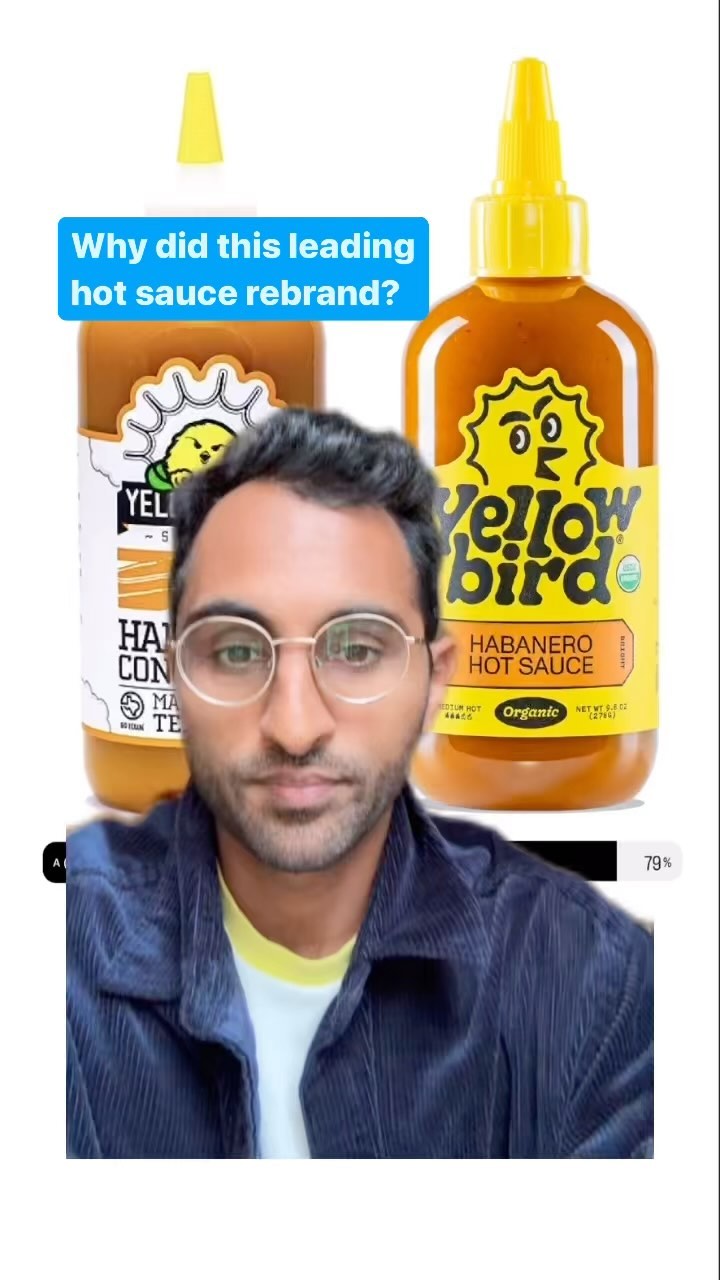
The creator appears superimposed directly over two large, contrasting bottles of Cholula hot sauce, immediately establishing the subject matter visually.

[06]

Hook template

Steal this for your own video

If you noticed [popular product] started [negative quality change], you're not alone.

  • — If you noticed your favorite protein powder started tasting more chalky, you're not alone.
  • — If you noticed Starbucks drinks started tasting more watered down, you're not alone.
  • — If you noticed your go-to sneakers started falling apart faster, you're not alone.

[07]

Hook and payoff

The promise the opener makes, and how the video pays it back

Hook

The Suspicion Validator - Immediately addressing a shared consumer observation or complaint to establish trust, validate the viewer's intuition, and create intrigue.

Payoff

The Escape Hatch - Introducing a specific tool, app, or methodology that empowers the viewer to bypass the broken system entirely, transitioning from problem-awareness to actionable solution.

[08]

Narrative framework

The structural pattern this video runs on

Framework

The Corporate Downgrade Exposé

Validating a common consumer suspicion about a beloved product to expose corporate cost-cutting, ultimately positioning a specific tool or behavior as the solution to a systemic problem.

  1. 1

    The Corporate Catalyst

    Revealing the behind-the-scenes corporate event (like an acquisition or merger) that triggered the negative change, giving the audience a clear antagonist.

  2. 2

    The Evidence Reveal

    Visually comparing the original state of the product to the altered state (e.g., ingredient lists or materials) to definitively prove the downgrade.

  3. 3

    The Motive Deconstruction

    Explaining the technical or financial mechanics behind the change, highlighting exactly how the corporation saves money at the consumer's expense.

  4. 4

    The Systemic Indictment

    Zooming out to frame this single product's decline as a symptom of a much larger, fundamentally broken industry system, escalating the emotional stakes from disappointment to systemic outrage.

Themes

  • corporate acquisition impact
  • food quality degradation
  • synthetic vs natural ingredients
  • supporting local agriculture

Techniques

  • greenscreen
  • image overlays
  • ingredient list comparisons
  • call to action

Trends

  • anti-processed food
  • ingredient transparency
  • local sourcing

Post caption

If you noticed Cholula Hot Sauce started tasting different, you’re not alone. Well in 2020, McCormick & Company acquired Cholula Hot Sauce for $800 million. Their share of the hot sauce market shot up to an estimated 30%. Ingredients before: Water, Peppers, Salt, Vinegar, Garlic Powder, Spices, Xanthan Gum. Ingredients after: Water, Peppers, Salt, Acetic Acid, Xanthan Gum, Spices, Apple Cider Vinegar, Garlic Powder and Natural Flavor. The big change is a shocking one: they replaced real fermented vinegar with acetic acid (synthetic acidic compound). When you replace a fixed volume of real vinegar with a smaller amount of concentrated acetic acid plus added water separately, this also likely means the new version is a much larger % water. Worst of all, they added natural flavor… When you remove the fermentation-derived flavor complexity of real vinegar and replace it with industrial acetic acid, the product isn’t the same. Natural flavor can be added to simulate those compounds with a proprietary chemical blend that approximates the flavor signature consumers were buying. To me, this is utter deception and reinforces the distrust many have in the conventional grocery store driven food system. Shopping from independent brands for CPG products and local farmers for the bulk is the only way to move forward.
Text overlays

  • title · beginning

    Cholula acquired now changing ingredients

  • informational · middle

    Ingredients before: Water, Peppers, Salt, Vinegar, Garlic Powder, Spices, Xanthan Gum.

  • informational · middle

    INGREDIENTS: WATER, PEPPERS (ARBOL & PIQUIN), SALT, ACETIC ACID, XANTHAN GUM (THICKENER), SPICES, APPLE CIDER VINEGAR, GARLIC POWDER & NATURAL FLAVOR.

  • informational · middle

    Ingredients after: Water, Peppers, Salt, Acetic Acid, Xanthan Gum, Spices, Apple Cider Vinegar, Garlic Powder and Natural Flavor

  • branding · end

    Localize

Transcript

If you no this hot sauce started tasting different, you're not alone. Things started going downhill when Cholula was acquired by McCormick and Company for $800,000,000 in 2020. The deal brought their share of the hot sauce market up to an estimated 30%. The ingredients before were mostly just peppers, spices, and vinegar. But now they've made some sneaky changes adding acetic acid and natural flavor while still having vinegar, but much lower on the ingredient list. This is a shocking change because they're replacing real fermented vinegar with acetic acid, which is naturally occurring in vinegar, but in this form, it's a synthetic acidic compound that is added. This likely allows them to use a much larger percentage of water because when you replace a fixed volume of real vinegar with a smaller amount of concentrated acetic acid, it allows you to use much less. But worst of all, they added natural flavor. When you remove the fermentation derived flavor complexity of vinegar and replace it with industrial acetic acid, the product just isn't quite the same. No natural flavor can be added to try to recreate that same flavor that consumers have gotten used to. This post acquisition rank market. And for the bulk of your grocery store items, you should be switching to small local farms, which you can do with the Localize app, finding these small farmers near you.

Greenscreen ingredient change case study | Viral Hooks